
Discovering Zaretan in Historical Context


Zaretan is known in historical records as a site of notable history and geography. Located near the Jordan River, it features prominently in certain ancient stories. It is mentioned as the place where significant bronze objects were cast, highlighting its role in early regional development and its cultural impact, marking pivotal moments in history.
Exploring its significance reveals its role in early regional development. This place, near the Jordan, was integral to historical journeys. The site’s historical context and geographical setting offer insights into the narratives that shaped the cultural life of the region.
from the Western Wall to Masada.
What Is Zaretan?
Zaretan is a location mentioned in ancient texts, associated with historical journeys and territorial expansions. This location is recognized for its proximity to the Jordan River, playing a crucial role during significant crossings. It marks a significant geographical point in historical journeys.
Zaretan stands out in the narrative of significant crossings of the Jordan River, representing a notable geographical point. The site is also mentioned as a place where important objects were cast, highlighting its importance in early regional practices.
Zaretan is noted in the story of significant crossings where the waters of the Jordan were halted. This historical connection ties it to broader themes of notable events and interventions within the narrative. The waters ‘stood in a heap’ at Adam, near Zaretan, as the people crossed, highlighting the region’s significance in illustrating moments of notable presence and action in history.
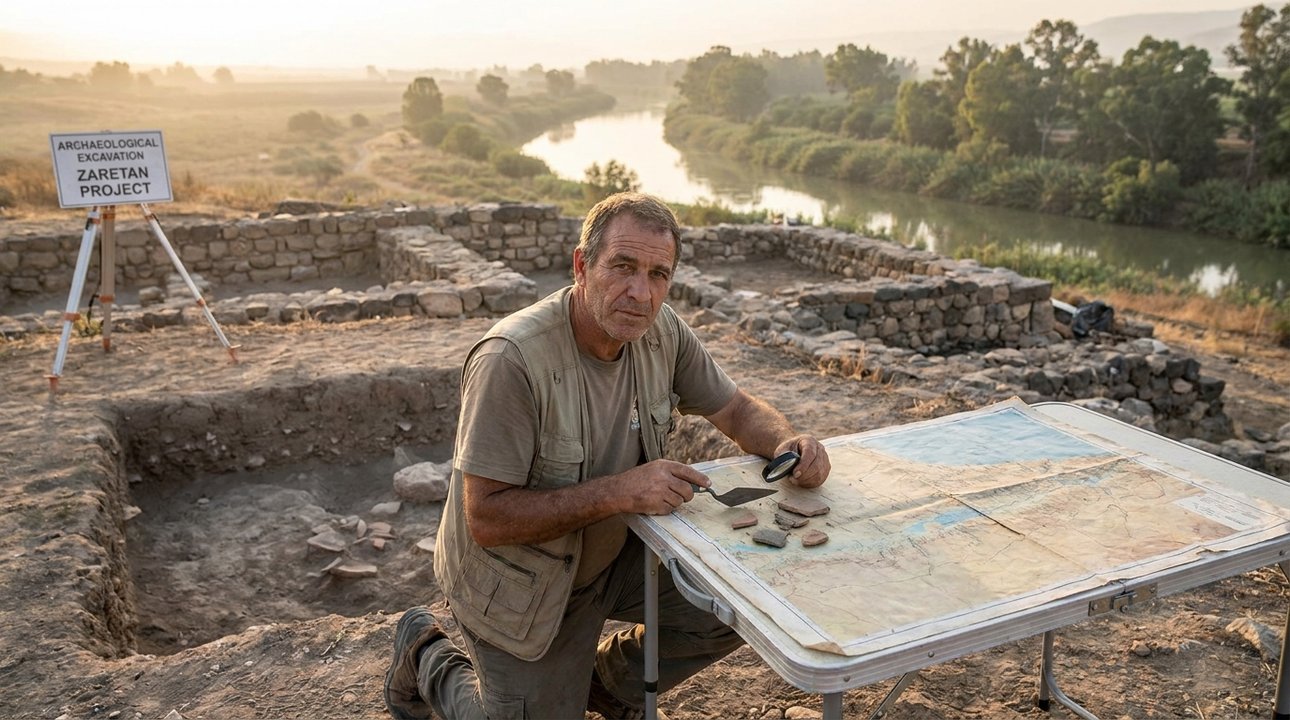
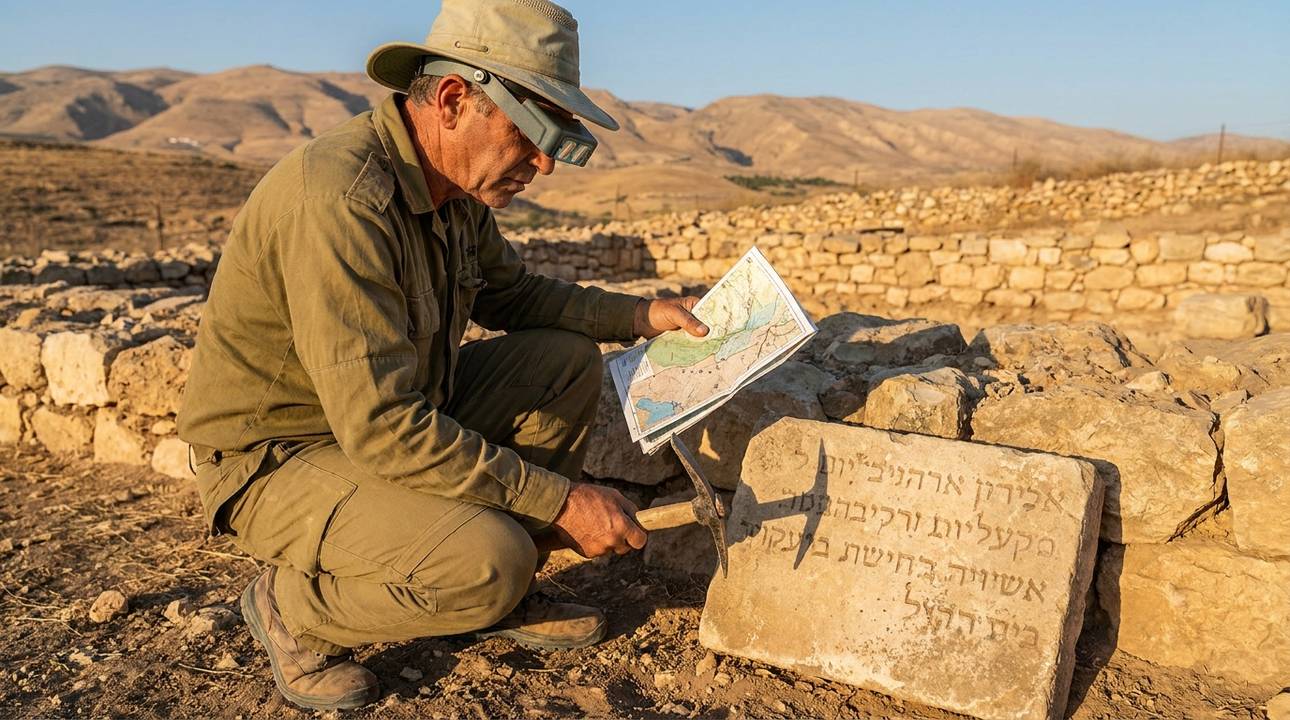
Archaeologically, Zaretan’s precise location remains a subject of study, but it is commonly linked to the region west of the Jordan River, adding depth to our understanding of historical geography. The ongoing search for Zaretan’s exact site reflects the broader quest to connect historical texts with physical locations.
Zaretan’s Historical Mentions
Zaretan is prominently mentioned in the context of significant eras. It is cited as a notable site for the casting of important objects. This reference underscores Zaretan’s role in the practices of early regional development, highlighting the location’s contribution to the culture of the time.
The casting of important objects at Zaretan emphasizes its importance in early regional construction efforts. This connection between Zaretan and regional practices illustrates the site’s significance in the cultural life of the area, marking it as a place of historical importance.
During the crossing of the Jordan, Zaretan is mentioned as a notable geographical point. This depiction adds a remarkable element to the region’s presence in historical records, linking it with significant interventions and pivotal moments in history. The event symbolizes a new beginning as they entered new territories.
The crossing of the Jordan at Zaretan marked a significant transition, representing entry into a new chapter of their journey. This moment of notable intervention highlights the region’s role in the broader narrative of territorial expansion, underscoring its importance in history.
Zaretan’s Historical and Cultural Context
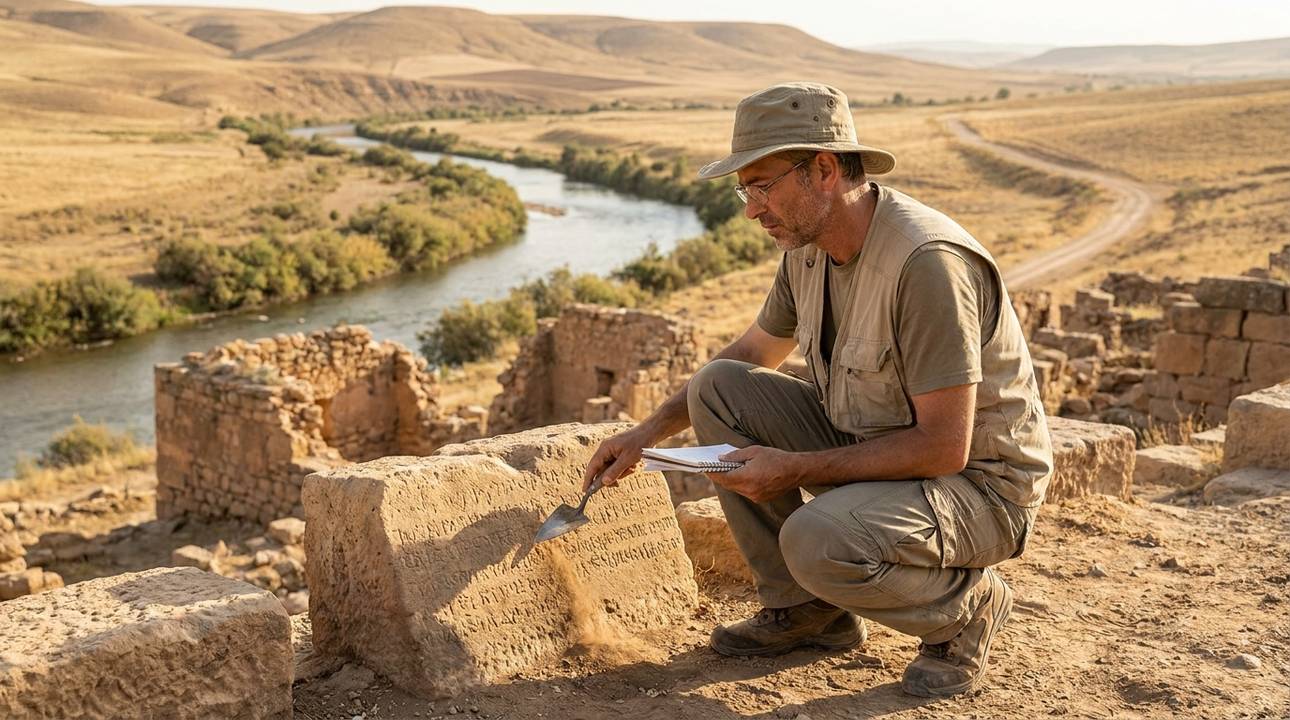
Historically, Zaretan’s location at the Jordan Valley makes it a strategic and agriculturally rich area. This positioning fostered settlement and development in early times, allowing it to play a role in historical narratives. The fertile lands contributed to its mention as a notable landmark.
Zaretan’s geographical advantages contributed to its mention in various texts as a notable landmark during significant events, providing insight into its local importance. The area’s rich soil and strategic location made it a hub for agricultural activities, supporting the livelihoods of those who lived there. This historical context adds depth to our understanding of its role in early regional society.
Culturally, Zaretan’s significance is bolstered by its association with early construction work. This connection underscores the region’s value in regional life and its contribution to construction efforts. Such associations with significant efforts reinforce Zaretan’s enduring cultural resonance in historical discussions. The casting of important objects at Zaretan highlights its role in the traditions of the region, making it a key site in the narrative of early development.
Zaretan in Modern Understanding
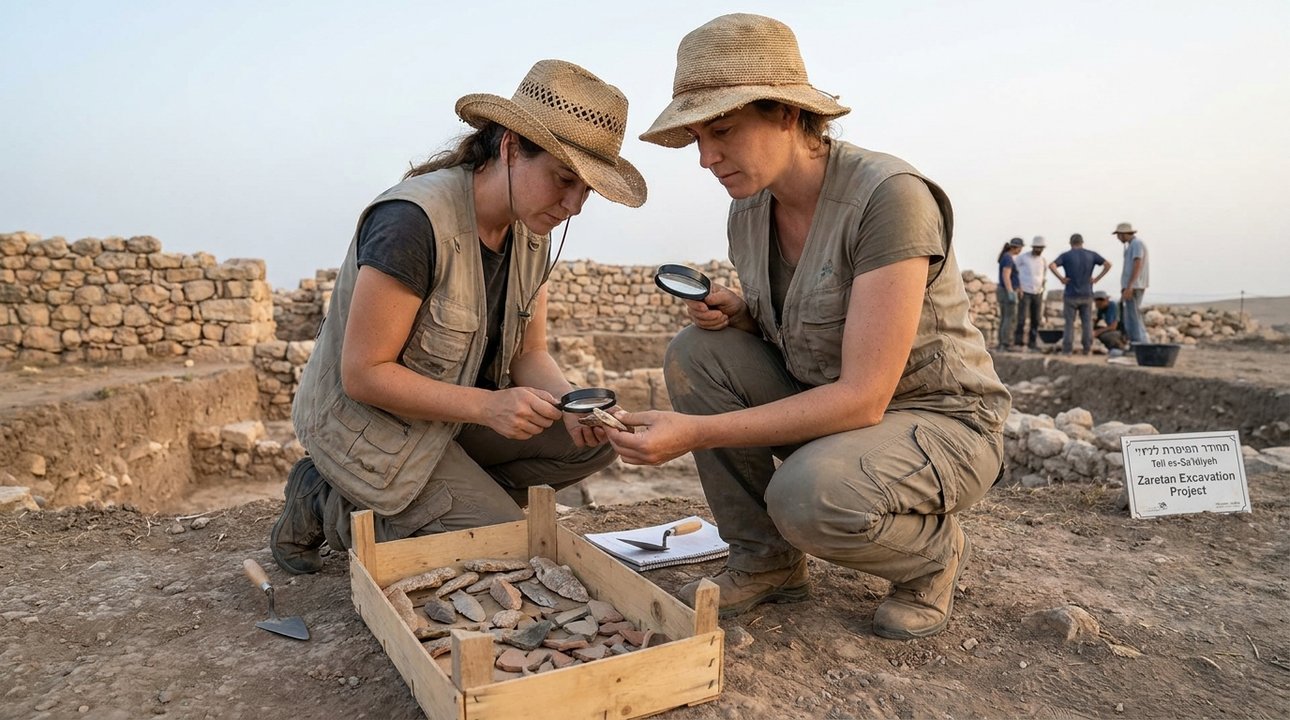
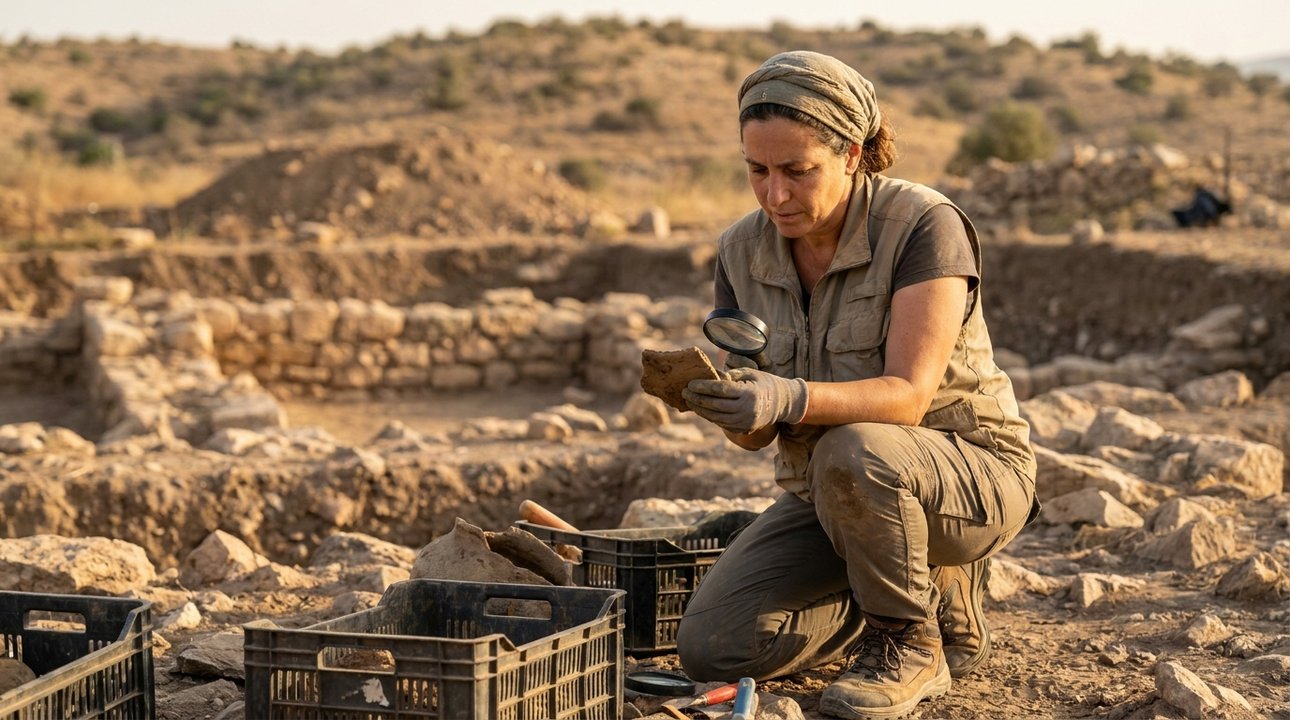
Today, Zaretan’s exact historic site remains debated among scholars. However, its narrative importance continues to be explored in archaeology and historical studies. Some suggest it may be near modern-day Tell es-Sa’idiyeh, though this is not confirmed. The ongoing research into its location reflects the broader effort to connect historical stories with geography.
from the Western Wall to Masada.
As researchers work to pinpoint its precise location, Zaretan remains a focal point for understanding regional history and the landscape. The study of such sites not only enhances our knowledge of the past but also deepens our appreciation for the cultural and historical settings of narratives.
Modern discussions often focus on integrating archaeological findings with textual analysis to uncover more about Zaretan’s historical role. This ongoing research showcases the dynamic relationship between historical records and archaeological inquiry. Such references help bridge the gap between texts and tangible historical geography.
Zaretan continues to be a site of great interest, bridging text and historical geography. Researchers have been exploring its possible locations, such as near Tell es-Sa’idiyeh, though no definitive conclusion has been reached. This ongoing exploration not only contributes to historical scholarship but also enriches our appreciation of the cultural and historical contexts in which these ancient narratives were set.
Why Zaretan Matters Today
For many, Zaretan offers a tangible connection to historical narratives, providing a context for understanding ancient events such as significant crossings of the Jordan. Its story invites reflection on themes of heritage and the geographical setting of historical accounts, enhancing cultural appreciation for the region.
By exploring Zaretan, one can gain a deeper understanding of historical journeys and the notable acts that marked their path. The site’s historical and geographical context enriches our comprehension of the stories, offering a view into the past that is still remembered and informs our present understanding of these texts.
Zaretan stands as a reminder of the interconnectedness of place and narrative within historical texts. Exploring such locations can deepen one’s connection to stories and enrich personal study and appreciation. By examining its role, we gain insights into the cultural practices of early regional societies, enhancing our comprehension of historical events.
The exploration of Zaretan thus adds layers of understanding to the historical landscapes embedded within texts. By examining its role, we gain insights into the cultural practices of early regional societies, enhancing our comprehension of historical events. The site’s historical context adds depth to our understanding of these narratives.
Exploring Zaretan’s Influence
Understanding places like Zaretan enriches our engagement with historical texts. As we uncover the backdrop of these locations, we gain insight into the lived experiences of historical peoples. Zaretan’s influence extends beyond its mention in texts, contributing to the broader mix of geography and history.
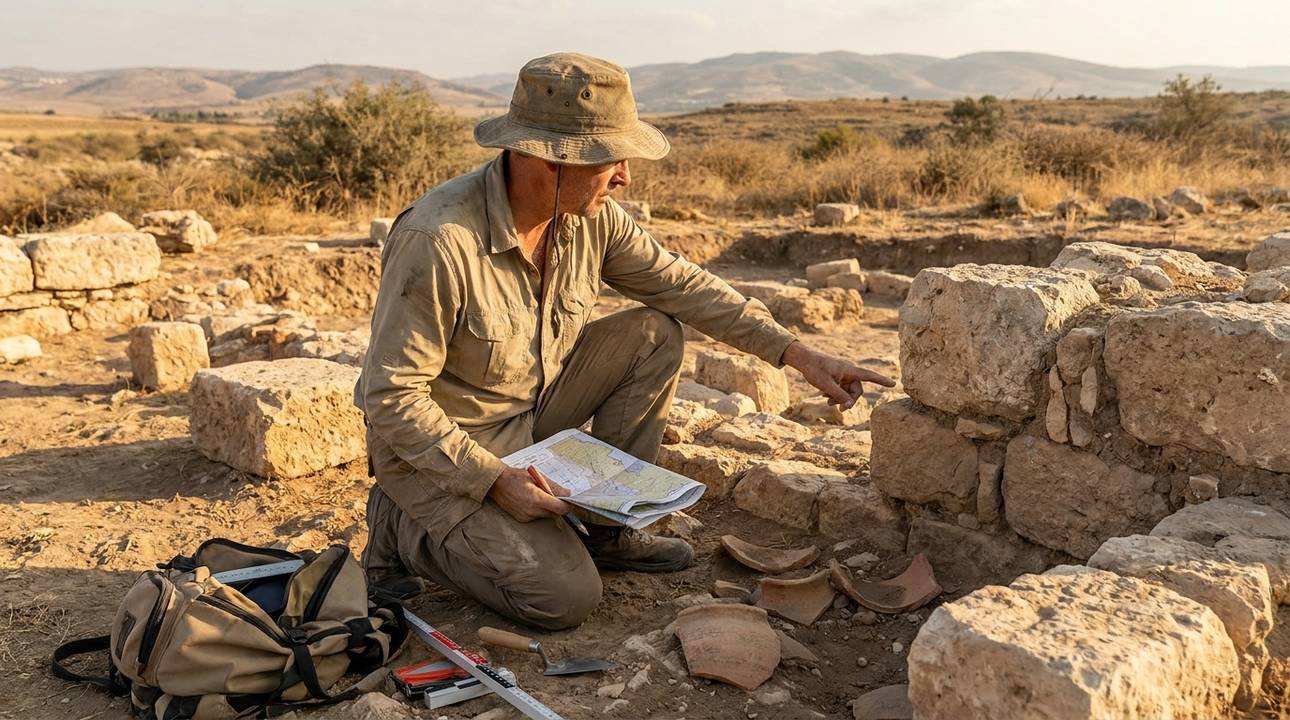
Through archaeological studies and textual analysis, the legacy of locations like Zaretan offers a view into the past. This exploration connects present-day enthusiasts with ancient stories, bridging historical inquiry with exploration. Such connections provide a tangible link to the narratives that shaped early regional history.
The layered understanding of such places connects modern readers to ancient narratives, offering an enriched perspective on historical texts. By examining sites like Zaretan, we gain insights into the geographical and cultural settings of events. This exploration not only deepens our understanding of texts but also enhances our appreciation for the historical contexts that underpin these stories.
Understanding Zaretan
