
Exploring the History and Significance of Zifran


Zifran appears in various historical contexts, yet its precise location and history remain a matter of discussion. Understanding Zifran involves exploring historical references and maps that hint at its placement within the landscape. Similar to how archaeologists study places like Ai to piece together history, these efforts help us appreciate the complex past, even when details are limited.
The study of Zifran involves examining ancient texts and maps, similar to efforts made to locate Ai. Ai’s identification has been debated, with scholars piecing together clues from historical sources. Zifran’s exact location is elusive, but ongoing research continues to shed light on its place in history, highlighting the importance of each site in understanding the region’s past.
from the Western Wall to Masada.

Where Is Zifran Mentioned in Historical Texts?
Zifran is not widely mentioned, appearing in certain passages that suggest its presence in early territories. These references hint at a minor role, aligning with the pattern of smaller villages supporting larger urban centers.
Zifran is listed among towns in southern Judah’s territory, suggesting a role as a border settlement involved in defense or administration. This pattern of smaller settlements supporting larger cities is evident throughout history, as seen with Hebron being supported by surrounding villages.
The Etymology of Zifran
The name ‘Zifran’ has linguistic roots in ancient Semitic languages. It may derive from the Hebrew root ‘ZFR,’ related to counting or numbering. Understanding the etymology offers insights into its potential meaning, ranging from landscape descriptors to cultural allusions.
Names can convey historical events. The root ‘ZFR’ might imply a location known for counting or recording, possibly a place of trade or census. Such linguistic insights offer a view into the cultural and economic activities associated with Zifran.
Zifran and Its Geographic Context
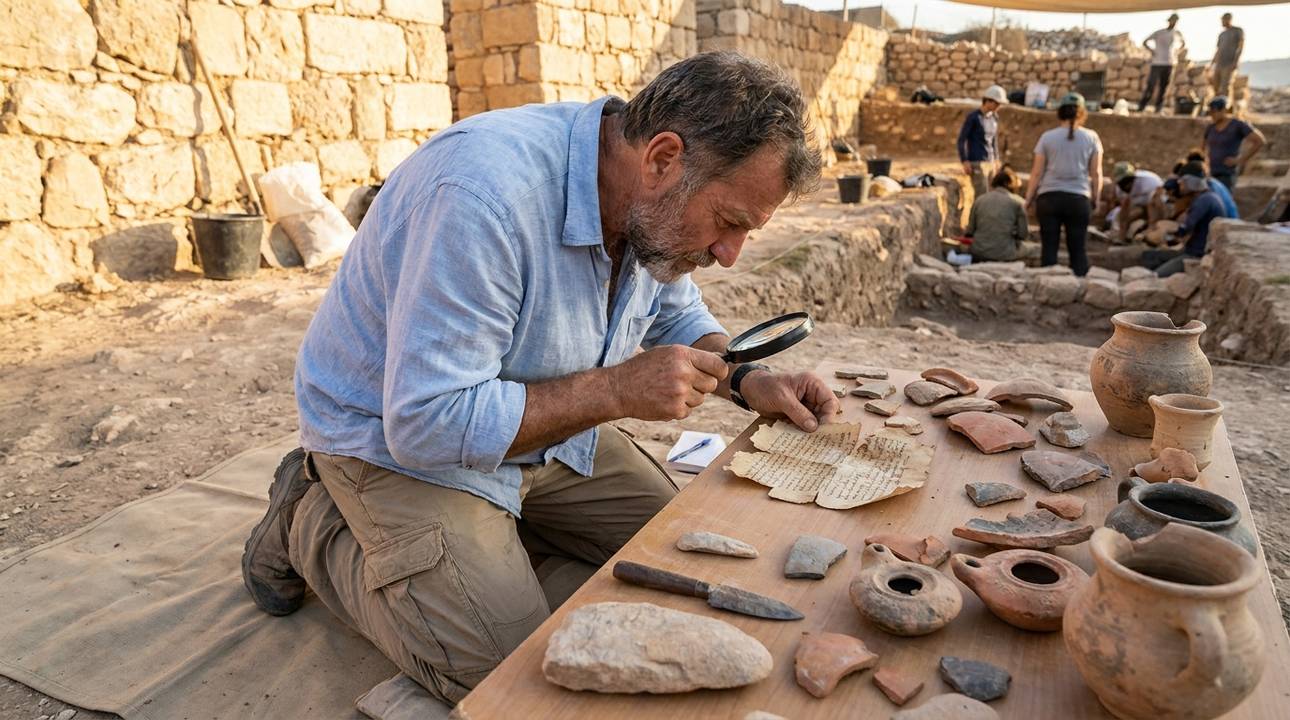
Though elusive in its exact location, Zifran’s geographic context offers insight into its possible relevance. Historical maps suggest it might be near the Judean wilderness. These areas were known for varied terrains and vital trade routes crucial for commerce and cultural exchange.
The Judean wilderness provides a backdrop for understanding Zifran’s potential location. Known for its rugged terrain and strategic importance, trade routes like the King’s Highway played a vital role in the economy, facilitating the movement of goods and ideas across the region.
Cultural and Historical Context of Zifran
Culturally, Zifran represents smaller components of society often overshadowed by major cities. Exploring these sites provides a fuller picture of everyday life, emphasizing local interactions within the broader narrative.
from the Western Wall to Masada.
While major cities mark significant events, smaller sites like Zifran offer insights into the daily lives of ordinary people. They played essential roles in supporting urban centers, contributing to agricultural and economic networks that sustained the region.
Archaeological Perspectives on Zifran
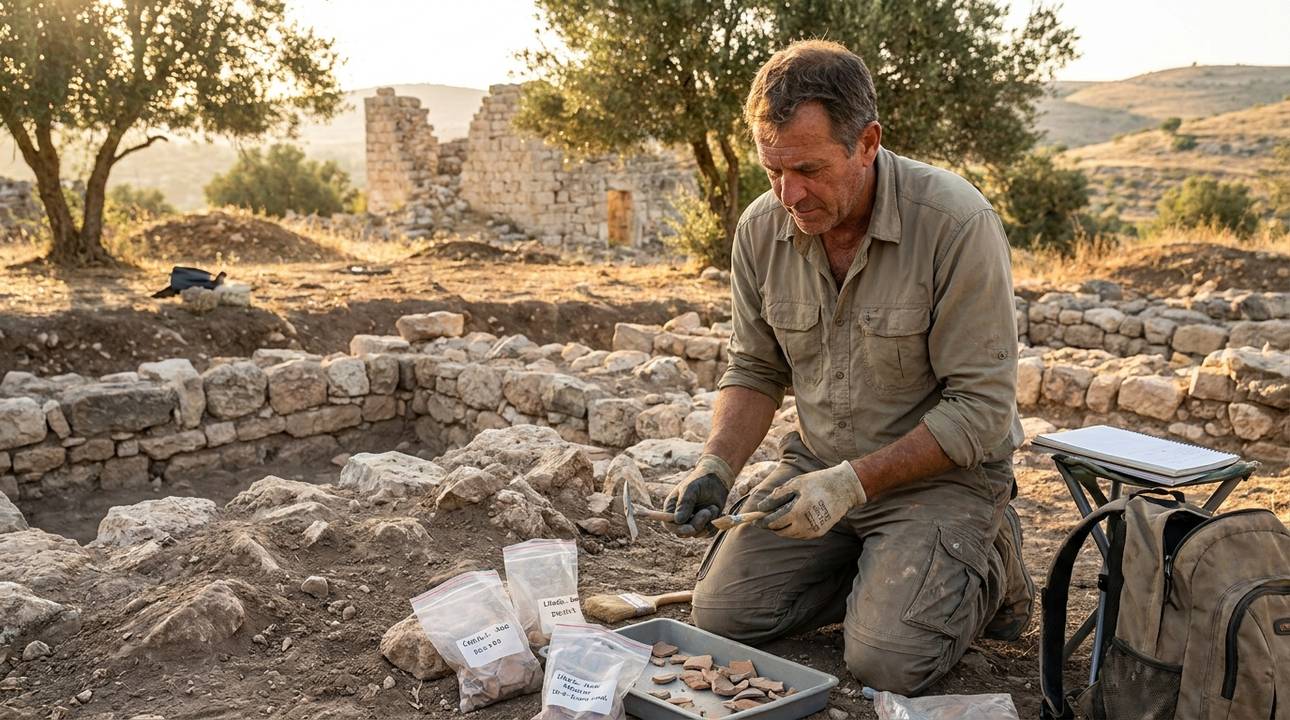
Modern archaeology seeks to uncover more about places like Zifran, which hold clues to ancient lifestyles. Excavations in the Negev have revealed artifacts from the Iron Age, offering insights into daily life. Discoveries like ancient storage jars suggest trade connections and agricultural practices.
Iron Age artifacts, such as pottery and tools, provide insight into the daily activities of the region’s inhabitants. These findings help archaeologists understand the economic and social dynamics of the time, indicating a network of exchange connecting Zifran to larger trade routes.
Zifran in Modern Scholarship
Scholars continue debating Zifran’s role in history, using evidence to piece together its past. The Book of Joshua lists many towns in the Negev, hinting at Zifran’s possible inclusion. Through both textual and material sources, they aim to establish a clearer understanding of its historical footprint.
Major cities like Hazor have revealed much about ancient life, and similar methods are applied to uncover Zifran’s story. Analyzing artifacts and inscriptions, researchers hope to determine Zifran’s role within the Negev, contributing to a broader understanding of the region’s history.
Conclusion: Why Zifran Matters
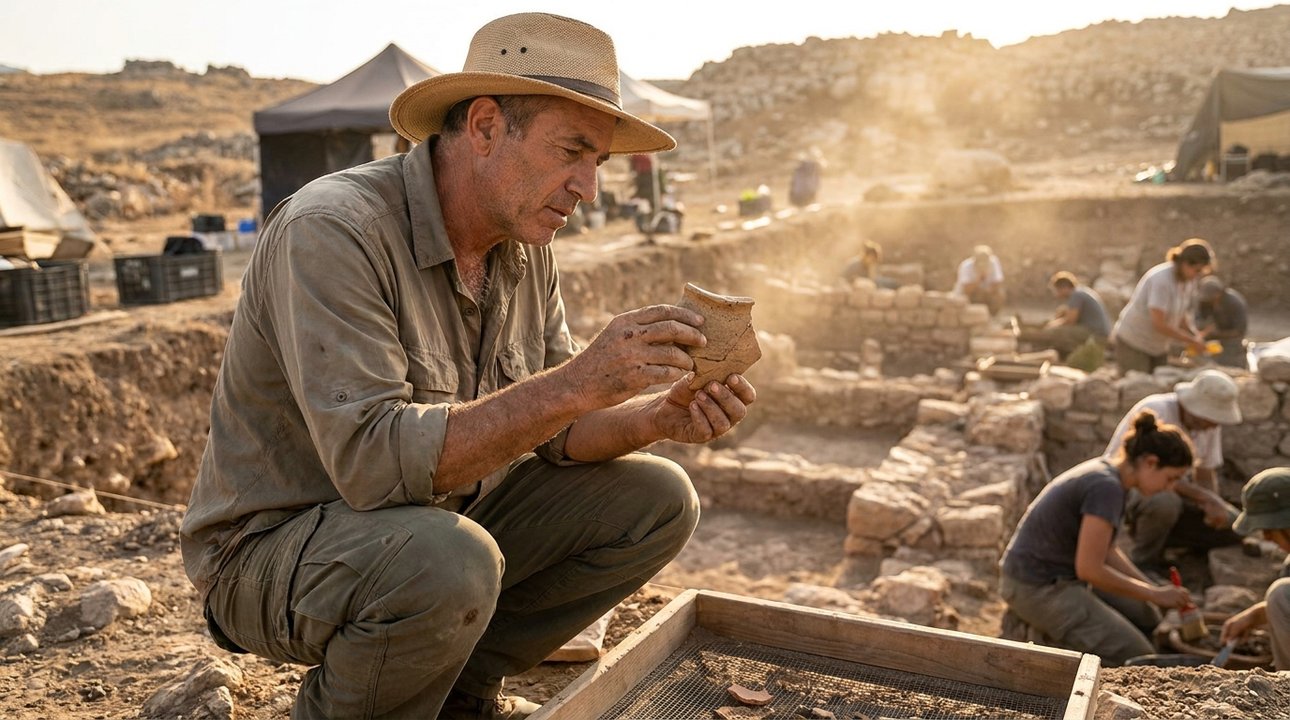
Though Zifran may not dominate historical narratives, its presence contributes to the complex history of the region. It serves as a reminder of the many small communities that played roles in the broader story of the area. Exploring such sites offers insights into lesser-known aspects of history, illuminating the daily lives of people who lived there.
Zifran in Historical Context
