
Exploring the Valley of Achor


The Valley of Achor holds a special place in history. It is associated with a moment of transformation for the Israelites. This location is where Achan faced consequences for disobedience.
Through this article, we’ll explore its map, geographical significance, and place in historical narratives. The journey through Achor leads to deeper insights into the challenges faced by the Israelites on their way to new beginnings.
What Is the Valley of Achor?
Introduced as a place of judgment, the Valley of Achor became a site of pivotal action after the Israelites suffered a defeat at Ai due to Achan’s transgression. Achan was taken to this location, where he, his family, and possessions were destroyed.
This act was meant to turn away anger from the Israelites. Thus, the valley symbolized both judgment and a new beginning for the community, representing the consequences of actions and the hope for renewal.
from the Western Wall to Masada.

Achan’s story and the Valley of Achor highlight the importance of communal accountability and the impact of individual actions on the wider community. This narrative serves as a reminder of the need to adhere to shared values and maintain responsibility. Achor’s significance in history is still remembered in reflections on ethical behavior and responsibility, encouraging individuals to consider the impact of their choices on the community.
Geographically, Achor is thought to be near Jericho, in the tribal area of Judah. Identifying the exact location is complicated, but descriptions place it within the rocky, arid region typical of the area. This area holds significance in the context of the Israelite conquest.
Its location served as a key landmark during the Israelites’ conquest. Its exact positioning helped mark territorial boundaries for the land of Judah, providing a sense of place and history.
The geographical significance of Achor adds context to its role in historical narratives, highlighting the interplay between location and story. As scholars continue to explore its role in history, they gain insights into how such places shaped the cultural landscape.
This exploration of Achor’s place in history offers a deeper understanding of how geography and narrative intertwine, enriching our appreciation of these enduring stories.
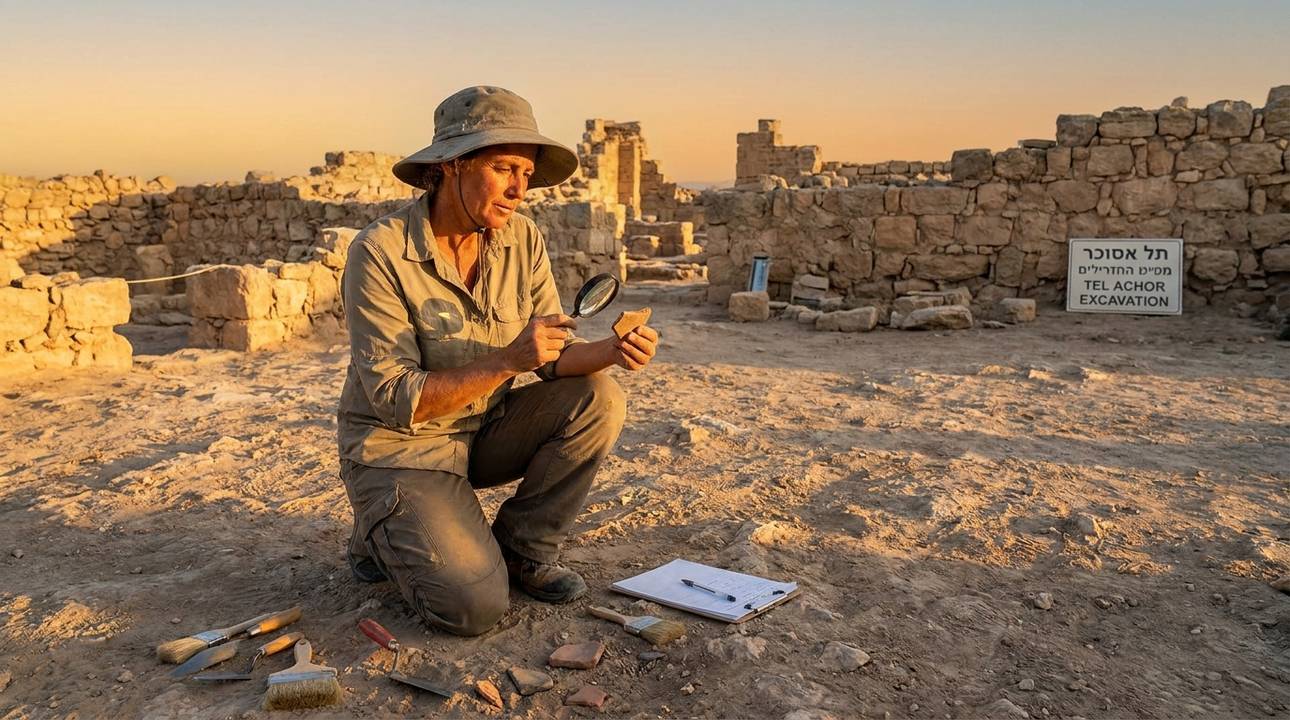
What Happened in the Valley of Achor?
Achor is directly linked to Achan’s disobedience and its consequences for Israel. As per Joshua 7, Achan violated divine commands by taking spoils from Jericho, leading to Israel’s initial defeat at Ai.
This incident highlights the ongoing struggle to maintain covenant faithfulness. Consequently, Achan, his family, and belongings were taken to Achor, where they were destroyed. This act served to restore Israel’s relationship with the divine and pave the way for future victories.
Achan’s story and the Valley of Achor emphasize the importance of communal accountability and the consequences of individual actions on the community. It serves as a reminder of the need to adhere to shared values and maintain covenant faithfulness. This narrative is still remembered reflections on ethical behavior and responsibility, encouraging individuals to consider the impact of their choices on the wider community.
The valley serves as a constant reminder of the costs of disobedience and the importance of communal accountability within the Israelite tradition. This story is revisited in rabbinic literature. Sanhedrin 44 discusses the lessons and implications of Achan’s story, emphasizing the importance of repentance and restoration.
Thus, Achor became synonymous with moments of trial but also a place where reconciliation could begin, illustrating the potential for new beginnings and the strength of community.
Achan’s transgression and its consequences highlight the delicate balance between individual actions and communal well-being. The valley’s story underscores the importance of adhering to shared values and the impact of personal choices on the wider community.
This reflection on Achor’s significance encourages ongoing discussions about ethical behavior and accountability, reminding us of the enduring lessons found within these ancient texts.
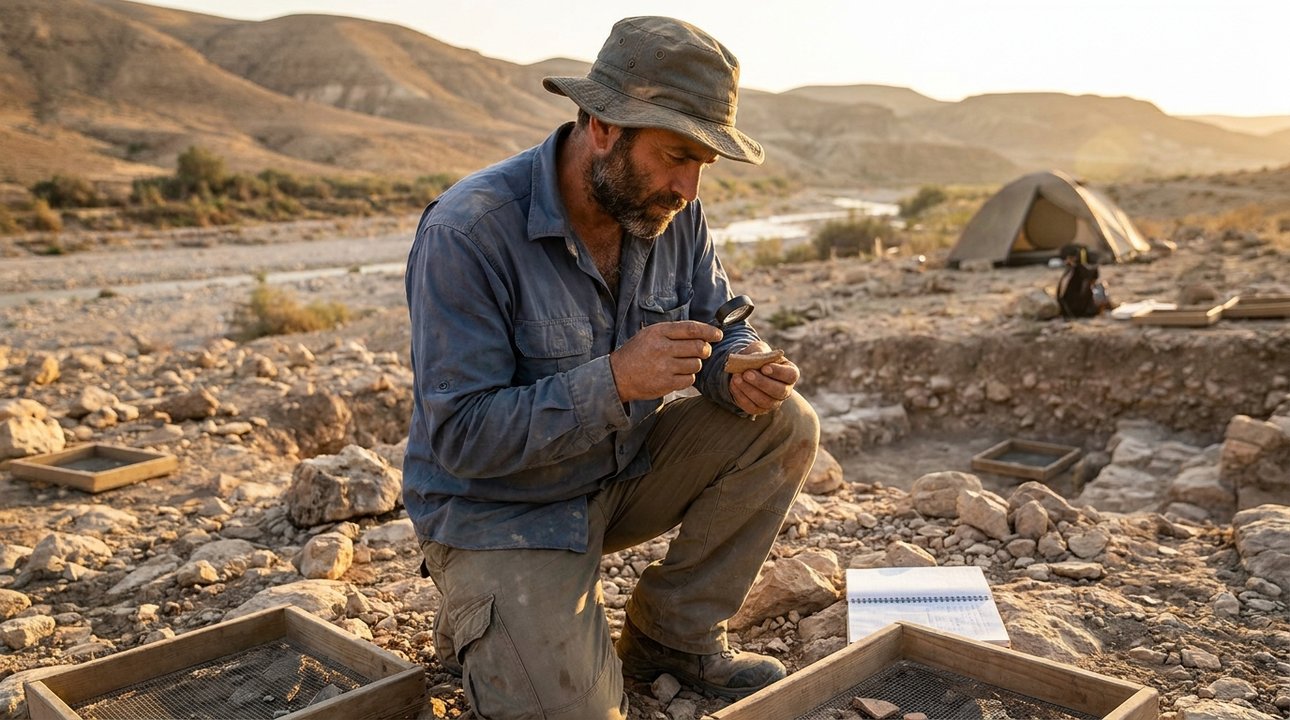
Valley of Achor in Historical Narratives
The role of Achor extends beyond a single story. Its mention in texts transforms it into a symbol for future hope and redemption. Here, Achor is depicted as a ‘door of hope,’ showing transformation from a place of misfortune to one of renewal.
This dual imagery is powerful, offering both a caution and a promise. It illustrates how places of past trouble could herald new beginnings, reinforcing themes of redemption, encouraging perseverance.
Achor’s transformation into a symbol of hope reflects the broader themes of renewal and growth found throughout narratives. This shift from despair to opportunity underscores the potential for personal and communal growth.
The story serves as a reminder that even in the face of adversity, there is always the possibility for transformation and new beginnings, inspiring individuals to seek hope and renewal in their own lives.
This valley maintains its importance in the shared history of the Jewish people. Its role in history is echoed in the described challenges and triumphs that shaped Israel. Achan’s story emphasizes the consequences of actions and the possibility of communal renewal. Through this symbolism, Achor is still remembered in reflections on resilience, marking a journey from trials to restoration and beyond, encouraging ongoing reflection and growth.
from the Western Wall to Masada.
The valley’s story serves as a powerful metaphor for transformation and redemption, illustrating how past misfortunes can lead to new beginnings. This theme resonates with contemporary discussions about personal and communal growth, emphasizing the enduring power of change. Achor’s significance in history and its continued relevance in discussions highlight the timeless nature of these narratives, showing the human experience.
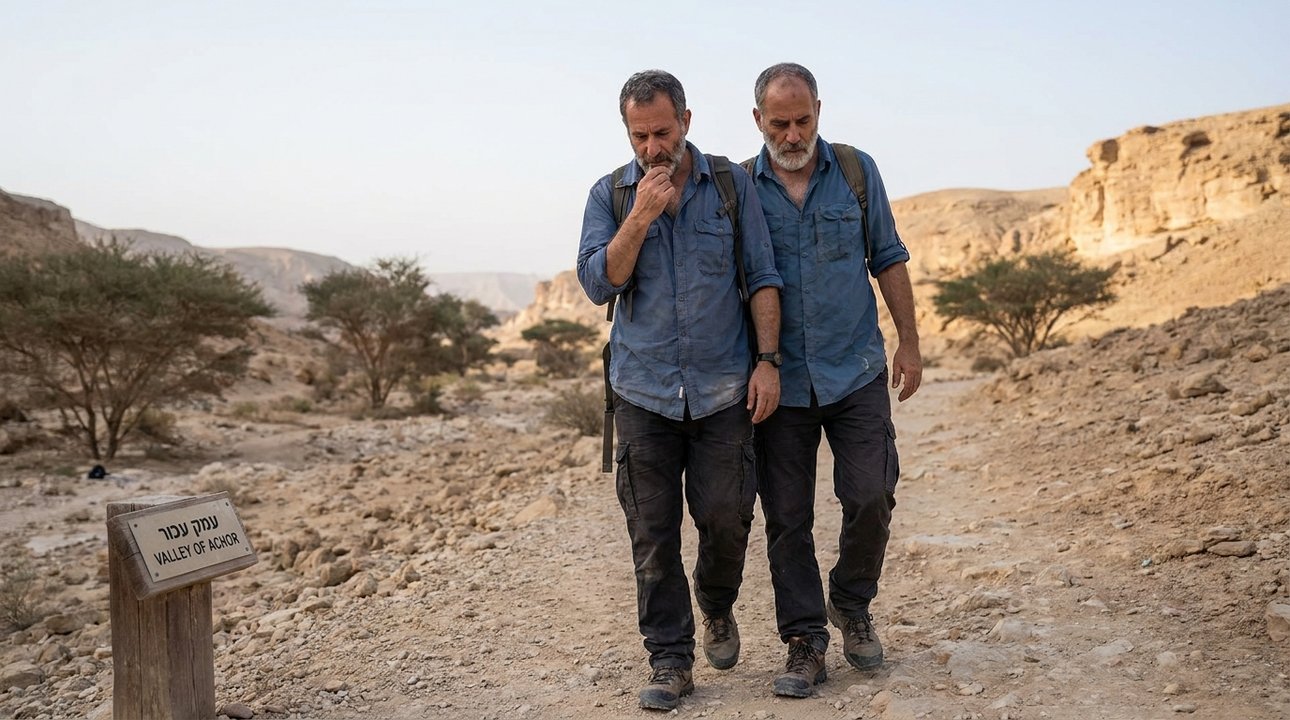
Achor in Modern Interpretation
In modern interpretations, Achor represents an opportunity for change and a reminder of the importance of adhering to shared values. Achan’s story and the valley’s significance are often brought into discussions about ethical behavior and accountability in community settings.
By understanding Achor’s placement on the map of Israel, scholars continue to gain insights into the ancient narratives. These interpretations inspire ongoing dialogues about identity and responsibility, encouraging reflection on how past lessons can guide future actions.
The valley’s geographical location near Jericho, within the territory of Judah, adds context to its history. As scholars analyze its role in history, they explore how such locations shaped the cultural landscape. This exploration of Achor’s place in history offers a deeper understanding of how geography and narrative intertwine, enriching our appreciation of these enduring stories.
Moreover, the transformation of Achor to a door of hope reflects the broader themes of renewal that resonate in contemporary discussions. This transformation highlights a shift from despair to hope.
The ability of past misfortune to turn into opportunity is a timeless theme. This transformation underscores the potential for renewal and new beginnings, encouraging individuals to seek personal and communal growth through change.
In these ways, the valley remains a potent metaphor for individuals seeking personal and communal growth, echoing the enduring power of change and resilience. Achor serves as a reminder that even places of past trouble can herald new beginnings.
This dual imagery of caution and promise reinforces themes of redemption throughout the scriptures, offering hope and inspiration to those navigating their own journeys of transformation.

Conclusion: Achor’s Legacy
Though mentioned sparsely, Achor holds significant insights into the narrative of the Israelites. Its place in literature encompasses judgment, repentance, and ultimate redemption.
Achor shows the potential for transformation from adversity to hope-an inspiring journey relevant even today. As we look at its map and explore its depths, Achor invites reflection on the nature of challenge and resurgence, both in history and personal life.
The name ‘Achor’ continues to echo as a landmark of profound change.
Exploring Achor serves as a reminder of how geography and narrative intertwine. This valley is first mentioned in historical texts, where Achan’s transgression led to a significant event impacting the Israelites. Achan, from the tribe of Judah, took forbidden items from Jericho, causing Israel’s defeat at Ai.
The valley’s name, meaning ‘trouble,’ reflects the consequences of his actions. It shows how pivotal moments recorded in ancient texts still speak to contemporary themes of renewal and hope.
These narratives resonate with the idea of transformation and redemption, ensuring that their lessons remain impactful for generations to come. Achan’s story is revisited in rabbinic literature, emphasizing the importance of repentance and restoration. This connection between past events and present-day reflections highlights the enduring relevance of these ancient stories, showing personal and communal growth.
Common Questions
