Unveiling Historical Insights into the Valley of Shittim


The Valley of Shittim holds a unique place in history. Known as the final stop before crossing into a new territory, it was a site of significant events for the Israelites.
By exploring its history and mentions, we gain a richer understanding of its role in the journey of the Israelites.
What Is the Valley of Shittim?
Historically known as Abel Shittim, this location in the plains of Moab served as a key encampment spot for the Israelites after wandering through the desert for 40 years.
References highlight its strategic importance during their journey. It is mentioned as the final encampment before crossing the Jordan River, marking a significant moment in their long journey.
from the Western Wall to Masada.

Situated in the plains of Moab, Shittim was an ideal place for the Israelites to gather and prepare for their entry into new lands. This region is historically rich, with connections to various events. The name Abel Shittim is thought to refer to the acacia trees that grew there, adding a natural element to its history. This setting provided both a physical backdrop for the Israelites’ final preparations.
This valley was mentioned in historical texts, where it became the backdrop for important events. It describes this place as the location where the Israelites faced challenges just before entering new lands.
The actions taken here had lasting implications for the Israelite community.
Historical References to Shittim
Shittim is first mentioned as a place where significant events unfolded, including the sin of the Israelites with the Moabite women. This narrative is crucial in understanding the spiritual challenges faced by Israel.
Later, it is referenced in prophecies, adding layers of meaning and context.
In historical texts, Shittim is symbolically connected to significant events. It is described as a place of decision.
These references reflect its importance not only as a historical site but also as a symbol of justice. Such mentions underscore its broader role in Israelite history, reminding us of the moral and ethical lessons conveyed through these narratives.
The symbolic connection to judgment highlights Shittim’s role in literature. It becomes a metaphor for a future time when nations will be held accountable.
This theme resonates with the broader narrative of justice and redemption, offering a lens through which to view the unique context of Shittim. It thus serves as both a physical location and a symbol of moral reckoning. Each subscription box may include 6-8 products, and contents vary.

The Role of the Valley in the Israelite Journey
Before crossing into new lands, the Israelites took significant steps to prepare in Shittim. It served as their base for logistical preparations for the coming challenges.
This was a place of transition, marking the end of their wandering and the anticipation of a new beginning. Spies were sent from Shittim to scout Jericho, highlighting its role as a strategic launching point for their endeavors.
Preparations at Shittim included organizing the tribes and ensuring they were ready for the challenges ahead. This period was marked by both readiness and practical readiness.
As the Israelites stood on the brink of entering new lands, Shittim became a symbol of hope and new beginnings. Its role in this pivotal moment underscores its significance in the broader narrative, as a place where planning and action converged.
The leadership during this period was pivotal. Shittim became a staging ground for crossing the Jordan River, emphasizing its strategic military importance.
These events showcase the critical role of Shittim in fulfilling the Israelites’ destiny. We see leadership leading the people from Shittim to the Jordan, preparing for the crossing that would mark the beginning of their new endeavors.
Leadership at Shittim included giving final instructions to the tribes of Israel. The role was to carry forward the mission, ensuring the people were ready for the challenges ahead.
Its strategic location made it an ideal place for organizing the tribes and planning their entry into new lands. This period was marked by both anticipation and preparation, as the Israelites stood on the brink of a new chapter.

Archaeological Insights into Shittim
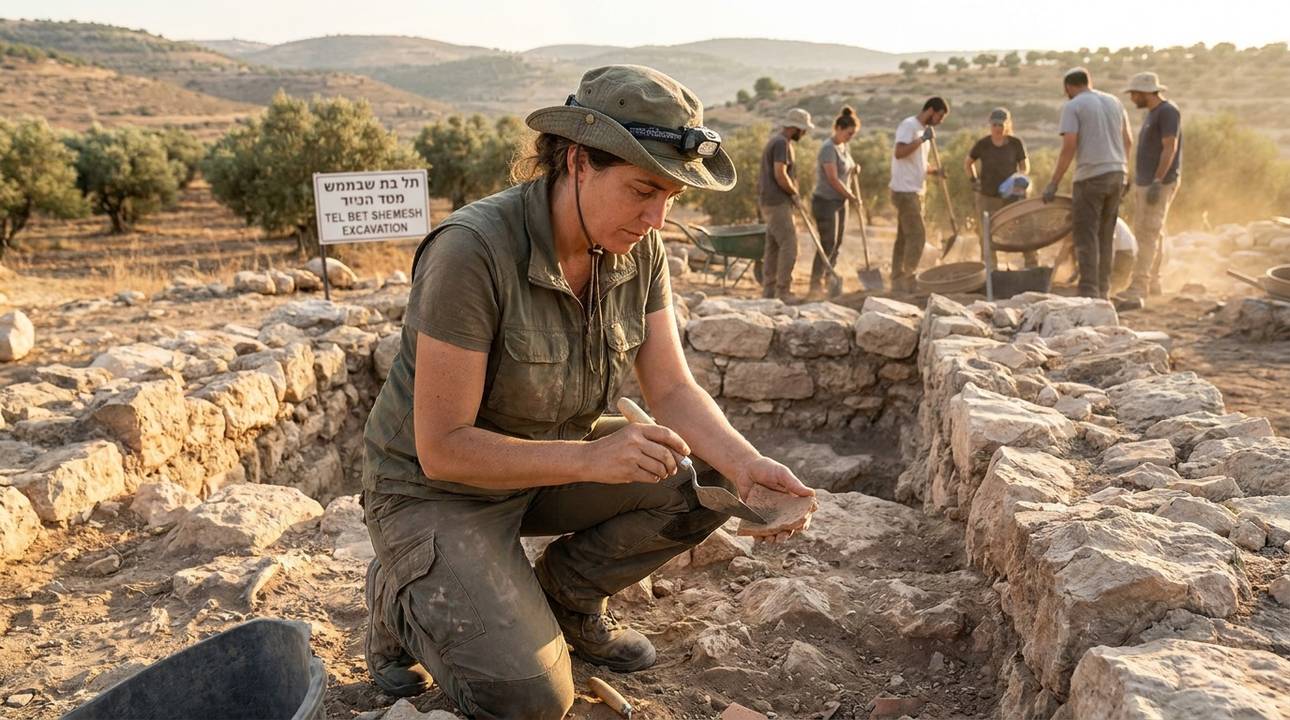
Although much of Shittim’s archaeological evidence is sparse, various excavations offer insights into its past. The findings include remnants of settlements that suggest a community once thrived there. These discoveries contribute to our understanding of the location’s history.
from the Western Wall to Masada.
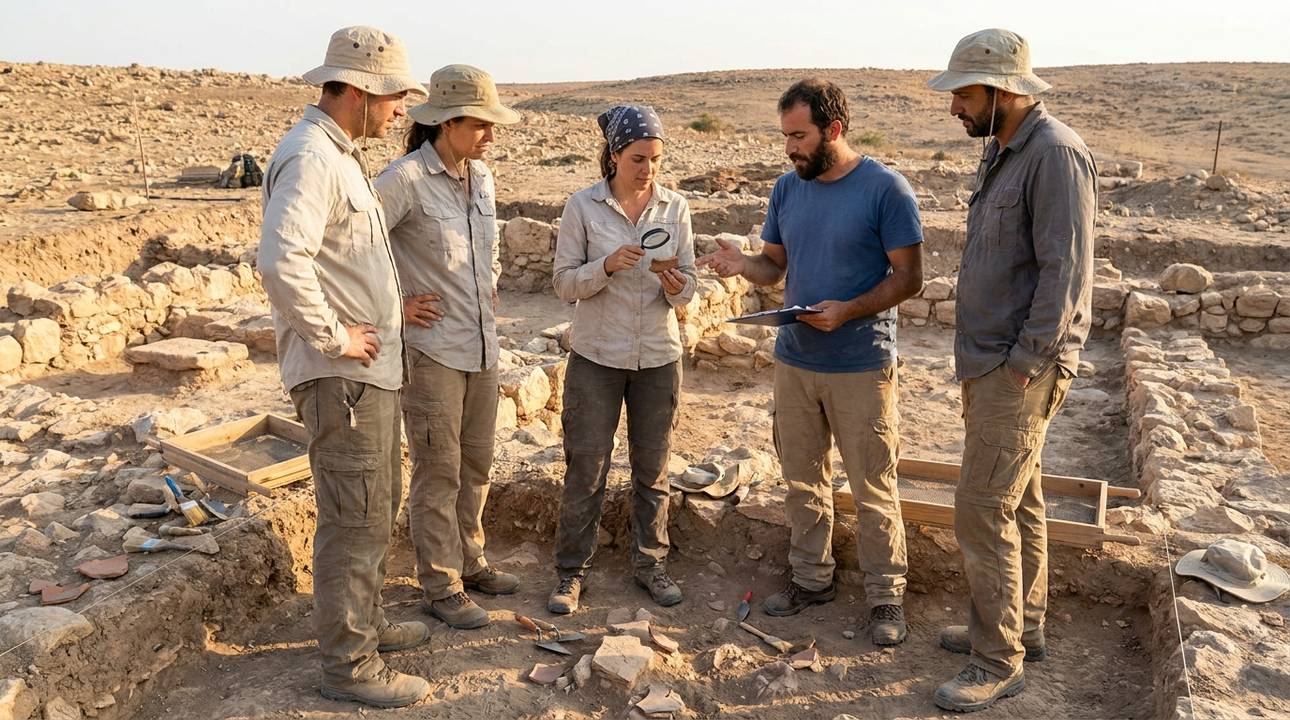
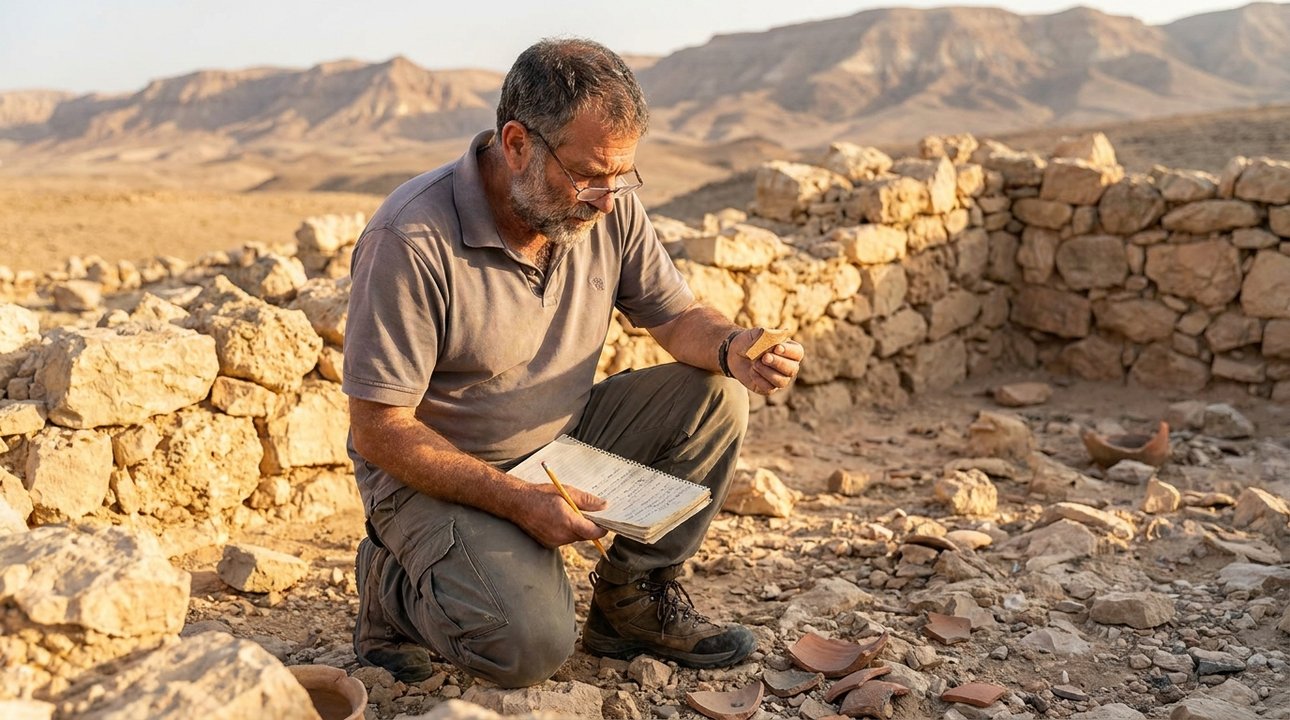
Current archaeological efforts aim to uncover more about the cultural and daily life at Shittim. Excavations in the region have revealed pottery shards and other artifacts that date back to the Late Bronze Age.
These endeavors are crucial for piecing together the historical context in which the Israelite events occurred. Each artifact provides a glimpse into life during those times, offering tangible connections to the stories found in historical texts.
Archaeologists are particularly interested in understanding the social structure and economic activities of the people who lived in Shittim. This area is mentioned as the final encampment of the Israelites before crossing the Jordan River.
By studying the remains found at the site, researchers hope to gain insights into the daily lives of the Israelites, including their practices and interactions with neighboring cultures.
Shittim in Present-Day Understandings
Today, the region where Shittim is believed to have existed continues to intrigue historians and scholars. Its exact location remains debated, with some suggesting it lies near modern-day Jordan.
Research continues to illuminate the significance of this site and its role in heritage. Archaeologists have been exploring the area, hoping to uncover artifacts that can provide more insights into the life and times of the Israelites during their encampment.
The search for Shittim’s location is not just an academic pursuit but a quest to connect with the past. The site holds a special place in history, symbolizing both a physical and spiritual journey. As scholars piece together clues, they hope to better understand the cultural and historical context of this pivotal location.
Despite the uncertainties surrounding its precise location, Shittim remains a symbol of preparation and transition. It offers a poignant reminder of the narrative and its enduring impact.
Shittim remains a topic of interest for those exploring ancient journeys. As a place where the Israelites paused before entering new lands, it represents the threshold between wandering and fulfillment, a theme that resonates with many seeking growth.
The significance of Shittim goes beyond its geographical mystery. It is a place where the Israelites experienced both challenges and triumphs, as seen in Numbers 25, where they faced moral tests.
This duality of preparation and trial makes Shittim a powerful symbol in the Jewish tradition. It reminds us of the importance of readiness and the lessons learned from past experiences, serving as a guide for future generations.
Cultural Role of Shittim
Shittim occupies a significant place in cultural and religious discussions. It is often referenced as a point of reflection in Jewish teachings, symbolizing the challenges and growth that accompany any significant transition.
This cultural memory preserves its relevance across generations.
The narratives surrounding Shittim emphasize themes of repentance, renewal, and readiness, forming a collective identity rooted in tradition. This connection reinforces its importance beyond mere geography.
As a result, Shittim is cherished for its educational value. The Israelites faced a crisis that led to a renewed commitment, illustrating its role as a place of transformation and growth.
Shittim’s role in the narrative is multifaceted, encompassing both physical and spiritual journeys. It stands as a sign of the determination and perseverance of the Israelites. By reflecting on the events that took place there, we gain insights into the enduring values that continue to shape identity. Shittim serves as a reminder of the power of renewal and the ongoing journey toward fulfillment.
Understanding Shittim