
Discovering the History of Wadi Gharandel


Wadi Gharandel holds a unique place in historical narratives as a site associated with ancient travels. Located in the Sinai, it is considered an oasis that provided essential respite for travelers. The Sinai region is often depicted as a place of significant challenges and revelations.
With its life-sustaining waters, this location may have served as a critical stop for travelers during their journeys.
This connection is reminiscent of historical accounts where travelers find an oasis with natural resources. Such descriptions highlight the importance of these natural havens in providing sustenance and relief during difficult journeys.
Wadi Gharandel’s role as a potential site of refuge underscores its significance in the broader narrative of historical geography and the enduring stories of survival and adaptation in the desert.
from the Western Wall to Masada.
What Is Wadi Gharandel?
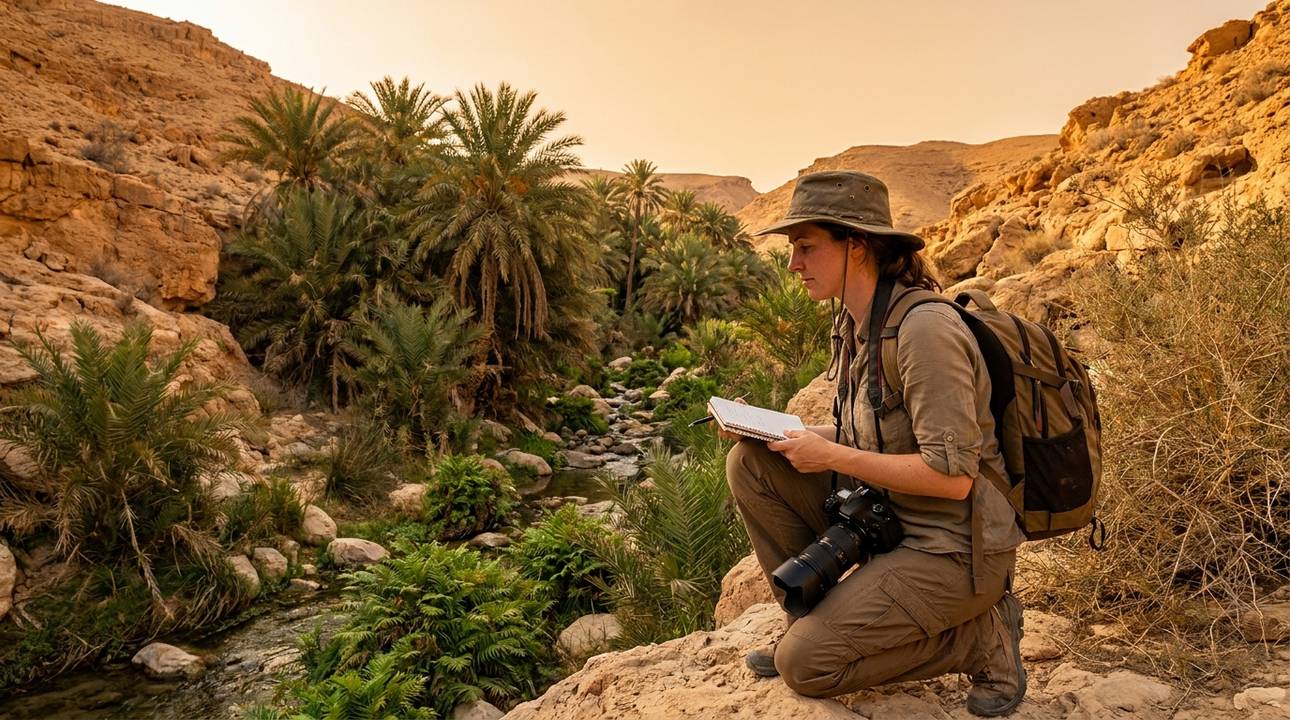
Wadi Gharandel is a lush oasis in the Sinai Peninsula, thought to have been a key resting place for historical travelers. Its name comes from the Arabic word ‘wadi’, meaning valley, combined with ‘Gharandel’, though the exact origin of the second part is less clear to historians. This rare landscape of greenery amid the arid surroundings made it a practical stop for those journeying across the desert. Its significance stems from ancient accounts that reference stops at similar locations during historical journeys. Today, this area is part of Egypt, showcasing a mix of history through its unique natural features.
Historical Connections of Wadi Gharandel
In historical narratives, Wadi Gharandel is closely linked to the journey of travelers as they moved through the Sinai desert. While not explicitly named in historical texts, its strategic location and characteristics align with descriptions of places where ancient travelers found water and rest.
Some scholars suggest it could correspond with sites like Elim, mentioned in historical accounts, where water and palm trees provided relief. These associations lend it a narrative of refuge, underscoring its potential as a site of refuge in the harsh desert.
However, detailed identification remains speculative, with ongoing discussions among historians and archaeologists regarding its exact historical identity.
Wadi Gharandel and Ancient Travel
Wadi Gharandel’s position in the Sinai made it an essential waypoint for caravans and travelers. Its fresh water sources were crucial for sustaining life amid long stretches of barren terrain. The presence of natural springs facilitated trade and communication routes in historical contexts.
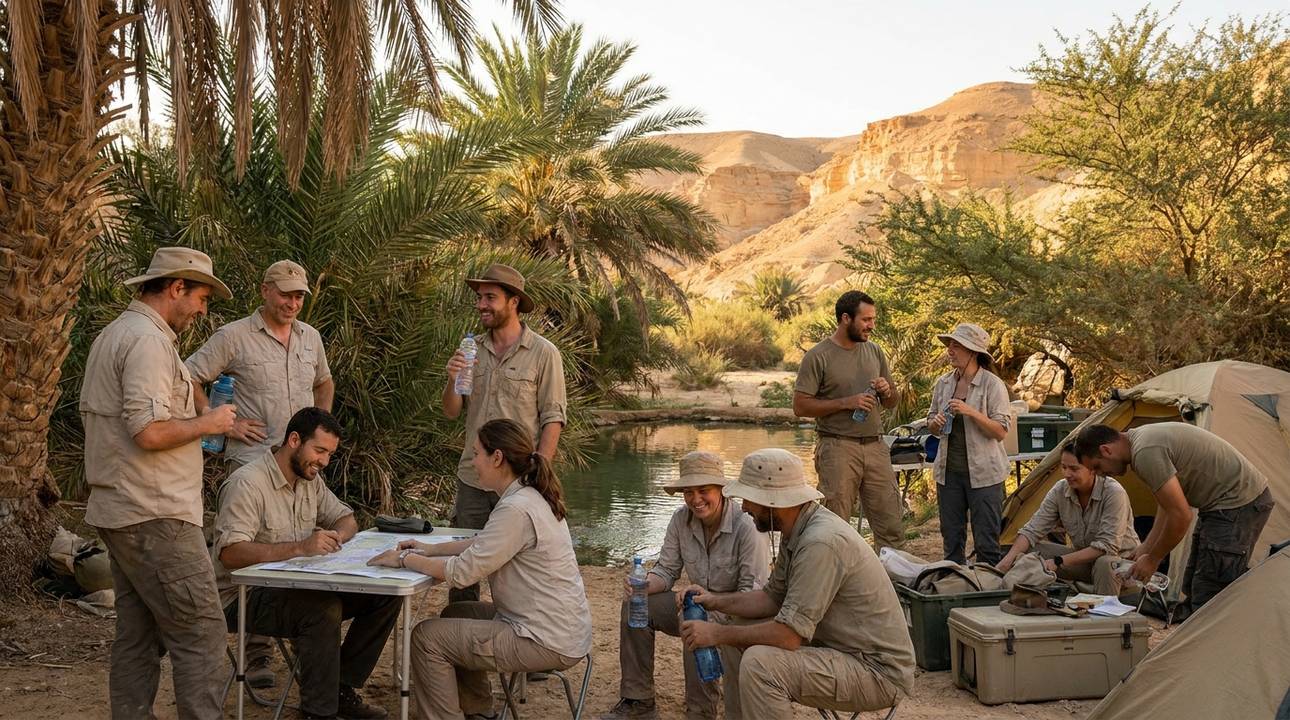
Travelers from tribes and nomadic groups would frequently stop here. Such oases were vital not just for survival but also for economic exchanges and cultural interactions.
The strategic location of Wadi Gharandel allowed it to serve as a hub for trade, where goods and ideas could be exchanged among different cultures. This role in facilitating communication and commerce underscores the importance of oases in ancient societies. The significance of such sites is reflected in their ability to sustain life and foster connections across vast and challenging landscapes, contributing to the mix of human history in the region.
The region’s history of hospitality and commerce is still remembered through interest in its past role as a sanctuary of life amid challenging surroundings. In historical times, similar oases provided refuge and resources, akin to travelers’ experiences during their desert wanderings. The site offered a much-needed respite.
This oasis provided not only water but also a moment of rest and recovery during their arduous journey. Such locations were vital for sustaining life and facilitating trade and communication among ancient travelers.
The importance of these oases is reflected in their role as hubs of interaction and exchange, where diverse cultures and peoples could meet and share resources, stories, and traditions.
Modern Understanding of Wadi Gharandel
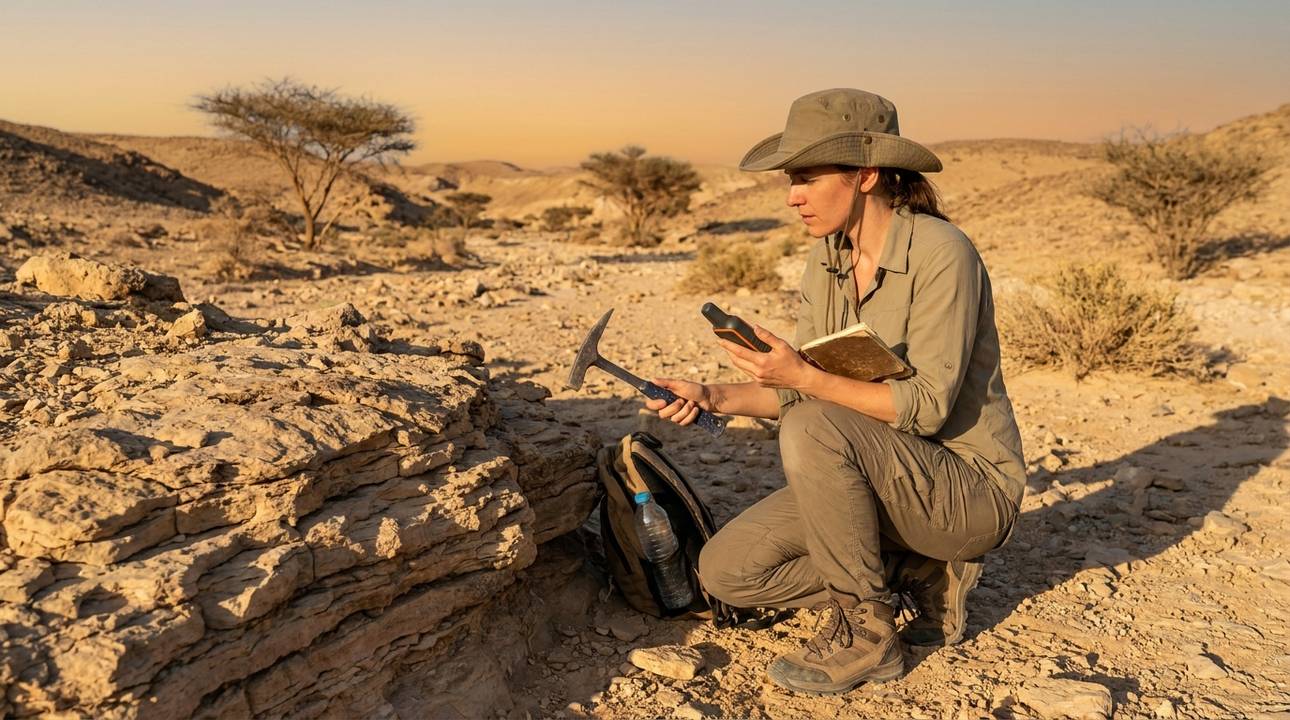
Today, Wadi Gharandel is acknowledged as a site of environmental and historical interest. While modern studies strive to uncover more of its past, its natural beauty remains a sign of its role throughout history. Modern visitors see it as a peaceful example of nature’s endurance in the desert. Scholars continue to explore its connections with ancient texts, seeking to understand its place in the broader narrative of historical geography.
The potential link to historical sites adds to its intrigue and significance. This connection invites further exploration into the historical and cultural contexts of the region. Ongoing research and interest highlight the enduring fascination with sites that bridge ancient narratives with contemporary appreciation, showing the adaptability of both nature and human communities.
While not a typical tourist destination, Wadi Gharandel offers insights into the natural landscapes that shaped historical narratives and cultural exchanges. Its role in historical times is a focus of study, drawing parallels with travelers’ journeys. This exploration enriches our understanding of its history.
This description suggests a lush and welcoming environment, a stark contrast to the surrounding desert. Such oases were crucial waypoints for travelers, offering not only physical sustenance but also a psychological reprieve.
The study of Wadi Gharandel and its possible identification with Elim provides valuable insights into the logistics of ancient travel and the strategic importance of such locations in sustaining life and facilitating cultural exchanges.
Cultural Role of Wadi Gharandel
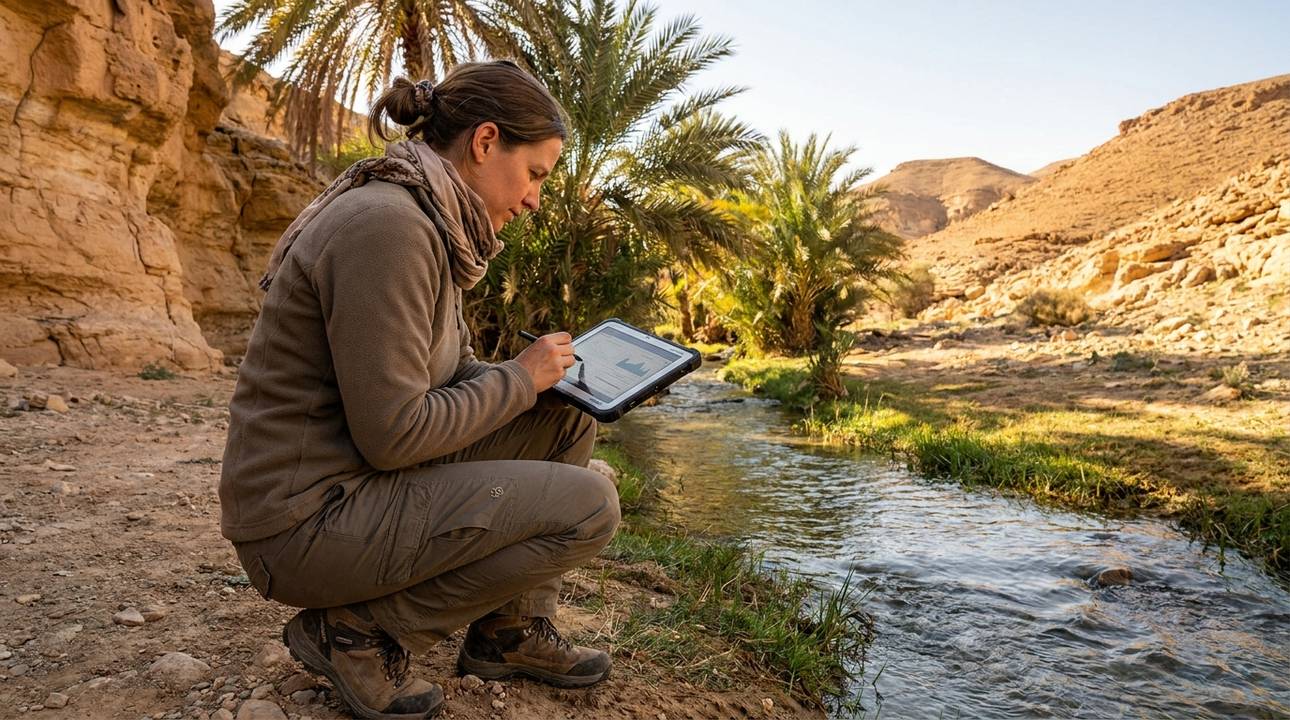
Beyond its historical associations, Wadi Gharandel is a symbol of survival and community. It provided a key location for gatherings, helping establish trade networks and cultural exchanges across regions. Such sites empowered communication across groups inhabiting the desert, fostering a rich interchange of stories, commodities, and traditions.
Understanding this cultural backdrop adds depth to its historical allure.
The role of oases like Wadi Gharandel in promoting connectivity and refuge is highlighted in many historical studies. These discussions remind us of the draw such places had for ancient travelers and traders alike.
Its strategic location and abundant resources made it an essential waypoint, facilitating not only survival but also the exchange of ideas and goods across diverse cultures and communities.
Wadi Gharandel in Archaeological Studies
Archaeological interest in Wadi Gharandel continues to grow as findings shed light on life in ancient Sinai. Excavations reveal elements of trade and settlement, painting a picture of the oasis as a dynamic part of the desert. Artifacts found in the area reflect a blend of influences, illustrating the crossroads-like nature of the region.
Scholars aim to establish clearer historical timelines and understand the technological advancements associated with such settlements.
from the Western Wall to Masada.
The diverse artifacts uncovered provide insights into the cultural and economic interactions that took place there. These findings contribute to our understanding of the region’s role as a hub of activity and exchange.
The ongoing archaeological work at the oasis helps piece together the complex history of the Sinai, revealing the ways in which ancient peoples adapted to and thrived in this challenging environment.
These ongoing studies contribute to a broader comprehension of how oases like Wadi Gharandel supported life, trade, and journeys in historical contexts. The discoveries align with historical accounts of desert life, where water sources were crucial for survival and community life.
This event underscores the significance of water in desert survival, a theme that resonates with the historical role of Wadi Gharandel. The oasis may have served as a similar lifeline, offering refuge and sustenance to those traversing the harsh Sinai landscape.
Such historical parallels enhance our understanding of the region’s importance, not only in narratives but also in the broader context of ancient trade and travel routes.
Stories and Traditions of Wadi Gharandel
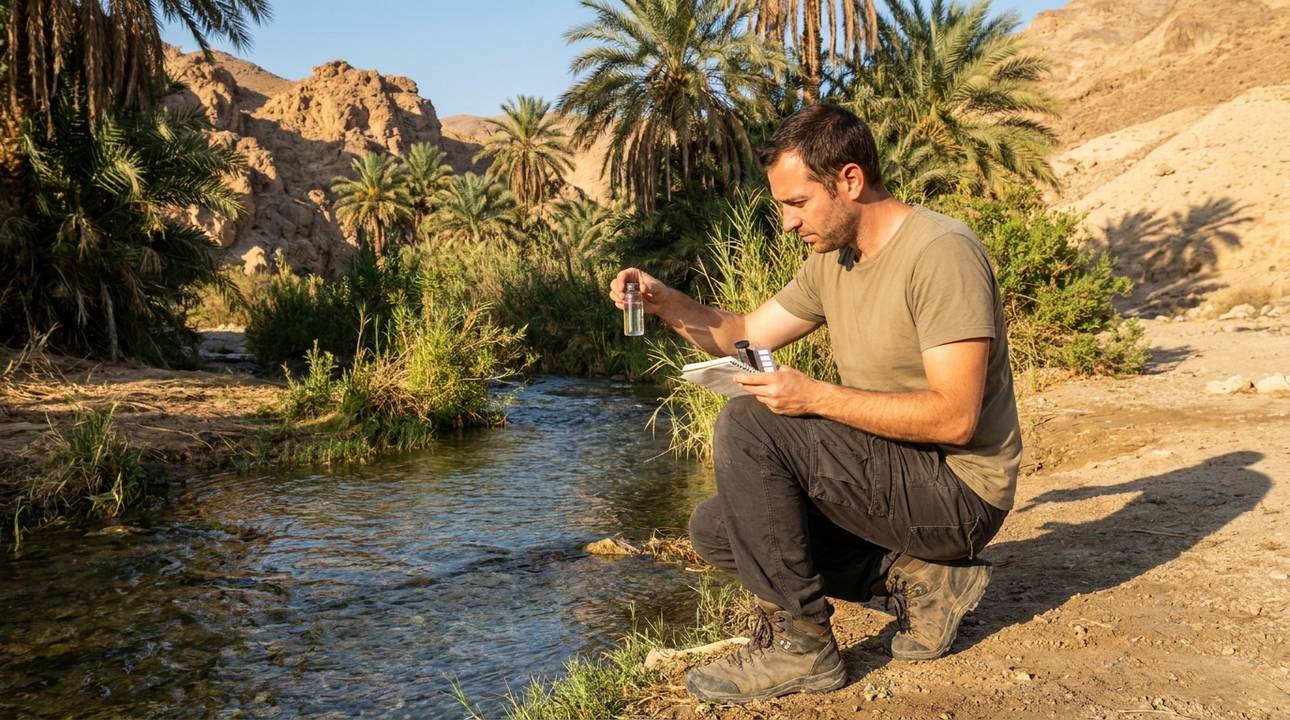
The lore surrounding Wadi Gharandel is filled with tales of survival and hope. For many, it symbolizes the possibility of thriving even in inhospitable conditions, creating a narrative that pulls from natural, economic, and cultural threads. The continued discovery of these stories enriches our understanding of the relationship between nature and human resilience.
This link remains a compelling aspect of the historical accounts surrounding the oasis.
The oasis has been a focal point for narratives of endurance, much like historical accounts of desert journeys. These stories highlight the ingenuity and resourcefulness required to survive in such challenging environments. The historical and cultural role of Wadi Gharandel is reflected in its role as a sanctuary and meeting point for diverse groups, facilitating trade and cultural exchange across the Sinai region.
Recognizing these stories helps preserve the cultural memory associated with the site, bridging the past with contemporary understanding and appreciation. The oasis is a sign of human adaptability, much like stories of survival in the desert, where challenges were faced yet sustenance was found.
This narrative highlights the theme of provision and survival in harsh conditions, a theme mirrored in the existence of oases like Wadi Gharandel. These stories of adaptation are still remembered in modern interpretations of historical sites. The oasis stands as a symbol of hope and endurance, reminding us of the human spirit in the face of adversity and the importance of preserving such cultural and historical narratives.
Conclusion: the Legacy of Wadi Gharandel
Wadi Gharandel represents a profound connection to past journeys and reflections in the Sinai region. Its accessible waters have nurtured both physical survival and cultural exchanges for centuries. Today, it stands as a reminder of the deep historical narratives woven into its landscape.
This site provided much-needed rest and refreshment, symbolizing hope and renewal in a harsh environment. The historical and cultural role of Wadi Gharandel is reflected in its role as a sanctuary and meeting point for diverse groups. The oasis facilitated trade and cultural exchange, highlighting its importance in the broader context of ancient travel and communication routes across the Sinai region.
While modern research continues, the oasis invites stories of endurance to unfold anew. Through Lev Haolam, you can explore such meaningful landscapes of the past. The ongoing exploration of Wadi Gharandel’s history helps preserve its cultural role, bridging ancient narratives with contemporary appreciation.
This connection fosters an understanding of how past and present intertwine in the landscapes of the region. The stories and history of Wadi Gharandel offer a glimpse into the adaptability of human communities in the face of adversity. Studying and appreciating such sites allows us to honor and learn from the heritage that continues to shape our world today.
Understanding Wadi Gharandel
