
Uncovering Akeldama: Historical Site and Present Context


Akeldama, meaning ‘Field of Blood,’ is a place of significant historical interest. Known as the area where Judas Iscariot met his infamous end, it raises curiosity about its current state and archaeological importance. Through this exploration, we will dive into Akeldama’s history, exploring its historical and cultural context as well as its presence today. Mentioned in historical texts, this location highlights its enduring relevance in history.
What Is Akeldama’s Historical Background?
Akeldama, also known as the ‘Field of Blood,’ derives its name from a pivotal moment in historical accounts. According to historical texts, it marks the place where Judas Iscariot, following his betrayal, met his tragic end.
This event left a lasting mark, embedding the location deeply into historical traditions. The historical texts specifically refer to this field, noting its enduring relevance, which continues to intrigue scholars and visitors alike.
from the Western Wall to Masada.

Where Is Akeldama Located Today?
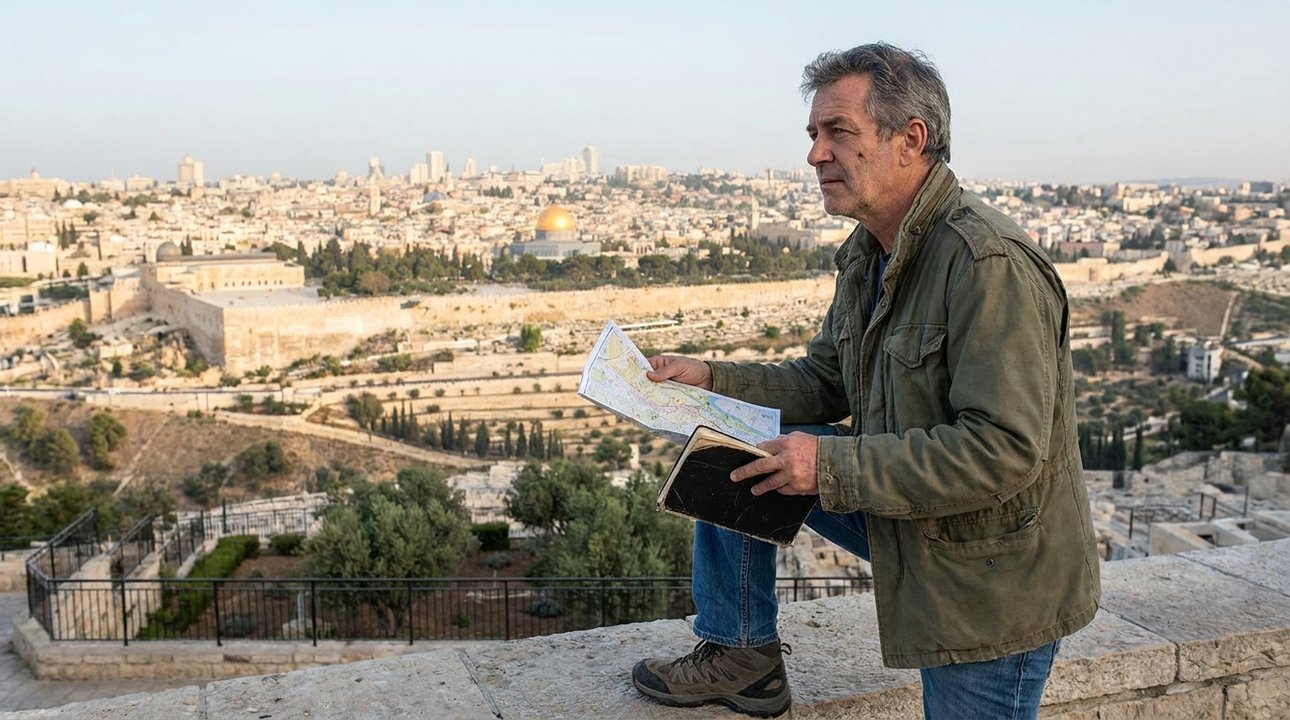
Today, Akeldama is situated in the modern day Jerusalem, near the Hinnom Valley. This location provides unique archaeological interest due to its layered history.
Within Jerusalem’s southern borders, Akeldama is not far from the Old City, revealing remnants of historical practices that dominated the region. The proximity to significant historical sites like the City of David adds to its appeal for those interested in archaeology.
The Hinnom Valley provides a backdrop that enriches the historical context of Akeldama. This valley was historically associated with the worship of the deity Moloch, where children were sacrificed.
Visitors often find themselves contemplating the area’s complex past and its role in the broader narrative of Jerusalem’s history, reflecting on the transformation from a place of judgment to one of historical reflection.
Contemporary visitors to Jerusalem can find Akeldama near the confluence of cultural and historical narratives. Despite its urban surroundings, it remains a poignant reminder of its storied connections.
Located near the Hinnom Valley, Akeldama is mentioned in historical texts as a burial place purchased with silver. This historical context adds depth to its modern-day relevance, attracting scholars and tourists alike.
Surrounded by other significant landmarks, such as the Mount of Olives and the Garden of Gethsemane, this area is integral to understanding the broader historical and religious landscape of Jerusalem. The Mount of Olives, for example, is a key location in Jewish eschatology.
Visitors often find themselves reflecting on the narratives that have shaped this land over millennia, considering the spiritual and historical connections between these sites.
The Archaeological Significance of Akeldama
Archaeological findings at Akeldama have provided a window into the burial customs and life during the Second Temple period. Excavations have revealed tombs, ossuaries, and artifacts that reflect the multicultural influences of the region.
These discoveries offer valuable insights into the ancient inhabitants and the impact of historical events on local customs. The ossuaries, often inscribed with names, provide clues about the familial and social structures of the time.
Akeldama serves as a bridge to understanding the spiritual and everyday lives of those who lived during historical times. Each finding contributes to a broader knowledge of the area’s significance throughout history.
Archaeological excavations have uncovered tombs dating back to the Second Temple period, providing a glimpse into ancient burial customs. These discoveries help historians piece together the daily lives of people from that era, enriching our understanding of their culture and beliefs.
Artifacts found at Akeldama, such as pottery and inscriptions, offer clues about the trade and communication networks that existed at the time. Pottery shards discovered here date back to the Second Temple period, reflecting the craftsmanship and daily life of the region’s inhabitants.
Inscriptions in various languages, including Aramaic and Greek, indicate the diverse cultural influences present in the area. This site, therefore, not only sheds light on religious practices but also on the socio-economic dynamics of the region.

Akeldama in Cultural Memory
In cultural and religious memory, Akeldama remains synonymous with betrayal and redemption. References to this area appear in literature and art, encapsulating themes of moral and ethical introspection.
It often evokes dialogue on human decisions and their far-reaching impacts, underscoring its enduring narrative in cultural contexts. Artists and writers have drawn inspiration from its story, exploring themes of justice and consequences in their works.
from the Western Wall to Masada.
Akeldama’s story is referenced in various literary works, including those by famous authors who have used its themes to explore the complexities of human nature. For instance, Dante Alighieri’s “Divine Comedy” alludes to similar themes of betrayal and redemption. Its presence in art and literature serves as a sign of its lasting influence on cultural expressions and moral reflections, inspiring artists like Rembrandt and writers like T.S. Eliot.

The Present-Day Akeldama and Its Relevance
Although now nestled within a bustling city, the essence of Akeldama as a historical site maintains its relevance. It stands as a sign of the meeting of historical practices with modern existence. Current efforts in preservation and archaeological study continue to unfold stories hidden within its grounds, connecting past events with today’s scholarly pursuits. These efforts ensure that Akeldama’s history is not lost amid the urban landscape.
While primarily an academic focus, Akeldama attracts those with interest in historical studies and its living remnants. Its blend of history and location provides a rich tapestry for exploration and reflection. The name Akeldama, meaning “Field of Blood,” is mentioned in historical texts in connection with the purchase of a potter’s field. This site, located in the Hinnom Valley, has been a subject of study for archaeologists and historians alike, showing ancient burial practices.
The area is also referenced in the context of the Babylonian exile, highlighting its history as a place of burial for foreigners. During the exile, many Jews were taken to Babylon, and the land was left desolate, affecting burial customs. Akeldama’s proximity to Jerusalem makes it a convenient location for those interested in exploring the intersection of history and modern urban life, providing insights into how past events shaped the city’s development.

Akeldama – A Space of Reflection
Akeldama embodies more than its historical components; it is a place of reflection on human choices and their consequences, resonating beyond its tangible artifacts.
Today, as scholars and enthusiasts engage with its story, the field continues to invite reflections on forgiveness, loss, and the complexity of human nature. Its association with betrayal serves as a powerful reminder of the moral dilemmas faced by individuals throughout history.
The narratives surrounding Akeldama encourage visitors to ponder themes of redemption and the impact of decisions on future generations. This reflective quality makes it a unique destination for those seeking to connect with the ethical and philosophical questions posed by ancient texts.
Often associated with the story of Judas Iscariot, whose actions led to his demise, this location prompts visitors to consider the consequences of betrayal and forgiveness.
Future explorations and studies at Akeldama promise to enhance our understanding of ancient societies. By preserving this area, a new generation can access a direct link to past narratives that shaped cultural and historical landscapes.
Ongoing archaeological projects aim to uncover more about its role in the broader context of Jerusalem’s history. These efforts are crucial for preserving the cultural heritage of the region and ensuring that its stories continue to be told.
As technology advances, new methods such as ground-penetrating radar and 3D modeling are being employed to explore Akeldama without disturbing its delicate structures. These innovations hold the potential to reveal hidden aspects, offering fresh perspectives on its history. Researchers hope to uncover more about the burial practices and daily life of those who once inhabited the area, enhancing our understanding of the region.
Frequently Asked Questions about Akeldama
