
Understanding the Significance of Gilead in the Bible


Gilead, a region frequently mentioned in ancient texts, is known for its rich narrative and historical depth. Situated east of the Jordan River, it extends from the area near the Sea of Galilee down to the Dead Sea. This geographical location made it a significant hub for trade and agriculture. The lush landscapes and fertile soil of this area contributed to its prominence in historical stories. It played a vital role in various events, such as the battles led by the tribes of Israel. For instance, Jephthah leads the Israelites to victory over the Ammonites, underscoring the strategic importance of this region.
Historical texts often highlight the strategic importance of Gilead, particularly regarding the tribes of Gad and Manasseh, who settled there. References to this area can be found where it serves as a meeting place for Jacob and Laban. This encounter is significant as it marks the resolution of tensions between them, with a covenant made in this region. Its historical and cultural role is woven into the fabric of history, making it a place of enduring interest. It is also mentioned as a site of conflict and refuge.
from the Western Wall to Masada.
What Is Gilead in the Bible?
Gilead, part of the territory given to the descendants of Manasseh, is known for its mountainous terrain and rich resources, serving as a backdrop for many stories.
The children of Machir, son of Manasseh, capture and settle in the area. It provided shelter for figures such as Elijah and was known for the healing balm mentioned in historical texts.
Its location and resources made it a strategic and significant area historically. The stories of Elijah, who found refuge here, underscore its role as a place of safety and intervention.
Geographic Location of Gilead
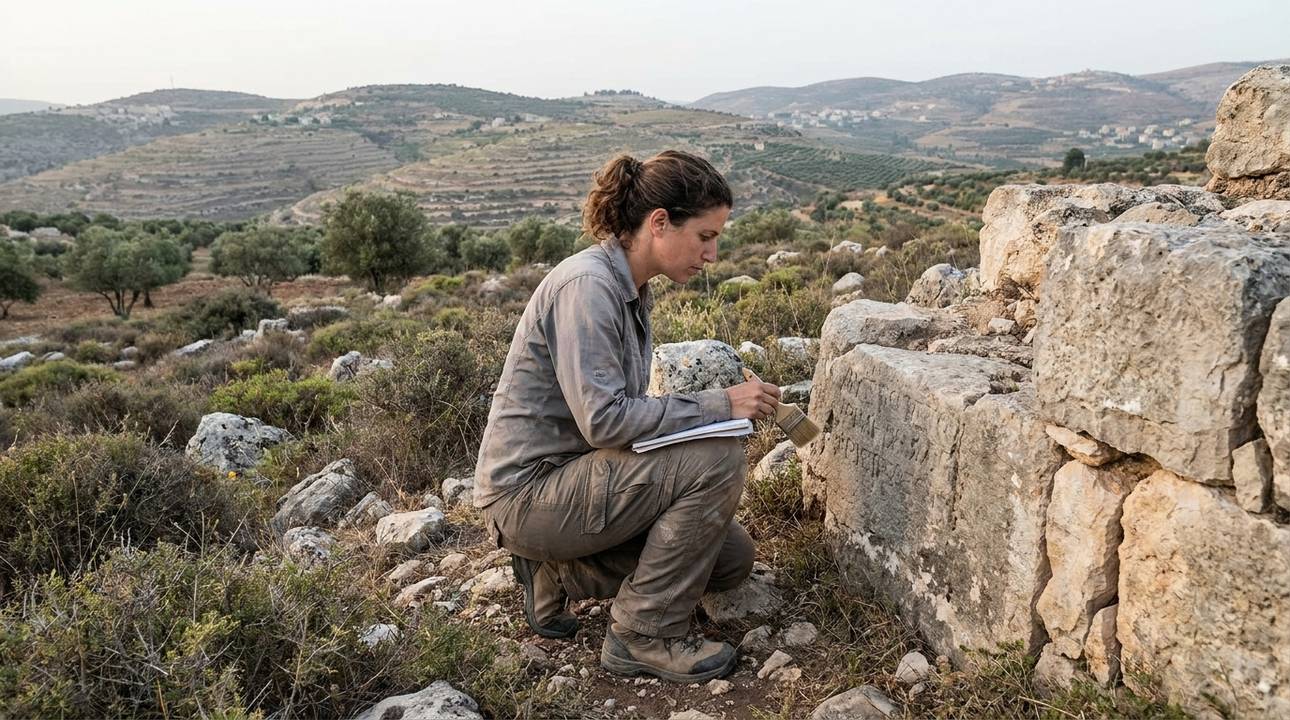
Situated east of the Jordan River, Gilead stretches from the northern region of the Sea of Galilee to the Dead Sea. This area is known for its hilly terrain and fertile land, which made it ideal for agriculture.
The territory was divided among the tribes of Gad and Manasseh, contributing to its prominence in historical narratives. The division of land among these tribes is detailed where they request to settle here due to its suitability for livestock.
This division reflects the practical needs of the tribes and their reliance on the land’s resources.
Gilead’s strategic location made it a vital area for trade routes connecting different parts of the ancient Near East. Its fertile land supported the cultivation of crops and livestock, providing sustenance and economic stability for its inhabitants. Traders passing through highlight its role in commerce. The history of this region is further emphasized in the stories of the prophets and leaders who emerged from here, shaping the course of Israel’s history. It was a hub of activity and influence. The area’s resources and position made it a focal point for trade and cultural exchange.
Gilead’s Role in Historical Stories
Gilead plays a significant role in the stories of several historical figures. Elijah, for instance, hailed from this region and performed notable acts here. Elijah is first introduced where he declares a drought in Israel, showcasing his deep connection to Gilead.
Its prominence is further evident in the tale of Jephthah, where Gilead serves as his place of origin and where he leads the Israelites to victory against the Ammonites. These stories highlight its historical importance.
Jephthah’s story highlights the region’s importance as a center for leadership and military strategy. His vow and subsequent victory illustrate Gilead’s role as a place of intervention and guidance. Jephthah’s victory over the Ammonites is detailed in historical texts. The region’s association with these powerful narratives underscores its role as a backdrop for pivotal moments in Israel’s history, cementing its place in the shared history of the Jewish people. Gilead was a place of both conflict and resolution. The stories of Jephthah and other leaders reflect the region’s legacy.
from the Western Wall to Masada.
The Balm of Gilead
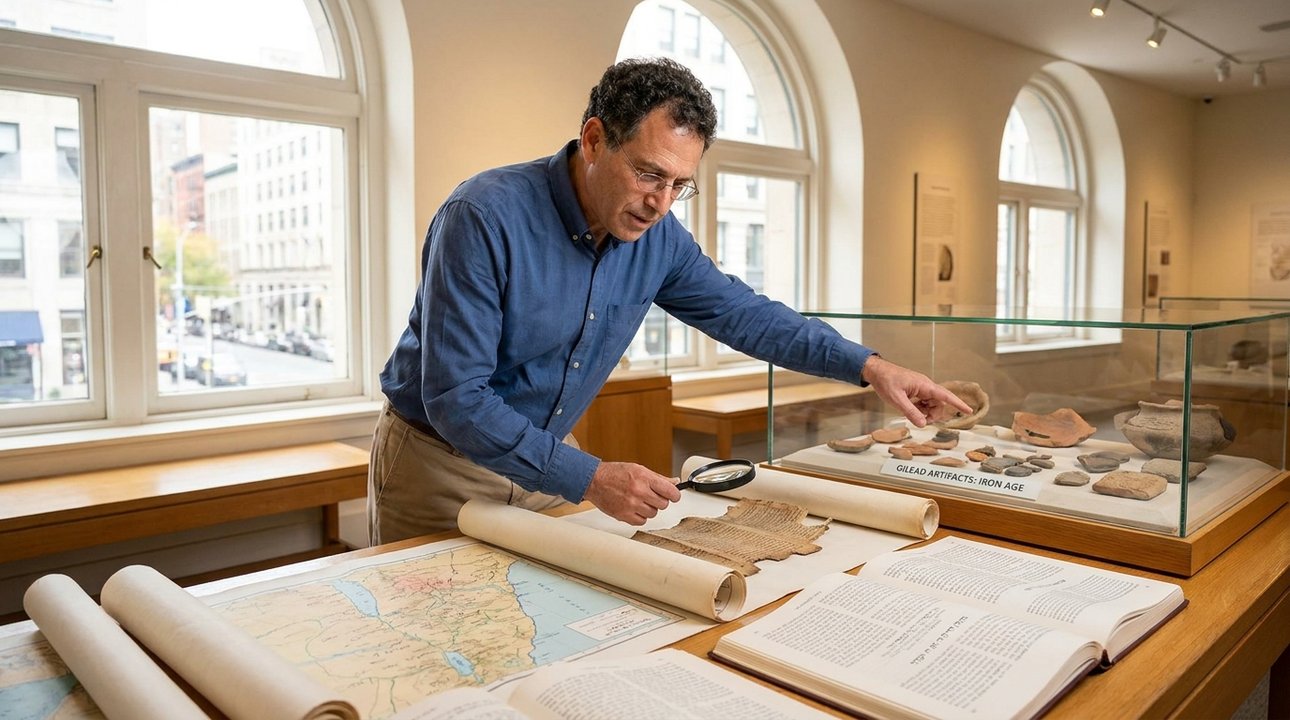
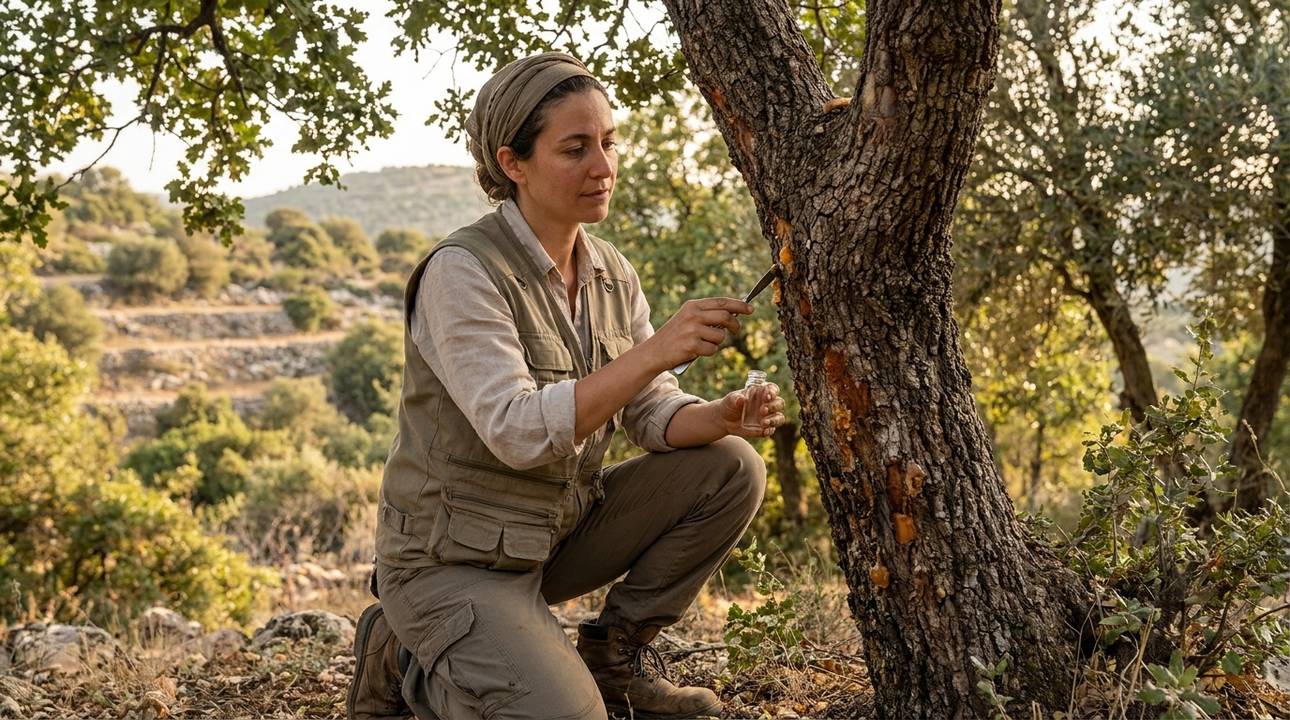
One of the most famous references to Gilead is the mention of the ‘balm of Gilead.’ This valuable ointment was prized for its healing properties and symbolizes relief and healing in metaphor. This rhetorical question captures the yearning for hope and healing among the people. The balm became emblematic of restoration across texts, representing a source of comfort and renewal. It is a lasting symbol of solace and repair. Additionally, traders carrying this balm highlight its economic and cultural role.
The balm of Gilead is mentioned where traders carry it as a valuable commodity. Its significance extends beyond physical healing, symbolizing restoration.
This balm, likely derived from resinous trees, was highly sought after for its soothing properties. The enduring image of the balm continues to resonate in cultural contexts, serving as a metaphor for the healing power of community support.
It is also referred to in other texts, highlighting its importance. The balm’s reputation as a source of comfort and healing persists in cultural memory.
Gilead in Jewish Tradition
In Jewish tradition, Gilead is often remembered for its association with Elijah and its importance in battles fought by the tribes of Israel. The deep valleys and strongholds of this region provided refuge and strategic advantages in times of conflict, as seen in the stories of the Judges.
Its importance is reflected in various Jewish writings and prayers, highlighting its enduring place in cultural memory. The Talmud also references it, emphasizing its significance in Jewish thought and tradition. Its legacy is woven into the fabric of Jewish history.
The role of this area in these narratives underscores its lasting impact on Jewish heritage.
The geographical features of Gilead, such as its rugged hills and fertile valleys, made it a natural fortress and a place of sustenance for the tribes. This strategic advantage is evident in the accounts of battles and settlements throughout historical narratives.
For instance, Jephthah leads the Israelites to victory over the Ammonites from Gilead. The region’s legacy continues to be celebrated in Jewish history and culture, serving as a symbol of strength and providence. Its terrain offered both protection and resources.
The stories of battles and leadership in Gilead highlight its importance in the historical era.
Gilead Today
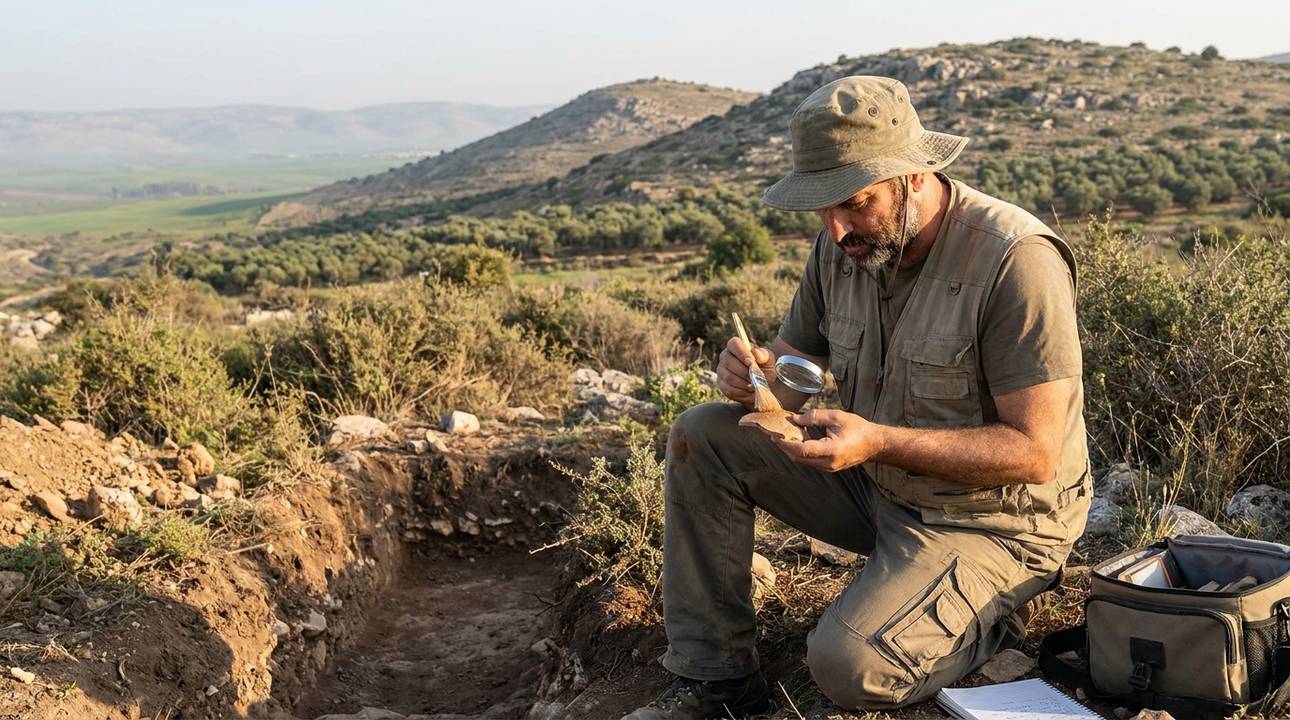
Today, the area once known as Gilead is primarily located in modern-day Jordan. Explorations have revealed archeological sites that shed light on its past. Artifacts and ruins provide insights into the lives of those who once inhabited this land. Though it remains a place of interest for historical studies, it is understood more through its historical and cultural role than as a physical site. This shift emphasizes the symbolic role it plays in cultural narratives. The legacy of this region in Jewish history is still remembered and educates.
Gilead in Historical Context
