
Discovering Gomer: From Bible Times to Today
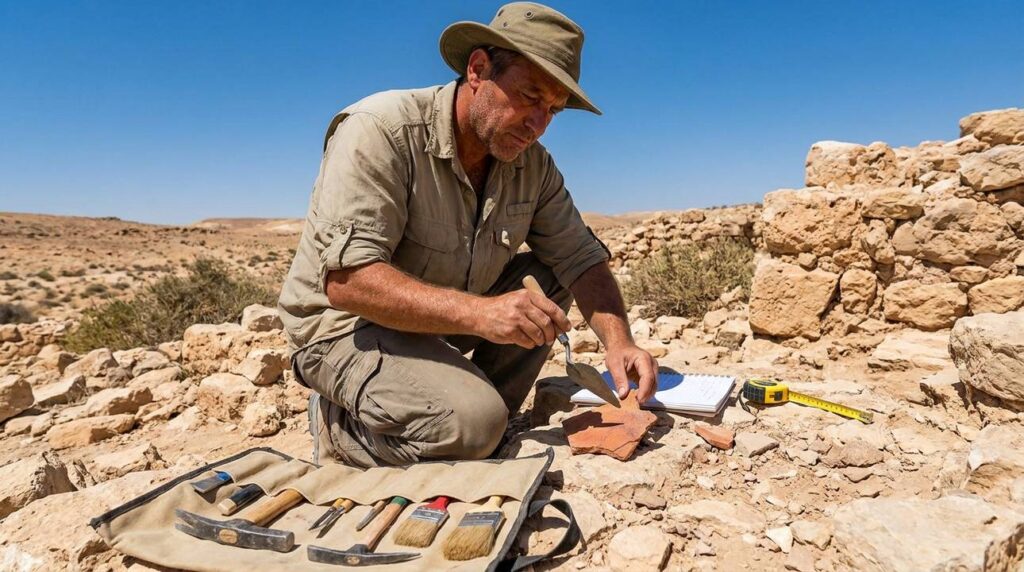

Where is Gomer today? This question leads us to explore a place from ancient texts whose exact location continues to intrigue scholars. Gomer is first mentioned in historical records as the son of Japheth, one of Noah’s sons.
This places Gomer in the Table of Nations, a genealogical record of the descendants of Noah’s sons. Gomer’s descendants are linked to regions that may correspond to parts of modern-day Europe and Asia.
In this article, we’ll trace Gomer through historical context and what it represents today.
Gomer appears in ancient texts, listed among nations aligning against Israel. Scholars debate whether this refers to a historical group or symbolizes foreign powers. The ambiguity of Gomer’s location and identity adds intrigue, sparking ongoing research among historians.
This debate reflects the complexity of interpreting ancient texts, where symbolic representations often intertwine with historical realities, enriching our understanding of narratives and their implications for ancient geopolitical landscapes.
from the Western Wall to Masada.

What Is Gomer in the Bible?
Gomer appears in historical records as a descendant of Noah. Identified as the eldest son of Japheth, Gomer is the patriarch of various peoples. The text mentions his sons, Ashkenaz, Riphath, and Togarmah, suggesting a branching of tribes and cultures.
Gomer’s name became associated with ancient groups north of Israel. Some scholars link the name to the Cimmerians, a people who once roamed regions of what is now Turkey and the Black Sea. This connection provides a historical anchor to understand Gomer’s potential earthly counterparts.
Gomer’s Geography and Historical Context
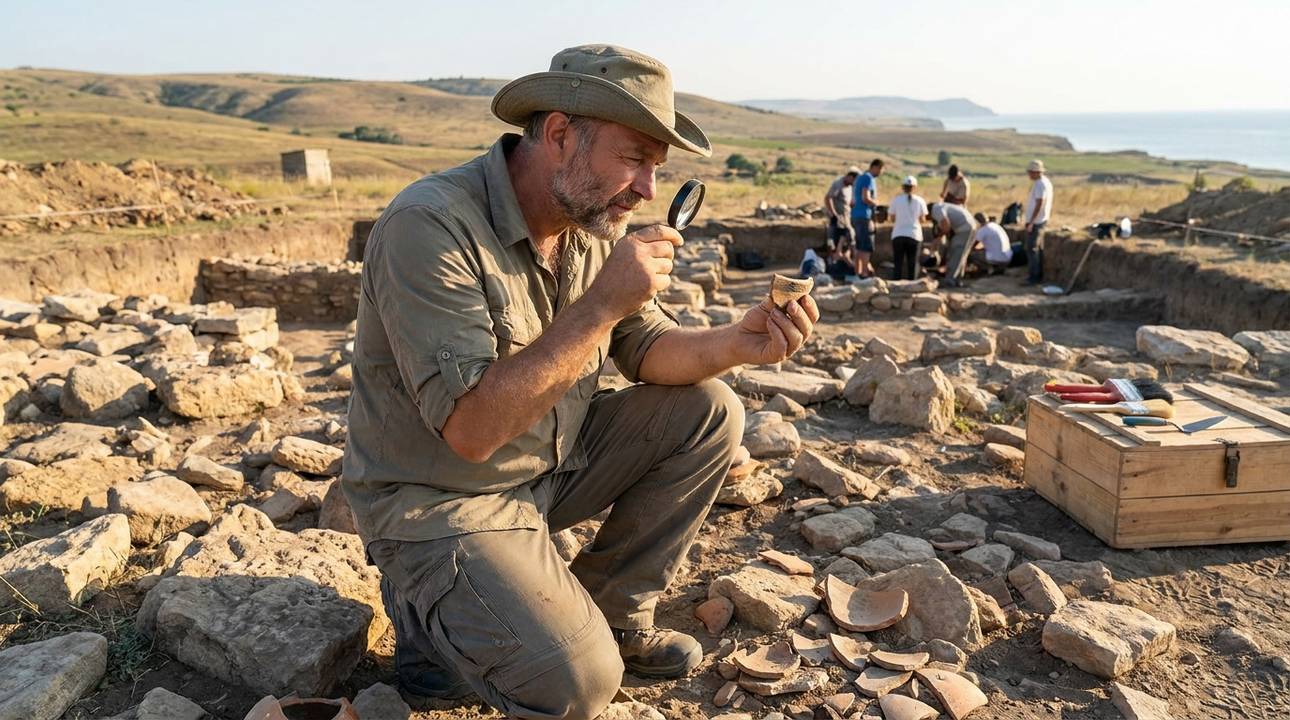
The geographical location of ancient Gomer remains uncertain. Historical accounts suggest Gomer’s descendants spread over areas crucial for trade and cultural exchanges, including lands around the Black Sea and Asia Minor.
This influence is seen in cultural artifacts and literature from these regions.
The blending of civilizations underscores Gomer’s potential impact on history and trade, illustrating the interconnectedness of ancient societies through commerce and cultural dialogue, as evidenced by the exchange of goods and ideas.
Cultural Role of Gomer’s Name
In linguistic studies, Gomer’s name has intriguing potential meanings. While its precise etymology is debated, some suggest roots connected to ‘completion’ or ‘perfection’.
These interpretations offer insights into how Gomer was perceived in ancient narratives, as the progenitor of tribes that branched and spread.
Linguistic reflections enhance our understanding of Gomer’s role in genealogy, illustrating the importance of names in cultural identity.
The name Gomer appears in several historical contexts, each potentially reflecting characteristics attributed to his descendants. Gomer is listed as the son of Japheth, alongside his sons Ashkenaz, Riphath, and Togarmah. Names in historical texts often embody qualities or destinies, adding layers to genealogical records. This linguistic analysis helps scholars understand the cultural and history of figures, showing how these names shaped perceptions of identity, influencing the narratives of their descendants.

Gomer in Historical Prophecy
Gomer is not only a genealogical figure; it’s also mentioned in prophetic texts. Ancient texts reference Gomer as part of a coalition of nations prophesied to face Israel in conflict. This coalition includes names like Magog and Meshech, indicating a gathering of northern tribes.
This symbolic representation adds complexity to its historical footprint. Prophecies often utilized names from the past to convey messages of warning or promise, reflecting the lasting impact of these ancient tribes on the narrative and landscape of history.
Prophetic texts, which include Gomer, suggest a continuity of influence or perceived threat by historical authors. Gomer is part of a coalition against Israel, reflecting historical alliances and enmities.
Such references illustrate how historical narratives are woven into prophetic visions, highlighting the enduring relevance of these ancient names.
The connection between past and future events in texts underscores the ongoing significance of these stories, shaping perceptions of historical continuity.
Modern Interpretations of Gomer
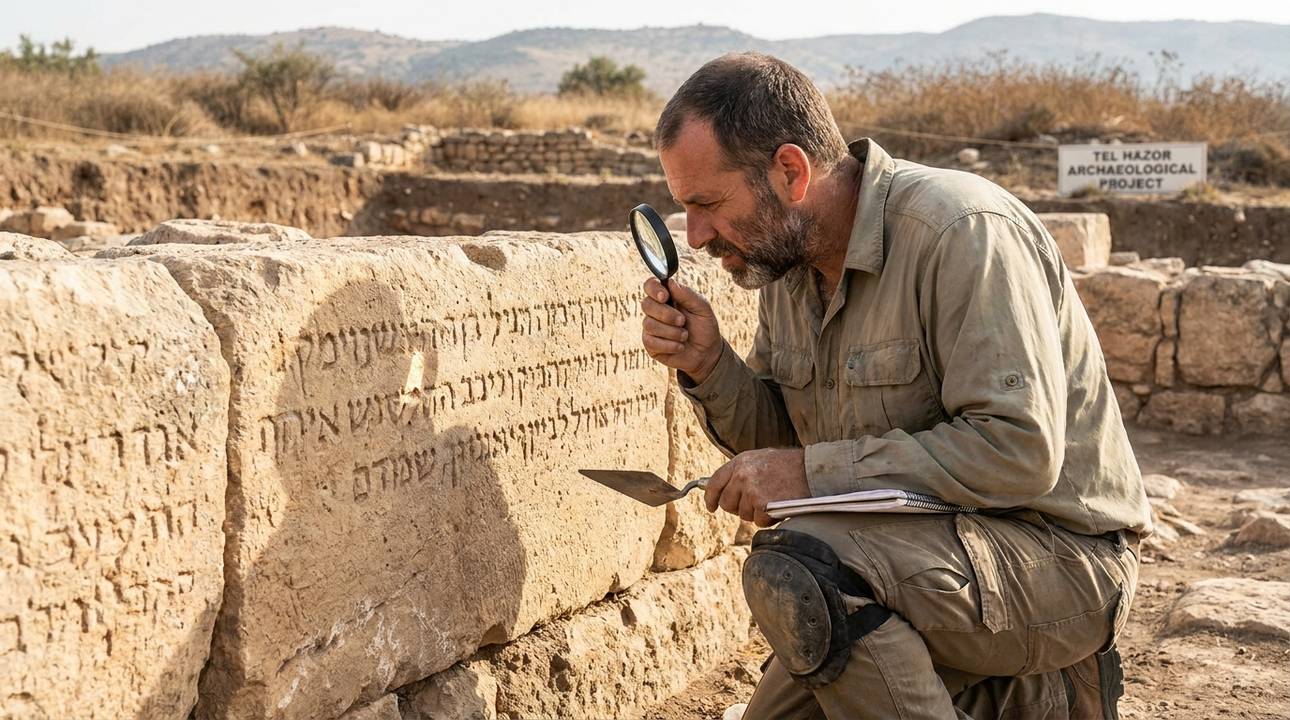
Today, Gomer serves as a point of interest for scholars and historians alike. The pursuit of locating Gomer geographically and historically finds diverse interpretations. Some suggest that Gomer could be linked to the Cimmerians, a group mentioned by Herodotus, who lived in what is now southern Russia and Ukraine. Others propose connections to regions in Anatolia or even further west. While the exact location remains elusive, Gomer’s historical narrative is still remembered with curiosity and debate.
from the Western Wall to Masada.
The quest to locate Gomer is not merely geographical but also involves understanding the cultural and historical context of the era.
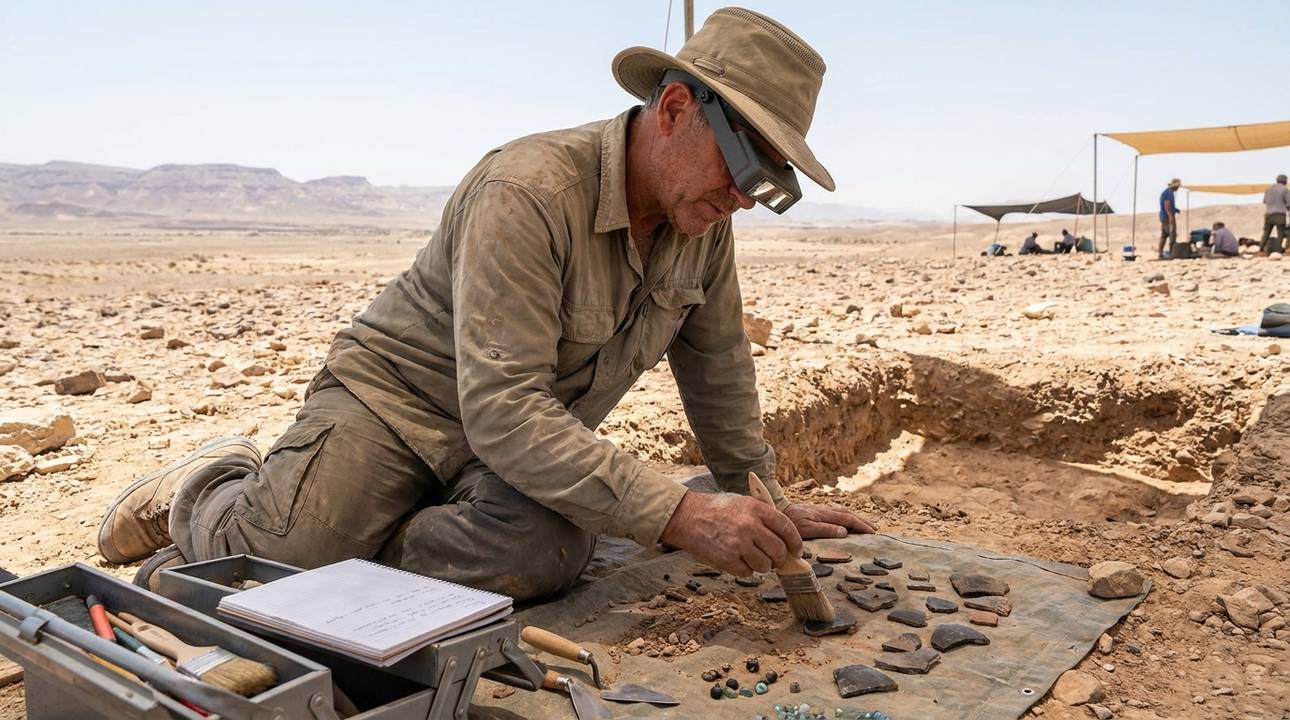
By examining ancient texts and archaeological findings, researchers aim to uncover more about the early peoples mentioned in these records.
This search reflects a broader interest in how ancient narratives shape our understanding of history and identity, influencing how we perceive the interconnectedness of past civilizations, as seen in the study of ancient trade routes and cultural exchanges.
For instance, the Cimmerians, believed to be descendants of Gomer, are mentioned in Assyrian records as formidable warriors. These records, dating back to the 7th century BCE, describe their movements into Anatolia, where they interacted with other cultures such as the Phrygians and Lydians. Understanding these migrations helps historians piece together the cultural exchanges that occurred, showing how early human societies evolved and interacted across regions, influencing trade and warfare dynamics.
Gomer’s Legacy in Jewish Tradition
In Jewish tradition, Gomer’s lineage is woven into the broader narrative of tribes and nations mentioned in historical texts. His descendants are part of the varied mix of peoples connected to these stories. Exploring these lineages helps Jews today connect with ancient texts, understanding their place within these rich ancestral narratives. This connection fuels appreciation for the diversity and complexity inherent in their heritage, fostering a sense of continuity and identity through shared history.
The Influential Descendants of Gomer
Gomer’s descendants played roles influencing diverse cultures. Tribes attributed to Gomer, like the Cimmerians, are noted in historical texts for interactions with the Assyrian Empire and other powers. These interactions are recorded in Assyrian annals, highlighting their military prowess.
Their interactions with neighboring civilizations helped shape the ancient world, providing historians insights into the interplay of ancient societies. This historical unfolding illustrates the dynamic nature of early human interactions and their lasting impact on cultural development.
The Cimmerians, believed to be Gomer’s descendants, migrated into Anatolia, influencing the cultures they encountered. Assyrian records describe them as formidable warriors, highlighting their impact on regional politics.
These historical accounts contribute to our understanding of how Gomer’s descendants may have shaped political landscapes, leaving a legacy that resonates in historical studies today.
Their movements illustrate the dynamic nature of early societies and their interactions, as seen in the shifting alliances and conflicts of the time.
Gomer: A Symbol of Early Migration
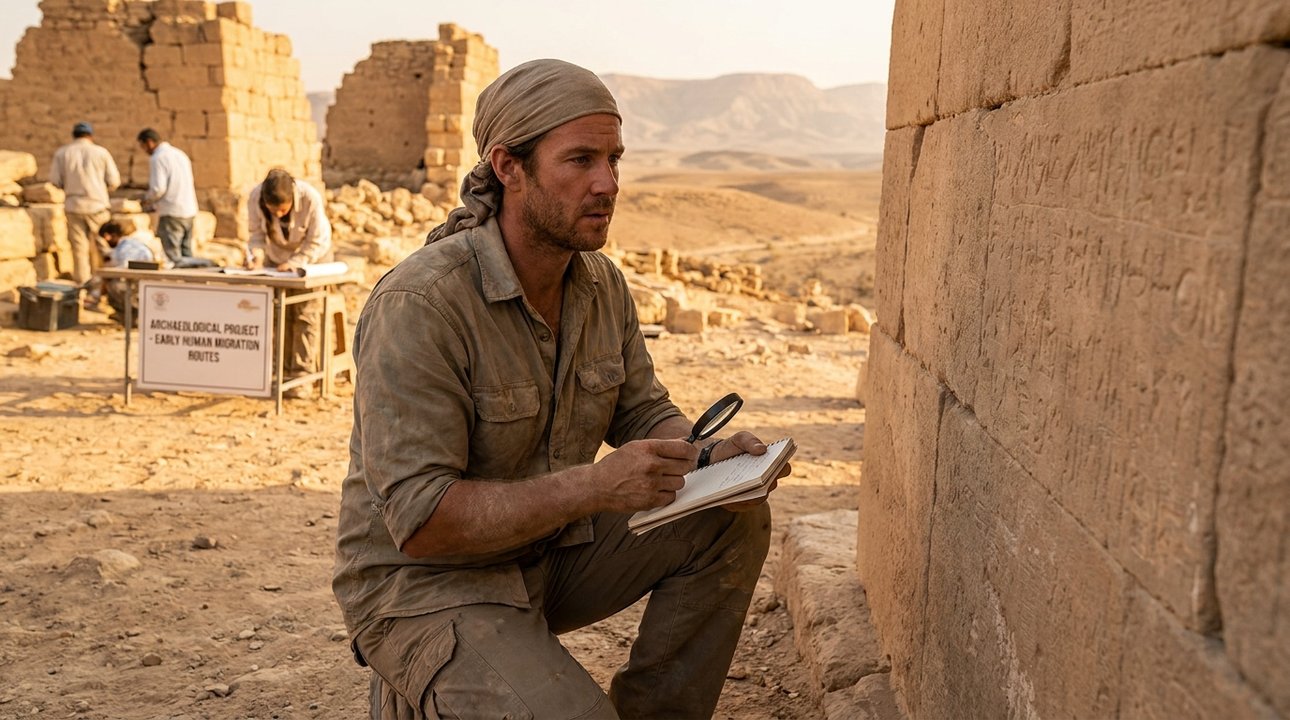
Gomer’s story symbolizes early human migrations. Genesis 10 lists his descendants, including Ashkenaz, Riphath, and Togarmah, believed to have settled in regions influencing European and Asian cultures. The spread of Gomer’s descendants illustrates the movement of peoples and cultures.
These migrations impacted trade, culture, and languages, significantly contributing to the development of civilizations, highlighting the interconnectedness of ancient societies, as seen in the archaeological findings in Asia Minor and beyond.
Understanding these migration patterns informs contemporary discussions about early historical movements and their effects. Gomer’s descendants may have facilitated cultural exchanges and spread technologies, leading to advancements in early societies. These migrations highlight the interconnectedness of early civilizations, showing how human societies evolved and interacted, influencing trade, culture, and technological progress across regions, as evidenced by the spread of ironworking techniques.
Understanding Gomer
