Discovering the Ancient Location of Midian
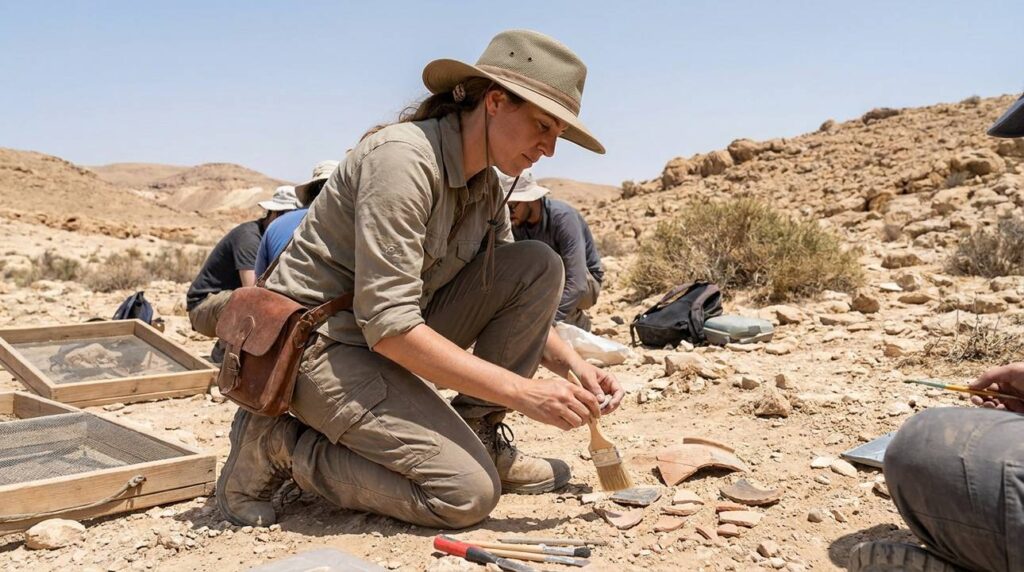

Midian, a region steeped in history, captures the imagination with its rich narratives. Frequently mentioned in ancient texts, it was home to the Midianites, who played pivotal roles in several historical events.
For instance, ancient accounts describe how a small army defeated them, a story that highlights the dramatic nature of their interactions with neighboring groups.
Located in the northwestern Arabian Peninsula, near present-day Saudi Arabia, Midian’s strategic position near the Red Sea facilitated trade and cultural exchanges.
This proximity allowed Midian to become a crossroads of interaction, influencing various historical figures. The region’s influence is evident in stories like those found in ancient texts, where leaders find refuge and guidance.
Midian’s location not only made it a hub for trade but also a place of significant cultural encounters, shaping the narratives of the time.
from the Western Wall to Masada.
What Was Midian in the Bible?
Midian frequently appears in ancient texts as both a land and a people interacting with neighboring groups. It is known as the dwelling place of influential figures and a significant area for trade and cultural exchange.
They were involved in the sale of individuals to traders headed to Egypt, as recounted in historical narratives. Its strategic location made it a crossroads for commerce and culture, influencing various events.
Their interactions with neighboring groups were complex, involving both conflict and cooperation.
This complexity is illustrated in stories where they play a role in the narrative. The region’s history is marked by these multifaceted relationships, reflecting its importance in historical accounts.
Interactions with neighboring groups highlight the dynamic nature of ancient alliances and conflicts, offering insights into the broader historical and cultural context of the time.
Where Exactly Was Midian Located?
Historically, Midian is believed to have encompassed areas east of the Gulf of Aqaba, spanning parts of modern-day western Saudi Arabia and southern Jordan. Ancient texts mention this region during the time of significant migrations as groups traveled through the wilderness.
Geographical features include mountains and mineral resources. Many identify it as a mountainous area rich in copper and other minerals, positioning it as a vital trade link in the ancient world.
The people were known for their caravans and trade routes that connected various civilizations.
These trade networks facilitated cultural and economic exchanges across the Arabian Peninsula. The geographical understanding of Midian highlights its importance as a hub for commerce and cultural interaction, reflecting its strategic significance in historical narratives.
The region’s historical role as a center of trade and exchange continues to be a focal point for researchers and historians, offering insights into the ancient world’s dynamics.
Key Historical Figures Associated with Midian
A central figure in history is closely linked to Midian, where he sought refuge after fleeing a significant conflict. It was in Midian that he married the daughter of a local leader.
This leader provided crucial advice on leadership, offering a model of governance that influenced the community. The account of a transformative event in his life occurred in Midian.
This event marks the moment he received his mission to lead his people. The transformative event symbolizes revelation and guidance, underscoring Midian’s significance.
The region’s connection to such pivotal moments in history highlights its role as a place of refuge, revelation, and transformation for leaders and their communities.
Midian in Archaeological Studies
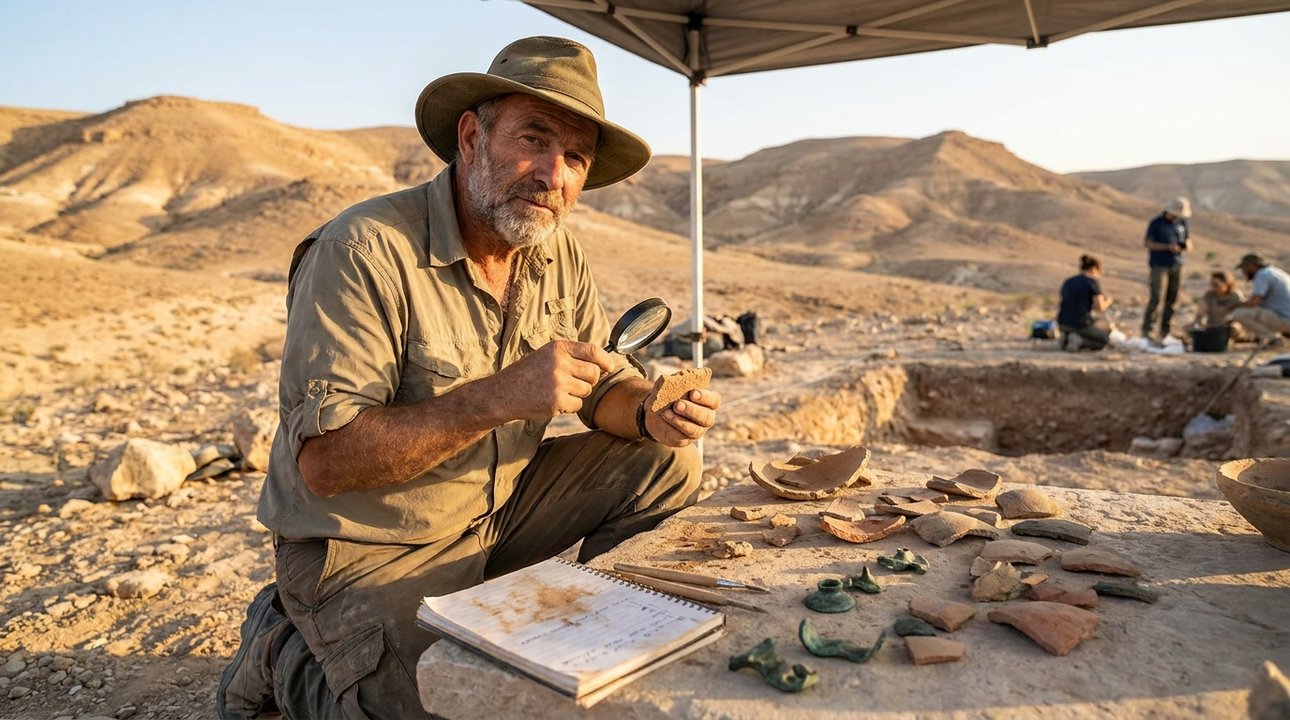
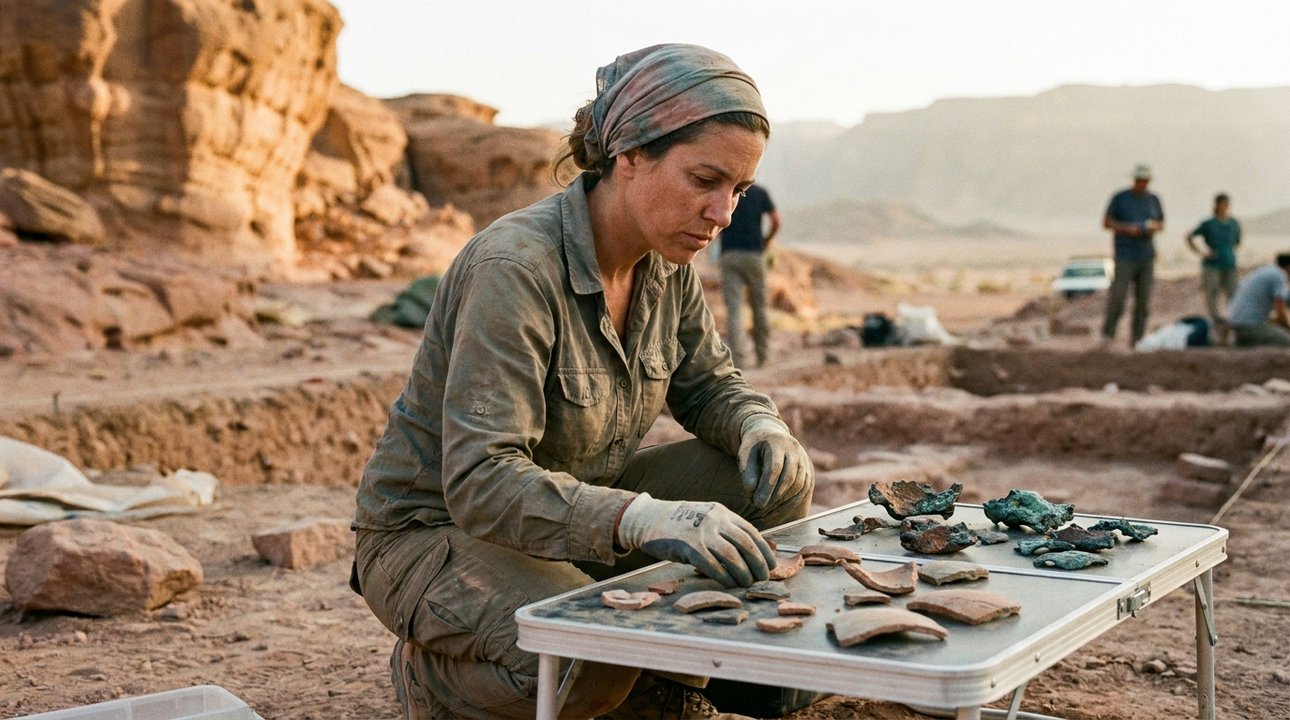
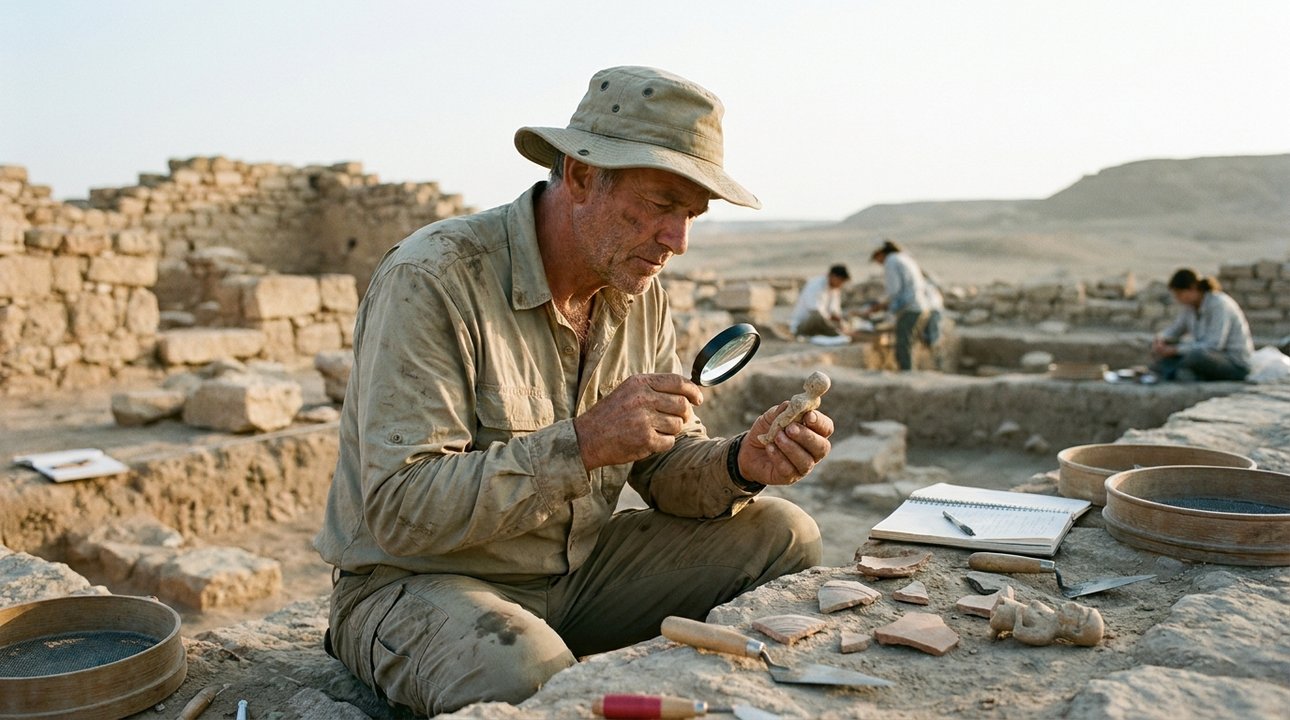
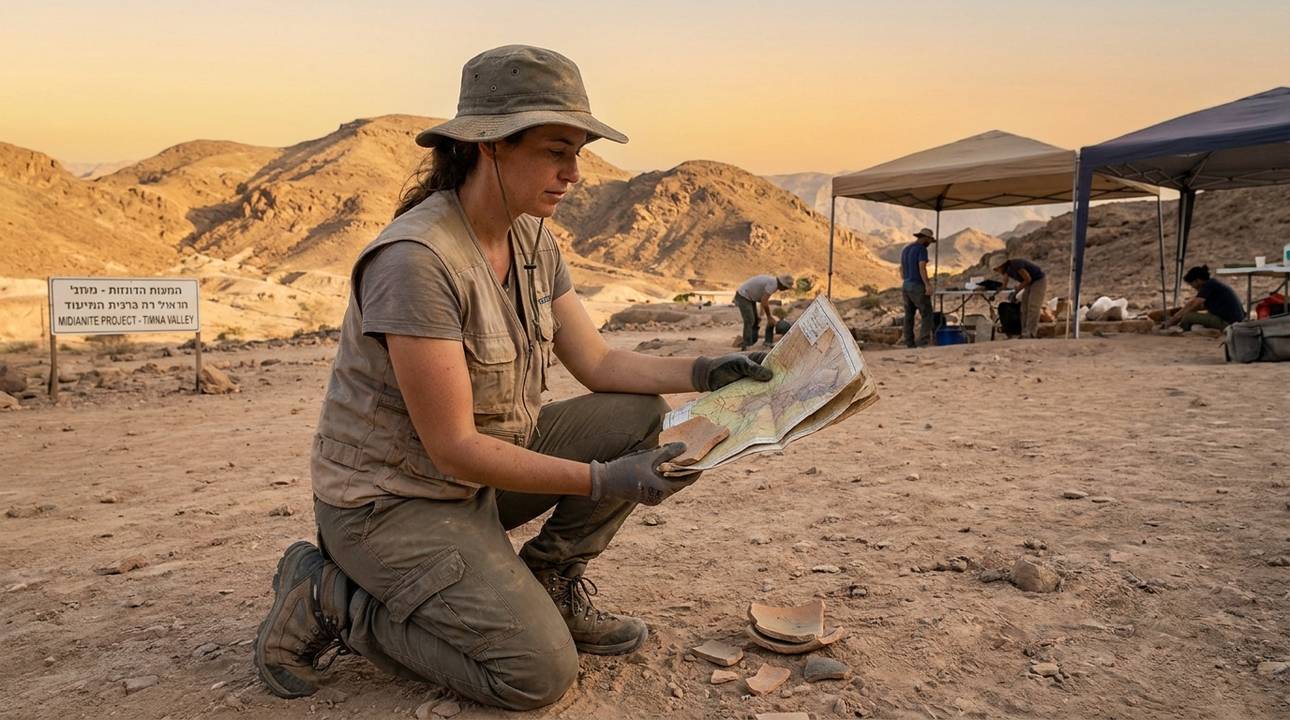
Archaeological discoveries in areas traditionally identified as Midian, such as the copper mining site of Timna, illustrate the region’s historical richness. Timna, located in the southern Arava Valley, was active during a significant reign in the 10th century BCE.
Known for its ancient copper mines and smelting furnaces, Timna provides insight into the trade and technological development of the time. These findings confirm Midian’s role in historical narratives, highlighting its economic and technological advancements.
The presence of ancient smelting furnaces and mining tools at Timna underscores the region’s significance.
from the Western Wall to Masada.
These discoveries reveal the technological capabilities of ancient Midian and its contribution to the broader economy of the time. Midian’s role in the ancient economy is further evidenced by its trade networks, which connected different civilizations across the Arabian Peninsula. The archaeological evidence from Timna continues to shed light on the historical and cultural role of Midian, enriching our understanding of the region’s past.
Cultural and Religious Significance of Midian
Midian’s cultural impact extended beyond its historical stories, influencing local religious practices and serving as a bridge between civilizations. Known for their trade skills, they facilitated contact between various ancient cultures.
For instance, their interactions with neighboring groups are documented in ancient texts, where they are involved in conflicts.
Midian’s involvement with significant leaders also highlights the region’s role in history, marking it as a place of significant encounters and messages. A local leader was a priest there, which underscores its religious significance.
The encounter between leaders illustrates Midian’s influence on leadership and governance.
Midian in Present-Day Context
Today, the historical region of Midian continues to captivate those interested in its past. Although modern political boundaries have shifted, the area’s legacy as a center of history and culture remains. Archaeological sites, such as those in the southern Arava Valley, offer tangible evidence of Midian’s history. Ongoing research aims to uncover more about Midian’s role in ancient trade and cultural exchanges. Scholars are particularly focused on understanding the connections between Midian and other civilizations of the time.
These studies explore their interactions with neighboring cultures and their impact on historical narratives.
The region’s archaeological findings continue to provide insights into the technological and economic advancements of ancient Midian, helping to bridge the gap between past and present.
The enduring interest in this area reflects its importance in understanding the broader context of history and its influence on subsequent generations.
Conclusion: the Enduring Legacy of Midian
Midian holds a crucial place in history, offering insights into the lives of key figures and the socio-political dynamics of the time. Mentioned in ancient texts, they are involved in conflicts during significant journeys.
These interactions highlight the complex relationships between the two groups. Exploring Midian provides a deeper understanding of the ancient world and its influence on historical narratives.
The story of a leader who defeated them with a small army exemplifies their enduring presence in these tales.
This victory highlights the strategic and cultural role of Midian in history. The region’s influence in these stories continues to captivate those interested in the heritage of the area, offering a window into the past and its impact on cultural traditions. Midian’s legacy is reflected in the ongoing study of its past, enriching our understanding of the ancient world.
Understanding the Location and Significance of Midian