Where Can We Find the Pishon River Today?


The Pishon River, mentioned in the Book of Genesis, intrigues researchers. It is said to flow around the land of Havilah, a region noted for its gold. References to gold and onyx in Havilah suggest a place of wealth and historical interest.
This article examines various ideas about the possible location of the Pishon River and its role in historical texts. The connection between ancient stories and the natural world is explored.
from the Western Wall to Masada.

What Is the Pishon River?
In Genesis, the Pishon River is one of four rivers flowing from Eden. It is linked to Havilah, known for its treasures. This connection has sparked interest in its location.
The description of Pishon has led to various interpretations. Some propose a symbolic link to the Ganges River, though this is debated. The exploration of ancient texts continues to provide insights.
Theories on the Pishon’s Location
Several theories discuss the Pishon’s location. One idea connects it to ancient riverbeds in the Arabian Peninsula, possibly active in the past. These suggestions align with historical climate changes. Another theory involves geological shifts that altered river paths, making the original course challenging to identify today.
Though direct evidence is absent, these ideas are vital in historical studies. They show how research evolves with new findings. Scholars continue to explore, maintaining interest in discovering Pishon’s true location.
Havilah: A Land Described with Riches
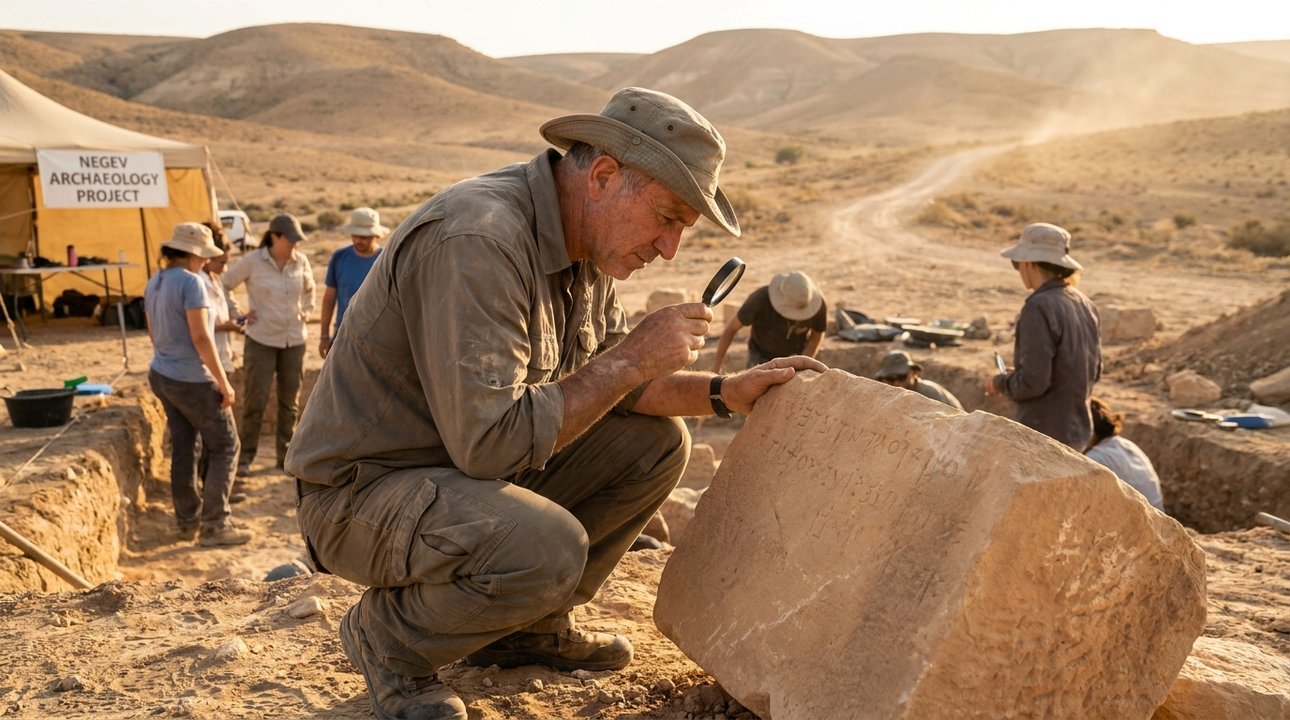
Havilah, mentioned with the Pishon River, is noted for its riches, including gold and precious stones. Its exact location is unclear, sometimes linked to areas in the Middle East, possibly near present-day Yemen. Historical texts highlight its wealth, adding intrigue.
Havilah symbolizes abundance in ancient writings. The allure of this land continues to fascinate those interested in the material wealth described in historical texts.
Pishon in Jewish Commentary
In Jewish commentary, such as Rashi’s, the Pishon River’s identity is examined from various perspectives. Rashi associates Pishon with the Nile River, presenting different views on its significance. This interpretation reflects the Jewish tradition of seeking deeper meaning beyond the literal text.
from the Western Wall to Masada.
This approach shows how Jewish scholars engage with texts to uncover deeper meanings. The allegorical views of the Pishon River highlight the depth of Jewish scholarly tradition.
Modern-Day Perspectives
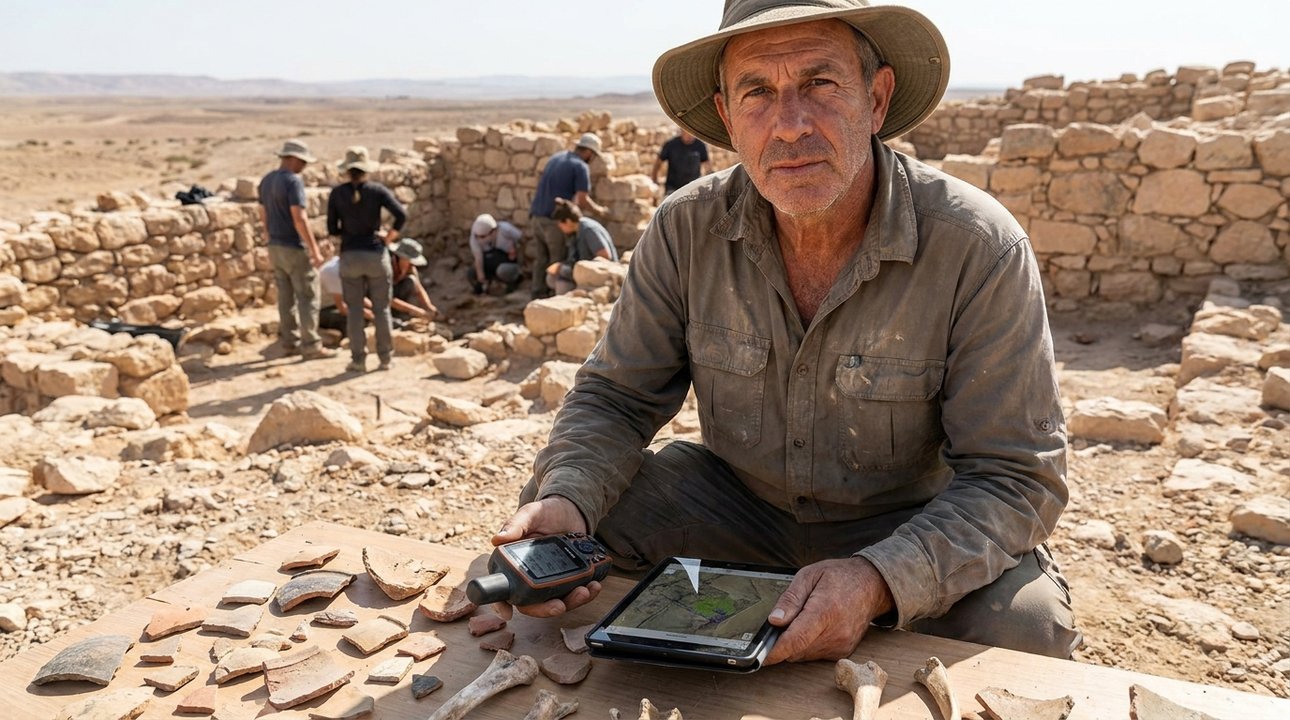
Today, the location of the Pishon River is part of broader discussions on historical landscapes. Modern tools like satellite imagery map ancient riverbeds. In the Arabian Peninsula, satellite technology has identified ancient river courses.
These studies aim to integrate history and archaeology, offering new insights into ancient narratives. The Arabian Peninsula is thought to have been more fertile, supporting ideas of lost rivers.
Pishon’s Symbolic Significance
Beyond its physical location, the Pishon River holds symbolic meaning in ancient texts. It represents themes of prosperity, common in ancient cultures. Pishon is described as encircling Havilah, a place noted for its gold.
Conclusion: the Ongoing Search
The exact location of the Pishon River remains unknown, yet the search continues to captivate interest. This mystery highlights the broader fascination with ancient history and landscapes, encouraging ongoing research.
Reflecting on the Pishon allows exploration of ancient stories that educate and intrigue. This journey invites engagement with history, fostering connections to historical narratives.
General Questions