
Understanding the history of Rabbah


Rabbah, an ancient city mentioned in historical texts, holds great significance in Jewish history. It is a place wrapped in stories of kings and battles, where David sent Joab to besiege Rabbah. Today, Rabbah is known as Amman, the capital city of Jordan.
Located east of the Jordan River, it has evolved into a bustling metropolis while maintaining echoes of its past, with historical sites and museums preserving its ancient legacy. The city’s transformation reflects its enduring importance.
Amman’s historical sites include the Citadel, which offers panoramic views of the city and houses artifacts from various periods, including the Ammonite era. These landmarks provide a tangible connection to the stories of Rabbah’s past, allowing visitors to explore its history. The transformation from an ancient stronghold to a modern capital highlights Amman’s adaptability, making it a symbol of continuity and change. The city’s cultural scene continues to draw those interested in its storied past.
from the Western Wall to Masada.

What Was Rabbah in Historical Times?
In historical texts, Rabbah was the capital of the Ammonite Kingdom. Situated strategically on a hill, it was a site of conflict and political maneuvering.
Rabbah was known for its fortifications, making it a significant military target.
It reflects the complex relationships between the Israelites and neighboring peoples, highlighting the city’s importance in the geopolitical landscape of the time. The city’s strategic location made it a focal point of power and influence.
Rabbah’s fortifications and strategic position made it a coveted prize for any ruling power, underscoring its significance in the region’s political dynamics. The city’s role in historical narratives highlights its importance as a center of power and conflict. The ongoing interest in Rabbah’s history is a sign of its legacy and its impact on the broader historical narratives of the ancient Near East. The city’s story continues to captivate those interested in the complexities of ancient political and military strategies.
Rabbah’s Geographic and Cultural Role
The city’s location was crucial for controlling trade routes in the region. Situated strategically, Rabbah became prosperous and influential, serving as a gateway for goods and ideas. Its position enabled it to thrive as a trade center, connecting different cultures and economies.
It served as a cultural and economic hub, with archaeological findings revealing artifacts and structures that tell the story of a diverse urban center. The city’s prosperity is reflected in its elaborate architecture and public works, showcasing its historical importance.
Archaeological findings include remnants of fortifications and public buildings, indicating Rabbah’s importance as a center of power and trade. The city’s wealth attracted various cultures, contributing to its diverse heritage.
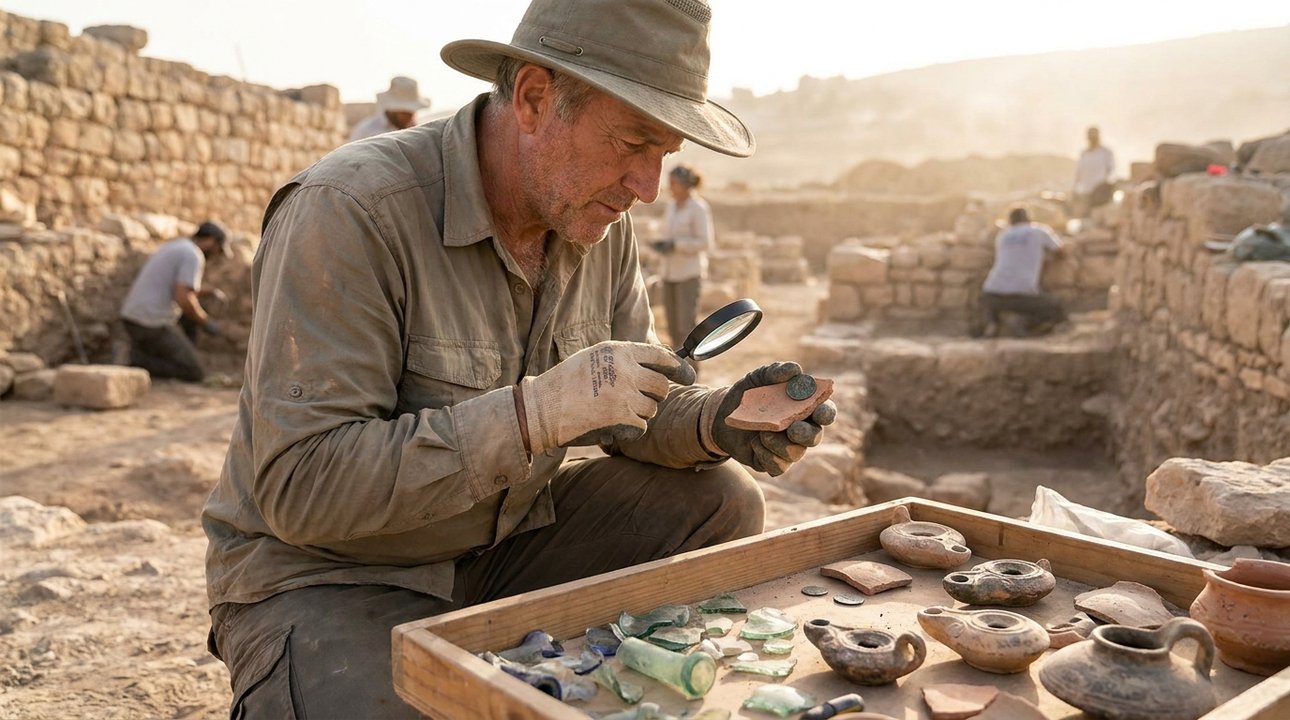
Excavations have uncovered artifacts from different periods, including Roman and Byzantine. This blend of influences is evident in the artifacts discovered, which range from local pottery to imported luxury items, showcasing Rabbah’s role in regional commerce and cultural exchange.
The city’s strategic location made it a hub of trade and interaction.
The diversity of artifacts found in Rabbah reflects its role as a mix of cultures and influences. These treasures provide insights into the economic and cultural dynamics of the region. Ongoing archaeological efforts in Amman continue to uncover new aspects of Rabbah’s past, enriching our understanding of the ancient world. Such findings not only enhance our knowledge of the city’s history but also provide context for the broader historical narratives of the region.
Significance of Rabbah in Historical Narratives
Rabbah figures prominently in historical accounts, where it was the site of significant events. This highlights the city’s role in the turbulent political landscape of the kingdom of Israel.
The story intertwines love, power, and tragedy, illustrating the complex human dramas within historical narratives. The capture of Rabbah marked a pivotal moment in the region’s history.
The narrative of David and Bathsheba, intertwined with Rabbah’s siege, underscores the moral and ethical dilemmas faced by leaders. This account provides insight into the challenges of leadership and the impact of personal choices on public affairs. Rabbah’s role in these events highlights its strategic importance and its place in the wider story of Israel’s history. The city’s legacy continues to be a point of reflection for those studying the complexities of historical narratives and their enduring lessons.
This account underscores Rabbah’s strategic importance, as it was a key location in the conflicts between Israel and its neighbors. Rabbah’s history is thus deeply connected to the broader narrative of the Israelite kingdom and its struggles, serving as a sign of the complex relationships and shifting alliances in the region’s past. The city’s strategic location made it a focal point of regional power.
The capture of Rabbah not only solidified David’s control over the region but also demonstrated the city’s significance in the geopolitical landscape. Its fortifications and resources made it a valuable asset for any ruling power.
Rabbah’s role in these historical events highlights the intricate web of alliances and conflicts that characterized the ancient Near East. The city’s legacy continues to be a subject of study for historians seeking to understand the complexities of ancient political dynamics.
Archaeological Discoveries in Rabbah
Excavations in modern-day Amman have unearthed parts of the ancient city of Rabbah, including city walls and inscriptions that provide insights into Ammonite culture, revealing details about their language and governance.
The Ammonites played a significant role in the region’s history. These discoveries help piece together their story, offering a glimpse into the social and political structures of this ancient society.
Artifacts discovered provide valuable information about their way of life.
The inscriptions found in Rabbah offer insights into the administrative and legal systems of the Ammonites, shedding light on their governance and societal organization. Such discoveries contribute to a more comprehensive understanding of the region’s history.
Continued archaeological efforts in Amman reveal new facets of Rabbah’s past, enriching our knowledge of the ancient world. These findings not only enhance our understanding of the Ammonites but also provide context for the broader historical narratives of the region.
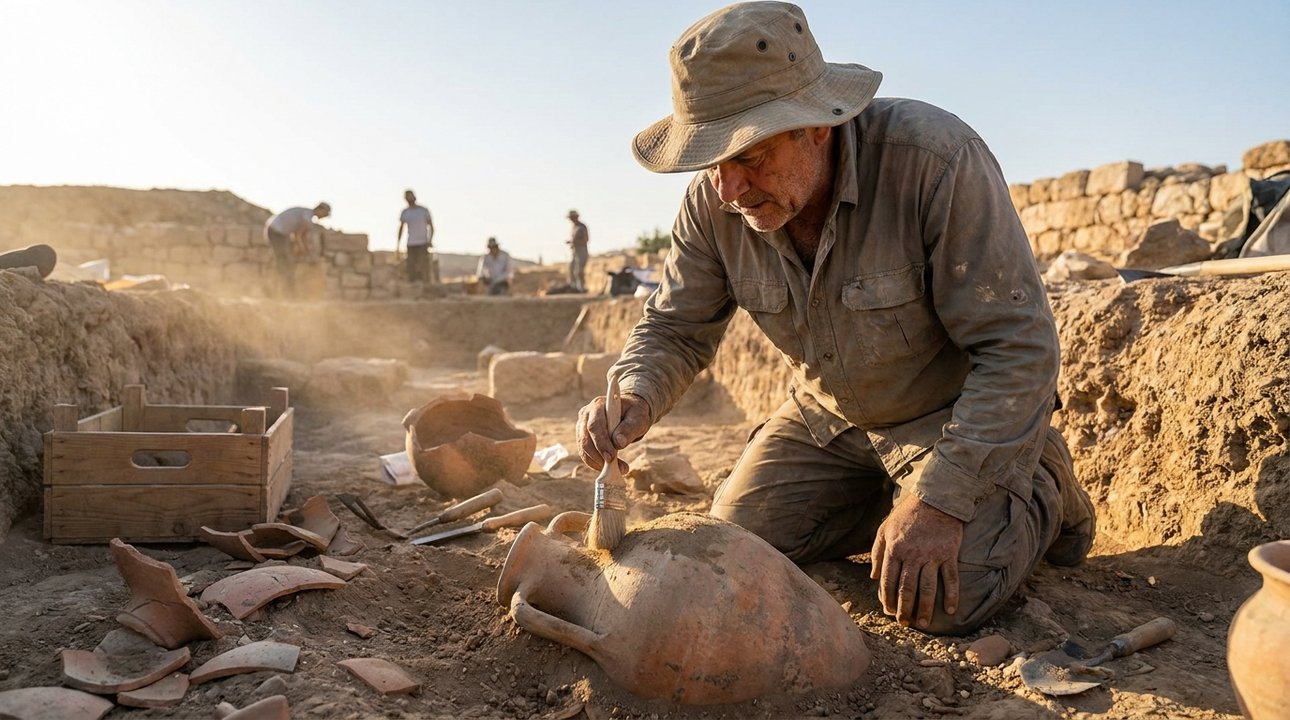
Such findings emphasize Rabbah’s historic relevance and its development through various historical periods. Archaeologists have discovered artifacts such as pottery and tools, which shed light on the daily lives of its ancient inhabitants.
These items reveal insights into the Ammonite culture and economy, contributing to our understanding of the cultural and economic exchanges that took place in this pivotal city, illustrating its role as a hub of interaction and innovation in the ancient world.
Rabbah Today: from Ancient City to Capital
Today, Rabbah is Amman, Jordan’s thriving capital. The transformation is remarkable, as it has evolved from an ancient settlement into a bustling modern metropolis.
Despite its modernity, Amman retains traces of its past, with archaeological sites like the Citadel offering a window into its history. Known as Jabal al-Qal’a, the Citadel includes remnants from the Roman, Byzantine, and Umayyad periods, making it a fascinating place for history enthusiasts.
These historical spots provide a tangible link to the city’s storied past.
Amman’s historical landscape is further enriched by the presence of ancient ruins, such as the Temple of Hercules, which dates back to the 2nd century CE. These landmarks offer insights into the architectural and cultural achievements of past civilizations. The city’s ability to preserve its heritage while embracing modernity is a sign of its adaptability. Amman’s unique blend of history and contemporary culture makes it a captivating destination for those interested in exploring its diverse past.
from the Western Wall to Masada.
The juxtaposition of past and present makes it a unique place, offering glimpses into the ancient world within a contemporary urban setting. Visitors can explore the Roman Theater, a sign of the city’s history, which dates back to the 2nd century CE. Amman’s markets and modern amenities coexist with these ancient landmarks, creating a city that honors its heritage while embracing the future. The Roman Theater, once a hub of entertainment, now stands as a reminder of the city’s cultural past.
Nearby, the Nymphaeum, a Roman public fountain, further illustrates Amman’s historical depth. This site provides a window into the daily lives of those who lived in ancient Rabbah, showing the social and cultural dynamics of the time. The city’s ability to blend the old with the new is evident in its architecture and urban planning, making it a destination for those interested in history and modernity alike. Amman’s unique character is shaped by this harmonious blend.
Cultural Impact of Rabbah
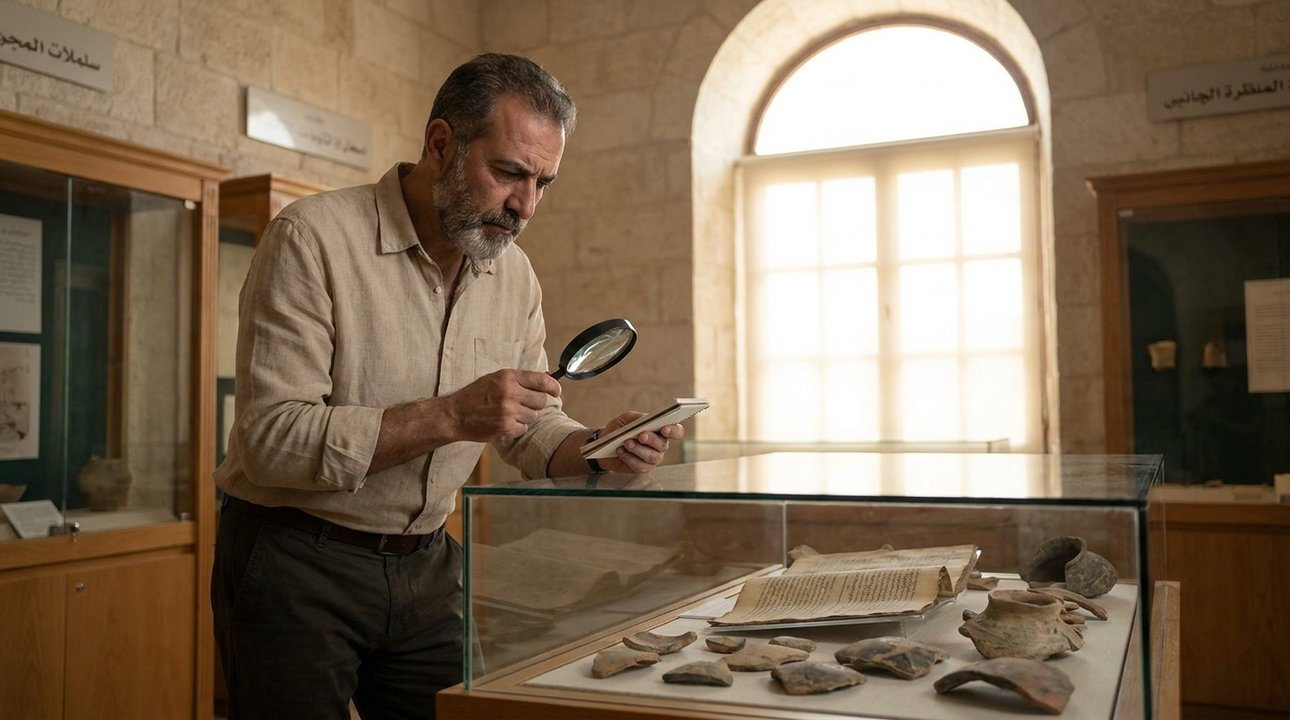
Rabbah’s historical legacy impacts the cultural identity of Amman. From historical sites to modern institutions, the city carries the weight of history. Museums and educational centers in Amman showcase artifacts from the ancient city, preserving the cultural heritage for future generations. Institutions like the Jordan Museum offer insights into the city’s past, displaying items from the Ammonite period and beyond.
Visitors can see relics from significant historical events. These displays help connect the present-day city with its historical foundations, offering a tangible link to stories that shaped the region’s history. Amman’s commitment to cultural preservation ensures that the legacy of Rabbah remains alive, fostering a deeper understanding of its history. The city’s educational efforts provide a link between past and present, enriching the cultural fabric of modern Amman.
These cultural institutions play a vital role in educating the public about Amman’s history. They provide context for the city’s development and highlight its contributions to regional history. Museums in Amman, such as the Jordan Museum, display artifacts from Rabbah’s ancient past. Amman’s commitment to preserving its heritage ensures that the stories of Rabbah is still remembered and inform both residents and visitors alike, fostering a deeper appreciation for the city’s history. These efforts help maintain a connection to the past.
The educational programs offered by Amman’s museums and cultural centers provide valuable insights into the city’s historical and cultural evolution. These initiatives help bridge the gap between past and present, enriching the cultural fabric of the city. Amman’s dedication to preserving its heritage through these institutions ensures that the legacy of Rabbah remains alive and accessible to future generations. The city’s cultural landscape is enriched by these efforts, fostering a deeper understanding of its history.
The Legacy of the Ammonites
The Ammonites, with Rabbah as their capital, played a crucial role in the region’s history. Their interactions with neighboring tribes, such as the Israelites, are well-documented in archaeological and historical records. Today, the legacy of the Ammonites is celebrated, offering a glimpse into the mix of Jordan’s past, with cultural sites preserving their history.
Modern Research and Discoveries
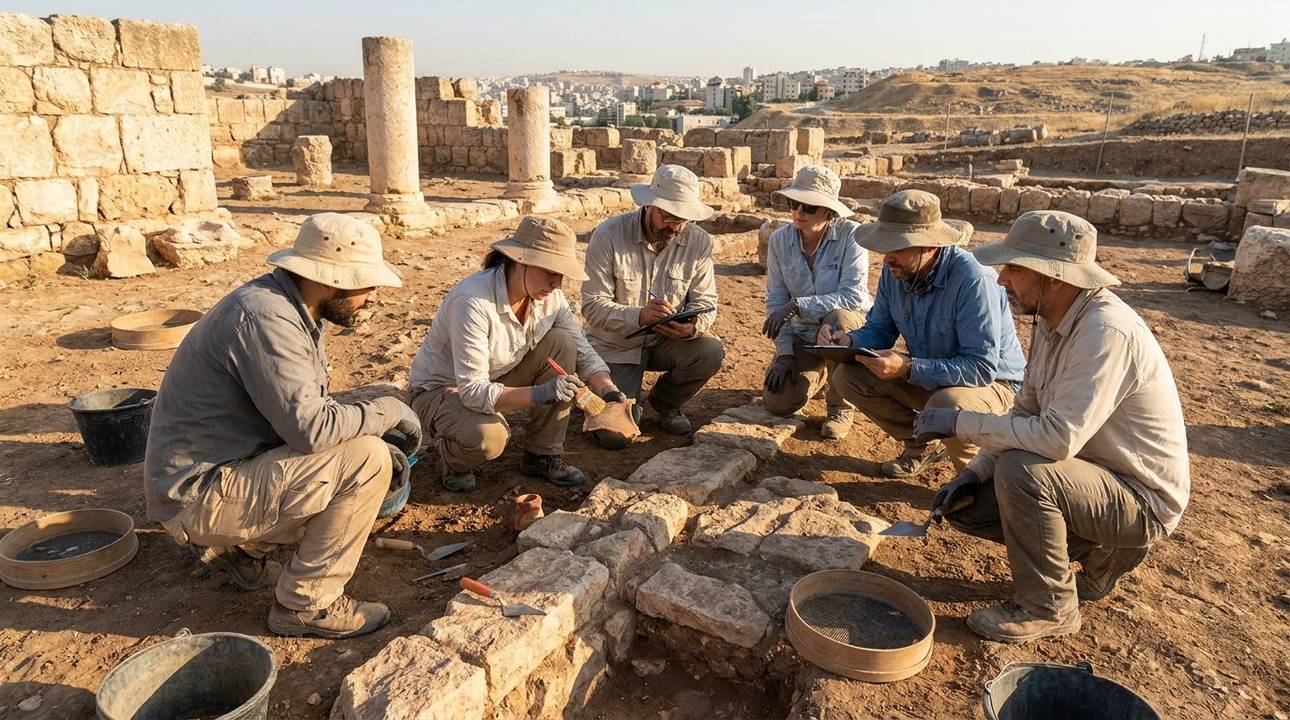
Recent studies continue to explore Rabbah’s extensive history. Scholars examine the city’s urban development and its role within the broader context of Near Eastern history. Excavations have revealed layers of civilization, from Ammonite to Roman, highlighting its continuous habitation. These efforts deepen our understanding of Rabbah’s place in historical narratives and its importance in Middle Eastern archaeology. The findings reveal insights into the city’s architectural and cultural evolution.
Archaeologists have uncovered artifacts that illustrate the daily lives of Rabbah’s ancient inhabitants, shedding light on their customs and societal structures. These findings contribute to a more comprehensive picture of the city’s role in regional history. Rabbah’s legacy is reflected in the ongoing interest of scholars and historians, who continue to uncover new facets of its past. Such studies not only enrich our knowledge of the ancient world but also enhance our appreciation for the city’s history.
Conclusion: the Everlasting Influence of Rabbah
Rabbah, known today as Amman, continues to captivate historians and travelers alike. Its layers of history reveal a city that has adapted through time, surviving conquests and cultural shifts. This history adds depth to Amman’s culture, offering a unique perspective on the city’s legacy. The city’s resilience is reflected in its ability to evolve while honoring its past.
The stories of ancient kings and their interactions with Rabbah provide insights into the political and military strategies of the time. These narratives highlight the city’s importance as a center of power and influence. Amman’s history is further underscored by its ability to preserve its heritage through archaeological sites and cultural institutions. The city’s ongoing commitment to honoring its past ensures that its legacy is still remembered and educate future generations.
While the city embraces modernity, its past remains intricately woven with the stories of ancient kings and historical events. The Ammonites, who once inhabited Rabbah, are mentioned in historical texts as adversaries of Israel, highlighting the city’s role in historical narratives. Today, Amman’s museums preserve artifacts from these periods, allowing visitors to connect with its storied past and understand the history of this ancient city. Preserving these artifacts ensures that Rabbah’s legacy endures.
The Ammonites’ interactions with Israel, as depicted in the Bible, provide a window into the complex relationships between neighboring peoples. These narratives offer insights into the cultural and political dynamics of the time. Amman’s commitment to preserving its heritage through museums and cultural institutions allows for a deeper appreciation of its history. Visitors can explore the mix of stories that have shaped the city’s identity, connecting the past with the present.
Geography and History
