
Exploring the Significance of Ramah in the Bible


Ramah is a location frequently mentioned in historical texts, particularly in connection to Samuel and the reigns of Saul and David. It is noted as Samuel’s home, where he judged Israel and built an altar. Positioned north of Jerusalem, Ramah’s precise ancient location is debated, with possibilities including areas near modern-day Ramallah. Its historical context provides a backdrop for events such as the anointing of Saul, adding depth to the narratives.
Ramah plays a significant role in biblical narratives, particularly in the story of Rachel weeping for her children. This symbolizes both sorrow and hope, marking its importance as a historical landmark. Its strategic location during the early years of Israel’s monarchy added to its influence.
from the Western Wall to Masada.
Ramah is highlighted as Samuel’s home and place of governance, emphasizing its significance as a center of leadership. Being near Jerusalem, it played a crucial role in the political and religious landscape, serving as a hub for prophetic activity and governance.
What Is the History of Ramah?
Ramah holds a notable place in history as a center of prophetic activity, closely associated with Samuel, the last judge of Israel. It was his home and a site for sacrifices and judgments, placing it at the core of significant religious and social events. Its proximity to Jerusalem made it a strategic location for gatherings and decisions.
The connection between Ramah and Samuel is significant. It was a place where people sought guidance, emphasizing its role as a center of influence. Beyond religious activities, Ramah impacted social and political spheres, with its position near key trade routes enhancing its importance.
References to Ramah
In historical texts, Ramah is mentioned in books such as Samuel and Kings. A key story is Samuel anointing Saul as the first king of Israel at Ramah. These references highlight its role as a site of significant encounters, grounding important narratives within a real geographical context.
Ramah’s significance is further highlighted in the story where David flees to Samuel in Ramah to escape Saul’s wrath. This account underscores its role as a place of refuge and protection, demonstrating its centrality in Israel’s history.
The city’s involvement in these significant events illustrates its influence in shaping Israel’s leadership and destiny. Ramah’s association with key figures provides insight into the religious and political dynamics of the time, offering lessons on leadership, faith, and community.
Ramah’s influence is further emphasized by its role in the event where Samuel anoints Saul as the first king of Israel. This underscores its significance as a place of encounter and legacy, with its strategic location near Jerusalem making it a key player in the political and religious landscape.
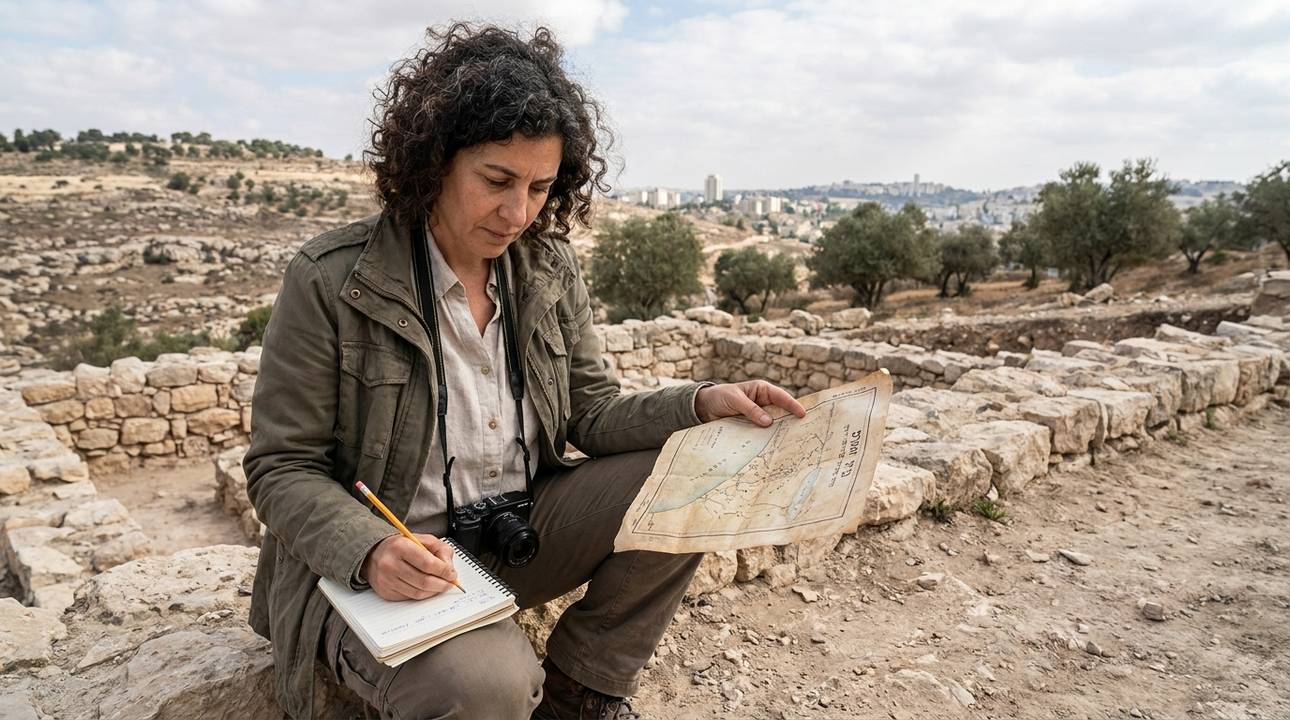
Is Ramah Linked to Other Historical Figures?
Ramah’s connection extends beyond Samuel, appearing in contexts of battles and royal activities. Saul is seen in Ramah when he learns of David’s location, illustrating its role in the power struggles of the time. These associations highlight Ramah as a key player in Israel’s early monarchy.
Ramah is also noted for its role in the story where David seeks refuge with Samuel to escape Saul. This underscores its significance as a place of protection, central to the drama of Israel’s history and the complexities of leadership during this era.
The strategic importance of Ramah is further underscored by its role in the story where David flees to Samuel to escape Saul. This highlights Ramah as a place of refuge and protection, central to the unfolding drama of Israel’s history.
Ramah’s significance as a refuge is emphasized where Saul is informed of David’s presence there. This highlights its strategic role in the power struggles of the time, illustrating its importance in the narrative of Israel’s early monarchy.
Archaeological Insights into Ramah
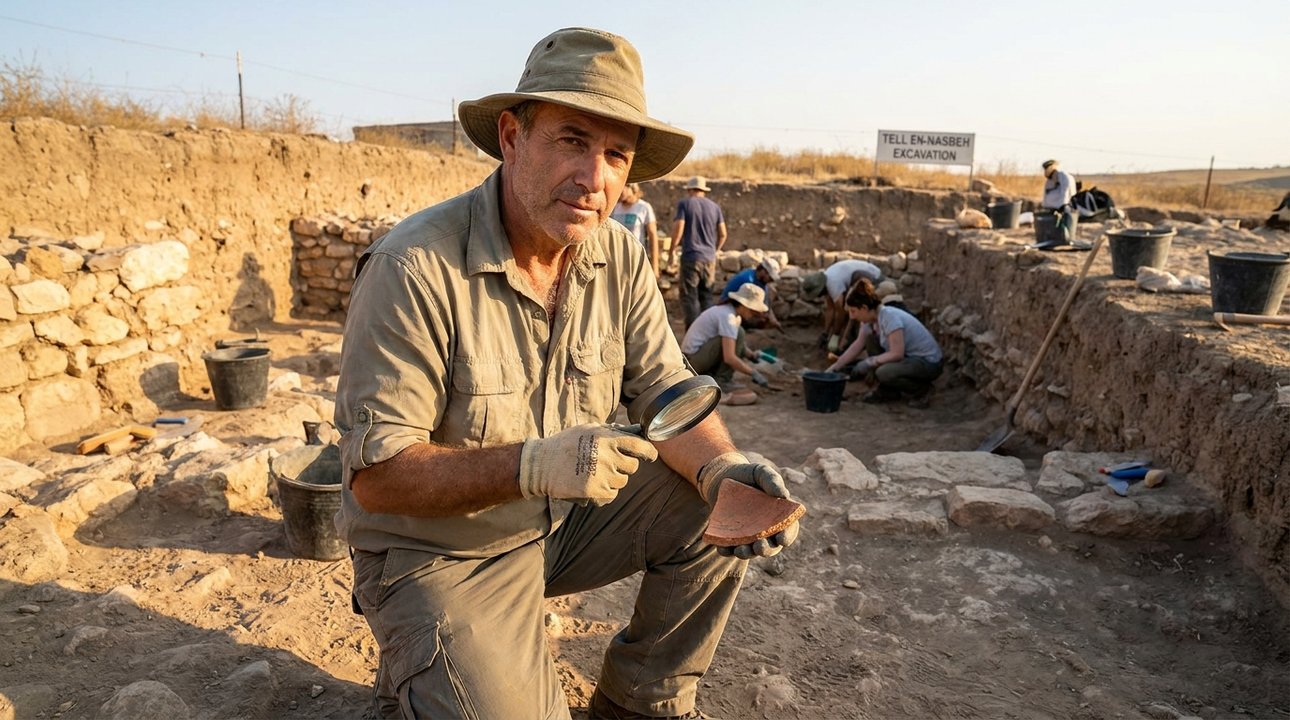
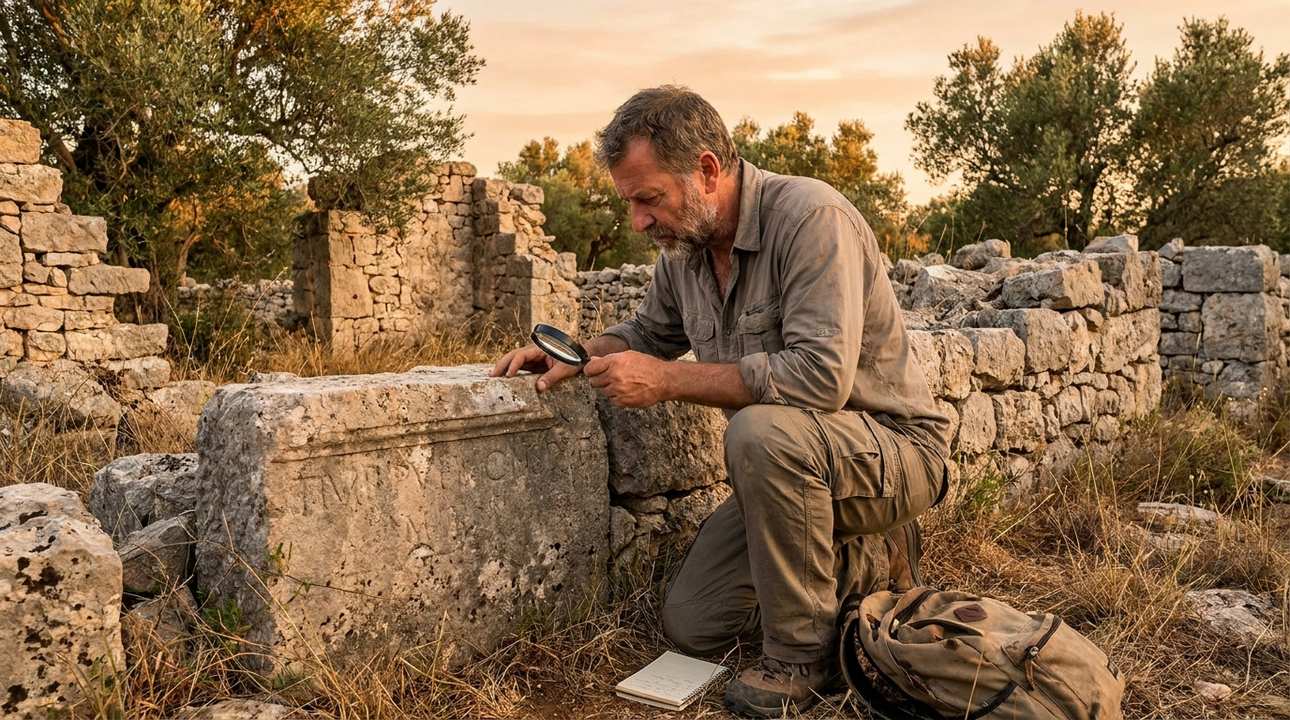
The exact location of Ramah remains uncertain, but archaeological work continues to shed light on its possible sites. Studies often point to locations near Ramallah, with Tell en-Nasbeh as a candidate. These explorations aim to connect ancient texts with physical evidence, enhancing our understanding of historical geography.
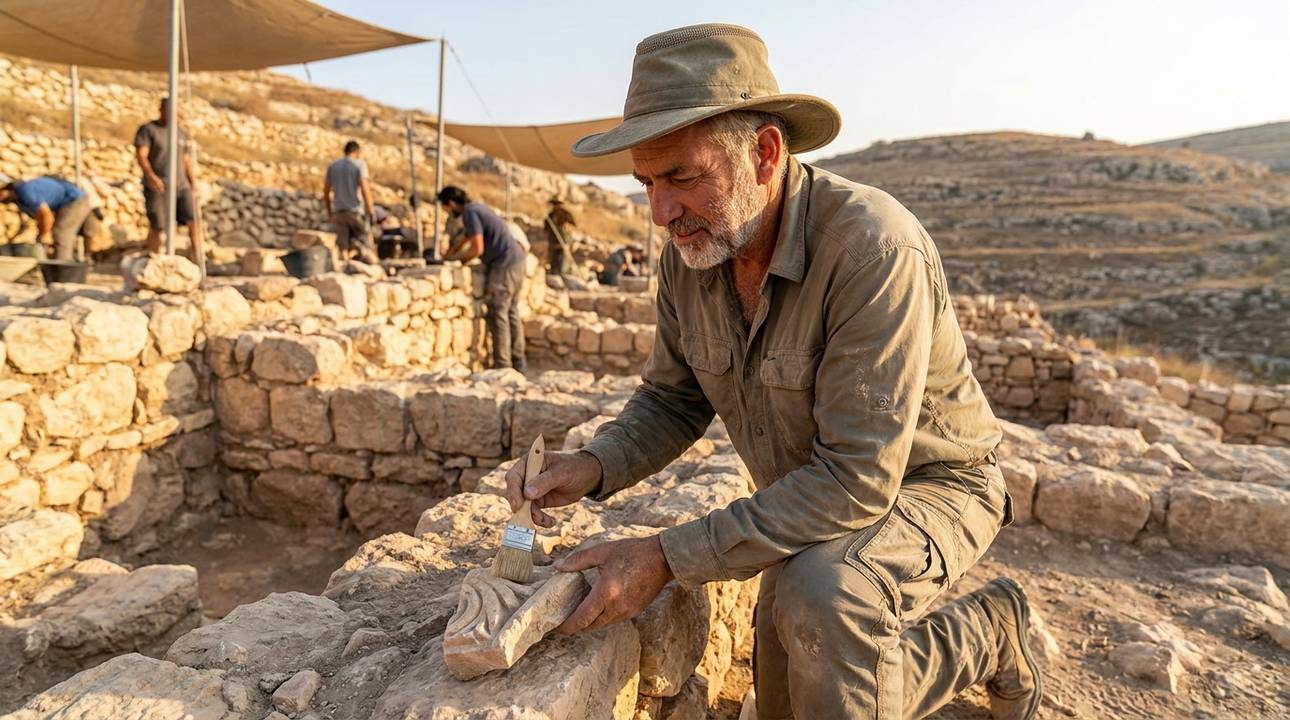
Ramah’s potential sites are examined through archaeological methods, including excavation and artifact analysis. Tell en-Nasbeh is a prominent candidate, offering clues about the city’s historical context. These efforts connect ancient narratives with tangible evidence, enriching our understanding of history.
from the Western Wall to Masada.
Archaeologists use techniques like stratigraphy and radiocarbon dating to uncover layers of history, seeking to confirm Ramah’s identity. Ongoing research enriches scholarship and connects modern audiences with the ancient world.
The search for Ramah’s location involves examining ancient texts and archaeological evidence. Scholars often focus on sites near Ramallah, with Tell en-Nasbeh being a strong candidate. These explorations enhance our understanding of historical geography, providing a deeper appreciation of the land’s cultural heritage.
Cultural Impact of Ramah in Tradition
Ramah’s cultural impact is evident through its recurrence in historical accounts. The city’s role as a religious and political center is a sign of its influence, manifesting in stories that continue to resonate in teachings. Its cultural heritage fascinates scholars and enthusiasts alike.
Ramah’s significance in history is highlighted by Samuel anointing Saul as the first king of Israel. This underscores its role as a place of encounter and legacy, with its strategic location near Jerusalem making it a key player in the political and religious landscape.
The city’s history is emphasized by its strategic location, influencing military campaigns and political alliances. Ramah’s legacy as a center of leadership and prophecy is remembered through study and reflection, offering insights into the complexities of society.
Ramah’s strategic importance is underscored by its involvement in the conflict between King Asa and Baasha of Israel. This highlights its role in the political and military dynamics of the time, reflecting its importance as a center of leadership and governance.
What Is the Importance of Ramah Today?
Today, the area identified as Ramah remains of interest to archaeologists and theologians. This site evokes past connections and significance through its stories. Efforts to unravel its mysteries continue, symbolizing historical exploration and cultural memory.
Ramah in Poetry and Prophecy
Ramah appears in poetic and prophetic sections, often symbolizing lamentation. Its mention captures a poignant moment of mourning during the Babylonian exile, reflecting themes of loss and resilience that resonate through history and tradition.
The lamentation associated with Ramah symbolizes sorrow for the children of Israel, illustrating its role as a place of deep emotional significance. The city’s legacy in literature highlights its enduring presence in the shared history of the Jewish people.
Ramah’s Influence on Jewish Thought
Jewish texts have long revered Ramah for its historical and spiritual dimensions. It evokes themes of guidance, leadership, and divine intervention. In the Talmud, Ramah is associated with Samuel’s wisdom and prophetic insight, playing a crucial role in guiding Israel.
Ramah’s significance is underscored in tradition by its association with Rachel’s lament, symbolizing collective mourning and hope for redemption. This account resonates deeply, offering a poignant reminder of perseverance and hope.
Understanding Ramah in the Bible
