
Unveiling Ramah’s Location and Significance in the Bible


Ramah is frequently mentioned in historical texts as a significant location, but where exactly was it? Understanding its geographical and historical placement provides insight into its role in historical narratives. This article uncovers the layers of history surrounding Ramah, delving into its location, historical references, and importance. It is thought to be located in the region of Benjamin, near Gibeah, and its mention in ancient texts highlights its importance in the story of leadership transitions.
The association with key figures and events in historical texts underscores Ramah’s significance as a center of spiritual and political activity. Its role in the narratives of leadership highlights its legacy as a symbol of guidance in historical contexts. Ramah’s strategic location in historical narratives is still remembered by those who seek to understand the mix of history.
from the Western Wall to Masada.

Ramah’s position in the region of Benjamin made it a key site in historical narratives. It is often associated with significant events and figures, such as leaders of the time. Exploring its history provides a deeper understanding of its role in shaping the spiritual and political landscape, showing the lives and decisions of its leaders.
Ramah served as a center for judgment and prophecy, with Samuel’s presence marking it as a place of spiritual significance. His leadership and guidance were crucial during a time of transition for the Israelite nation.
Its role in these narratives underscores its importance as a symbol of authority and divine guidance in the Hebrew Bible.
Ramah’s strategic location is highlighted in historical accounts, where leadership was exercised under significant landmarks.
This area was not only geographically significant but also vital for leadership, as leadership was crucial during periods of governance.
The proximity of Ramah to these key historical events underscores its role as a significant landmark in history, serving both as a judicial center and a symbol of guidance.
Ramah’s association with leadership during times of conflict highlights its importance as a center of authority and judgment. The stories of leaders illustrate its role in guiding the nation through challenging times.
Its position between key sites like Bethel and Gibeah further emphasizes its significance in historical narratives.
What Is the Location of Ramah?
Ramah, a town frequently mentioned in historical texts, was located in the region of Benjamin, approximately 5 miles north of Jerusalem. This location placed it in a strategic position, acting as a geographical marker between key sites.
By serving as a buffer zone against northern territories, its presence is well noted in accounts of battles and other historical events. Its strategic importance is evident in its role during conflicts, as described in historical accounts.
Ramah’s significance in historical narratives is further highlighted by its association with key figures. Its role as a center of leadership and prophecy underscores its importance in the spiritual and political landscape. The strategic location and its role in historical narratives is still remembered by those who seek to understand the mix of history.
Identifying Ramah’s precise location helps in understanding the context of historical events. Its proximity to Jerusalem and other significant sites like Bethel made it a focal point in historical narratives.
Ramah’s location also played a part in leadership stories, as it was near this town that leaders encountered significant events, marking pivotal moments in history.
The strategic placement of Ramah in the region of Benjamin, about 5 miles north of Jerusalem, served as a geographical marker between key sites. Its location facilitated communication and travel between these important areas, enhancing its role in historical narratives.
Understanding Ramah’s geographical context provides deeper insights into the stories of historical texts and the lives of its central figures.
Ramah’s Role in Historical Narratives
Ramah is first mentioned in historical contexts, as significant figures were known to have lived there. It became a central place not only for leadership but also in relation to governance.
Its significance is further highlighted during conflicts described in historical accounts. Proximity to Bethel made it a focal point during military campaigns. Ramah’s role in these events underscores its strategic and spiritual importance in early society.
The association with key figures and events in historical texts highlights Ramah’s importance as a center of spiritual and political activity. Its strategic location and role in the narratives of leadership underscore its legacy as a symbol of guidance in historical contexts. Proximity to key sites like Bethel and Gibeah further emphasizes its significance in historical narratives.
Ramah’s association with leadership made it a place of significance, where leaders judged and made decisions. Its location near key sites like Bethel and Gibeah added to its importance as a center of leadership and decision-making.
These locations were pivotal in historical narratives, further enhancing Ramah’s strategic and spiritual importance.
Ramah’s strategic position and role in historical narratives highlight its legacy as a symbol of guidance and authority. Its proximity to Jerusalem, about 5 miles north, made it a crucial point in the region of Benjamin. The role in leadership transitions underscores its significance in historical governance.
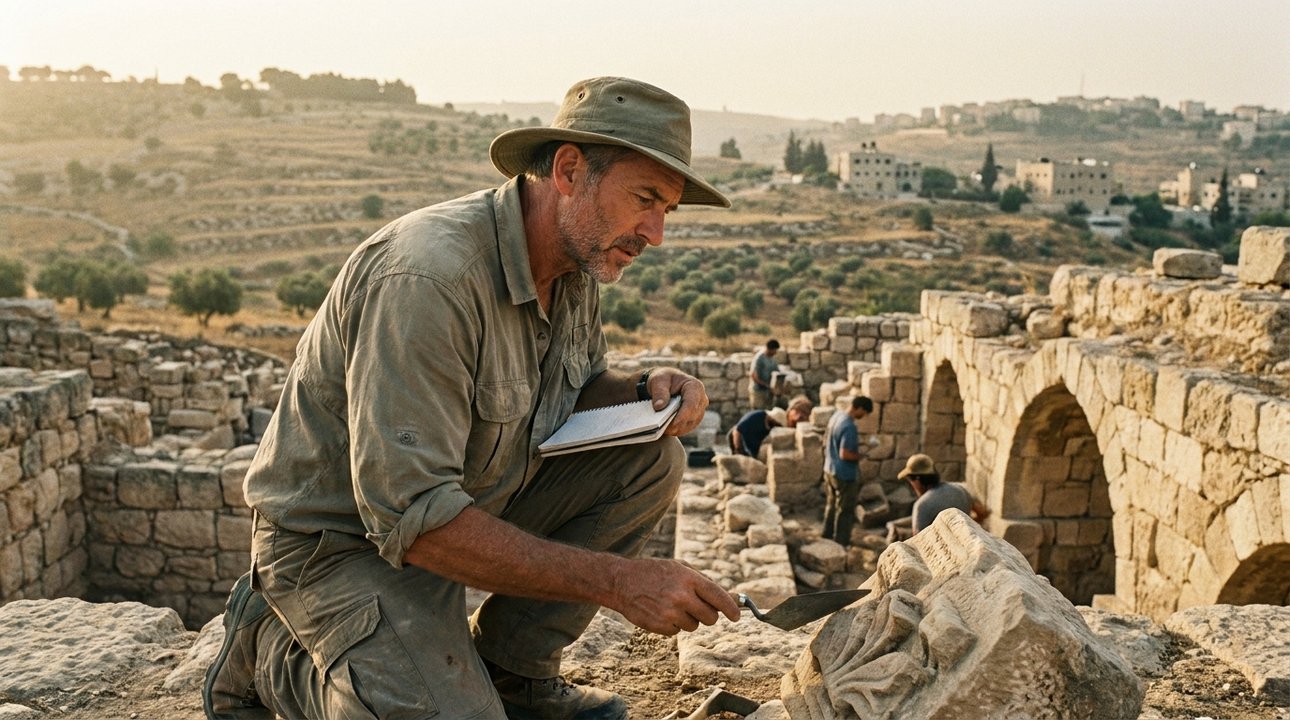
Ramah in the Time of Samuel
Ramah’s residence of key figures made it a spiritual center in its own right. As leaders, they conducted important activities there, including leading in devotion and judgment.
Its role in enabling transitions of leadership illustrates its prominence in history. Ramah acted as a fulcrum during pivotal shifts, marking significant turning points in governance.
The association with leadership highlights Ramah’s role as a center of spiritual and political activity. Its significance in transitions underscores its importance in historical narratives, as it served as a backdrop to key events in history. The stories of leaders illustrate its legacy as a site of leadership and prophecy.
Ramah’s presence also made it a place of refuge and guidance. It was here that altars were built to honor significant events.
The association with leadership highlights its role as a spiritual and political hub, where critical decisions were made that shaped the future of the nation. Ramah’s legacy as a center of leadership and prophecy continues to be a focal point in historical studies.
Ramah’s significance is further underscored by its role in the transition from the period of judges to the era of kings. Samuel’s leadership during this time was pivotal, as he anointed Saul as the first king of Israel.
This event, recounted in 1 Samuel 10, marked a turning point in Israel’s history, with Ramah serving as a backdrop to these transformative moments.
from the Western Wall to Masada.
Ramah During the Divided Kingdom
Following significant reigns, Ramah became more strategically important. When the kingdom divided, it was fortified to control movements between the northern and southern regions. This fortification demonstrated its military and political significance.
The act provoked intervention by other leaders, who eventually overthrew control. Alliances were crucial in dismantling fortifications.
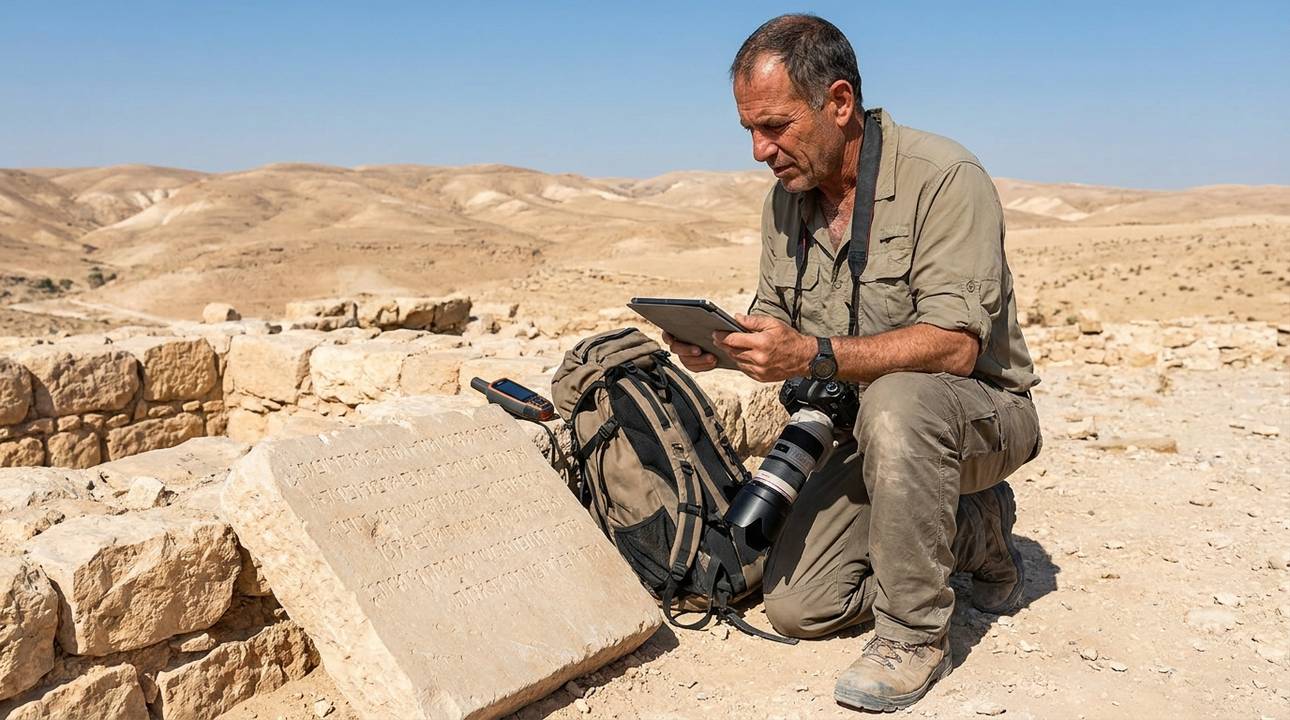
Archaeological Evidence and Ramah’s Location
Archaeologists have proposed various sites for Ramah, with some suggesting Er-Ram due to its geographical match with historical descriptions.
The site is located approximately 8 kilometers north of Jerusalem, aligning with historical accounts where significant events took place near notable landmarks. Excavations and surveys continue to provide insights into settlement patterns, although definitive identification is complex.
Historical records and artifacts are still being studied to pinpoint Ramah’s exact location.
The lack of definitive artifacts solely identifying as Ramah has kept the exact site a topic of ongoing research and debate. Scholars often rely on historical texts and geography to hypothesize its location.
The ongoing exploration of sites in the region contributes to our understanding of the past, offering glimpses into the daily lives of its inhabitants and the cultural landscape of the time.
Despite the challenges in pinpointing Ramah’s exact location, its significance in history remains undiminished. The association with key figures and events in historical texts highlights its importance in the spiritual and political narratives.
Continued research and exploration promise to shed more light on this enigmatic site and its role in the historical world.
Ramah in Later Texts
In later historical texts, Ramah appears as a place marking exile and loss. It is used metaphorically as a symbol of mourning, especially poignant referring to significant events.
This metaphorical use enriches Ramah’s legacy beyond its historical confines to a place of emotional resonance and cultural memory within historical literature. It is also mentioned in the context of warning and lamentation, further embedding it in the narrative of trials.
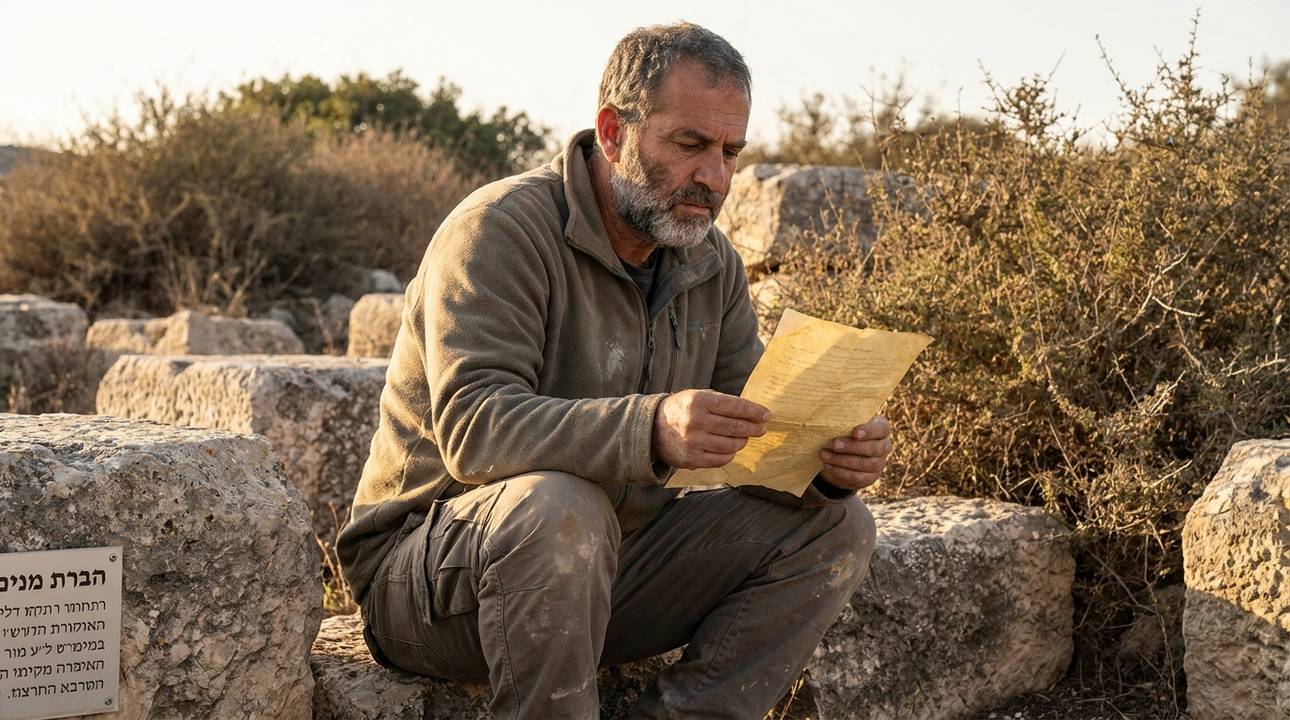
Ramah Today
Today, the region aligned with Ramah retains history. Scholars and tourists alike explore these areas to connect with the past. The area near modern-day Ramallah is often associated with Ramah, and its historical relevance is noted in various accounts, where significant judgments took place. While modern maps may not seamlessly align with ancient texts, the cultural memory of Ramah continues to draw interest and study.
The exploration of Ramah and its surrounding areas offers valuable insights into the ancient world. Visitors to the region can experience the historical and cultural richness that Ramah represents, connecting with the stories and events that shaped historical narratives. This ongoing interest in Ramah highlights its importance as a site of spiritual and historical importance.
Ramah’s story is established in heritage, offering profound insights into the historical and spiritual landscape. It is notably connected to significant figures, who were important in historical texts. Their association with Ramah is mentioned in historical accounts, where altars were built and judgments made. The site’s mention in prophetic texts highlights its legacy and cultural role.
As a place of judgment and prophecy, Ramah’s history is reflected in its continued exploration and the ongoing interest in its historical connections. It served as a center for leadership, where decisions impacting the nation were made. Its role in historical narratives underscores its importance, making it a focal point for scholars and those interested in the history of Israel.
Conclusion: Why Ramah Matters
The story of Ramah goes beyond simple geography. Its role in historical narratives, marked by strategic and spiritual significance, underscores its importance. Ramah is mentioned in historical texts, where a voice of lamentation is heard, symbolizing the sorrow of a nation.
Understanding Ramah provides deeper insights into historical events and the perpetual connection of people to this historical land. This connection is reflected in its frequent mention as a site of prophecy and leadership.
Ramah’s mention in historical texts as a place of lamentation and prophecy highlights its role as a symbol of struggles and hopes. Its strategic location and association with key figures emphasize its importance in the spiritual and political narratives. Ramah’s legacy is still remembered by those who seek to understand the mix of history.
Even today, as research continues, Ramah enriches our comprehension of geography and cultural history, preserving its place in a mix of landscapes. The legacy is intertwined with the stories of key figures, offering a window into the spiritual and political dynamics. Ramah’s importance is a sign of its role as a center of leadership and prophecy.
The ongoing exploration of Ramah and its surroundings provides valuable insights into the ancient world. Scholars and archaeologists continue to study the area, seeking to understand the cultural and historical context of events.
This research not only enhances our knowledge of Ramah but also contributes to a greater understanding of the broader historical landscape.
Ramah in Historical Texts
