Understanding the Wilderness of Maon


The Wilderness of Maon holds significant historical importance. Situated in the southern region of what is now Israel, it is referenced in various historical texts. This area served as a refuge for those seeking safety. This article examines its relevance, the events that occurred here, and Maon’s role in connecting readers to Israel’s history. This wilderness stands as a sign of the determination and faith of those who inhabited these challenging landscapes.
The history of this area is further highlighted by its proximity to other key locations, such as Hebron, which played a vital role in the lives of the patriarchs. The Wilderness of Maon offers a glimpse into the past, where stories of survival and leadership unfolded amidst its rugged terrain. Exploring this region provides a deeper understanding of the narratives that have shaped Jewish heritage and is still remembered by those who visit today. The connection to historical figures adds to its historical allure.
from the Western Wall to Masada.
The strategic location and natural defenses of the wilderness made it an ideal refuge for those seeking safety. Its proximity to Hebron and other significant sites enhances the region’s historical and cultural role. Visitors to Maon can experience the landscape that played a crucial role in these ancient narratives, deepening their connection to Israel’s history. The tales of leadership that unfolded here are still remembered and offer valuable insights into Jewish tradition.
Where Is the Wilderness of Maon Located?
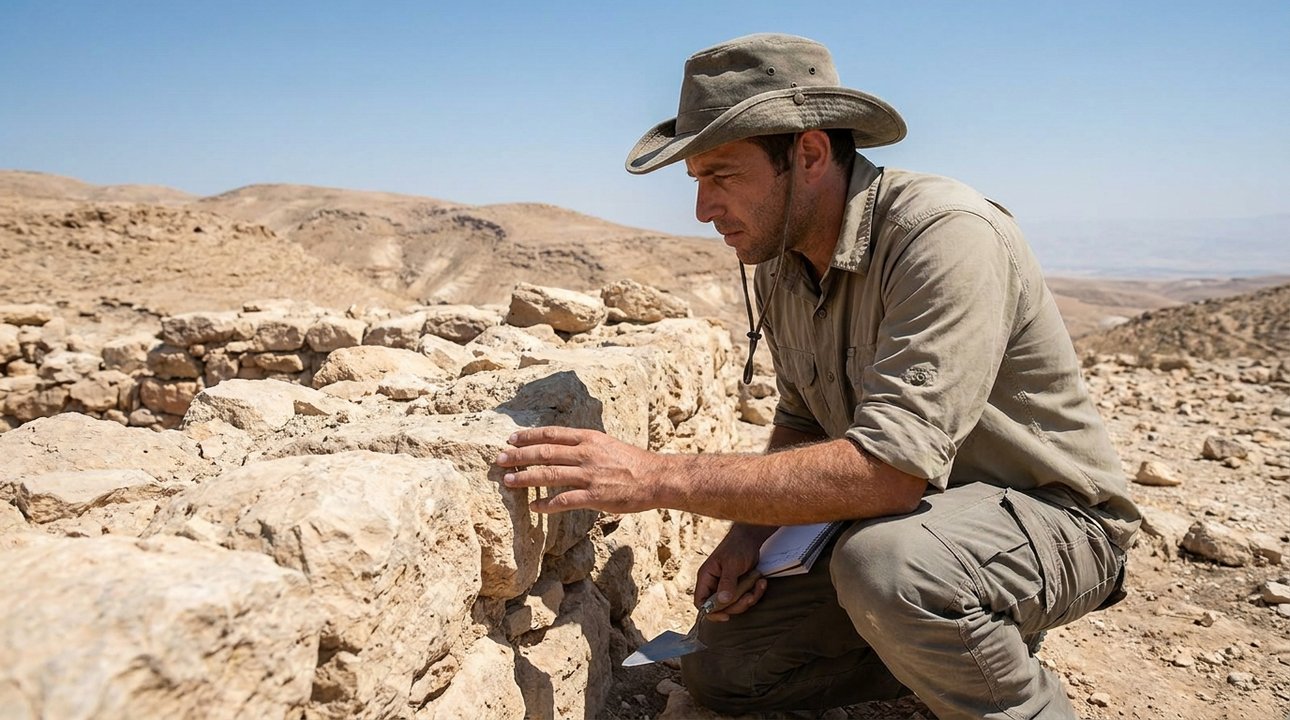
The Wilderness of Maon is located in the southern part of what was historically Judea. This area is characterized by its rugged terrain and sparse vegetation, making it both a challenging and strategic location.
In historical times, Maon was near the border of the lands inhabited by the tribes, such as Judah and Simeon.
This setting allowed it to become a place of refuge and strategic importance.
The natural defenses provided by the wilderness, due to its rocky hills and limited access to water, were significant advantages for those seeking safety. The region’s history is further highlighted by its proximity to other key locations, such as the city of Hebron, which was an important center in the time of the patriarchs. This geographical context underscores its role as a haven for those in need of protection. The rugged terrain and strategic location made it a sought-after refuge.
The natural defenses of this wilderness, combined with its strategic location, made it an ideal refuge for those seeking safety from conflict or danger. Its proximity to Hebron and other significant sites adds to the region’s historical and cultural role. The stories of survival and leadership that unfolded in Maon are still remembered by those who explore its rugged terrain. The connection to historical figures enhances its appeal to those interested in understanding Israel’s history.
Historical Context of Maon
Maon is mentioned in historical texts, particularly in reference to the story of David. This wilderness served as a refuge while fleeing from pursuit, showcasing its history as a place of hiding and survival. The wilderness served as a backdrop for growth and development as a leader. This story is still remembered by those who reflect on themes of perseverance.
The link between Maon and historical figures is a powerful reminder of the region’s historical and cultural role. The wilderness provided a sanctuary during a critical period, shaping character and leadership skills. The narratives that unfolded in Maon continue to offer valuable insights into the challenges and triumphs faced by those who sought refuge in its rugged terrain. The area’s mention in historical texts underscores its importance as a place of refuge and transformation.
The narrative of leadership in this wilderness highlights the challenges and trials faced, which ultimately contributed to character and leadership. During this time, many reflections were composed, reflecting a journey and reliance on inner strength.
The harsh conditions tested resilience, shaping one into a revered leader. This story has been a source of inspiration and reflection within Jewish tradition, emphasizing themes of perseverance and guidance.
David’s experiences in the wilderness are often seen as a period of preparation for his future role as king. The trials he faced in Maon and other regions were crucial in developing his leadership skills and deepening his understanding of his responsibilities. These experiences are captured in the Psalms, which is still remembered and offer guidance to those who seek strength in times of adversity. David’s journey through the wilderness is a sign of the transformative power of faith and resilience.
Maon in Historical Records
Beyond the historical texts, Maon is referenced in accounts such as those by Josephus in ‘The Antiquities of the Jews.’ These records provide additional insights into the strategic and cultural role Maon played.
Josephus, a first-century Jewish historian, provides a detailed account of the region’s significance during the Roman period, highlighting its continued importance long after the Roman era. This combination of sources underscores Maon’s enduring role in Israel’s history.
The historical accounts of Maon offer a comprehensive understanding of its significance in the ancient world. The region’s strategic location and natural defenses made it a valuable asset for various rulers and leaders. The stories and records that mention Maon continue to provide valuable insights into its role in Israel’s history. The legacy of Maon is a sign of its impact on Jewish heritage and its influence on the narratives that have shaped the region’s history.
The historical accounts offer a fuller picture of Maon’s place in the ancient world. The strategic location of Maon, with its natural defenses and proximity to key trade routes, made it a valuable asset for various rulers and leaders throughout history.
This multifaceted significance is reflected in the various stories and records that mention Maon, illustrating its lasting impact on the region’s history. Josephus, a first-century Jewish historian, also references Maon, providing additional insights into its role during the Roman period.
The combination of historical sources underscores Maon’s enduring importance in Israel’s history. The region’s strategic location and natural defenses made it a sought-after area for those seeking refuge or control over key trade routes. These factors contributed to Maon’s significance as a center of activity and influence in the ancient world. The stories and records that mention Maon continue to offer valuable insights into the region’s history and its impact on Jewish heritage.
Geography and Challenges of Maon
Maon’s geographic features include rocky hills and limited water sources, creating a challenging environment for inhabitants. The terrain is similar to that of the Judean Desert, known for its arid conditions.
These natural barriers also provided defense and seclusion, offering a safe haven for those seeking refuge from conflict or danger. The area is mentioned in historical texts, highlighting its strategic importance throughout history.
The challenging environment of Maon required inhabitants to be resourceful and resilient, traits that are reflected in the stories associated with the region. Its strategic location and natural defenses made it a sought-after refuge for those seeking safety. The connection to historical figures adds depth to Maon’s historical and cultural role. The rugged terrain and limited resources are still remembered by those who explore its ancient narratives and seek to understand its impact on Jewish tradition.
The natural defenses of the wilderness made it an ideal location for those needing protection. The rugged terrain and scarce resources required inhabitants to be resourceful and resilient, traits that are reflected in the stories associated with the region. Maon’s landscape provided both challenges and opportunities for those who called it home, contributing to its historical and cultural role.
The challenges of living in the wilderness fostered a sense of community and cooperation among those who sought refuge there. The ability to adapt and survive in such a harsh environment is a sign of the strength and determination of those who lived in Maon. The area’s history is further underscored by its proximity to other key locations, such as Hebron, which was an important center during the time of the patriarchs. This geographical context highlights its role as a haven for those in need of protection.
from the Western Wall to Masada.
Cultural Role of Maon
The cultural impact of Maon extends to its influence on art and storytelling within Jewish tradition. The area’s mention in the narrative of David and Saul adds depth and texture to its story. This connection has inspired reflections on themes of survival, leadership, and divine protection.
In Jewish tradition, David’s time in the wilderness is seen as a period of growth and preparation for his future leadership, a theme echoed in many of the Psalms attributed to him. Psalm 18, for example, reflects David’s gratitude for deliverance from his enemies.
The legacy of Maon in Jewish culture is reflected in the art and literature that draw inspiration from its stories. The themes of perseverance and protection that emerge from time in the wilderness continue to resonate with those who seek strength in adversity. The area’s historical and cultural role is further enriched by its connection to other key sites, enhancing its appeal to those interested in exploring Israel’s ancient narratives. Maon’s influence on Jewish tradition is a sign of its lasting impact.
The trials and triumphs of David’s time in Maon are often reflected in the Psalms, which capture the emotional and spiritual journey of this formative period. These writings have been a source of inspiration and reflection for generations, highlighting the enduring impact of Maon’s story on Jewish culture and tradition. The wilderness experience is seen as a crucial part of David’s development as a leader and a sign of his faith and resilience. In Psalm 63, for example, David expresses his longing for spiritual sustenance while in the wilderness.
David’s time in the wilderness of Maon is a powerful example of how adversity can lead to personal growth and spiritual insight. The Psalms, which often reflect David’s experiences, continue to resonate with those who seek strength and guidance in challenging times. The connection between David’s trials and his spiritual development is a central theme in Jewish tradition, emphasizing the importance of faith and perseverance. This legacy is a sign of the transformative power of the wilderness experience.
Maon in Archaeological Studies
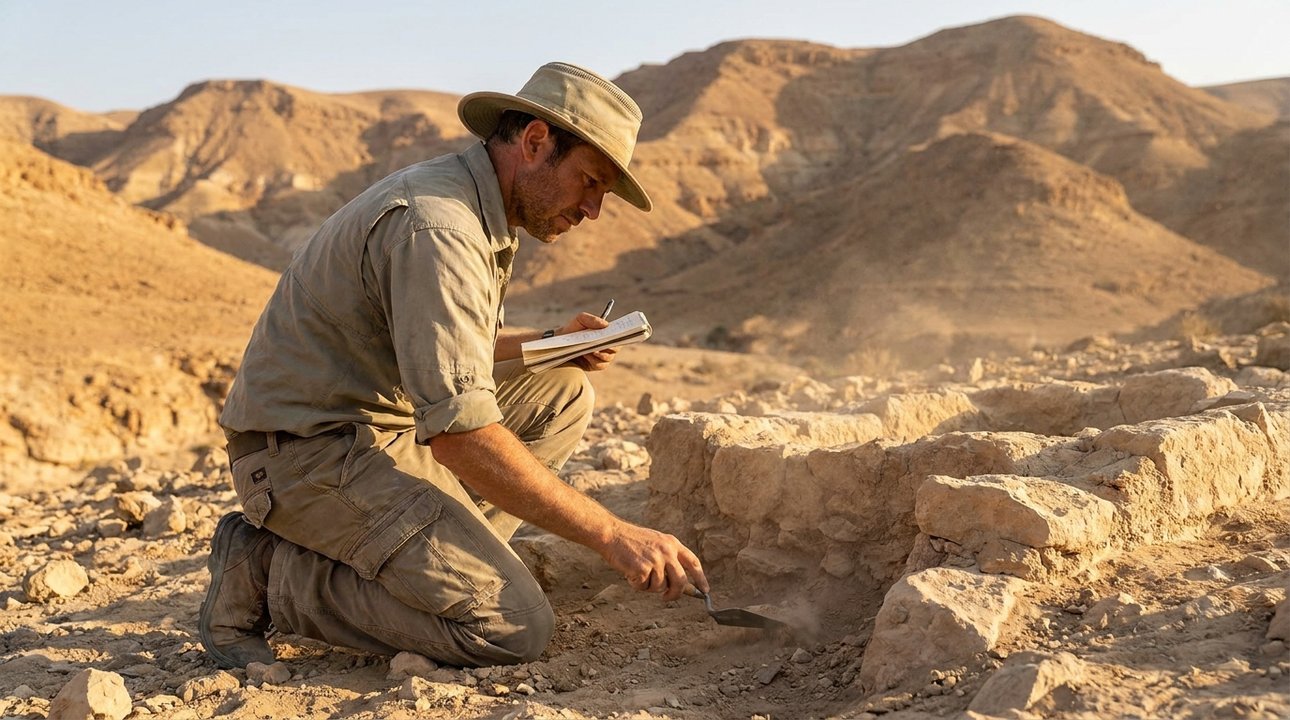
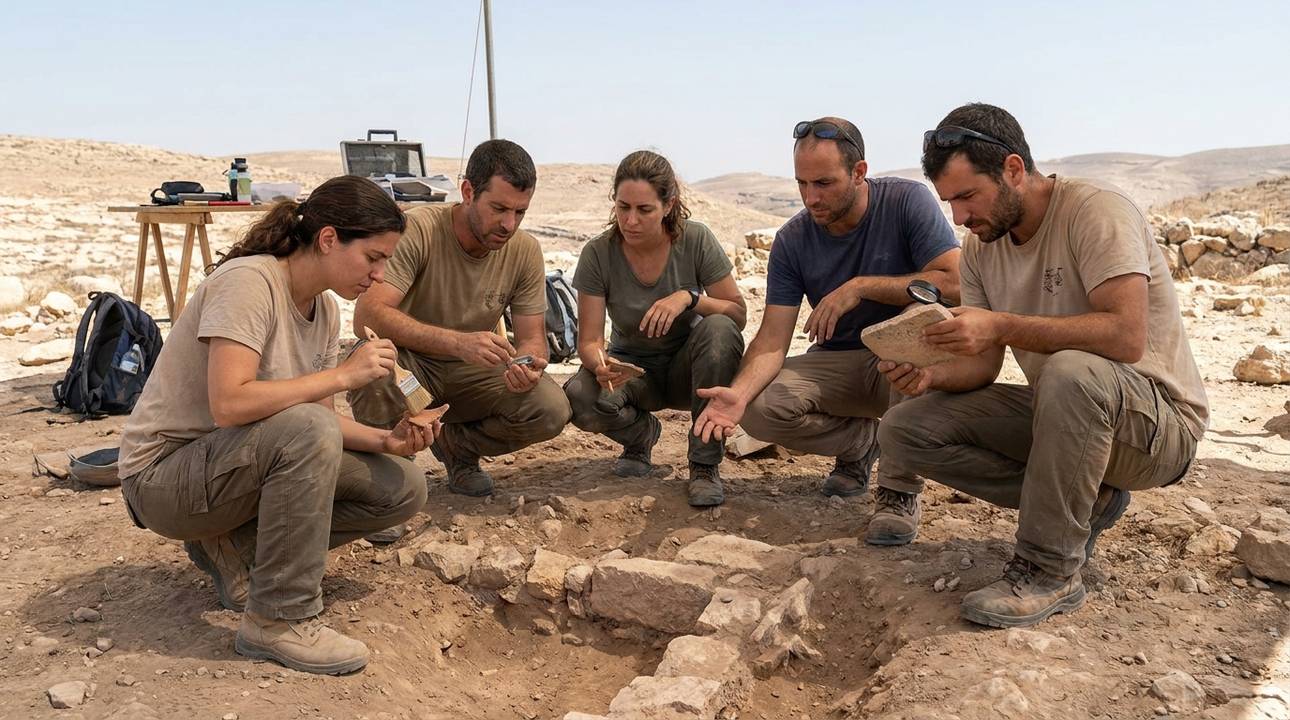
Recent archaeological studies in the Maon region have attempted to uncover remnants of ancient settlements. Although findings are limited, they continue to offer a glimpse into the lives of those who dwelled there.
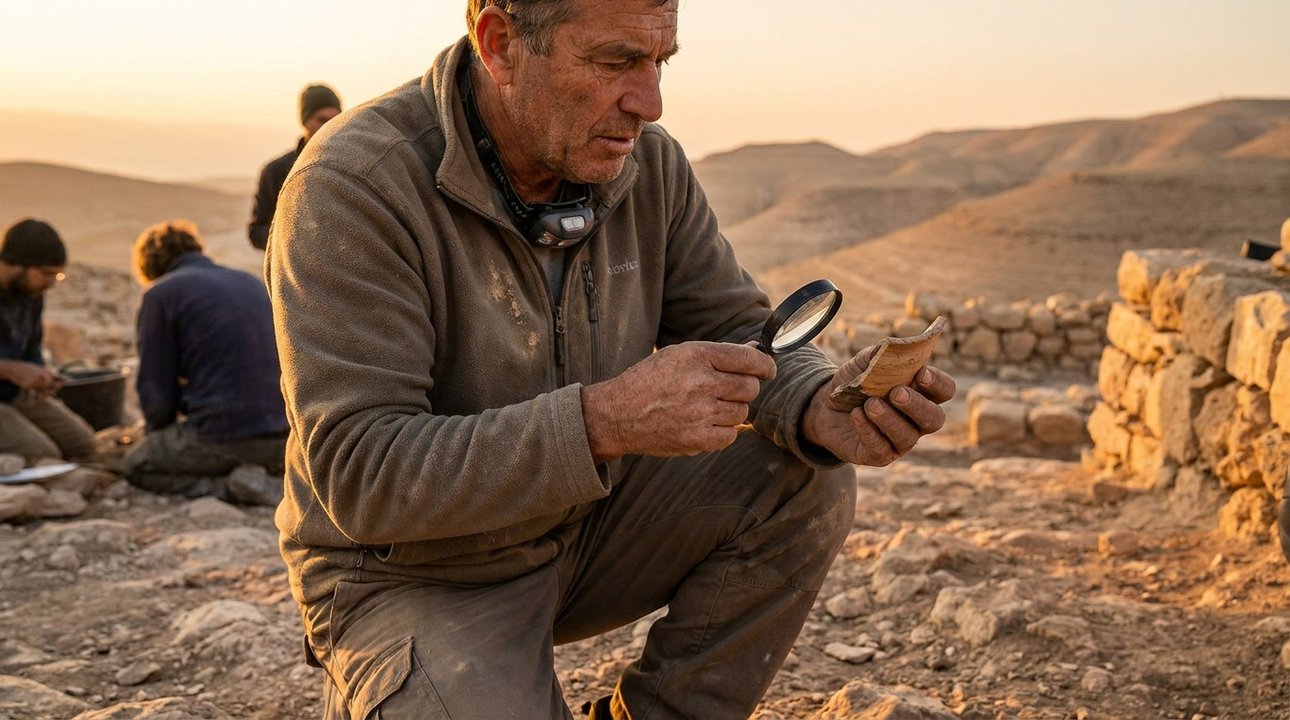
These efforts highlight the ongoing scholarly interest in understanding Maon’s historical role. Excavations have revealed pottery shards and remnants of ancient dwellings, suggesting a once-thriving community.
The discoveries contribute to our knowledge of the daily lives and survival strategies of ancient inhabitants.
Present-Day Understanding of Maon
Today, the Wilderness of Maon remains a topic of interest for historians and tourists alike. Its rugged beauty and history offer a window into the past. The area is located near the modern-day city of Hebron, which adds to its accessibility for those interested in history. While access may be limited due to the terrain, the interest in Maon’s history continues to thrive, drawing visitors who wish to explore its ancient narratives. The region’s connection to historical figures enhances its appeal.
The wilderness’s natural beauty and historical depth provide a unique opportunity for visitors to connect with Israel’s heritage. The stories of survival that unfolded in Maon are still remembered by those who explore its rugged terrain. As interest in history grows, the Wilderness of Maon remains a significant destination for those seeking to understand the narratives that have shaped Jewish tradition. The area’s proximity to other key sites further enriches the visitor experience.
The region is often associated with stories of leadership and survival, providing a tangible link to these ancient narratives. Visitors to the area can experience the landscape that played a crucial role in these stories, deepening their connection to Israel’s history. This wilderness serves as a reminder of the endurance and perseverance of those who once sought refuge in its rugged terrain.
The rugged landscape of Maon offers a unique opportunity to walk in the footsteps of historical figures, providing a sense of connection to the past. This wilderness is not only a place of history but also a sign of the enduring spirit of those who lived there. This connection to the past is further enriched by the area’s proximity to other significant locations, such as Hebron, enhancing its appeal to those interested in exploring Israel’s ancient narratives.
Conclusion: Maon’s Legacy
The Wilderness of Maon continues to capture the imagination of those interested in history and Jewish heritage. Its rugged landscape and storied past serve as reminders of the endurance and survival that characterized its history. The area is known for its connection to historical figures, who sought refuge here. This connection enriches the understanding of Israel’s complex historical tapestry, as Maon played a crucial role in the narratives of the Hebrew Bible.
The legacy of Maon is reflected in the stories of leadership that emerged from its rugged terrain. The wilderness served as a backdrop for significant events, offering valuable insights into the challenges faced by those who sought refuge there. The area’s historical and cultural role is still remembered by those who explore its ancient narratives. The connection to historical figures enhances the understanding of Israel’s heritage and its impact on Jewish tradition.
The wilderness’s harsh conditions and strategic location made it a focal point for stories of leadership. The region’s historical and cultural role is further accentuated by its proximity to other sites, such as Hebron, which played a key role in the lives of the patriarchs. This enhances its allure for historians and tourists alike.
Exploring Maon’s history offers a deeper connection to the ancient stories that have shaped Jewish tradition and identity. The wilderness served as a backdrop for many pivotal events, including the trials faced by David, which are echoed in the Psalms. These narratives is still remembered and offer insights into the perseverance and leadership qualities that are celebrated in Jewish heritage. The area’s rugged terrain and historical depth provide a tangible link to these enduring stories.
Understanding Maon's Significance