
Unveiling the Mysteries of the Ten Plagues in Exodus
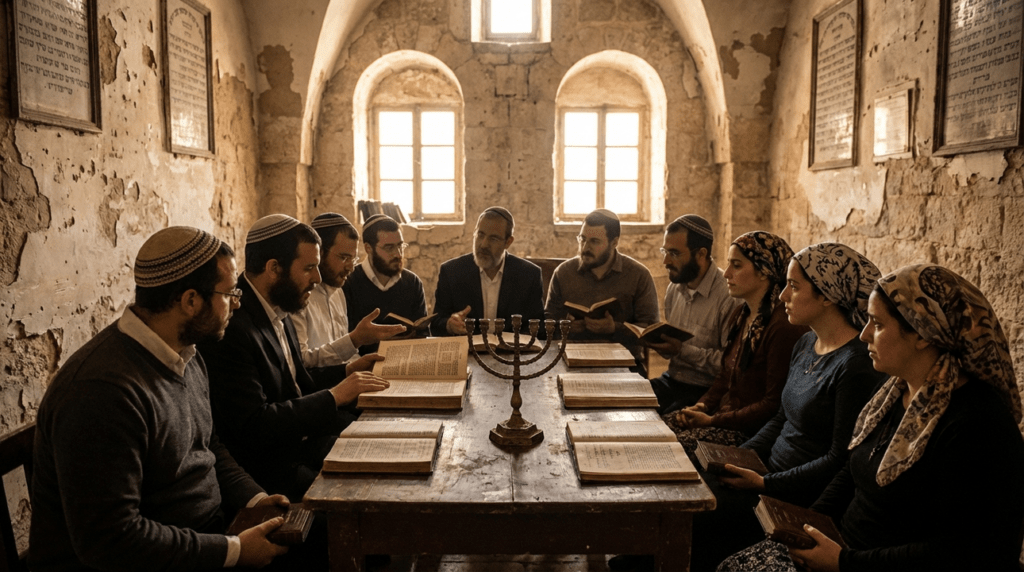

The ten plagues of Exodus are renowned as one of the most dramatic sequences in the Torah. These events unfold in the Book of Exodus, chapters 7 through 12, and are pivotal in the narrative of the Israelites’ liberation from Egypt. Each calamity, from the turning of water into blood to the death of the firstborn, serves as a divine statement against the oppression of the Hebrews.
These occurrences are not just historical; they hold profound mystical significance in Jewish thought. They are seen as manifestations of divine justice and power, challenging the authority of Pharaoh and the pantheon of Egyptian gods. For instance, the first plague targets the Nile, revered as a deity, thus undermining the Egyptians’ faith in their gods.
Join us on a journey through these events, uncovering the deeper spiritual messages conveyed in each. By exploring the symbolic meanings and the historical context, we gain insights into the enduring lessons of resilience and faith. This exploration not only enriches our understanding of the Torah but also connects us to the timeless struggles for freedom and justice.
The Ten Plagues: An Overview
In the biblical book of Exodus, ten plagues were sent upon Egypt as a divine demonstration of power. From the waters turning to blood to the death of the firstborn, these plagues aimed to compel Pharaoh to release the Israelites from slavery.
This sequence is not merely an ancient tale; within each plague lies symbolism that resonates deeply in Jewish mysticism. The number ten itself is significant, reflecting completion and totality in biblical contexts.
from the Western Wall to Masada.

The first plague, turning the Nile to blood, struck at the lifeline of Egyptian civilization. This event is detailed in Exodus 7:14-24, where the waters of the Nile, a source of sustenance and worship, were transformed into blood, rendering them undrinkable. The Nile was revered as a god, and this miraculous change challenged its perceived power.
In Jewish mysticism, water symbolizes knowledge and transformation, marking the beginning of a profound spiritual journey. The transformation to blood signifies both life and judgment, illustrating the dual nature of divine intervention—nurturing and corrective.
This plague set the stage for the subsequent plagues, each building on the theme of challenging false idols and demonstrating the supremacy of divine will. It marked the start of a series of events that would ultimately lead to the liberation of the Israelites from bondage.
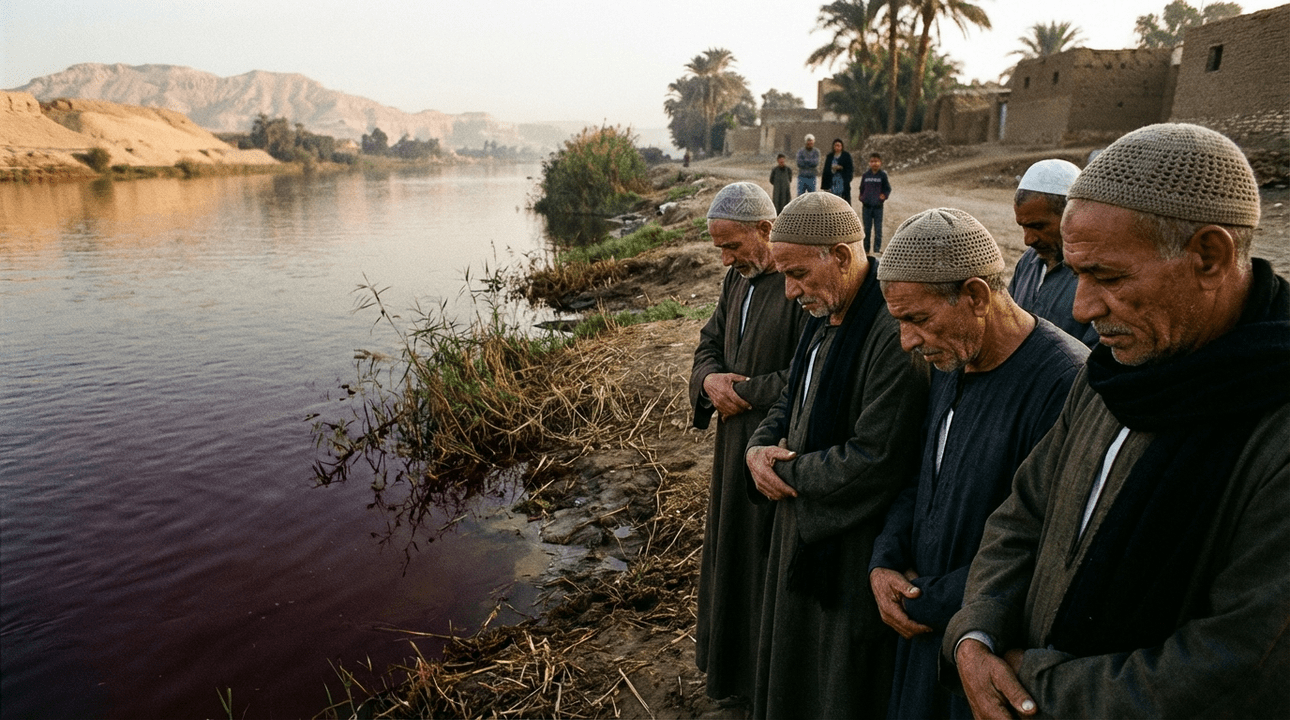
The second calamity brought frogs, inundating every corner of Egypt. This event is described in Exodus 8:1-15, where frogs emerged from the Nile, invading homes and disrupting daily life. It was a direct challenge to the Egyptian goddess Heqet, often depicted as a frog, who symbolized fertility and renewal.
Frogs symbolize chaotic destruction, but also rebirth and renewal in Kabbalistic thought. In Kabbalah, frogs are seen as creatures that bridge the worlds of water and land, embodying transformation and change. This reflects the duality needed for liberation—breaking old paradigms to usher in new realities.
Each of these events carries its Kabbalistic representation of spiritual struggle. The frogs represent the chaos that precedes rebirth, a necessary step in the journey toward freedom. Collectively, these events illustrate the dismantling of oppressive structures, both physical and spiritual, paving the way for the Israelites’ emancipation.
Decoding the Spiritual Significance
The ten plagues escalate in severity, each with its unique target and metaphorical meaning. They move from the natural elements to the human realm, signifying a deepening spiritual assault.
Locusts, for instance, symbolized desolation and material loss, stripping Egypt of its resources, echoing the loss of spiritual awareness. Darkness, a later calamity, was a tangible revelation of spiritual blindness.
Rashi, the famed medieval commentator, explains how each event was a direct affront to specific Egyptian deities. For example, the outbreak of boils, described in Exodus 9:8-12, was a challenge to the god Imhotep, associated with healing and medicine. Kabbalistic texts delve further, revealing how these occurrences dismantled the structure of Egyptian idol worship.
The confrontation between Moses and Pharaoh becomes a cosmic battle for spiritual dominion. Moses, as a prophet, represents the divine will, while Pharaoh embodies earthly power and resistance to change. This narrative is woven with themes of redemption and divine justice.
Each calamity acts as a step in the process of liberation, not only freeing the Israelites physically but also spiritually. They serve as a testament to the power of faith and the inevitability of divine justice in the face of tyranny.
In Kabbalistic tradition, each event combats a different aspect of ancient wickedness. This perspective is rooted in the belief that they were not arbitrary but targeted specific spiritual and moral failings. For example, the lice outbreak, described in Exodus 8:16-19, attacked the pride and purity associated with Egyptian priests, who could not perform rituals when unclean.
This systemic dismantling reflects the Hebrews‘ journey from spiritual bondage to freedom. These events serve as metaphors for the internal struggles one must overcome to achieve liberation. They symbolize the breaking of chains, both seen and unseen, that bind individuals to oppressive forces.
The occurrences challenge not only Pharaoh but the very forces of chaos that held sway over Egypt. Pharaoh’s refusal to release the Israelites is met with escalating divine intervention, each step toward dismantling the oppressive regime. Through these trials, the essence of divine intervention is laid bare.
from the Western Wall to Masada.
The darkness, for example, represents more than the absence of light. In Exodus 10:21-29, this event enveloped Egypt in a palpable darkness for three days, a darkness so thick it could be felt. In Kabbalah, this signifies an overwhelming abundance that blinds the unworthy, suggesting that true enlightenment is reserved for those who seek it with sincerity.
It underscores the idea that spiritual growth requires light—the discernible truth of wisdom. Darkness, in this context, becomes a metaphor for ignorance and spiritual blindness, a state that must be transcended to achieve true understanding.
Such symbolic interpretations enrich the narrative, connecting readers to the timeless lessons. By contemplating the deeper meanings of these events, we are invited to reflect on our own journeys toward enlightenment and the obstacles we must overcome to reach our spiritual potential.
The Mystical Path to Freedom
The final plague—the death of the firstborn—marks the climactic resolution of this comprehensive experience. This act was a profound symbol of ultimate authority and divine will, impacting the core belief of Egyptian society.
In Jewish thought, this represents a shift from oppressive structures to acknowledge the sovereignty of a higher order. It is a call to recognize life’s sanctity universally.
The series of calamities culminated in the release of the Israelites, symbolizing liberation from physical and spiritual constraints. Here, Jewish mysticism invites reflection on personal exodus, urging a transformation to greater consciousness.
Through this story, it becomes evident that each challenge holds an opportunity for enlightenment. It inspires continuous personal and communal growth through time.
The Ten Plagues in Jewish Reflection
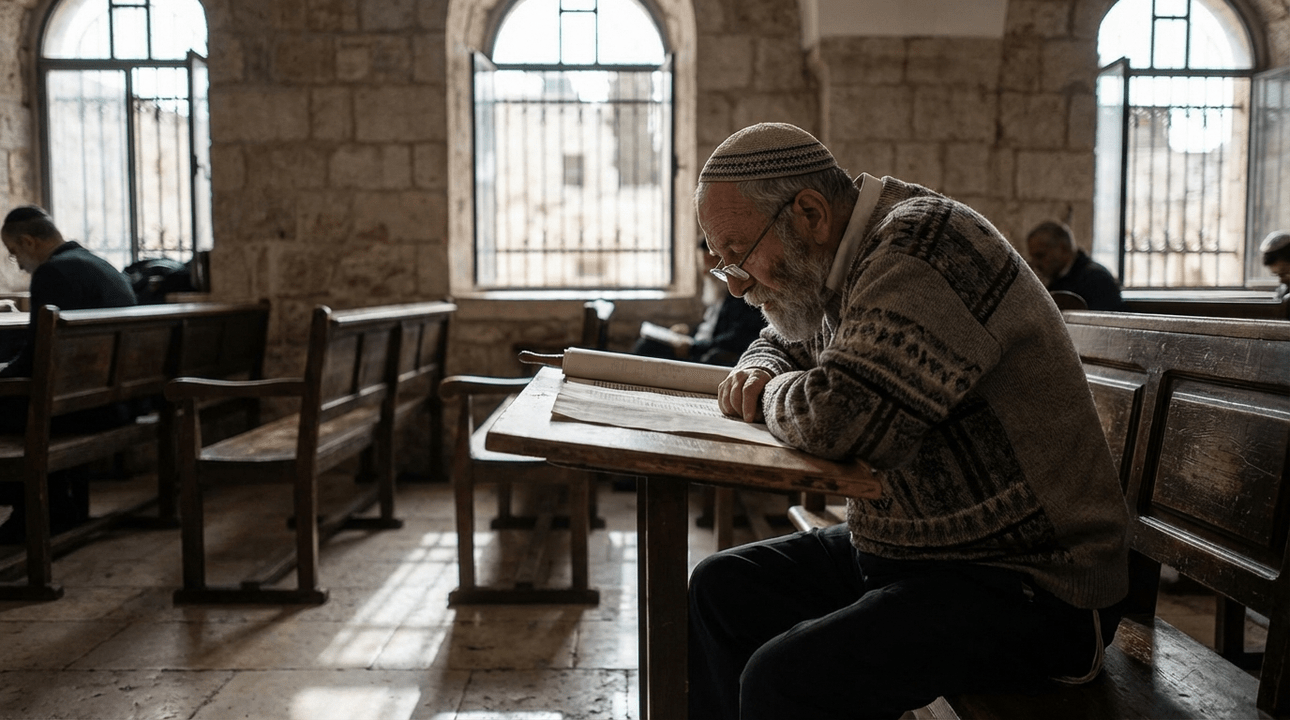
Engaging with the narrative of these events connects Jewish individuals to their heritage. The story is a cornerstone of Jewish identity, reminding individuals of the struggles and triumphs of their ancestors. Passover celebrations honor these events as foundational to Jewish identity and spirituality.
In retelling these occurrences, the mystical layers continue to offer new insights, reviving ancient wisdom. They are not merely historical events; they are transformative symbols still relevant today. They inspire reflection on personal and communal liberation, encouraging individuals to seek freedom from their own forms of bondage.
By engaging with this narrative, individuals are reminded of the enduring values of justice, resilience, and faith. The story serves as a timeless guide, offering lessons that resonate across generations.
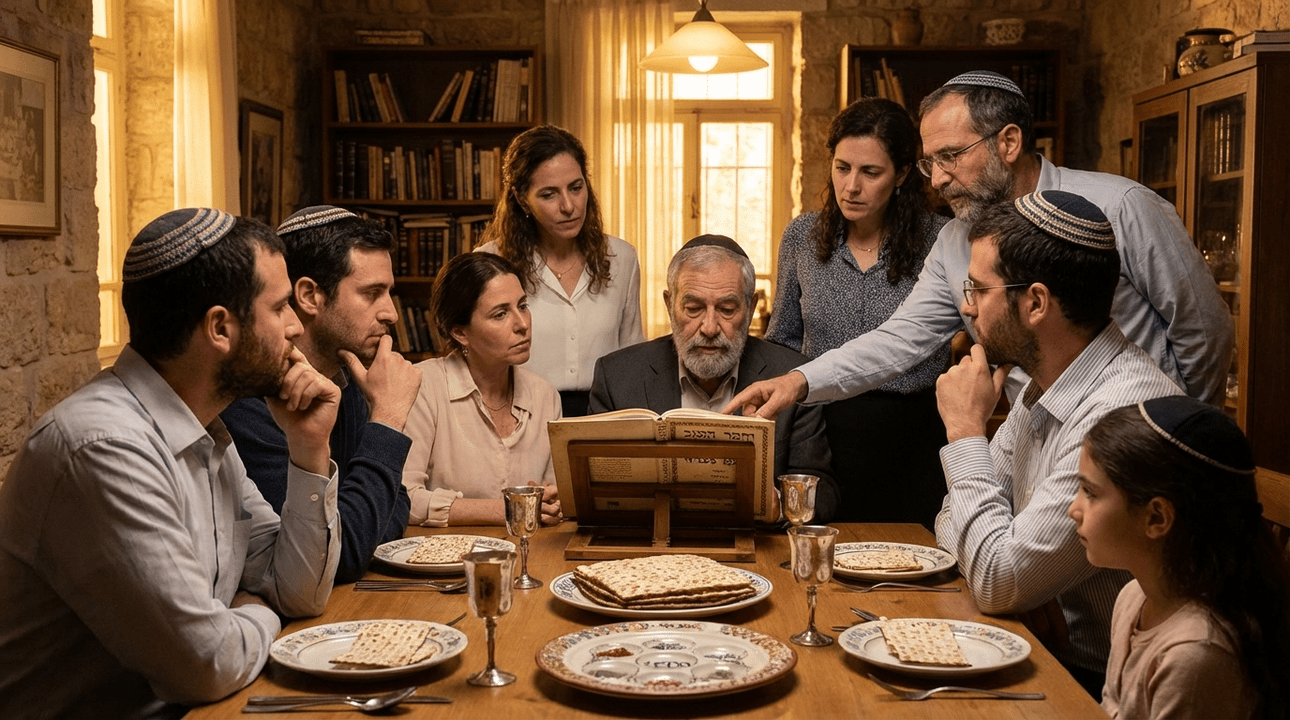
On Seder night, families recount these events, symbolically embedding the story in future generations. This tradition is central to the Passover Seder, where the Haggadah is read, recounting the Exodus story. The legacy evokes a shared sense of endurance and commitment to freedom.
This cyclical remembrance nurtures values of justice and resilience against oppression. By retelling the story, families reinforce the importance of standing against tyranny and advocating for liberation. It calls for unity and courage in the face of any challenges that time may present.
Through this ritual, the story becomes a living tradition, a reminder of the enduring spirit of the Jewish people. It serves as a call to action, inspiring individuals to uphold the values of freedom and justice in their own lives.
Common Questions
