Authentic Israeli Steak Shishlik
25 March 10:14
288
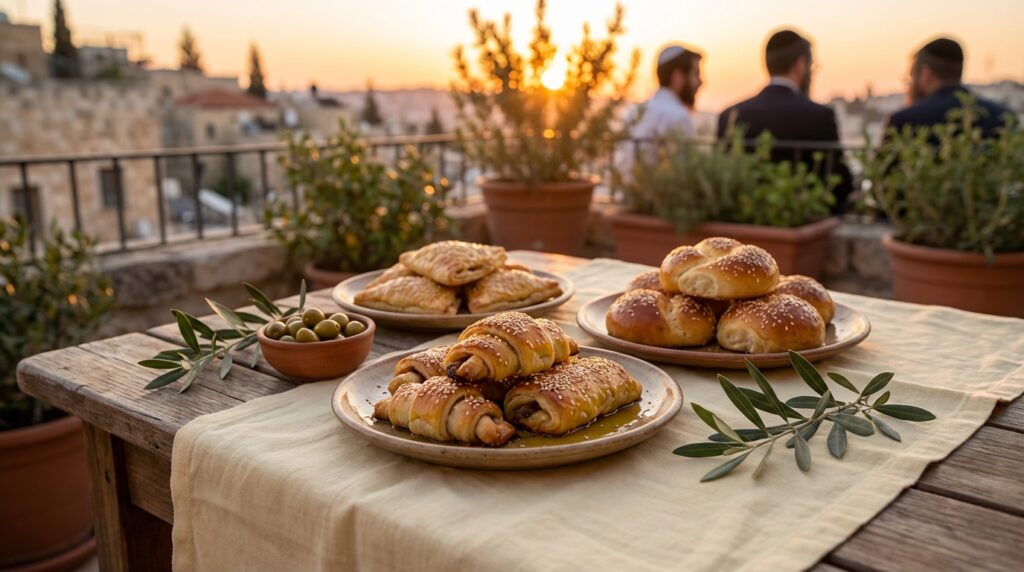

The history of Israeli pastries is as diverse as the country itself. With influences from Eastern Europe, the Middle East, and North Africa, these pastries reflect a melting pot of flavors and traditions. Each pastry tells a story of migration and adaptation, bringing together ingredients and techniques from various cultures.
One of the most beloved pastries in Israel is the bourekas, a savory pastry filled with cheese, potatoes, or spinach. Originating from the Ottoman Empire, bourekas have become a staple in Israeli cuisine, enjoyed by people of all ages. These pastries are often found in bakeries and markets, a testament to their popularity and cultural significance.
Another popular pastry is rugelach, a sweet treat filled with chocolate, nuts, or fruit preserves. Rugelach has its roots in Eastern European Jewish communities and has been embraced by Israelis as a favorite dessert. The delicate, flaky dough and rich fillings make rugelach a perfect accompaniment to a cup of coffee or tea.
In Israel, pastries are more than just food; they are a symbol of hospitality and celebration. Whether it’s a holiday, a family gathering, or a casual get-together, pastries are always present. They bring people together, creating a sense of community and shared joy. The act of baking and sharing pastries is a cherished tradition passed down through generations.
The art of making pastries in Israel is often a family affair, with recipes and techniques handed down from parents to children. This tradition ensures that the flavors and methods remain authentic, preserving the cultural heritage of Israeli pastries. Each family may have its own unique twist on a classic recipe, adding to the rich tapestry of Israeli culinary traditions.
Israeli pastries are not only enjoyed in Israel but have also gained popularity worldwide. With the rise of Israeli cuisine on the global stage, these pastries are being celebrated for their unique flavors and textures. They offer a taste of Israel’s diverse culinary landscape, inviting people from all over the world to experience the warmth and richness of Israeli culture through food.
For many Israelis, baking pastries is a way to connect with their heritage and family history. The process of mixing, kneading, and baking is often done with love and care, reflecting the importance of these pastries in Israeli culture. It’s a time for families to come together, share stories, and create memories that will last a lifetime.
The ingredients used in Israeli pastries are often simple yet flavorful. Olive oil, sesame seeds, and fresh herbs are common, adding a distinct taste that sets these pastries apart. The use of local, fresh ingredients not only enhances the flavor but also supports Israeli farmers and producers, making each pastry a celebration of local craftsmanship.
As Israeli pastries continue to gain recognition, they serve as ambassadors of Israeli culture, showcasing the country’s rich culinary heritage. They invite people to explore and appreciate the diverse flavors and stories that make up Israeli cuisine. Through these pastries, the world gets a glimpse of Israel’s vibrant and dynamic food scene.