Exploring the Israeli Roots of Falafel
17 March 09:07
300
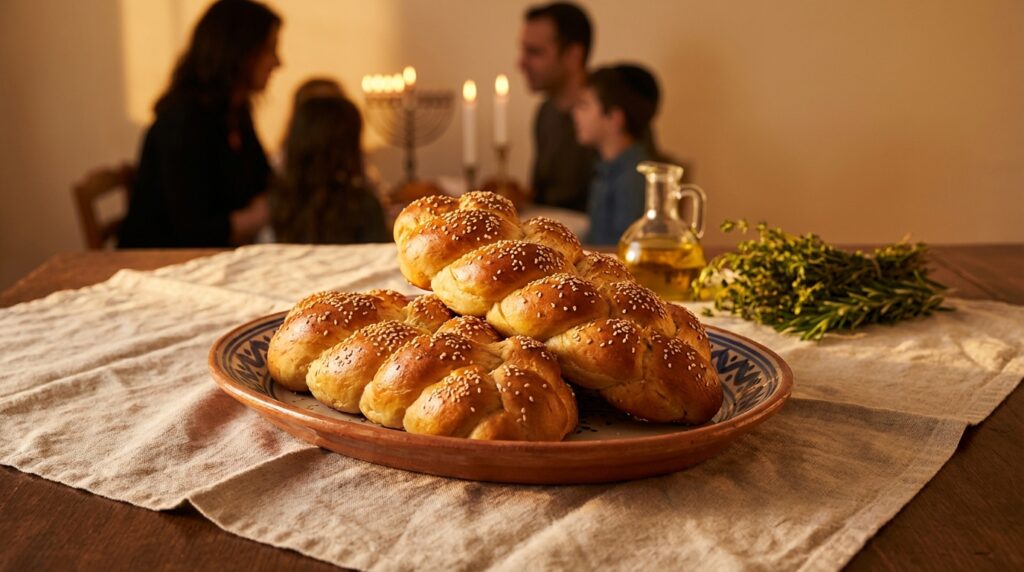

The origins of challah date back to ancient times when bread was a central part of daily life. In Jewish tradition, challah represents the manna that fell from heaven during the Israelites’ journey through the desert. This rich history is woven into each braid of the bread, making it a meaningful addition to the Shabbat table.
In Israel, challah is more than just bread; it is a symbol of community and family. Every Friday, the aroma of freshly baked challah fills homes, creating an atmosphere of warmth and togetherness. This tradition is cherished by families who gather to share stories and blessings over the meal.
The process of making challah is an art form, passed down through generations. Each family has its own unique recipe, often guarded as a treasured secret. The act of kneading and braiding the dough is a meditative ritual, connecting the baker to their ancestors and cultural heritage.
These seeds not only add flavor and texture but also carry symbolic meaning. In Jewish tradition, they are said to represent the manna from heaven, adding a layer of spiritual significance to the bread. This connection to history and tradition makes challah a beloved part of the Shabbat meal.
The shape of challah can vary, with some families opting for a round loaf during special occasions like Rosh Hashanah. This symbolizes the cycle of the year and the continuity of life. The round challah is often sweeter, incorporating ingredients like honey and raisins to signify a sweet new year.
Challah is not only a staple in Israel but has also become a beloved bread worldwide. Its rich flavor and soft texture make it a favorite for many, transcending cultural boundaries. Sharing challah with friends and family is a way to spread the warmth and joy of Shabbat beyond the borders of Israel.
In many Israeli households, baking challah is a family affair, with children and adults alike participating in the process. This shared activity fosters a sense of unity and connection, as each family member contributes to creating the bread that will be enjoyed together. The experience is both educational and bonding, teaching younger generations about their heritage.
The recipe for challah can be adapted to suit different tastes and dietary needs. Some families incorporate whole wheat flour or add sweeteners like honey or sugar to the dough. These variations allow each family to personalize their challah, making it a unique expression of their culinary preferences and traditions.
Challah is often served with a variety of accompaniments, enhancing the dining experience. Popular pairings include dips like hummus, baba ghanoush, or olive oil with za’atar. These additions complement the bread’s flavor, creating a harmonious blend of tastes that reflect the diverse culinary landscape of Israel.