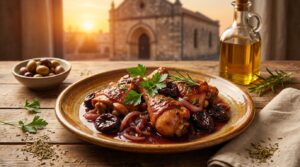
Savor the Richness of Chicken in Red Wine
7 May 10:36
183
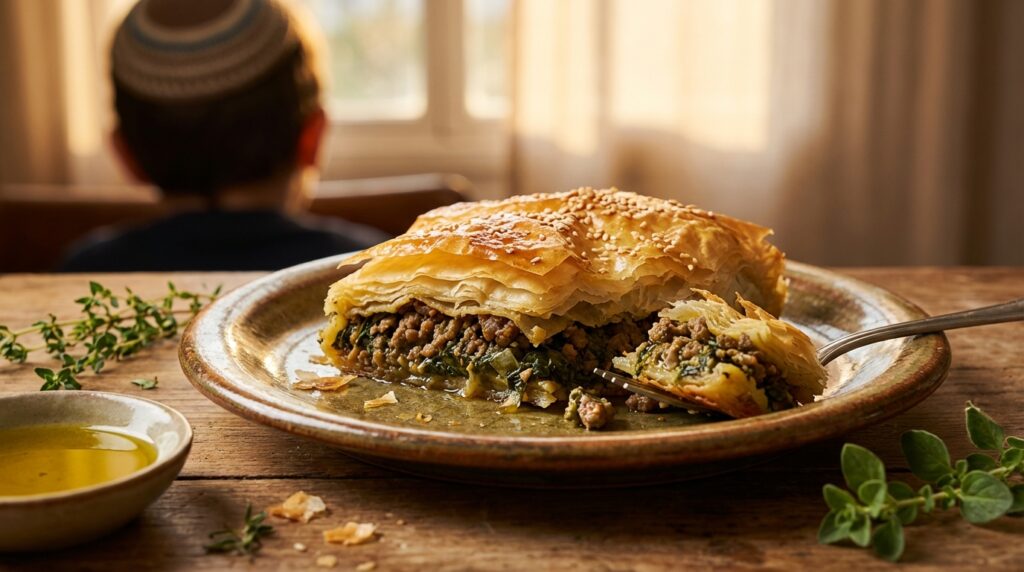

Originating from the Sephardic Jewish communities, Mina has been a staple in Israeli households for generations. Its preparation involves layering thin sheets of dough with a savory filling, often consisting of meat or vegetables. This dish is particularly popular during Passover, where it serves as a delightful alternative to traditional bread-based meals.
The art of making Mina has been passed down through families, with each generation adding their own twist to the recipe. The dish’s versatility allows for various fillings, making it adaptable to different tastes and dietary preferences. Whether filled with lamb, beef, or a vegetarian mix, Mina remains a beloved part of Israeli culinary tradition.
In modern Israeli kitchens, Mina is often prepared for special occasions and family gatherings. Its rich flavors and intricate preparation make it a dish that is both a culinary challenge and a rewarding experience. The process of making Mina is seen as a labor of love, reflecting the warmth and hospitality of Israeli culture.
As Israeli cuisine gains international recognition, Mina has found its way into the hearts of food enthusiasts around the globe. Its unique combination of textures and flavors offers a taste of Israeli heritage, inviting people to explore the rich culinary traditions of the region. Mina’s presence on the global stage highlights the universal appeal of Israeli dishes.
The dish’s adaptability has also led to creative variations, with chefs experimenting with new ingredients and techniques. This innovation keeps Mina relevant and exciting, ensuring its place in contemporary culinary scenes. Despite these modern twists, the essence of Mina remains rooted in its traditional preparation and cultural significance.
For those who have yet to experience Mina, trying this dish is an invitation to discover the warmth and richness of Israeli cuisine. Whether enjoyed in a bustling Tel Aviv restaurant or a cozy family kitchen, Mina offers a taste of tradition and a connection to the vibrant culture of Israel.
The preparation of Mina often involves family members coming together, sharing stories, and passing down culinary secrets. This communal aspect of cooking Mina enhances its significance, turning the kitchen into a space of connection and memory-making. As families gather to prepare and enjoy Mina, they celebrate not only the dish but also their shared history and traditions.
In Israeli culture, food is an expression of identity and community. Mina embodies these values, offering a delicious way to connect with one’s roots and share them with others. The dish’s enduring popularity is a testament to its ability to bring people together, transcending geographical and cultural boundaries.
Whether you’re a seasoned cook or new to Israeli cuisine, making Mina is a rewarding experience that offers a glimpse into the heart of Israeli culture. Its rich flavors and intricate preparation make it a dish worth exploring, inviting you to become part of a culinary tradition that spans generations.