
Pescado con Huevo: A Taste of Israeli Tradition
16 April 09:36
317
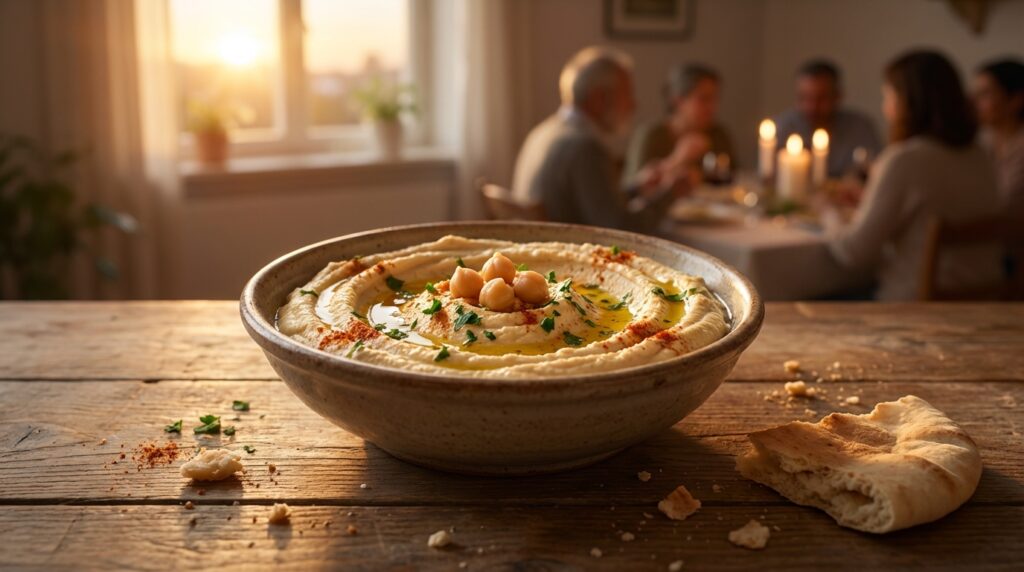

Hummus has been a staple in Middle Eastern diets for centuries, with its origins tracing back to ancient times. It is made from chickpeas, tahini, lemon juice, and garlic, creating a nutritious and delicious spread. In Israel, hummus is more than just food; it is a cultural icon, enjoyed by people of all ages and backgrounds.
The popularity of hummus in Israel is unmatched. It is often served as a starter in restaurants and is a common dish at family gatherings. The smooth, creamy texture of hummus, combined with its rich flavor, makes it a versatile dish that can be paired with various foods, from fresh vegetables to warm pita bread.
In the bustling markets of Jerusalem and Tel Aviv, hummus is a common sight. Vendors prepare it fresh daily, offering it with a variety of toppings such as olive oil, paprika, and whole chickpeas. This traditional dish has become a symbol of Israeli hospitality and culinary heritage.
Chickpeas, the main ingredient in hummus, are rich in protein and fiber, supporting digestive health and providing a satisfying meal. Tahini, made from sesame seeds, adds healthy fats and a nutty flavor, while lemon juice and garlic contribute to its refreshing taste.
The process of making hummus is simple yet rewarding. It involves cooking chickpeas until tender, then blending them with tahini, lemon juice, garlic, and a touch of salt. The result is a smooth, creamy spread that can be customized with various toppings to suit personal preferences.
In recent years, hummus has gained international fame, becoming a popular dish in many countries. Its versatility and health benefits have made it a favorite among those seeking nutritious and flavorful meals. Whether served as a dip, spread, or side dish, hummus continues to be a cherished part of Israeli cuisine.
In Israeli culture, sharing hummus is a communal experience, often enjoyed in a social setting with friends and family. It is a dish that transcends cultural boundaries, bringing people together through its universal appeal. The simplicity of its ingredients and the depth of its flavor make hummus a timeless classic.
The art of making hummus has been passed down through generations, with each family adding their unique touch. Some prefer a smoother texture, while others enjoy a chunkier consistency. Regardless of the variation, the essence of hummus remains the same: a celebration of simple, wholesome ingredients.
As more people discover the joys of hummus, its popularity continues to grow. It has become a staple in kitchens worldwide, appreciated for its ease of preparation and delightful taste. Whether enjoyed as a traditional Israeli appetizer or a modern culinary creation, hummus remains a beloved dish that connects people to the rich flavors of Israel.