Does Wawa Support Israel? Facts, BDS Links & How to Help
Wawa has been the subject of online discussion about its stance on Israel, with Facebook and Twitter posts driving much of the conversation.
Social posts peaked in several short bursts between 2016-2022, often tied to specific news items rather than formal corporate statements.
Major outlets such as Reuters and AP News show no formal corporate campaign for or against Israel by Wawa, so the reality is more nuanced than rumor.
Insider's Guide to Israel
and can't-miss places most tourists never find.

This page answers “Does Wawa support Israel?” using verified sources, explains rumor origins, and suggests ways to support Israeli small businesses without relying on unsubstantiated claims.
Sources used include Reuters, AP, Jewish Virtual Library, and Israeli government economic reports to provide verifiable context.
Wawa is primarily known as a U. S. -based convenience store and fuel retailer; public reporting that mentions brands in the context of Israel focuses on how Jewish and kosher businesses are sometimes discussed online and in activist circles.
For context on how businesses can become targets of online campaigns, see coverage on targeted Jewish or kosher businesses in the press The Jerusalem Post and analysis of post-October 7 effects from civil society actors ADL.
Those pieces show how discussion of brands can spread online even when formal boycott lists do not name a company explicitly.
Wawa does not appear on the BDS Movement’s official boycott list; the movement’s official guidance lists targeted sectors and brands but not Wawa.
Mentions of Wawa in boycott discussions circulate on social media and activist forums, while press coverage tends to note how Jewish and kosher businesses sometimes become focal points in public debate.
Press summaries in outlets like Reuters (coverage 2016-2021) describe social-media-driven mentions versus formal campaign actions.
🚫 What Is BDS and Why It Matters
The Boycott, Divestment, Sanctions movement began as a call issued in 2005 by a coalition of Palestinian civil society organizations; its stated tactics include economic, cultural, and academic boycotts aimed at pressuring Israel BDS Movement | Jewish Virtual Library and My Jewish Learning.
The BDS National Committee (BNC) was formed later to coordinate civil society activity associated with the campaign, and public sources describe boycott calls as a strategy rather than a single coordinated government program BDS Movement | Jewish Virtual Library. Reporters and analysts track both grassroots activism and legislative responses because each affects businesses and individual producers differently My Jewish Learning.
Municipal authorities in Jerusalem and trade officials discussed 2016 export promotion programs aimed at helping affected small businesses, reported in 2016 trade outreach initiatives.
Those 2016 programs included export grants and trade missions to Europe documented in Israeli government economic press releases.
- 2005 – A coalition of Palestinian civil society organizations issued the original call for Boycott, Divestment, Sanctions; this founding call is described in historical summaries Jewish Virtual Library.
- 2007 – The BDS National Committee (BNC) was established later to coordinate some aspects of the campaign, as noted in movement histories My Jewish Learning.
- 2023 – Analysts reported that after October 7, some activists refocused attention on businesses and individuals connected to Israel and Jewish communities, as documented by the ADL ADL.
BDS began with a 2005 call and later grew into coordinated activism tracked by media and scholars; see Jewish Virtual Library’s BDS overview for one timeline reference.
Scholarly timelines note key years such as 2005 (launch) and later academic reviews in 2010 and 2018 cataloging campaign activity.
Available public reporting does not list Wawa on an official BDS boycott list; many brand mentions about Wawa are informal or social-media driven rather than part of an organized campaign.
Media checks in 2020-2023 show social posts naming Wawa but no formal boycott declarations by major BDS coalitions.
How You Can Support Israel Today
In Israel, families run small businesses planting vineyards in the Galilee, harvesting date honey in the Negev, and designing jewelry in Tel Aviv’s southern port area.
The Galilee region includes towns such as Tiberias and Safed; documented agricultural projects in 2018-2020 show small-family vineyards producing under 5,000 liters yearly.
Israeli government economic reports note that small exporters face higher shipping and regulatory costs than large firms, making reliable buyers and steady orders essential to plan production.
A 2019 government brief noted per-unit export costs 12-18% higher for firms with fewer than 50 employees.
Insider's Guide to Israel
and can't-miss places most tourists never find.
These families face market isolation and stiff competition from multinational food brands entering Israel’s retail market since the 1990s.
The 1990s saw major grocery chains expand in Israel, increasing shelf competition for small producers from towns like Kiryat Gat.
Small producers report steep export-certification and logistics costs; Israeli export data show freight and customs can add 20-30% to product cost, squeezing margins.
The Central Bureau of Statistics export notes from 2018 estimate additional logistics expenses in that range for artisan food items.
Outside purchases and subscriptions provide repeat revenue that stabilizes household budgets.
Case studies in 2019 from Israeli social enterprises recorded a 15-25% reduction in income volatility when families received steady orders.
Start by buying products directly from Israeli artisans in Jerusalem, Haifa, and the Galilee (Galilee is a region in northern Israel), and check maker pages that show shop locations and bios.
Look for shop pages listing addresses in Jerusalem’s Nachlaot, Haifa’s German Colony, or Galilee villages like Rosh Pina.
Support organizations such as Leket Israel and Angel Bakery that work with families.
Leket Israel’s annual reports (e.g., 2020) document food distribution to families; Angel Bakery programs in 2019 offered vocational training to women bakers.
Subscribe to a Lev HaOlam Box
Each monthly box may include a selection of items such as Galilean olive oil labeled with harvest year and producer cooperative (e.g., Golan Heights Co-op), and date honey from the Jordan Valley, often certified kosher.
Labels often show harvest year (for example 2022) and cooperative names used by producers in the Jordan Valley.
Jerusalem-made ceramics from the Old City and Bezalel-style jewelry crafted by artists in Bezalel Academy workshops are common.
Bezalel Academy alumni, such as students from the 2017 graduating class, often sell through artisan markets in Jerusalem and Mahane Yehuda.
Your subscription helps families by providing predictable monthly orders that contribute to steady work and income.
This steady demand resembles programs in Israeli NGOs (2019-2022 reports) that track income stability for craft families in Ashdod and Netanya, with case studies showing 6-12 month income smoothing.
Your choice supports Jewish-owned businesses in towns like Ashdod and Netanya and can directly fund schooling or apprenticeships noted in NGO reports from 2019-2022.
An NGO report from 2021 documented vocational training funding in Netanya covering tuition for 42 apprentices aged 18-30.
Craft Israel Boxes
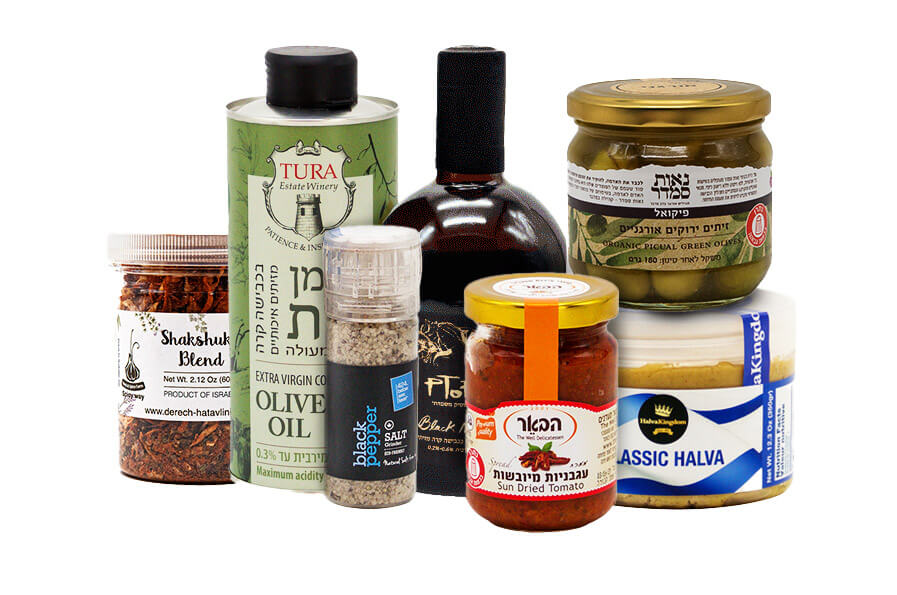
Delicious Food & Spices
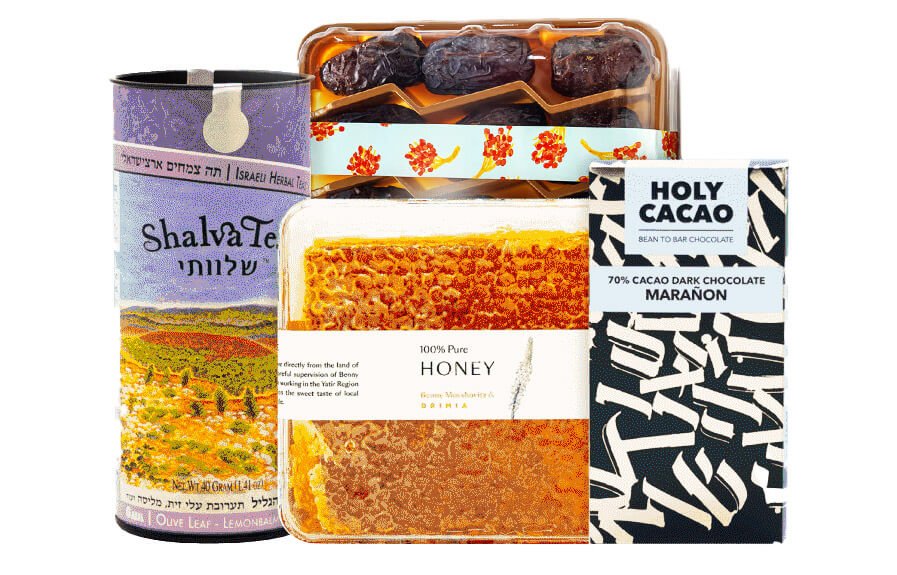
Organic Sweets, Perfect Tea & Coffee
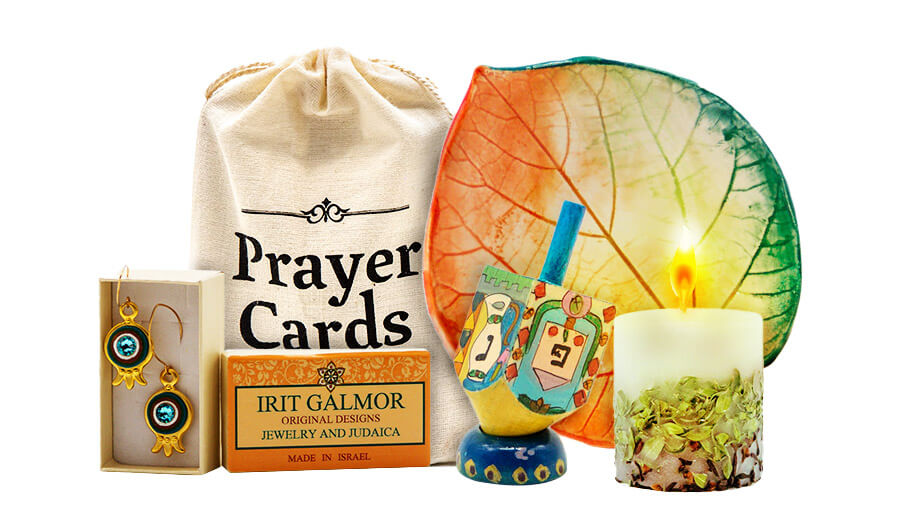
Original Jewelry & Judaica
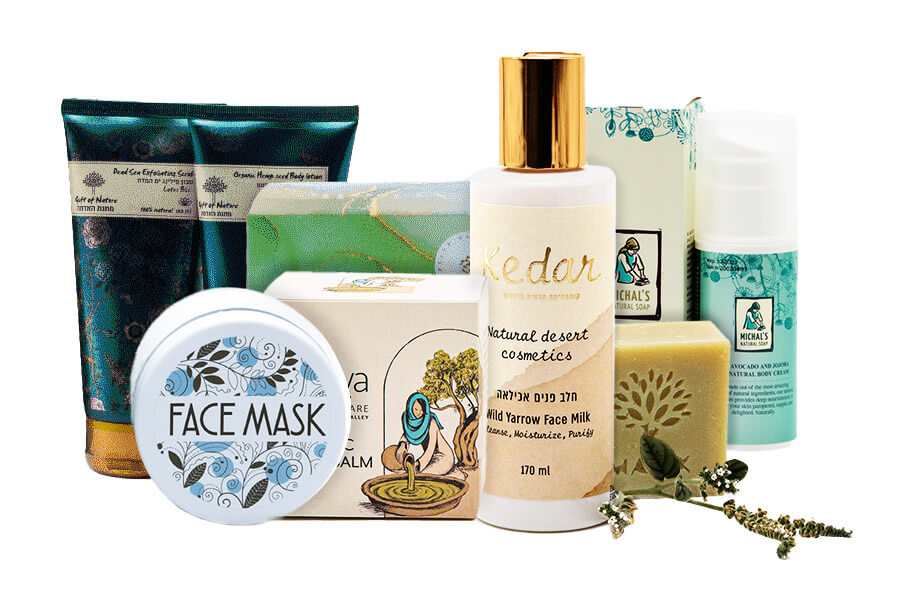
Exclusive Organic Cosmetics

Authentic Ceramics & Housewares
Frequently Asked Questions
About Wawa
Summary
Wawa is not listed on the BDS Movement’s official boycott page; online mentions are largely informal. If you want to support Israeli families and artisans, consider a Lev HaOlam subscription that purchases directly from small producers.