
Where Was Canaan? Location and History
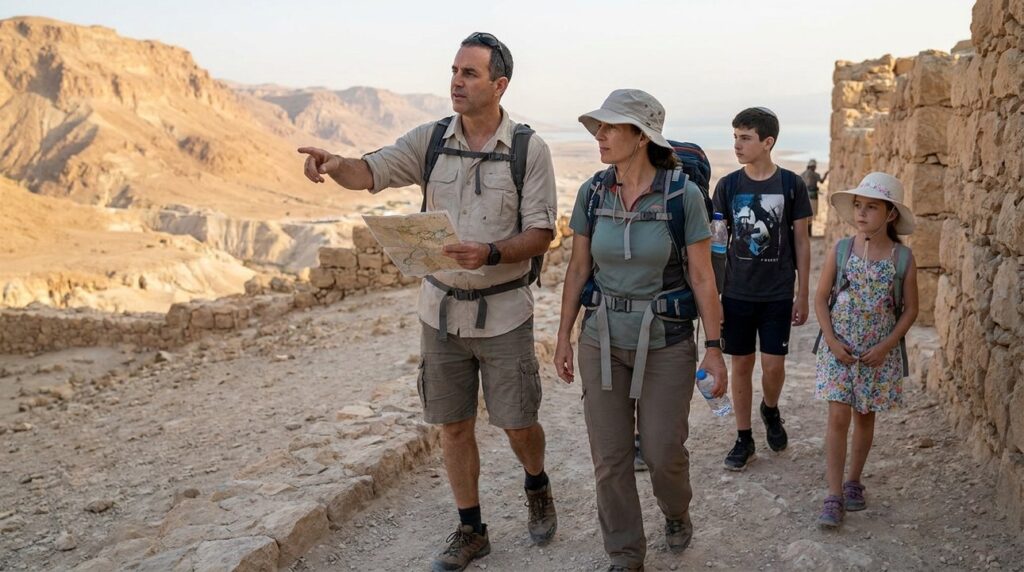

Canaan is one of the most important place names in ancient history. It is the old name for the land often called the Promised Land in the Bible.
But where was Canaan? This article explains where Canaan was located and which countries cover that land today.
It also looks at the Canaanite people, their cities, and what archaeology has found. The goal is a clear picture of this ancient land and its place in history.
Where Canaan Was Located
Canaan is usually described as the land that covers modern-day Israel, Palestine, and Lebanon, plus parts of Syria and Jordan. It sat between the Mediterranean Sea in the west and the Jordan River in the east.
This placed Canaan on the land bridge between two great centers of the ancient world: Egypt and Mesopotamia. Trade routes and armies passed through it.
Because of this location, Canaan became a meeting point for many cultures, ideas, and goods. Its fertile land helped many separate city-states grow, each with its own ruler.
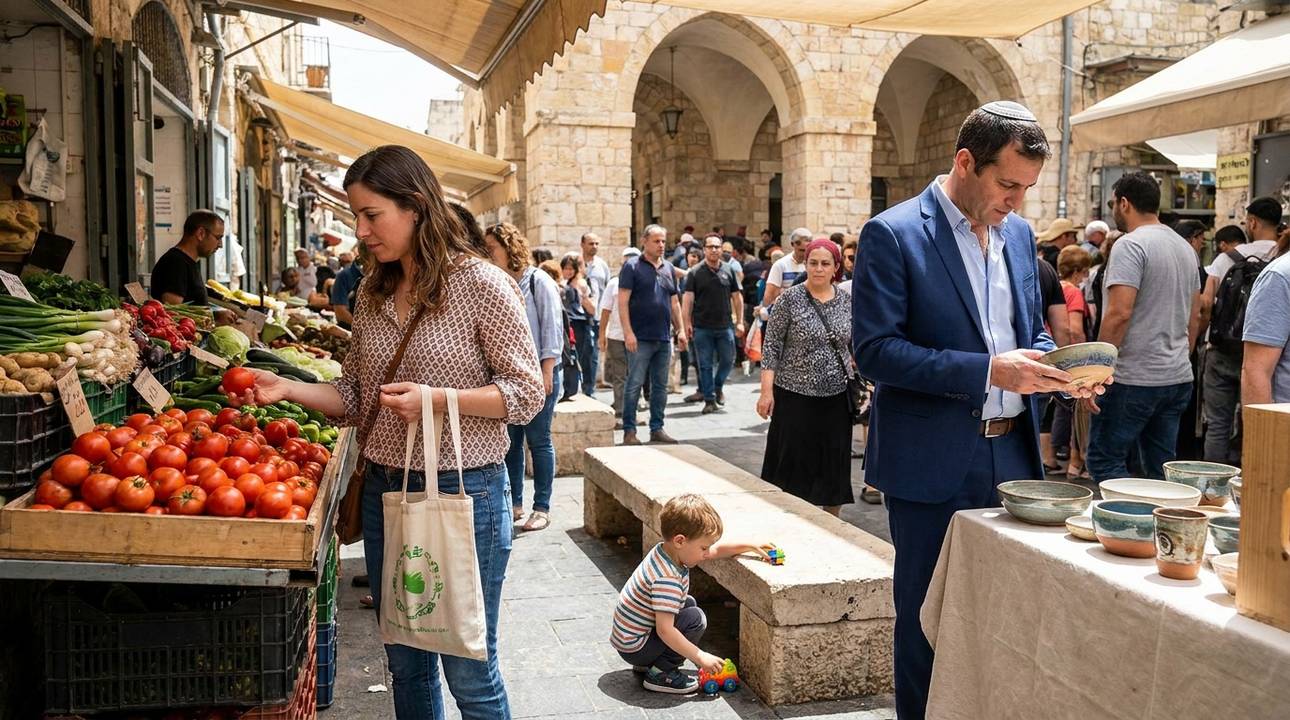
Canaan in the Bible
In the Bible, Canaan is the Promised Land. The book of Genesis says God promised this land to Abraham and his descendants.
After the Israelites left Egypt, the biblical account describes them traveling to settle in Canaan. This land stood for hope and a future home.
The book of Joshua describes how the Israelites entered the land under the leadership of Joshua. These stories come from the biblical account and shaped how the people saw the land.
According to the book of Joshua, entering Canaan involved battles with the towns already there. The account gives special attention to the cities of Jericho and Ai.
Jericho is famous in the Bible for its walls, which the story says fell. Ai was a defeat at first, and the account says it was taken on a second attempt.
The Bible frames the entry into Canaan as more than a set of battles. It presents the land as a homeland the people hoped to build.
The crossing of the Jordan River is one of the key moments in this biblical account.
Canaanite Culture and Society
The Canaanites were a Semitic people whose language was close to Hebrew. Their culture was shaped by trade with neighboring civilizations.
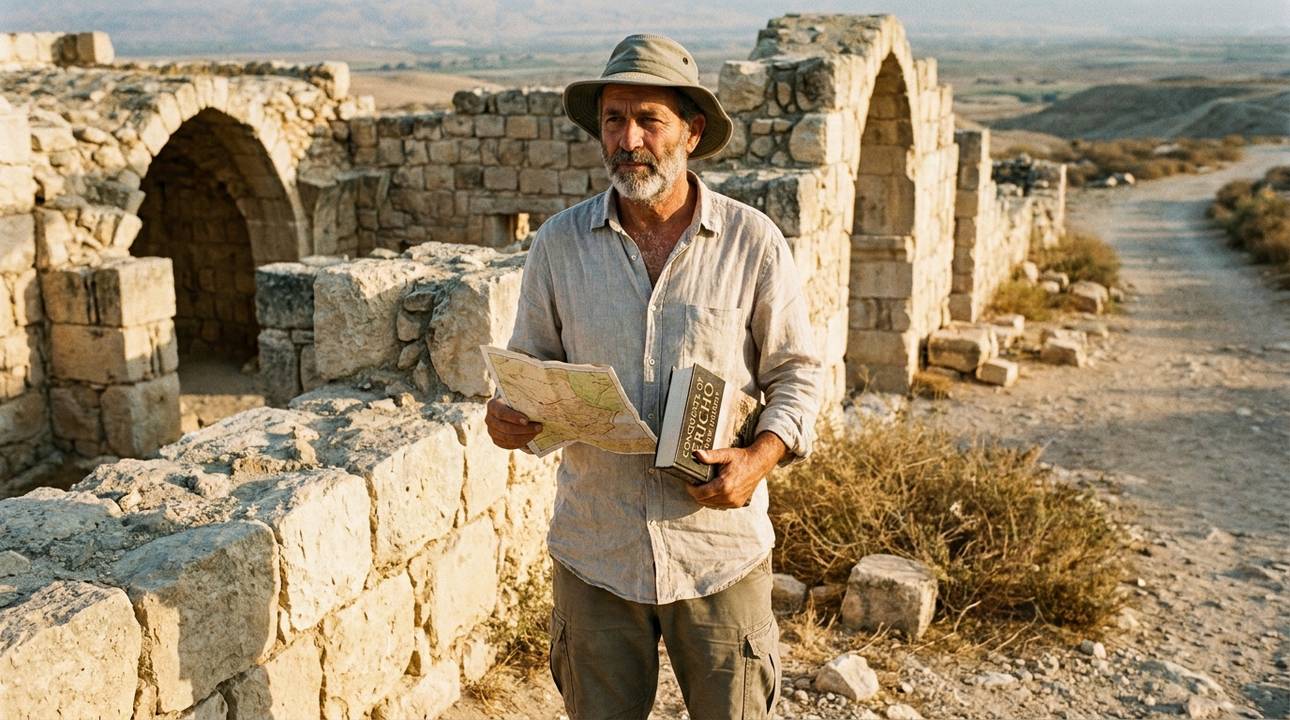
They built notable cities such as Jericho and Jerusalem, with strong walls and busy trade. Jericho is one of the oldest cities in the world, and its ancient stone walls and tower have been uncovered by archaeologists.
Canaan was not one country. It was a set of city-states, each with its own ruler and its own gods.
Among the main Canaanite gods were Baal and Asherah. These deities were central to Canaanite worship, festivals, and daily life.
Canaanite cities such as Ugarit and Megiddo were known for their achievements. Ugarit, on the northern coast, helped develop one of the earliest known alphabets, written in the Ugaritic script.
This was an important step in the history of writing. The Canaanites also traded and exchanged letters with the Egyptians and the Hittites.
Some of this contact survives in the Amarna Letters, a set of clay tablets found in Egypt. Canaanite religion centered on temple worship and offerings.
Archaeologists have found temples and religious objects at sites such as Gezer and Lachish. These finds show how important worship was to Canaanite society.
What Archaeology Reveals
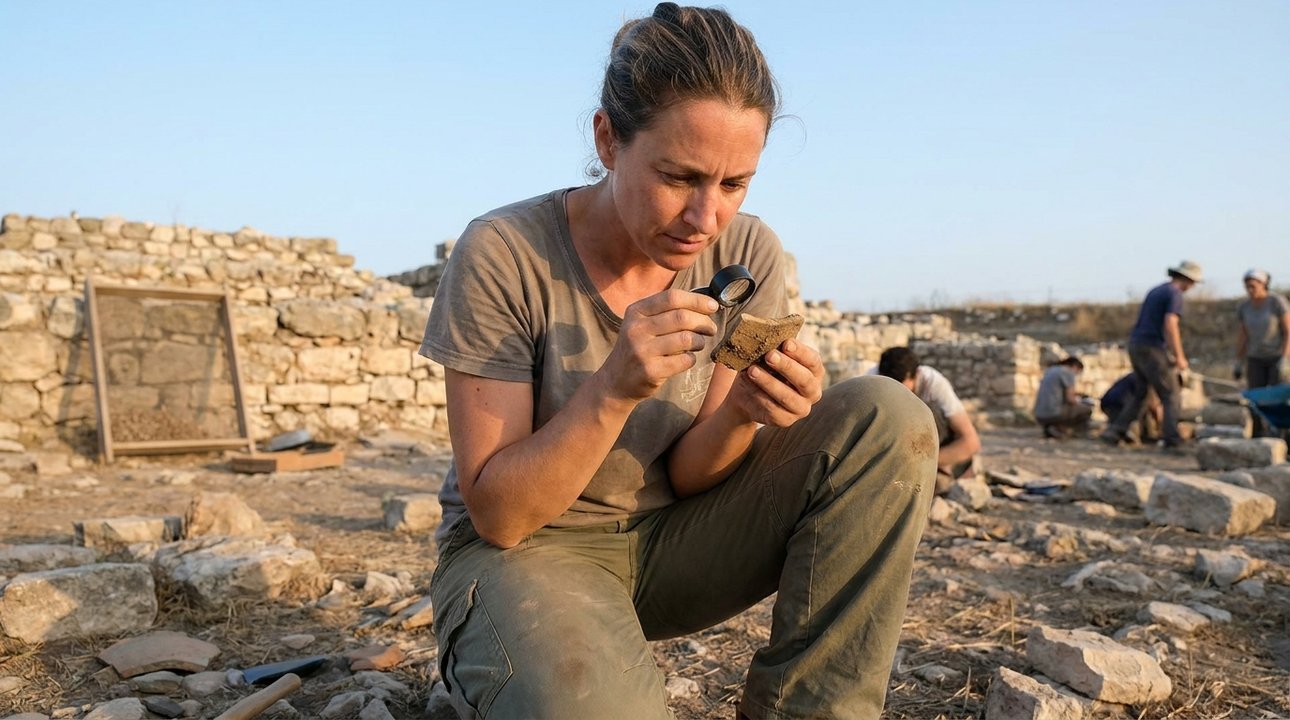
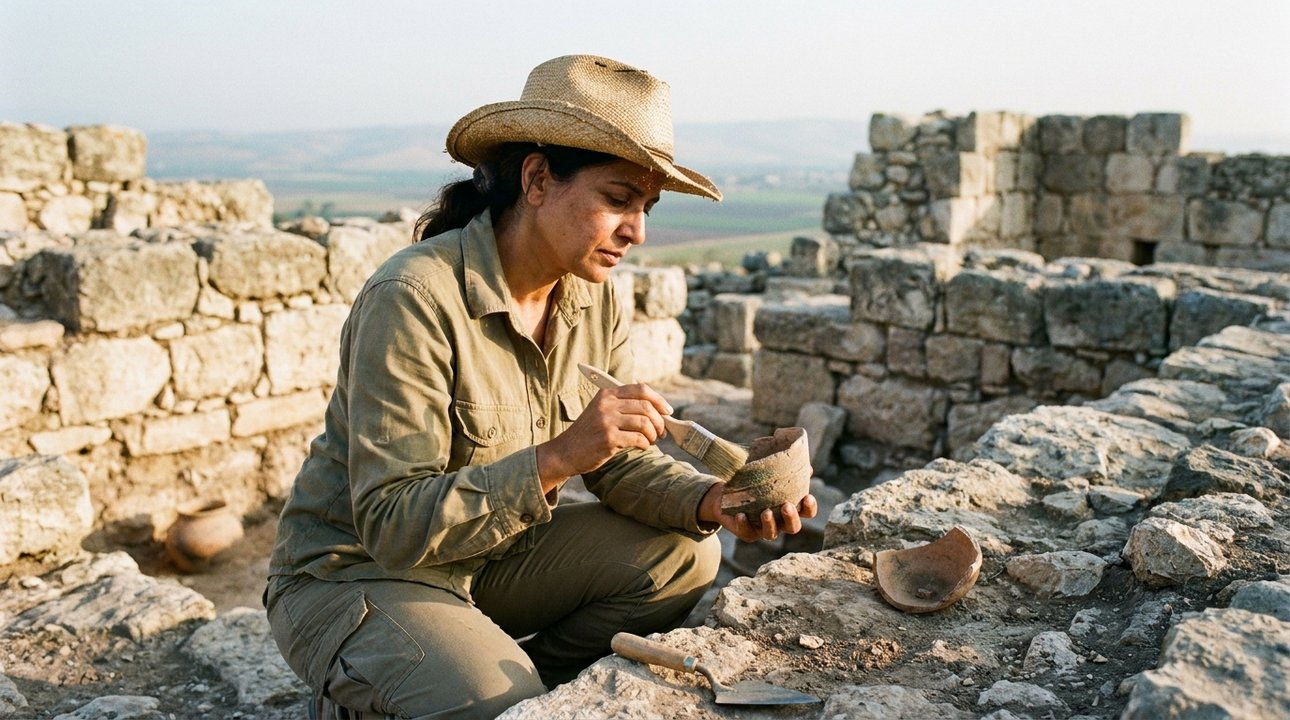
Excavations across Canaan have taught us a great deal about its past. Digs at sites like Tel Hazor and Megiddo show large, fortified cities.
Hazor was one of the largest and most important Canaanite cities. Its size and buildings point to a well-organized society.
These finds help scholars understand how Canaanites lived and traded. Pottery and tools show daily life and trade links with Egypt and Mesopotamia.
The site of Tel Megiddo gives a rich record of Canaanite life. Its many layers show times of growth and times of destruction.
Megiddo guarded a key mountain pass on the route between Egypt and Mesopotamia. This made it valuable, and it is remembered as the site of ancient battles.
Excavators have found palaces, temples, and large city gates at Megiddo. These structures show skilled building and careful city planning.
Together, the finds paint a detailed picture of how this Canaanite city worked.
Canaan and the Great Empires
Canaan sat between powerful empires, mainly Egypt and Mesopotamia. Its location gave it great importance.
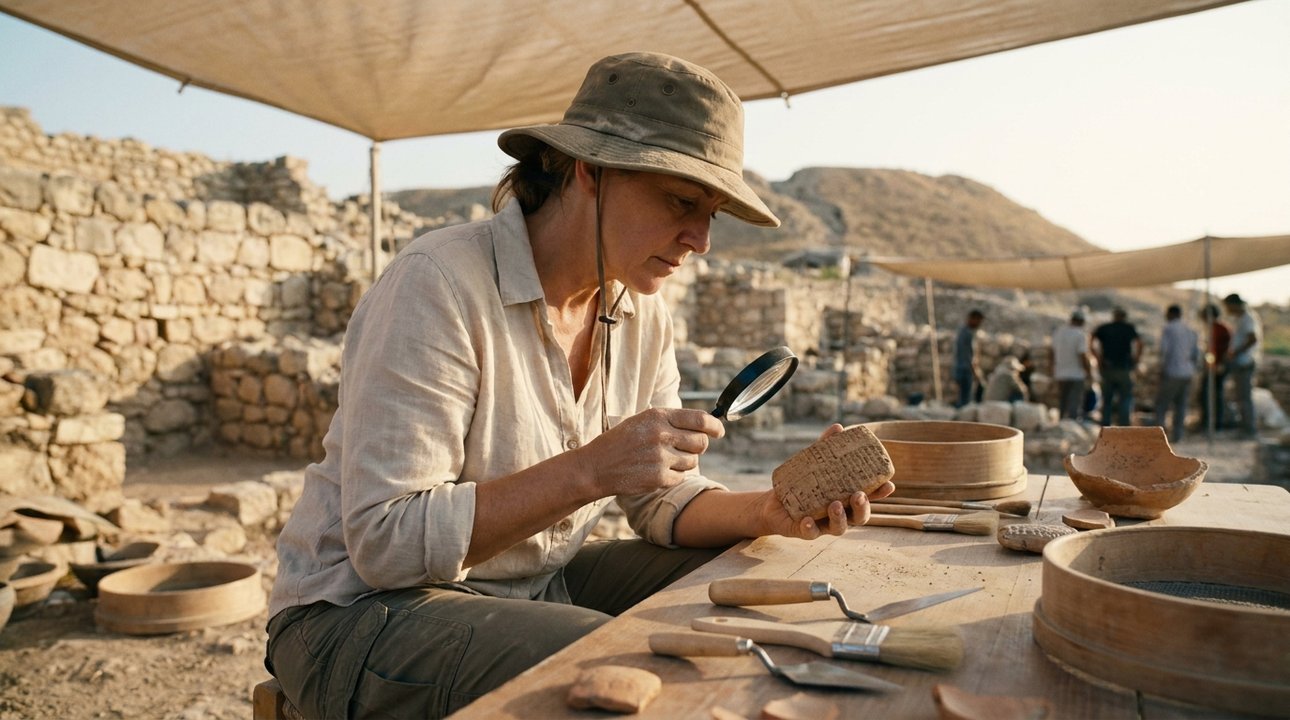
The Amarna Letters, clay tablets from the 14th century BCE, record messages between Canaanite city rulers and Egyptian kings. They show how closely Egypt watched the region.
Because of its fertile land and trade routes, strong empires often wanted to control Canaan. Its long history includes shifts in power, trade, and religion, such as the rivalry between the Hittites and Egyptians.
Canaan Today
The story of Canaan still lives on in the history and religion of the Middle East. The land that was once Canaan now holds many important historical and archaeological sites.
Sites such as Lachish and Gezer are rich in artifacts. Lachish was later an important city in the Kingdom of Judah and figured in the Assyrian invasion of the region.
The memory of Canaan continues in religious teaching and in history. Its influence can be seen in the Hebrew language and in Jewish tradition.
Stories and customs passed down over generations still connect people to this ancient land.
Digs at sites like Tel Dan and Beit She’an have uncovered many layers of history. Tel Dan, in northern Israel, is where the Tel Dan Stele was found.
This 9th-century BCE stone carries one of the earliest known references to the ‘House of David’ outside the Bible. Beit She’an was an important Canaanite city that later became an Egyptian center.
These sites show how Canaanites lived, traded, and connected with their neighbors. Pottery, tools, and inscriptions found there reveal a complex society.
Each new find adds to our understanding of Canaan and its place in ancient history.
Frequently Asked Questions
