
Trans Euphrates: Exploring Its Impact on History
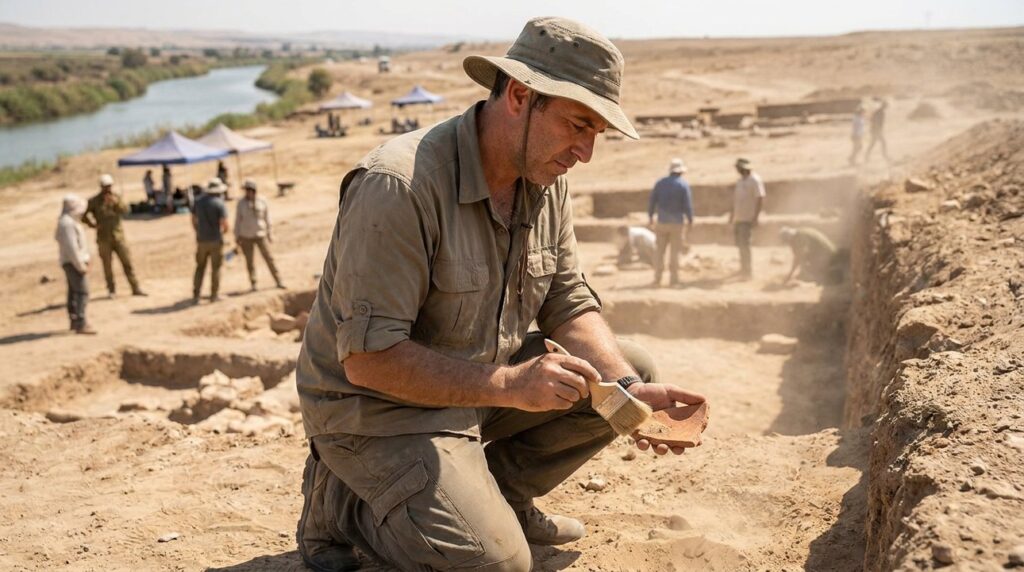

The term ‘Trans-Euphrates’ refers to lands located west of the Euphrates River. During the Persian Empire, it was a significant area. In the Hebrew Bible, this region is often referred to as ‘Beyond the River,’ particularly in the books of Ezra and Nehemiah. This area served as a connection between Mesopotamia to the east and the Mediterranean coast to the west, including cities like Damascus, Tyre, Sidon, and Jerusalem.
This article delves into the meaning of the name, the location of the land, and its historical significance. Trans-Euphrates was strategically positioned on the routes between major empires of the ancient Near East. It served as a corridor for trade and the movement of people and goods. Understanding its history reveals the interconnectedness of the ancient world.
from the Western Wall to Masada.

Where Trans-Euphrates Was Located
‘Trans-Euphrates’ designates the lands west of the Euphrates River, stretching from the river to the Mediterranean Sea. This area included much of what is now known as the Levant, covering parts of present-day Syria, Lebanon, Israel, and Jordan. Under Persian rule, it was organized as a province, administered from Babylon.
Historical References and Importance
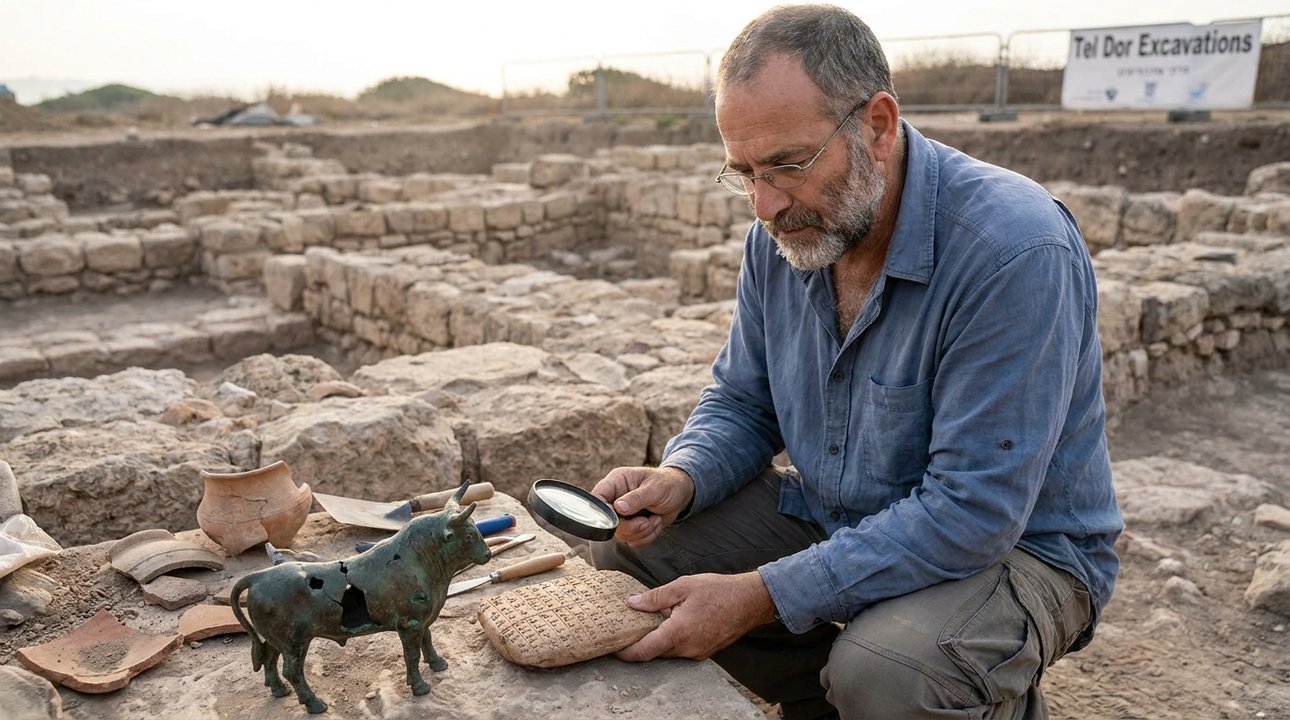
The term appears in documents from various empires. Under Persian authority, it was an official region managed by a satrap based in Babylon. Local governors oversaw smaller areas within it. One governor, Tattenai, is noted both in the Bible and in Babylonian clay tablets, though some sources differ on the exact administrative structure.
Peoples and Ruling Empires
This region was home to diverse populations. Trade routes traversed it, connecting it to distant lands and facilitating the exchange of goods and ideas. Three major empires governed it sequentially: Assyria, Babylon, and Persia, each leaving a distinct imprint on the region’s culture and life.
Control shifted from one empire to another over time. The Assyrian Empire expanded its reach into the region under King Tiglath-Pileser III, who reigned from 745 to 727 BCE. Later, the Persian king Cyrus the Great incorporated the region into his empire after capturing Babylon in 539 BCE. According to the book of Ezra, Cyrus permitted the Jewish exiles to return and reconstruct their temple in Jerusalem.
What Archaeology Has Found
Archaeological discoveries and ancient texts have greatly enriched our understanding. Excavations have unearthed ancient towns, tools, and written records. The Behistun Inscription, carved into a cliff in western Iran, is a notable example. It details how the Persian king Darius ascended to power and later assisted scholars in deciphering cuneiform script.
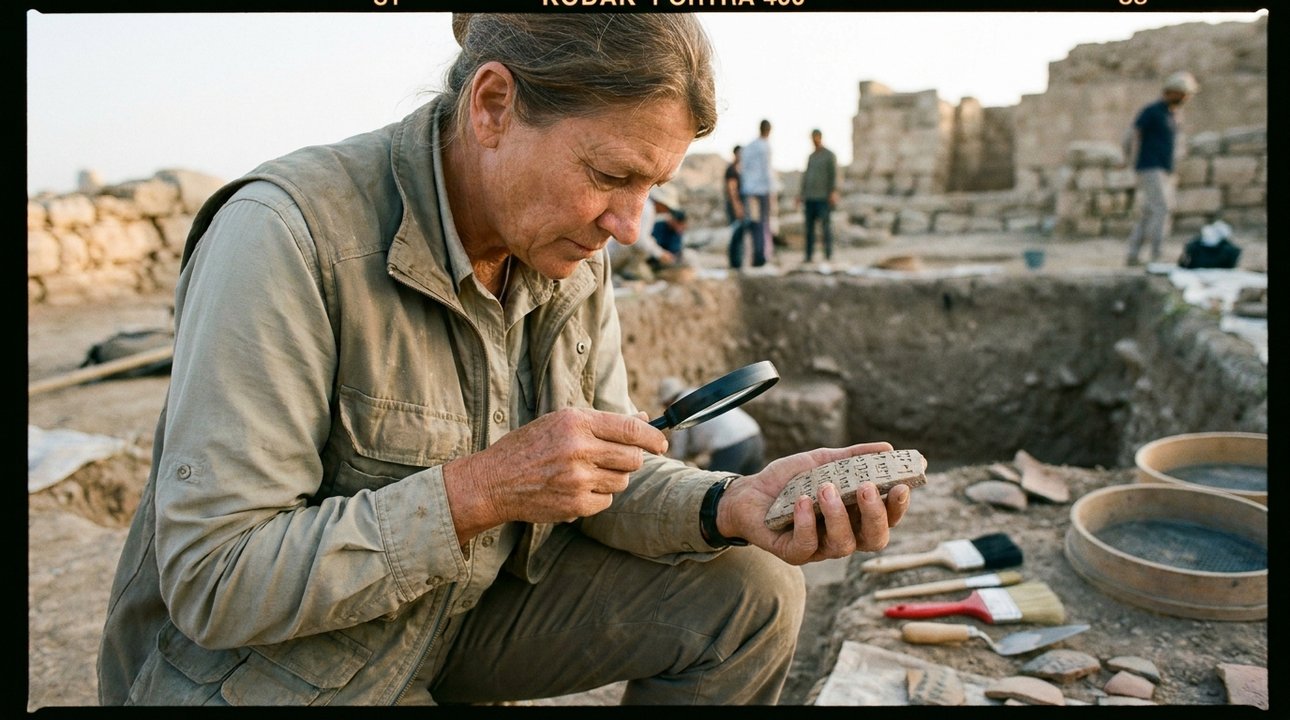
Written records also illuminate how the empires were administered. Clay tablets and inscriptions document aspects of daily life, trade, and taxation. Administrative records from the Persian heartland, like those found at Persepolis in Iran, reveal the empire’s governance of its provinces. Many of these records were inscribed in cuneiform.
The Region in the Bible
In the Bible, the region is primarily mentioned in the books of Ezra and Nehemiah, referred to as the province ‘Beyond the River.’ These books describe interactions between Persian officials in this province and the Jewish community. Correspondence between local governors and the Persian king is cited in the text.
from the Western Wall to Masada.
The biblical narrative outlines events within this province during Persian rule, focusing on the reconstruction of Jerusalem and its temple. These accounts provide valuable insights into the region’s organization, naming actual officials and explaining the governance structure of the province.
Significant Events and Figures
A notable event associated with this region was the return of Jewish exiles from Babylon. According to the book of Ezra, they traveled back to Jerusalem to rebuild the temple. Figures such as Ezra and Nehemiah are central in these narratives. The books detail their efforts in restoring the city and its community.
Trans-Euphrates Today
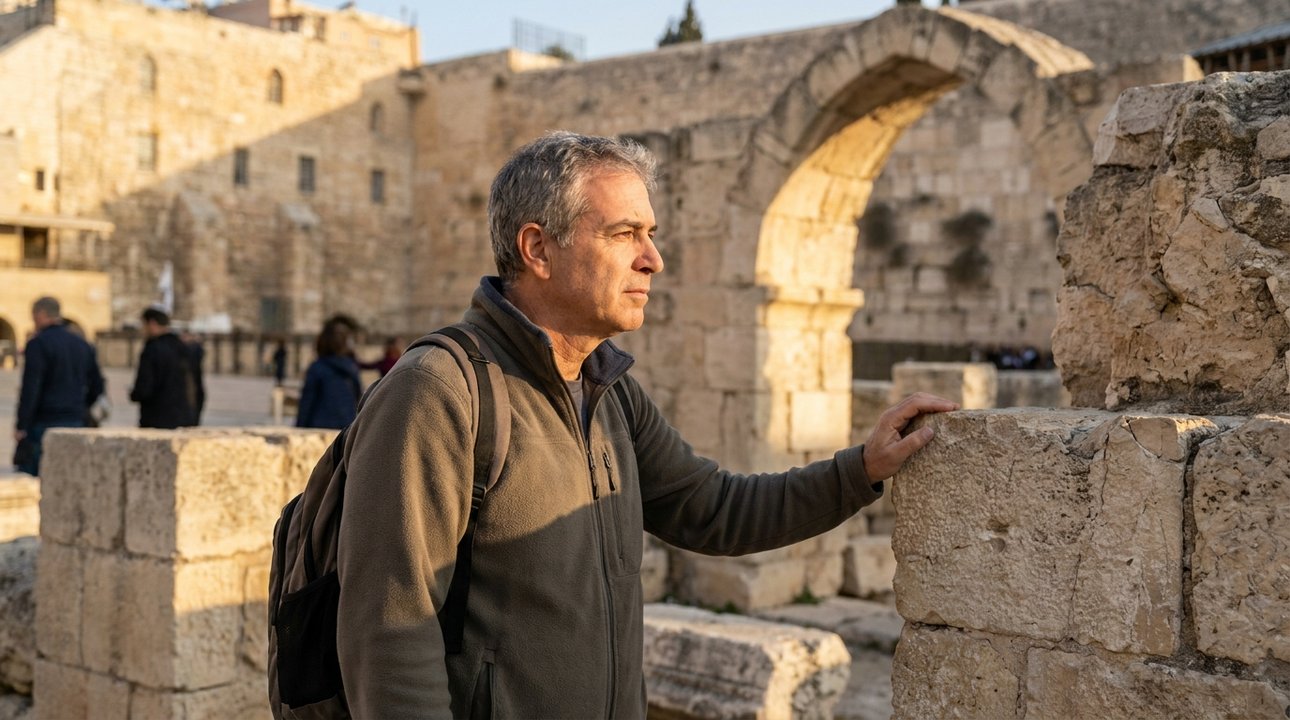
The lands that once constituted this ancient province now lie within several modern countries. Although the old provinces no longer exist, their history continues to be a subject of study. Archaeologists in regions like Iraq and Syria continue to uncover remnants of these ancient cultures, enhancing our knowledge of past ways of life.
This region functioned as a connection between the dominant powers of the ancient Near East, such as Assyria and Persia. It served as both a boundary and a bridge between east and west. People, goods, and ideas traversed it in both directions, helping to link distant communities.
The history of this region is preserved in literature and scholarly research. It offers a clear perspective on the workings of the ancient Near East. Historians and archaeologists continue to study its texts and artifacts, demonstrating the interconnectedness of ancient civilizations.
Cultural Legacy in Literature and Art
The narrative of this region has influenced subsequent literature and art. Themes of journey, exile, and return are prevalent in many works. The biblical stories, in particular, have been retold and depicted across centuries.
The biblical record of the region emphasizes themes of rebuilding and return. Later writers and artists have drawn inspiration from these accounts, exploring universal human experiences such as leaving home and returning.

General Questions
