Exploring the Significance of Mount Mizar
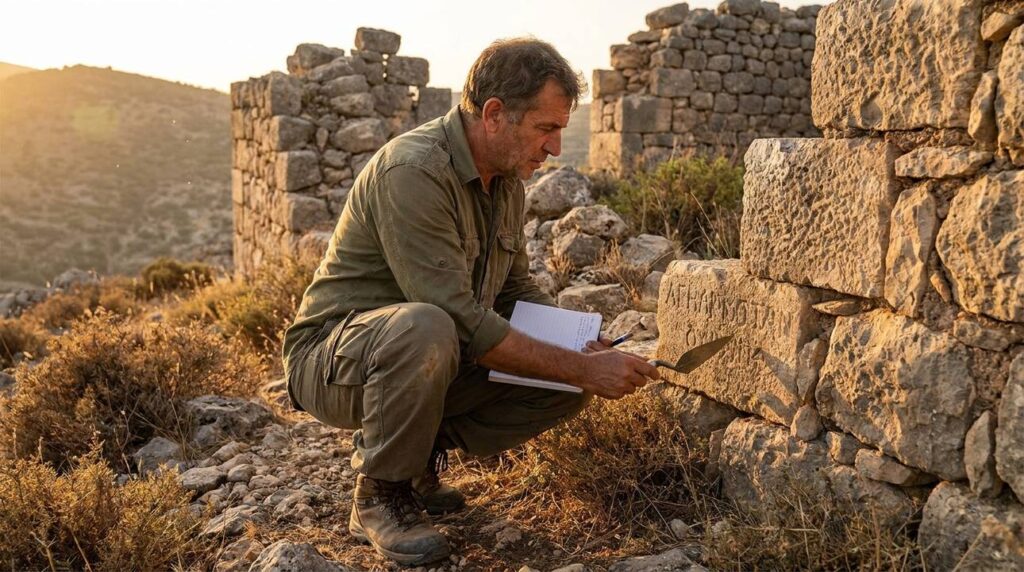

Mount Mizar holds a special place in historical narratives and Jewish tradition. Mentioned in the Psalms, it represents quiet reflection and connection to the divine. Psalm 42:6 specifically mentions Mount Mizar, highlighting its significance as a place of spiritual longing.
In this article, we delve into the history and significance of this lesser-known location, exploring its role in the psalmist’s journey and its enduring impact on Jewish thought. The mountain’s quiet presence echoes the contemplative nature of the Psalms.
Mount Mizar’s mention alongside other significant locations like Hermon and Jordan underscores its role in the spiritual landscape of the region.
These connections invite readers to consider how physical spaces can influence their own spiritual journeys, much like the Israelites’ experiences in the wilderness shaped their faith.
In exploring these themes, we gain a deeper understanding of the enduring relationship between land and spirituality in Jewish tradition.
from the Western Wall to Masada.
What Is Mount Mizar?
Mount Mizar is mentioned in Psalm 42, a passage known for expressing longing and spiritual thirst. While not a major landmark compared to others like Mount Sinai, its mention highlights moments of introspection and the longing for divine presence.
The specifics of its location remain debated, but it often symbolizes a significant place of spiritual encounter. The psalmist’s yearning echoes the broader theme of seeking divine closeness.
The longing for divine connection is a common thread throughout historical texts, reflecting the human desire for spiritual fulfillment. Mentioned alongside other significant locations like Hermon and Jordan, Mount Mizar emphasizes its role in the spiritual landscape of the region.
These connections invite readers to consider how physical spaces can influence their own spiritual journeys, much like the Israelites’ experiences in the wilderness shaped their faith.
References to Mount Mizar
In historical texts, Mount Mizar is primarily noted in the context of the Psalms. Psalm 42:6 states, ‘Therefore I remember you from the land of Jordan and of Hermon, from Mount Mizar.’ This situates the mountain among significant geographic markers in the region.
It provides a backdrop for the psalmist’s emotional reflection and spiritual desire. The mention of Jordan and Hermon alongside Mizar emphasizes its connection to well-known locations, underscoring its spiritual significance.
The region’s geography often played a role in narratives, such as the crossing of the Jordan River.
Mount Mizar’s inclusion in this verse highlights its importance in the spiritual landscape of the region. The psalmist’s longing for divine presence is mirrored in other stories, such as the Israelites’ journey through the wilderness.
These narratives remind us of the enduring connection between land and spirituality, encouraging reflection on how physical places can influence our own spiritual experiences.
Geographical Context of Mount Mizar
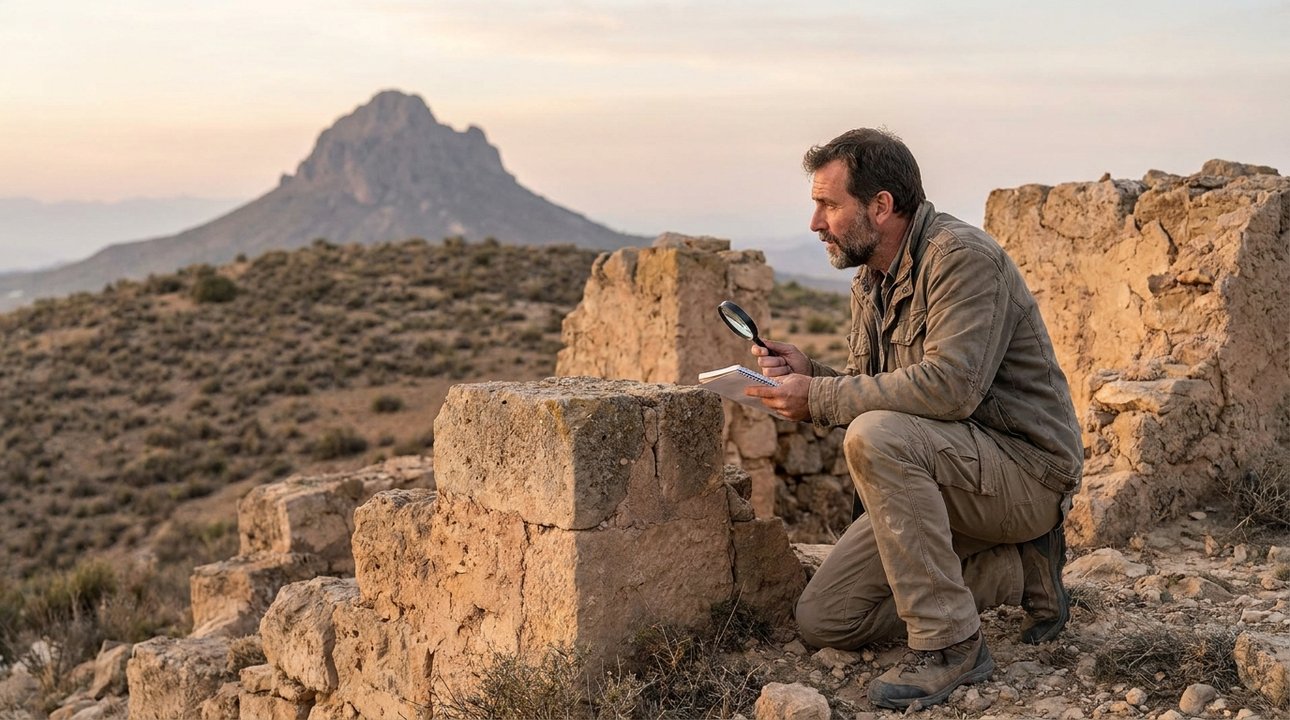
Mount Mizar’s exact location is not definitively established. It is often associated with nearby Mount Hermon, forming part of the landscape of the northern regions. This association is drawn from Psalm 42:6, where the psalmist mentions both Hermon and Mizar.
This positioning suggests its role as a place of retreat and solitude for the psalmist, offering a space for contemplation and spiritual renewal away from the distractions of daily life. This mirrors the use of wilderness as a place of reflection.
Mount Mizar in Jewish Tradition
Despite its brief mention, Mount Mizar carries emotional weight within Jewish tradition. It embodies the themes of yearning and divine pursuit present in the Psalms. Psalm 42:6 captures the psalmist’s deep emotional connection to the land and the divine.
Its quiet presence offers a metaphor for spiritual reflection and seeking closeness to the divine, encouraging individuals to find peace and understanding in their own spiritual journeys. This mirrors the sentiments found in the Song of Songs, which also explores themes of longing.
The mention of Mount Mizar in the Psalms serves as a reminder of the enduring quest for spiritual fulfillment and connection.
The longing for divine presence is echoed in other narratives, inviting readers to reflect on their own spiritual journeys and the importance of seeking moments of connection and reflection in their lives.
The Psalmist’s Reflection at Mount Mizar
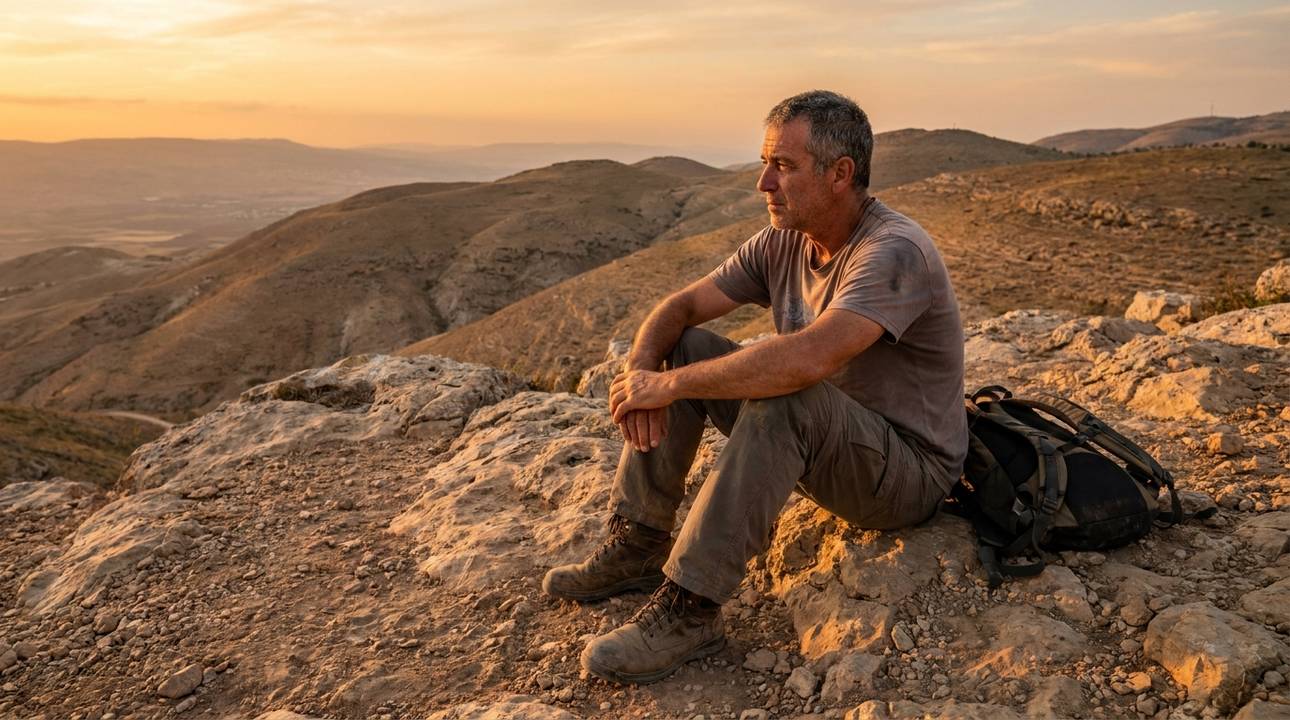
The psalmist’s mention of Mount Mizar reflects a moment of introspection and divine longing. This narrative highlights a personal journey through emotional and spiritual landscapes. In Psalm 42:6, the psalmist speaks of remembering the land from the heights of Mount Mizar.
It symbolizes the universal search for hope and connection during challenging times, offering a reminder that spiritual solace can be found in moments of reflection and prayer. This is akin to David’s reflections in the Psalms when he sought refuge and guidance.
from the Western Wall to Masada.
The psalmist’s journey to Mount Mizar encourages readers to consider their own spiritual paths and the importance of finding moments of quiet reflection in their lives.
The quest for divine connection is echoed in other stories, where they learned to rely on guidance and support during times of uncertainty.
Symbolism of Mountains in the Bible
Mountains in historical texts serve as symbols of reflection and revelation. From Mount Sinai to Mount Mizar, these geographical features provide settings for pivotal moments of faith.
They represent stability, elevation, and the aspiration of reaching toward the divine. The story of Elijah on Mount Carmel further illustrates the mountain as a place of spiritual confrontation and revelation.
Similarly, Mount Zion is often seen as a symbol of presence and protection.
These mountains serve as reminders of the divine encounters that shaped the faith of the Israelites. Mount Mizar, though less prominent, shares in this tradition by being a site of spiritual reflection and longing.
The psalmist’s mention of Mizar in Psalm 42:6 underscores the mountain’s role in the emotional and spiritual landscape of the Bible, inviting readers to consider how physical spaces can influence their own spiritual journeys.
Mount Mizar and Modern Reflections
Today, Mount Mizar is still remembered thoughts on personal spiritual journeys. It encourages reflection on how physical spaces influence spiritual experiences. In Psalm 42:6, the psalmist speaks of remembering the land from the heights of Mount Mizar, suggesting a connection between geography and spirituality. This verse is part of a larger psalm expressing deep longing for divine presence, similar to the yearning felt by the Israelites during their wanderings in the wilderness.
By exploring ancient texts, modern seekers find lessons in these sacred spaces, drawing parallels between the psalmist’s journey and their own spiritual quests. Mount Mizar’s mention alongside significant locations like Hermon and Jordan highlights its role in the spiritual landscape of the Bible. These connections remind us of the enduring relationship between land and faith, much like the connection between Jerusalem and Jewish identity throughout history.
Conclusion: the Continuing Significance of Mount Mizar
Although not as renowned as other sites, Mount Mizar’s presence in the Psalms provides a poignant example of longing and spirituality. In Psalm 42:6, the psalmist expresses a deep yearning for the divine while recalling the distant lands of Hermon and Mizar.
Its story invites readers to reflect on their own spiritual paths and the timeless bonds between land and faith, encouraging them to find solace and inspiration in their own sacred spaces.
The mountain’s mention evokes the enduring quest for spiritual fulfillment.
Mount Mizar’s quiet presence in the Psalms serves as a metaphor for the spiritual journey, reminding us of the importance of reflection and introspection in our own lives.
The pursuit of divine connection is echoed in other narratives, where profound encounters with the divine occur in the stillness of the mountain.
Historical Context