Uncovering the Significance of Mount Hermon


Mount Hermon, towering at 9,232 feet (2,814 meters), is the highest mountain in the region east of the Mediterranean Sea. Its snowy peaks are visible from afar, and it is frequently mentioned in biblical texts.
This article explores Mount Hermon’s geographical location, its height, and its appearances in both the Bible and later Jewish writings.
The Bible refers to Mount Hermon in various books. In the Song of Songs 4:8, it features in a love poem where the poet invites his bride down from the peaks of Senir and Hermon, areas associated with wildlife like lions and leopards.
Due to its significant height and northern position, Hermon often marked the northern boundary of the biblical land. It was used as a symbol of height and strength.
from the Western Wall to Masada.
Geographical Location of Mount Hermon
Mount Hermon is located at the convergence of Lebanon, Syria, and Israel. Its highest peak reaches approximately 9,232 feet (2,814 meters), making it the tallest point in the vicinity.
Rather than a single peak, Hermon is a long ridge. Its elevation allows snow to remain on its summit for much of the year.
In ancient times, its towering presence made it a prominent landmark visible from great distances, serving as a navigational guide across the region.
The mountain’s height made it a natural guide for travelers in ancient times, who could spot it from far away.
At the mountain’s base, two major sources of the Jordan River emerge, fed by the melting snow. This water was crucial for agriculture in the surrounding areas.
Old texts frequently describe Hermon by its snow. The mountain is high enough to maintain a snowy cap for much of the year.
In a dry region, this snow and dew were a precious water source, aiding farming and daily life in the lands below.
The mountain’s snow and dew also became symbolic in Hebrew poetry, representing freshness and blessing.
This symbolism is one reason Hermon appears so frequently in biblical poetry.
Mentions of Mount Hermon
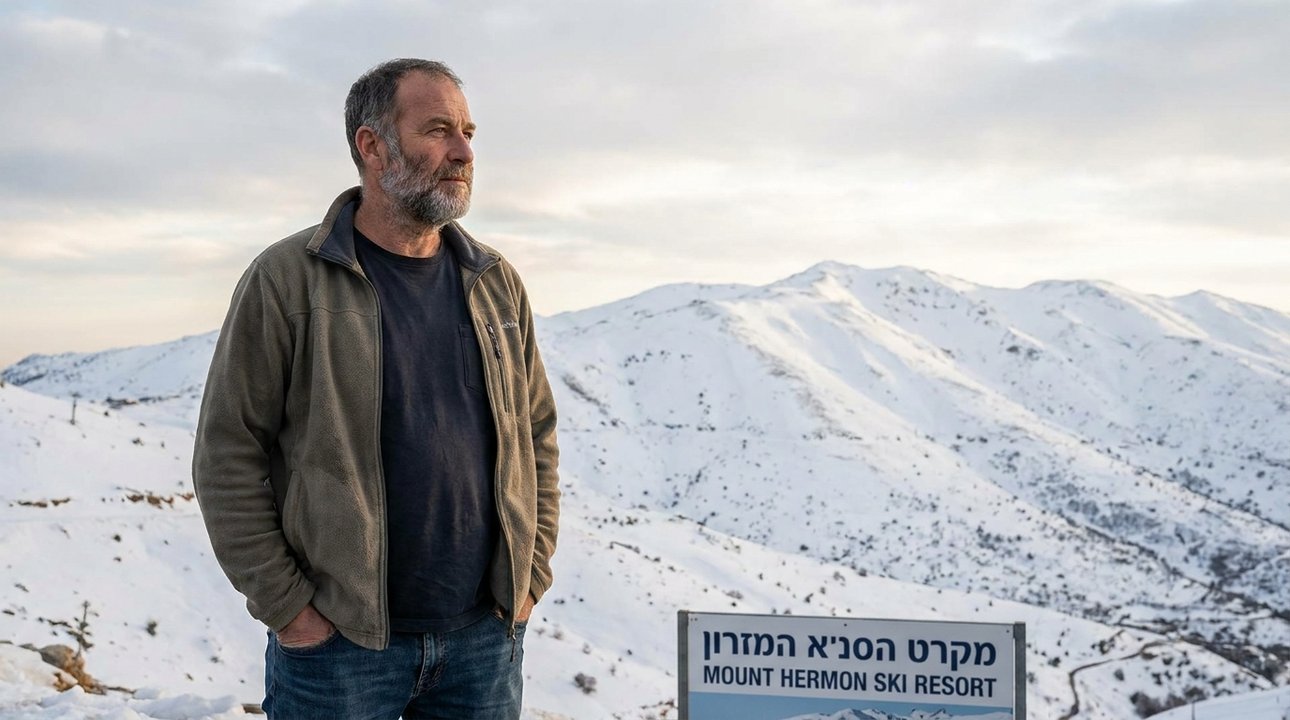
Mount Hermon was known by several names. In Deuteronomy 3:9, it is noted that the Sidonians called it Sirion, and the Amorites referred to it as Senir. It is also called Mount Sion (Siyon) in Deuteronomy 4:48.
These names reflect the mountain’s recognition among different peoples in the region, highlighting its prominence.
The Bible also uses Hermon as a symbol of strength and steadfastness. Its towering height made it a natural metaphor for power.
In the book of Joshua, the land of Bashan, extending to Mount Hermon, was allocated to the half-tribe of Manasseh. This connected the mountain to the division of land among the tribes.
A well-known image is the dew of Hermon. In Psalm 133:3, it is compared to the blessing of unity among people, illustrating harmony in Jewish tradition.
Because of such verses, the mountain became a symbol of unity and blessing.
Hermon is also mentioned alongside Mount Tabor in Psalm 89:12, where both mountains are said to rejoice in God’s name.
Pairing these peaks was a way to praise God as the creator of the entire land, from north to south.

Cultural and Historical Background
Long before its biblical mentions, Hermon was considered sacred by local peoples, including the Canaanites.
At its base was a site called Baal-gad, named after the Canaanite god Baal. The Bible references Baal-gad in Joshua 13:5 as marking the land’s northern boundary.
Archaeologists have discovered numerous temple remains on Mount Hermon’s slopes. Over twenty ancient temple sites have been documented.
These ruins indicate that the mountain was a long-standing place of worship, consistent with the Bible’s depiction of Hermon as a religious site.
from the Western Wall to Masada.
On the summit, there was a small stone temple enclosure where ancient visitors left offerings and inscriptions.
These remains provide insights into how the mountain was used for worship over centuries, emphasizing its significance in regional memory.

Mount Hermon in Later Jewish Thought
Later Jewish writers continued to reference Mount Hermon as a powerful image. Its height and snow made it a fitting symbol for lofty or enduring concepts.
Thus, the mountain remained a part of Jewish cultural memory long after biblical times.
Some later teachers interpreted the mountain’s height spiritually, using its peak as a metaphor for striving toward holiness.
This approach, viewing the natural world as a source of spiritual imagery, was a common teaching method.
One ancient Jewish text, the Book of Enoch, describes Mount Hermon as the descent point of angels to earth, marking a boundary between heaven and earth.
Although not part of the Hebrew Bible, this tradition shows how the mountain’s height inspired associations with the divine.
In these later writings, Hermon is often symbolic rather than a physical destination. Its size made it useful for discussing greatness and aspirations.
These interpretations kept the mountain relevant in Jewish thought for many generations.
Mount Hermon Today
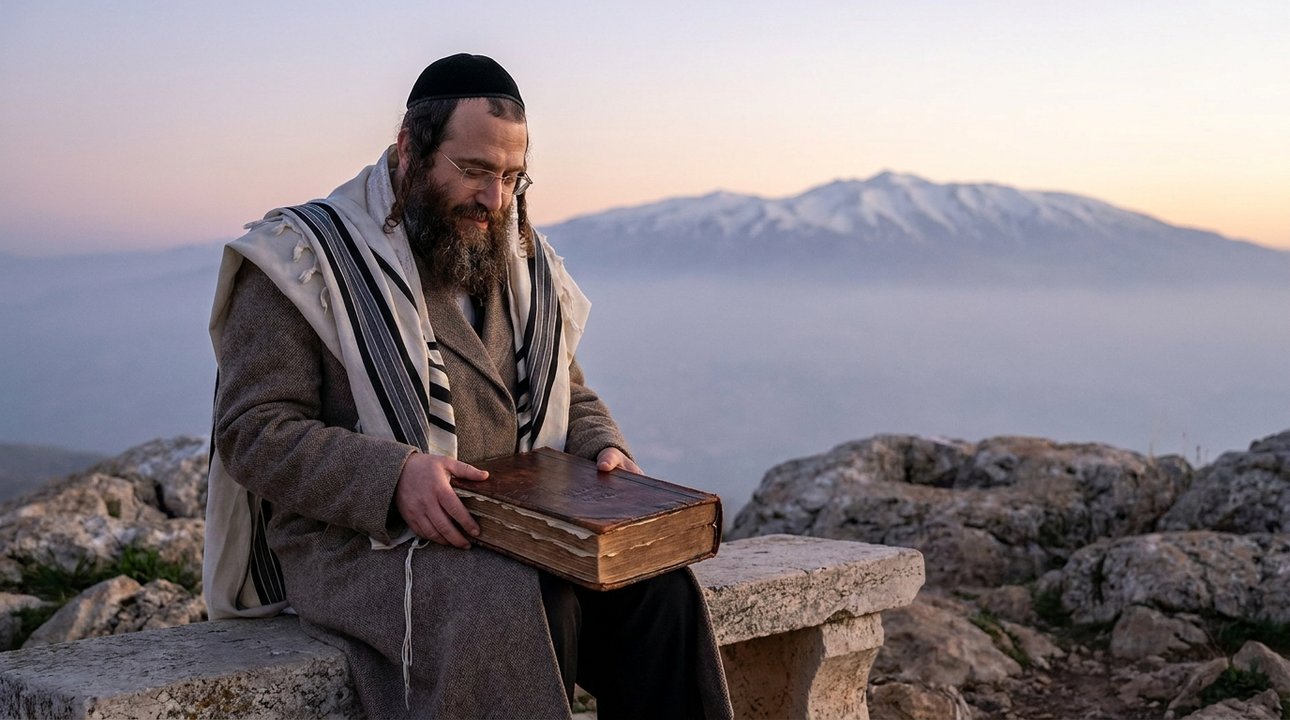
Today, Mount Hermon remains the tallest peak in the region, situated at the junction of Lebanon, Syria, and Israel.
The mountain is a prominent natural landmark, known for its historical significance and the many biblical references connected to it.
On its southern slopes, within Israel, lies a ski site, the only location in the country suitable for snow sports.
The mountain supports a diverse range of flora and fauna, thanks to its height and climate, which are uncommon in the region.
In modern times, the lower slopes have seen some agricultural development, with the cool climate being used for viticulture.
Despite these changes, Mount Hermon is best known for its historical and biblical associations, continuing to be one of the most recognized mountains in the area.
Understanding Mount Hermon