
Unraveling the Mystery: Discovering Sidon in the Bible


Sidon, a city often referenced in historical texts, is situated in what is now Lebanon. It was pivotal in ancient trade and cultural interactions. As a key Phoenician city, Sidon was known for its cultural significance.
This article delves into its influence on historical narratives and its impact on regional history. Sidon’s importance is underscored by its role in shaping the area’s historical dynamics.
Sidon’s involvement in ancient trade and cultural exchanges is well-documented. Its strategic Mediterranean location made it a central player in historical politics and commerce. The city’s legacy is highlighted by its frequent mention in historical records, underscoring its significance in the ancient Near East.
from the Western Wall to Masada.

Where Is Sidon Located?
Sidon is an ancient city on the Mediterranean coast in present-day Lebanon, about 40 kilometers north of Tyre. Historically, it was a prosperous city, central to seafaring and trade, which bolstered its economy and influence.
The city’s strategic position allowed it to dominate important maritime routes, increasing its wealth and power.
Sidon’s historical records highlight its interactions with various empires and its role in regional politics. Its adaptability to changing political landscapes contributed to its enduring legacy. Sidon is often depicted as a significant Phoenician city and cultural center in historical texts.
Research indicates that Sidon was settled as early as the third millennium BCE, making it one of the world’s oldest continuously inhabited cities. Archaeological evidence, such as pottery and tools, supports this early habitation, emphasizing the city’s long history. Sidon’s prime coastal location helped it rise as a principal Phoenician city, known for seafaring skills and trade networks. The city’s position made it a hub for commerce and cultural exchange.
Artifacts found in Sidon, including ancient inscriptions and architectural remains, provide insights into its development and influence over time. These findings reveal the city’s interactions with neighboring cultures and its role in regional politics.
Sidon’s prominence in the ancient world is further evidenced by its mention in various historical texts, which document its contributions to trade, culture, and diplomacy.
Sidon’s location contributed to its prosperity and influence, making it a hub for commerce and cultural exchange. Its strategic position enabled control over important maritime routes, enhancing its wealth and power.
The city’s influence reached regions like Egypt and Greece, showcasing its importance in the ancient world. Sidon’s role in regional politics and trade is well-documented.
Sidon’s strategic location on the Mediterranean coast made it a key player in ancient trade networks, facilitating connections with distant lands. The city’s adaptability to political changes contributed to its enduring legacy. Sidon’s history is highlighted by its frequent mention in historical texts, emphasizing its role in shaping the ancient world.
Sidon in the Bible
Sidon is mentioned in several passages, emphasizing its maritime prowess and its early connections. It is listed as prominent from early times.
The city is also referenced in historical texts for its influence and interactions with neighboring cultures, reflecting Sidon’s longstanding place in ancient Near Eastern history.
Sidon’s significance is further highlighted in historical texts, where its wealth and influence are described within its trade networks. The city’s strategic coastal location allowed it to become a major player in the ancient world, facilitating connections with distant lands. Sidon’s legacy is evident in its continued mention throughout narratives, underscoring its importance in historical and cultural contexts.
Sidon is cited as a prominent city during historical military campaigns. Its reputation as a vital urban center is emphasized throughout historical narratives, including various textual references.
This highlights its importance in the geopolitics of the ancient world, where it played a significant role in regional affairs. Sidon’s historical influence is well-documented, showcasing its interactions with neighboring cultures.
Sidon’s strategic location and resources made it a target for empires like the Assyrians and Babylonians, who sought its wealth and influence. Its adaptability to political changes contributed to its legacy. Sidon’s history continues to be a subject of interest for scholars, who study its impact on ancient societies and its role in shaping the ancient world.
Sidon’s strategic location made it a target for various empires, including the Assyrians and Babylonians, who sought its wealth and influence. The city’s adaptability to political changes contributed to its legacy. Sidon’s history continues to be a subject of interest for scholars, who recognize its role in shaping the ancient world and its contributions to regional dynamics.
Sidon’s influence extended beyond its immediate region, impacting neighboring societies through its cultural and economic activities. Its strategic location on the Mediterranean coast made it a key player in ancient trade networks. Sidon’s legacy in trade and culture is still studied by historians, who recognize its contributions to early societies and its importance in historical contexts.

Sidon’s Role in Phoenician Culture
As a major Phoenician city, Sidon was central to maritime trade development. Its citizens were early explorers, establishing colonies around the Mediterranean, including Carthage. Sidon’s artisans were known for craftsmanship, especially in glass and purple dye, which were prized commodities. The city’s trade networks facilitated cultural exchanges and economic prosperity.
Sidon’s influence extended beyond its immediate region, with maritime activities connecting it to distant lands. Its strategic location and resources allowed it to thrive as a commercial powerhouse, influencing various early societies.
Sidon’s legacy in maritime exploration and commerce is still studied by historians, who recognize its role in shaping the ancient world.
The city played a crucial role in spreading Phoenician culture and innovations, such as the alphabet, which influenced many early societies. Sidon’s strategic location and resources allowed it to thrive as a commercial powerhouse, connecting various cultures through trade.
The city’s legacy in maritime exploration and commerce is still studied by historians today, who recognize its contributions to the development of ancient Mediterranean societies.
Sidon’s influence extended beyond its immediate region, impacting neighboring societies through cultural and economic activities. Its role in spreading Phoenician culture and innovations is well-documented in historical texts. Sidon’s contributions to trade and culture continue to be recognized by scholars, who study its impact on early societies and its legacy.
The production of purple dye in Sidon was notable due to its sourcing from local murex snails, a labor-intensive process. This dye, often called Tyrian purple, was so valued that it became synonymous with royalty and prestige across many ancient cultures.
Historical texts reference the luxurious nature of this dye, highlighting its importance in trade. Sidon’s artisans were skilled in dye production and influenced Mediterranean cultural and artistic development.
from the Western Wall to Masada.
Sidon’s craftsmen were known for their expertise in arts like glassmaking and metalwork, highly sought after in the ancient world. The city’s influence extended across the Mediterranean, with its artistic styles impacting neighboring regions. Sidon’s role as a cultural and artistic hub is evidenced by archaeological finds, such as intricate glassware and jewelry, showcasing craftsmanship and creativity.

Archaeological Discoveries in Sidon
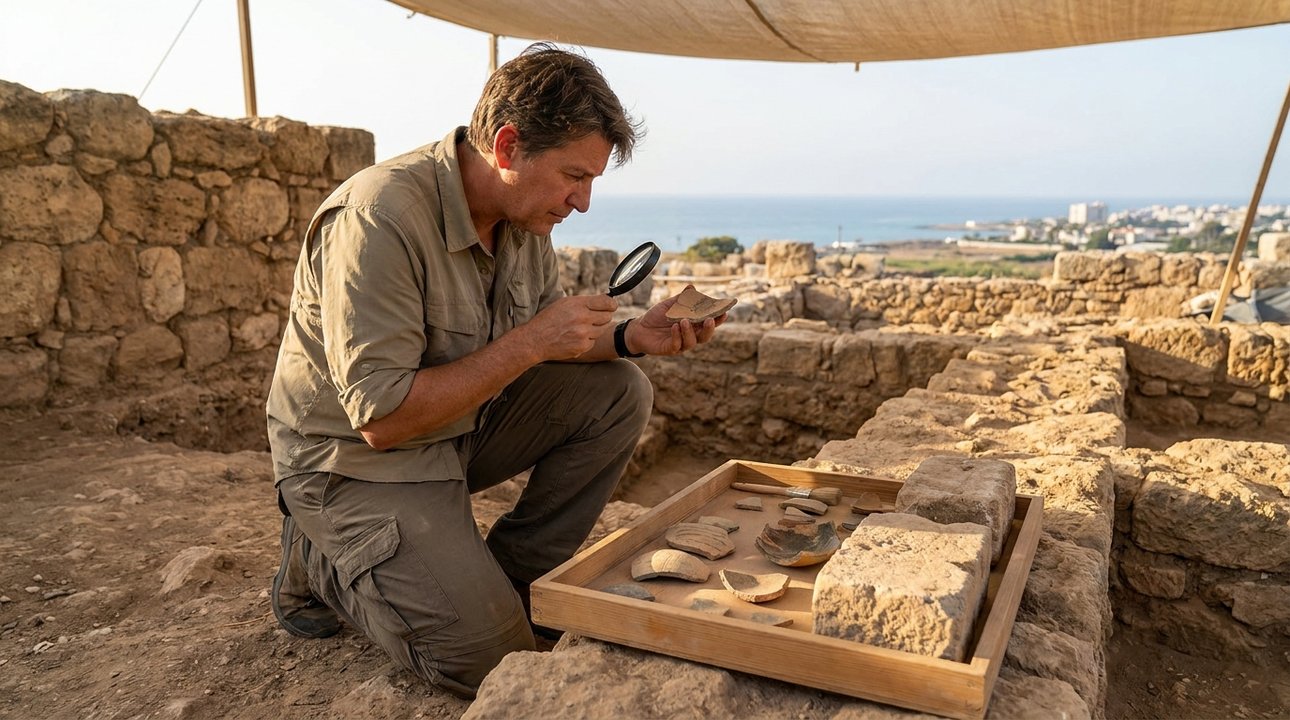
Recent archaeological finds in Sidon have unveiled significant insights into its ancient past. Excavations have uncovered remnants of trade routes, residential areas, and religious sites, providing a glimpse into the city’s history. These discoveries shed light on the daily lives of those who lived there, revealing details about their social and economic activities. Sidon’s history is further highlighted by its mention in various historical texts.
The artifacts unearthed in Sidon offer valuable information about the city’s interactions with neighboring cultures and its role in regional politics. These findings continue to enrich our understanding of the ancient Near East and its interconnected societies.
Sidon’s legacy in trade and culture is still studied by historians, who recognize its contributions to the development of early societies.
Artifacts such as pottery, tools, and inscriptions have been unearthed, offering clues about the city’s interactions with neighboring cultures. The archaeological work has also revealed evidence of Sidon’s role in regional politics and trade. These findings continue to enrich our understanding of the ancient Near East and its interconnected societies. Sidon’s history is further highlighted by its mention in various historical texts.
Recent excavations in Sidon have uncovered significant insights into its ancient past, revealing remnants of trade routes, residential areas, and religious sites. These discoveries provide a glimpse into the city’s history and its role in regional dynamics. The artifacts unearthed in Sidon offer valuable information about the daily lives of its inhabitants, shedding light on their social and economic activities.
Among the finds are impressive sarcophagi with intricate carvings, underscoring the city’s artistic achievements. These archaeological pieces confirm Sidon’s role as a cultural and economic hub in antiquity, with its artisans producing works of beauty and craftsmanship. The city’s history continues to be explored through ongoing excavations, revealing new aspects of its past.
The sarcophagi, adorned with detailed reliefs, provide insights into the artistic styles and cultural influences of the time. These discoveries highlight Sidon’s connections with other early societies, as seen in the blend of artistic motifs. The ongoing archaeological work in Sidon promises to uncover further treasures, enriching our understanding of its history.

Sidon’s Legacy and Influence
Sidon’s influence extends beyond its historical references. In ancient texts, Sidon is mentioned as a significant city-state, highlighting its prominence.
The city served as a beacon of trade and cultural exchange throughout the Mediterranean region, with its strategic port facilitating connections between diverse cultures and societies. Sidon’s role in regional dynamics is well-documented, emphasizing its importance in shaping the ancient world.
Sidon’s contributions to trade and culture continue to be recognized by scholars, who study its impact on early societies and its legacy. The city’s strategic location and resources allowed it to thrive as a commercial powerhouse, influencing various ancient societies. Sidon’s history is further highlighted by its mention in various historical texts, which emphasize its role in regional politics and trade.
Its legacy is evident in modern cultural and historical studies, as researchers continue to explore its impact on art and commerce.
Sidon’s artisans were known for their exquisite work in glass and textiles, particularly the famous purple dye that became a symbol of royalty and wealth.
The city’s contributions to maritime technology and navigation were pivotal in shaping the ancient world.
Sidon’s contributions to art, trade, and culture continue to be appreciated today. The city’s history fascinates scholars and enthusiasts, showing early societies’ complexity. Exploring Sidon offers insight into the ancient Near East’s historical mix, where Phoenician influence was profound. Sidon’s legacy in trade and culture is well-documented, highlighting its impact on ancient Mediterranean societies.
Sidon’s influence extended beyond its immediate region, with its cultural and economic activities impacting neighboring societies. The city’s role in spreading Phoenician culture and innovations is well-documented in historical texts. Sidon’s contributions to trade and culture continue to be recognized by scholars, who study its impact on early societies and its legacy. The city’s history is further highlighted by its mention in various historical texts.
The city’s artisans were celebrated for their skills, particularly in producing glassware and the renowned Tyrian purple dye. These products were highly prized across the Mediterranean, contributing to Sidon’s economic prosperity. Sidon’s trade networks extended across the Mediterranean, facilitating the exchange of goods and ideas. This cultural exchange influenced the development of art and architecture in surrounding regions.
Sidon’s artisans were also known for their metalwork and jewelry, which were sought after by elites in various ancient societies. The city’s craftsmanship and innovation in these fields played a significant role in its cultural and economic influence.
Sidon’s legacy in art and trade continues to be studied by historians, who recognize its contributions to the development of ancient Mediterranean civilizations.

Understanding Sidon's Significance
