
Understanding Moresheth-Gath and Its Notable Past


Moresheth-Gath, known for its cultural impact, holds a notable place in history. This article explores its mentions, geographical context, and cultural influence. Located in the Shephelah region, Moresheth-Gath was strategically situated between Judah and Philistia, influencing its role in regional politics and trade, shaping its narrative.
The town’s strategic location not only facilitated trade but also made it a significant site for cultural exchanges. This positioning allowed Moresheth-Gath to play a vital role in the interactions between different peoples and cultures, enriching its history. The historical references to Moresheth-Gath highlight its importance as a symbol of messages and social justice, offering lessons for readers today.
from the Western Wall to Masada.
What Is Moresheth-Gath?
Moresheth-Gath is recorded as a town of historical importance. Situated in the region of Judah, this town held strategic importance in its time. The town’s name, which translates to ‘Possession of Gath,’ suggests its proximity to the neighboring Philistine city of Gath. However, its exact location remains a topic of scholarly debate, with archaeological and historical research continuing to provide insights.
Moresheth-Gath’s significance lies in its representation of important messages. In historical times, the town was a symbol of messages about justice and social responsibility. The legacy of these messages endures, reminding generations of the importance of righteousness and humility. These values urge people to act justly, love mercy, and walk humbly, values that transcend time and is still remembered for ethical living.
The historical context of messages from Moresheth-Gath highlights the universal appeal for justice. The town’s mention serves as a reminder of the enduring need for ethical conduct and the consequences of societal failings, offering lessons for contemporary society.
Historical Context of Moresheth-Gath
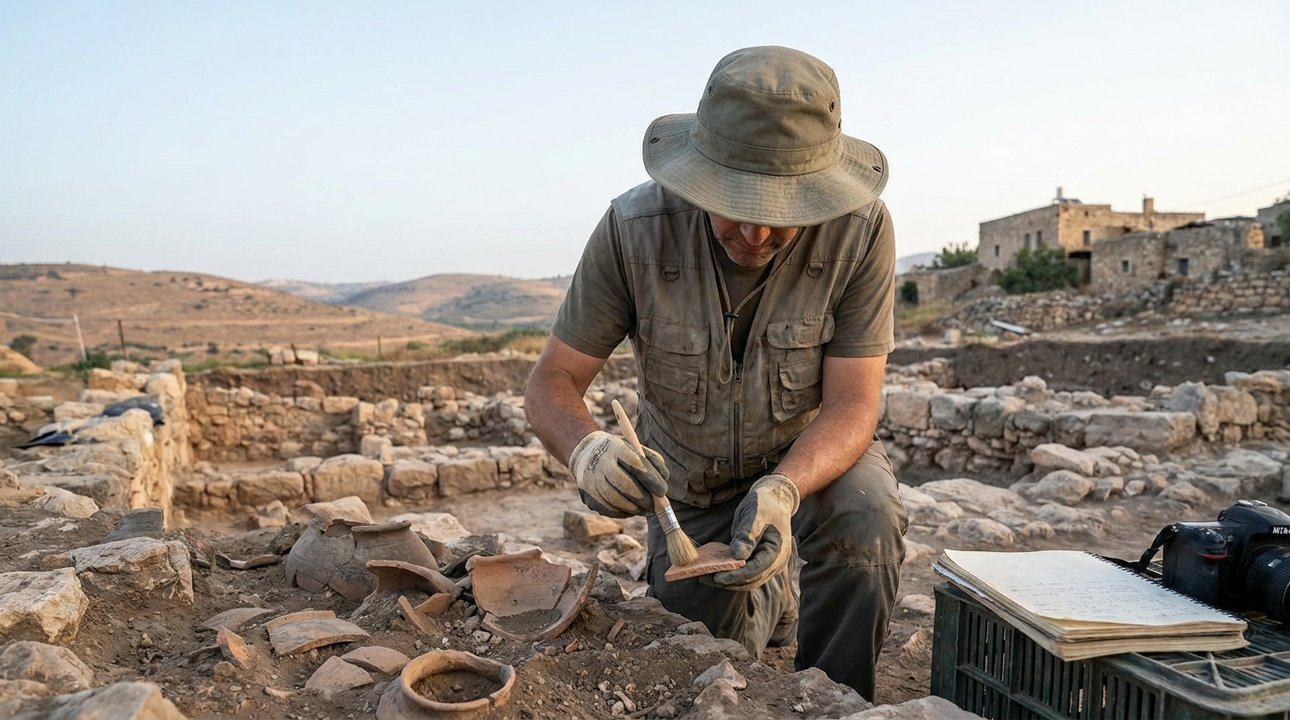
The geographical region around Moresheth-Gath was characterized by its fertile lands and strategic location between Judah and Philistine territories. Archaeologists have discovered remnants of ancient settlements in the area, providing evidence of its history. Excavations have revealed pottery and tools, suggesting a thriving community. Moresheth-Gath may have been an agricultural center, as evidenced by its name, which implies a connection to fertile lands and resources, supporting both local sustenance and trade.
The strategic location of Moresheth-Gath between Judah and Philistia made it a key player in regional politics and trade. This positioning allowed for cultural exchanges and economic interactions, as evidenced by the variety of artifacts found.
The town’s agricultural prosperity, supported by its fertile lands, likely contributed to its role as a hub for trade and cultural exchange, enriching our understanding of its historical and economic significance.
Messages placed a spotlight on Moresheth-Gath, using it as a backdrop for messages about societal issues. The town’s role in these messages highlights its thematic importance, serving as a reminder of messages delivered through history. These messages addressed social injustice and called for reforms that resonate even in modern times. Calls for justice and mercy are still remembered efforts for social change today, urging communities to strive for equity.
Moresheth-Gath’s mention underscores its symbolic role in conveying messages of accountability and reform. The town serves as a reminder of the consequences of social and moral failings, urging reflection on ethical conduct. Teachings advocating for justice and humility provide a framework for addressing contemporary societal issues, encouraging individuals to consider their actions and their impact on their communities.
Mentions of Moresheth-Gath in Historical Context
Moresheth-Gath is primarily known for its notable past. Its messages often used the town as a symbol for broader messages about repentance and justice. This association underscores the town’s symbolic role in illustrating the consequences of moral and social failings, urging reflection on ethical conduct.
Messages often called for a return to righteousness and highlighted the importance of humility. This verse urges people to act justly, love mercy, and walk humbly. Moresheth-Gath, therefore, serves as a backdrop for these teachings, reminding us of the enduring relevance of justice and ethical living. The town’s mention in historical texts underscores its role in the moral discourse of the time, offering lessons that continue to resonate with modern readers.
The presence of Moresheth-Gath in historical messages reflects the interconnectedness of smaller towns with the broader socio-political landscape of the time. These connections underscore the significant influence local communities had in the narratives and messages of the past. Moresheth-Gath’s references invite readers to explore the dynamics of ancient Judah and its teachings, showing the era’s challenges.
from the Western Wall to Masada.
Archaeological Discoveries
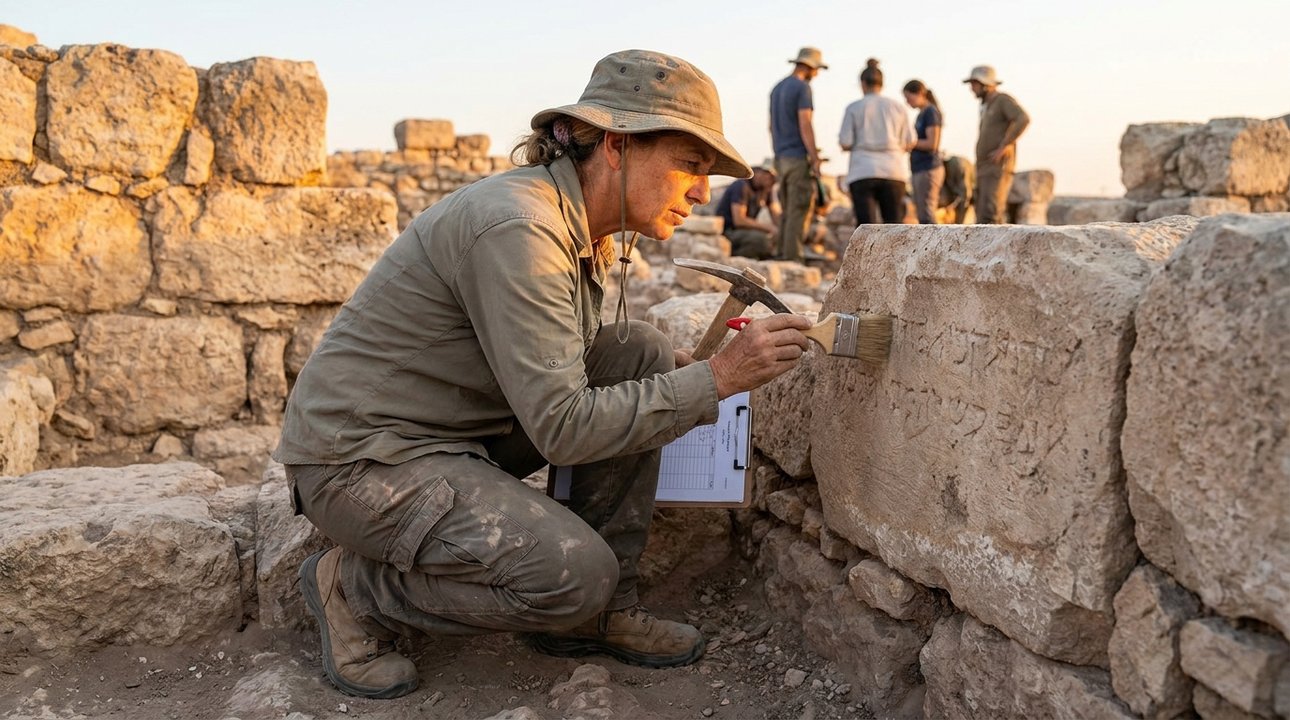
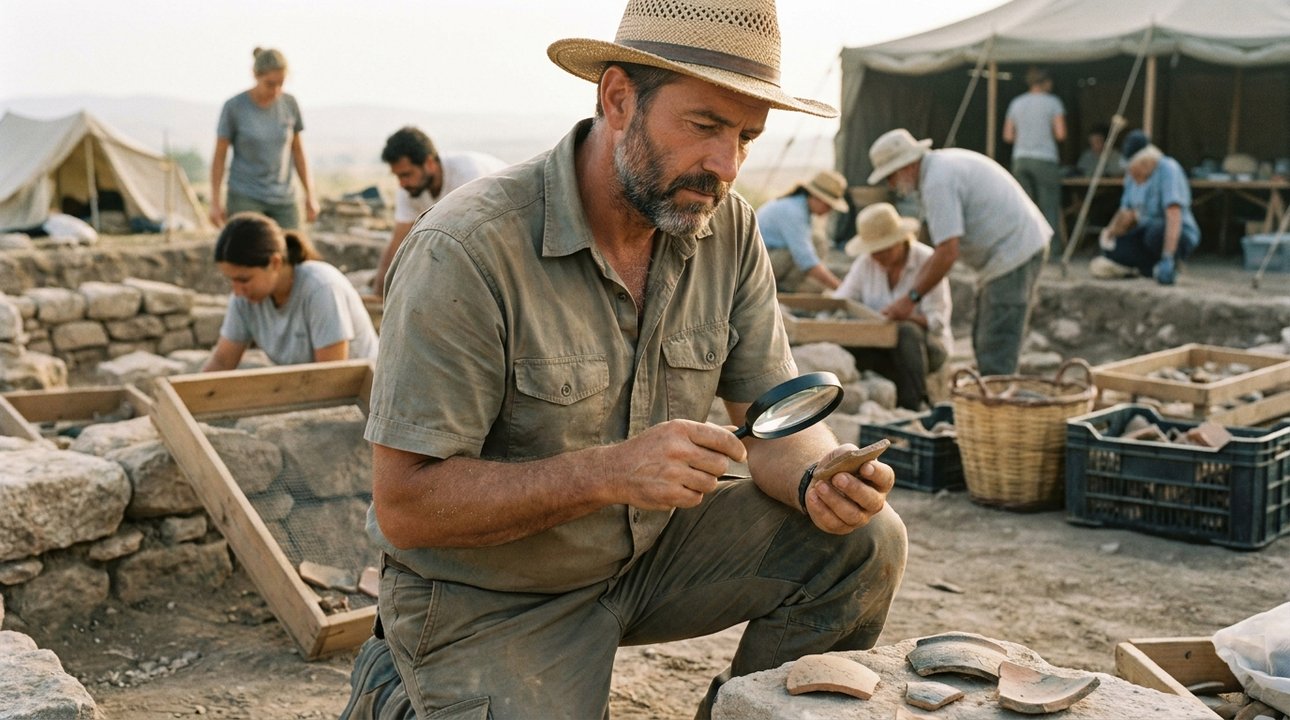
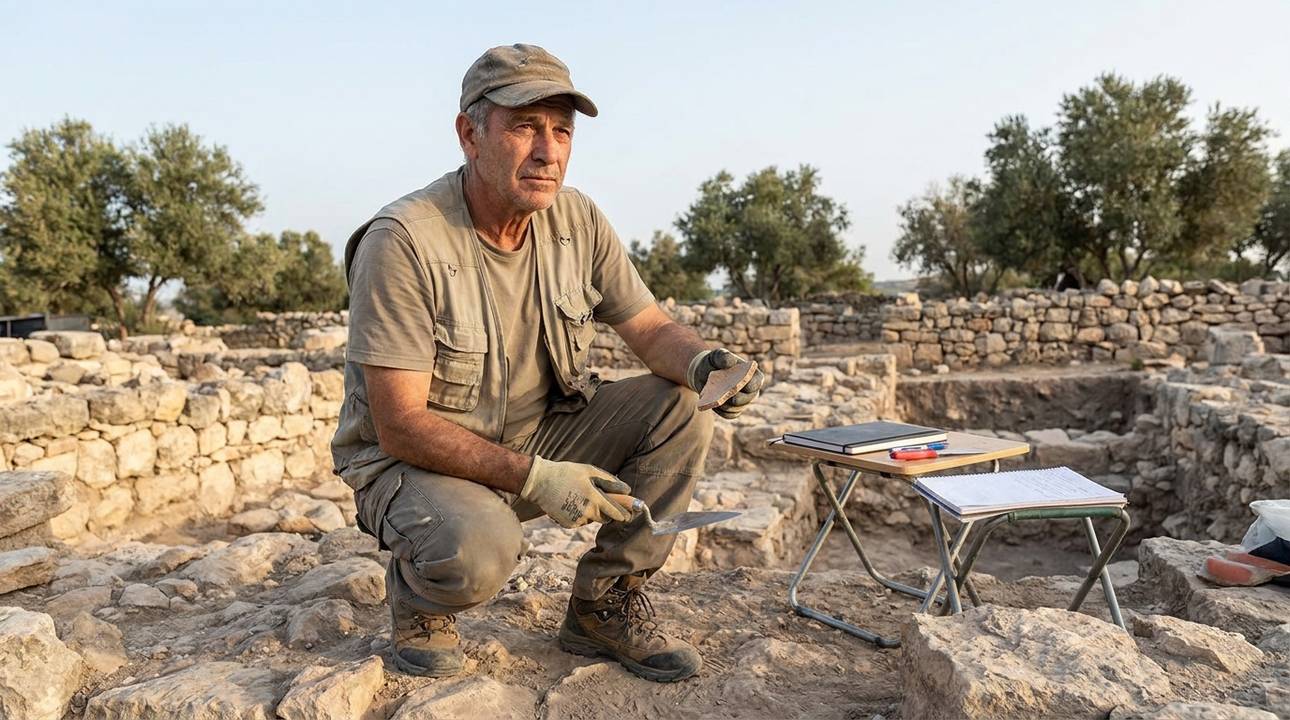
Recent archaeological findings have shed light on life in Moresheth-Gath during historical times. Excavations in this region have uncovered structures and artifacts that paint a picture of a community involved in agriculture and trade. Items such as grain storage facilities and trade goods have been found. These discoveries provide context to the historical accounts, offering tangible evidence of the town’s existence and its role in the historical narrative, enriching our understanding of its cultural landscape.
The artifacts found, including pottery and tools, suggest that Moresheth-Gath was a thriving community with strong agricultural and trade networks. These findings help illustrate the daily life and economic activities of its inhabitants.
The presence of grain storage facilities indicates the importance of agriculture to the town’s economy, while trade goods suggest interactions with neighboring regions, highlighting the interconnected nature of ancient societies.
The artifacts uncovered at Moresheth-Gath also highlight the cultural exchanges between Judah and neighboring regions. Pottery and inscriptions found at the site indicate trade with Philistine cities like Gath. This reflects a landscape where different groups interacted, influencing each other’s cultural and economic practices. Such findings help modern audiences understand the interconnected world of ancient Judah, revealing a mix of shared and distinct traditions.
These discoveries show that Moresheth-Gath was not an isolated community but part of a broader network of trade and cultural exchange. The presence of Philistine artifacts suggests a dynamic interaction between these ancient peoples, contributing to a richer understanding of the region’s history.
This interconnectedness is further evidenced by the variety of pottery styles and inscriptions found, which indicate a blending of artistic and linguistic influences from surrounding areas.
Moresheth-Gath in Prophetic Literature
Literature often uses Moresheth-Gath as a setting for messages of accountability and redemption. The town is mentioned in the context of judgment, symbolizing broader themes of social justice and intervention. Calls for reform are not limited to the community but extend to the surrounding regions, reflecting the universal nature of the message. Emphasizing themes of justice and humility, resonating with audiences seeking moral guidance and encouraging ethical introspection.
Messages are still remembered by readers to pursue justice and mercy. The use of Moresheth-Gath in these messages underscores the importance of accountability and the potential for redemption, offering a framework for addressing moral and social issues. The town’s symbolic role in these texts highlights the enduring relevance of teachings, encouraging reflection on personal and communal responsibility.
The messages associated with Moresheth-Gath remind us of the timeless nature of teachings, encouraging reflection on contemporary societal issues. Through these teachings, Moresheth-Gath is still remembered in discussions about justice and morality. The enduring relevance of these messages highlights how ancient places can still resonate in modern discourse. Emphasis on justice and humility provides a framework for addressing today’s challenges with compassion and integrity, offering a moral compass for society.
Teachings serve as a guide for ethical living, urging individuals to act justly and love mercy. The mention of Moresheth-Gath in these messages underscores the town’s role in conveying these timeless messages. By reflecting on the lessons associated with Moresheth-Gath, readers are encouraged to consider their own actions and the impact they have on their communities, fostering a deeper understanding of justice and morality.
Moresheth-Gath in Context
