
Discovering Arimathea’s Location and Significance


Arimathea, a name mentioned in ancient texts, remains a place of intrigue and mystery. Its mention in historical accounts, such as in the context of Joseph of Arimathea, adds to its allure. Though its precise location is debated, it holds notable historical importance.
This article explores its historical setting and connection, much like other sites such as Shiloh, known for being a religious center. Shiloh served as a central place of worship before the Temple in Jerusalem was built.
Arimathea’s connection to burial traditions emphasizes its cultural role. The act of purchasing burial sites for families reflects the customs and significance associated with burial practices in the Jewish tradition, highlighting Arimathea’s place in this mix of history and culture.
from the Western Wall to Masada.

What Is Arimathea and Where Is It Mentioned?
Arimathea is primarily known from historical texts for its association with Joseph of Arimathea. Joseph is described as providing his own tomb for the burial, a practice reflecting Jewish burial customs.
However, the specific geographic details are not as clear in these texts. This uncertainty mirrors other locations like Ophir, whose exact location remains a mystery despite its mention in historical accounts. Ophir was famed for its wealth and resources, much like Arimathea’s elusive history.
The lack of precise geographic details about Arimathea and similar sites highlights the challenges faced by historians and archaeologists in piecing together historical narratives.
These mysteries invite ongoing exploration and research, as each discovery has the potential to shed new light on ancient practices. The enduring intrigue surrounding Arimathea reflects the broader quest to understand the historical contexts of ancient stories.
Where Could Arimathea Have Been Located?
Various sources suggest Arimathea may correspond to Ramah or Ramathaim-Zophim. Ramah is frequently mentioned in historical texts as a place of worship and governance.
These locations were linked to regions of Judea, adding weight to historical narratives. Ramathaim-Zophim, known as Samuel’s birthplace, further ties Arimathea to significant events.
Samuel’s role as a leader underscores the importance of these sites.
Ramah’s mention as a site of lamentation during the exile adds another layer to its historical and emotional significance. The connection between these places and Arimathea enriches our understanding of the cultural landscape of ancient Judea. These ties illustrate how geography and narrative intertwine in historical accounts, showing the lives and beliefs of those who lived in these regions.
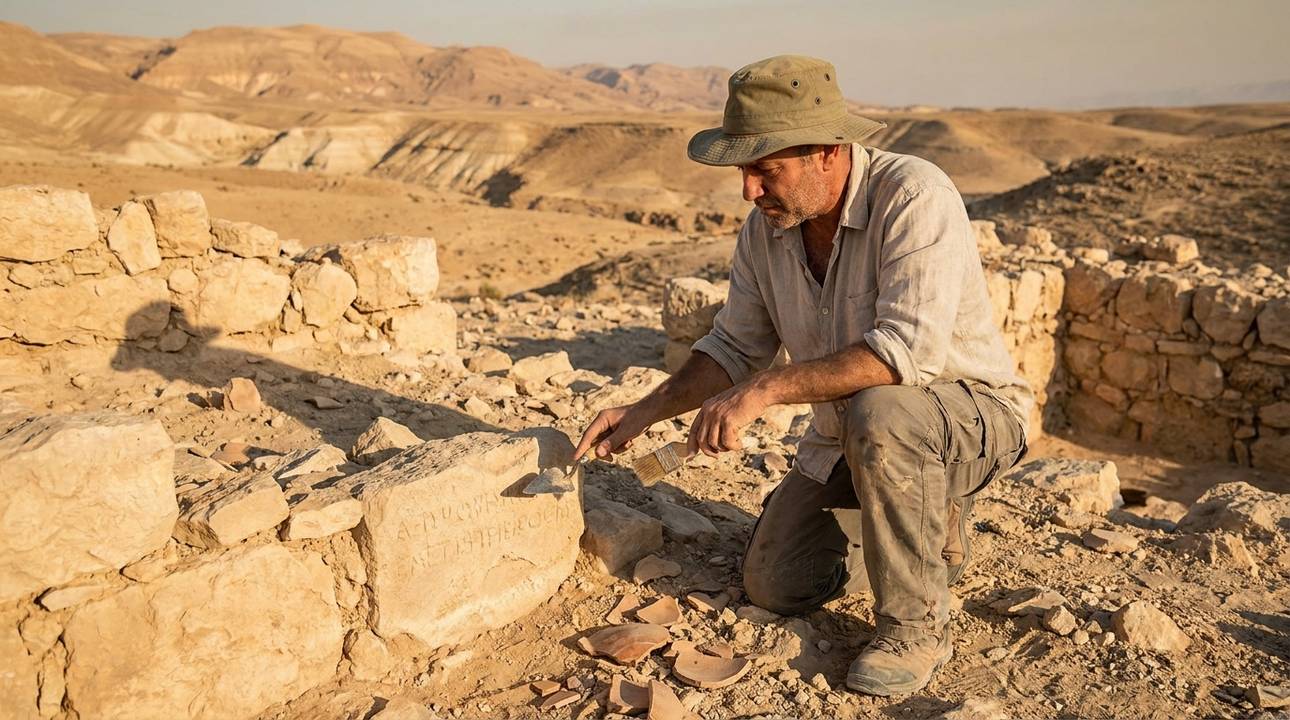
Historical References to Arimathea
While Arimathea is primarily mentioned in connection with Joseph, its name evokes historical towns in ancient accounts. Joseph of Arimathea is noted for his role in providing a tomb, paralleling figures who also played key roles in burial traditions.
These include potential parallels with sites such as Ramah, which is referenced as a location of judgment and prophecy. Such connections highlight the continuity of burial customs across narratives.
Ramah’s association with historical figures who held court there further emphasizes its role as a place of leadership and decision-making. The continuity of burial customs and the significance of these locations in narratives underscore the enduring nature of these traditions.
They reflect the deep cultural roots that continue to resonate through the stories and practices of the Jewish people.
The Importance of Arimathea in Historical Context
As a location, Arimathea captures an aura of cultural importance, emphasizing the role of individuals in historical narratives. Ancient texts often highlight the importance of places in journeys.
The area’s connection to personal history and historical sites reflects the intertwining of personal devotion and the physical landscape, much like the connection between David and Jerusalem.
Bethel, where Jacob had his vision of a ladder reaching to the heavens, illustrates how places become central to spiritual experiences and revelations. Similarly, David’s establishment of Jerusalem as a political and spiritual center underscores the profound connection between faith and geography.
These narratives highlight the enduring relationship between sacred spaces and personal faith journeys, a theme echoed in the story of Arimathea.
from the Western Wall to Masada.
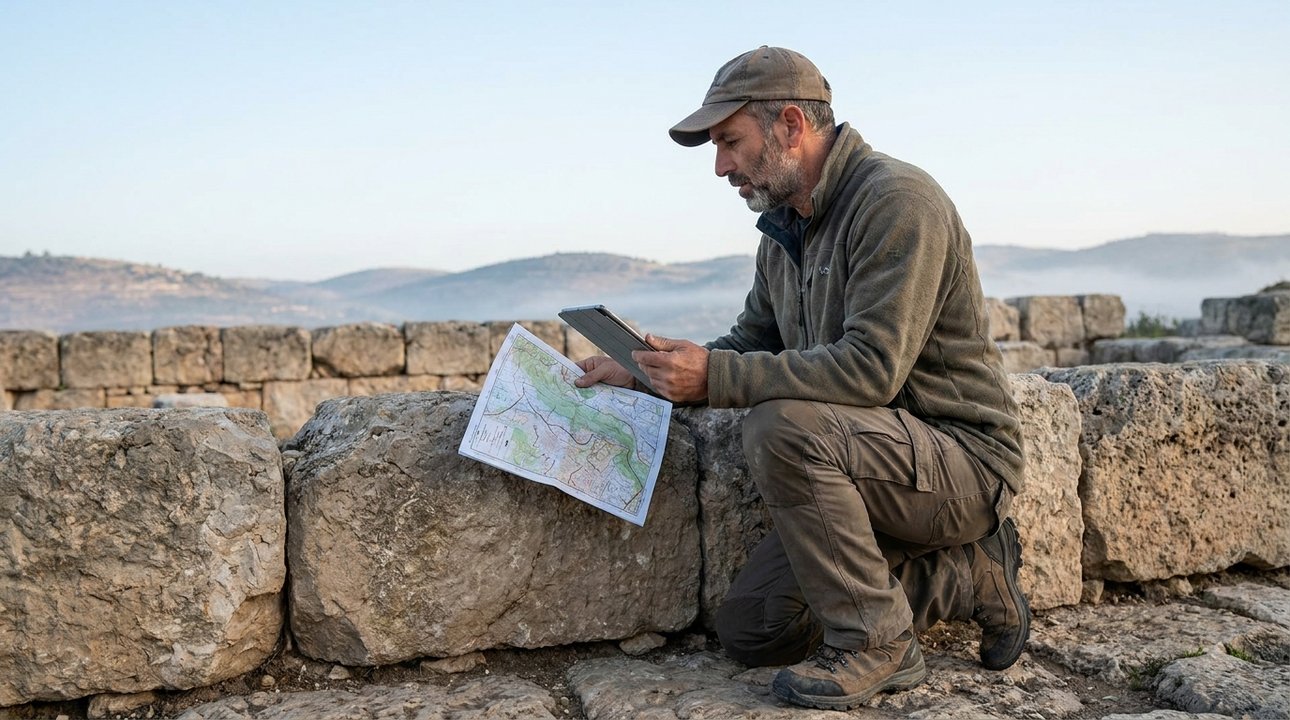
Arimathea: Etymology and Name Origin
The name ‘Arimathea’ could derive from ancient terms, suggesting meanings aligned with elevation or place of heights. In Hebrew, the word ‘Ram’ means ‘height’ or ‘high place’, which aligns with the idea of Arimathea being located in an elevated region.
These interpretations support geographical theories tying it to hills or elevated regions. This aligns with the tradition of significant events occurring on elevated ground, such as Mount Sinai and Mount Moriah.
The Debate over Arimathea’s Location
Scholars continue to debate Arimathea’s precise location, with historic accounts providing varied viewpoints. Some suggest it could be linked to Ramah, while others propose connections to Ramathaim-Zophim.
This ongoing discussion mirrors the complexity of mapping ancient lands today, where texts and modern archaeology often intersect and sometimes conflict. The challenge is compounded by the shifting names and borders throughout history.
For instance, Ramah is also mentioned as a place of mourning, adding layers to its history. Meanwhile, Ramathaim-Zophim is known as the home of Samuel, further intertwining these locations with narratives. These debates highlight the dynamic nature of historical geography, where every discovery can reshape our understanding of these historical sites.
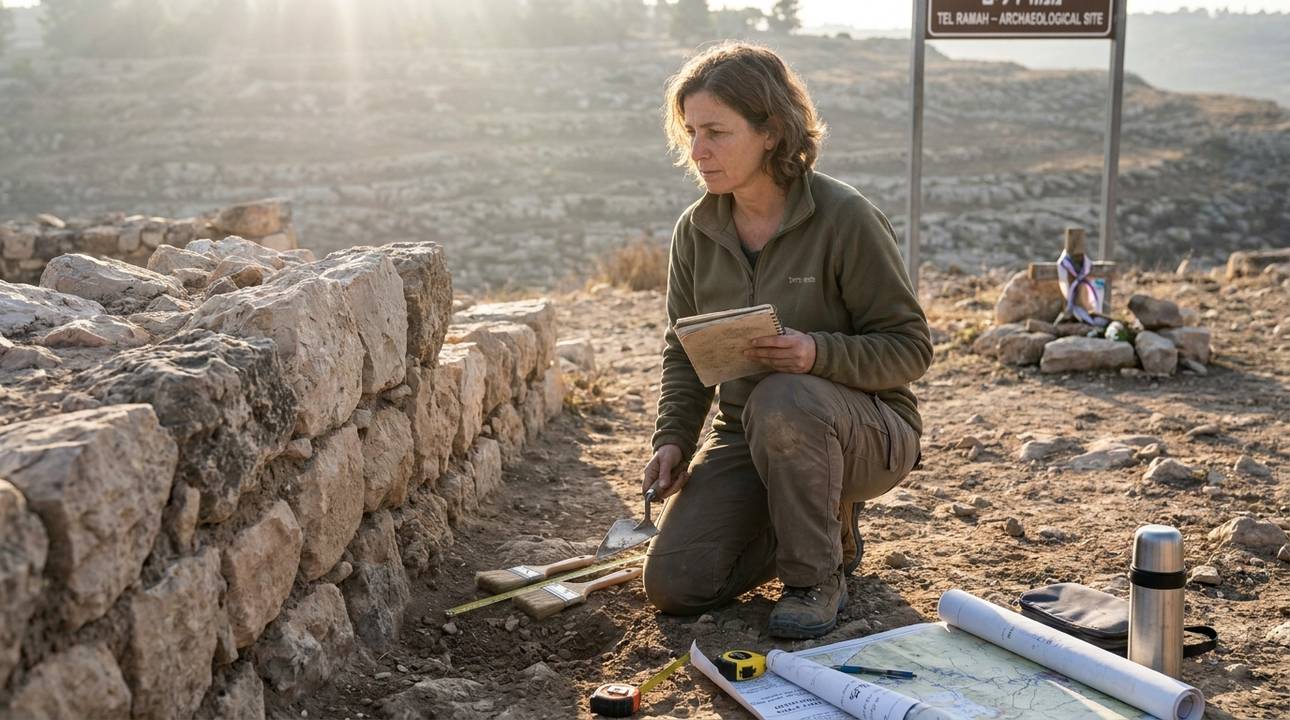
Archaeological Insights and Discoveries
While no definitive archaeological evidence pinpoints Arimathea, nearby sites offer contextual insights. Excavations near Ramah have uncovered pottery and tools dating back to earlier periods.
Similarly, Ramathaim-Zophim provides artifacts that enrich understanding of the region’s historical landscape and its significance in narratives. These findings help piece together the broader historical context of the area.
Artifacts from these sites, such as pottery and inscriptions, offer glimpses into the daily lives and practices of the people who lived there. The ongoing archaeological work in these areas continues to reveal new information, contributing to our understanding of the history and culture of ancient Judea. Each discovery adds a piece to the puzzle, enhancing our appreciation of these sites.
Arimathea in Modern Cultural Memory
Today, Arimathea’s story remains a part of Jewish and Christian cultural narratives. Its mention in historical texts, particularly in connection with Joseph of Arimathea, has inspired countless works of art and literature. In Jewish tradition, places like Arimathea are often explored for their history and their role in the broader mix of history. In literature, Arimathea symbolizes the quest for understanding, echoing the themes found in texts like the Psalms and the Prophets.
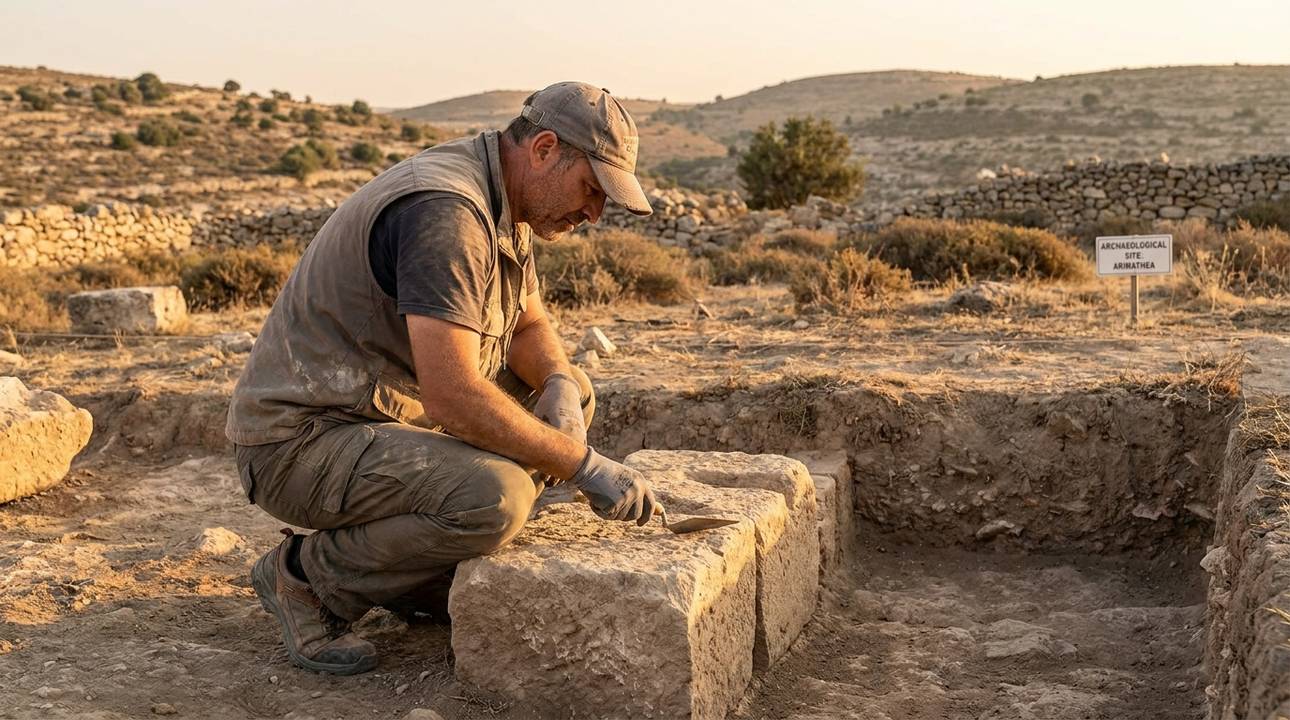
Conclusion: the Legacy of Arimathea
Arimathea continues to draw interest for its historical connections and elusive historical footprint. Its narrative invites exploration into the geography of ancient Judea, where towns like Ramah and Ramathaim-Zophim once thrived. Exploring its narrative offers a mix of insights into geography and stories, shedding light on the cultural and historical contexts of these ancient places. The interplay between these sites and historical figures adds depth to our understanding.
Ramah’s role in history, as seen in its mention, further underscores its importance in the narrative of exile and return. Meanwhile, the association of Ramathaim-Zophim with Samuel highlights the leadership rooted in these locations. Together, these connections illustrate the legacy of these places in shaping the cultural identity of the region.
Arimathea and Its Historical Role
