
Unveiling Azel: Location and Significance in the Bible


Azel is a lesser-known location mentioned in historical texts. It is used as a landmark in a vision describing a dramatic event where a valley will be created by a split in the Mount of Olives.
This passage suggests a future moment of significant upheaval and transformation. Understanding Azel’s significance requires exploring its historical context and geography. Scholars often look at the broader narrative, which includes themes of renewal and intervention.
What Does the Bible Say About Azel?
Azel appears in historical texts. The passage describes a future event where the Mount of Olives splits in two, creating a path to Azel. This reference links the location to eschatological themes.
Here, Azel is a symbolic place representing a route of escape during these prophesied events. While the exact location of Azel remains unclear, it is traditionally associated with areas near Jerusalem.
This connection to Jerusalem is significant, as the city itself is central to many prophecies, highlighting its role in future events.
from the Western Wall to Masada.
Azel in Historical Geography
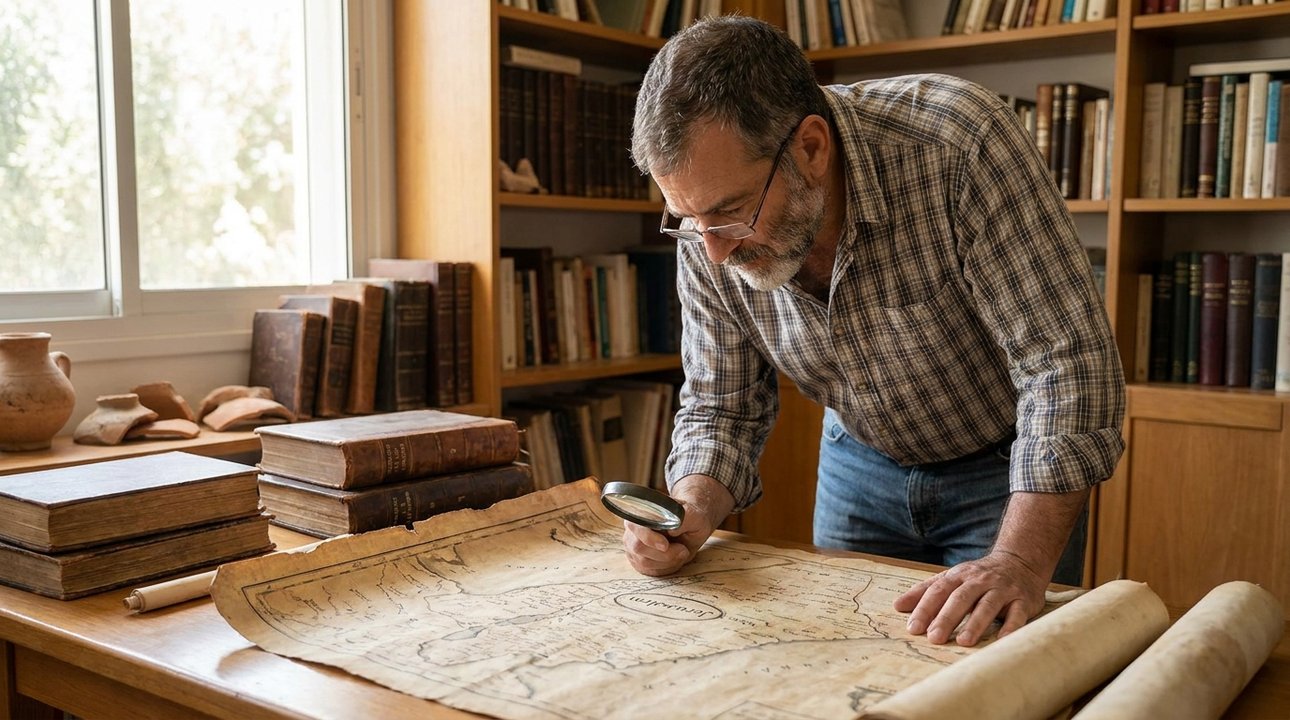
Azel’s precise location is not detailed, leading to various interpretations and explorations. Most scholars agree that it lies near the vicinity of Jerusalem, providing contextual importance in historical narratives.
Jerusalem itself is a focal point in many stories, such as the establishment of the city as a capital. This geographical uncertainty does not diminish its importance, as it plays a key role in understanding prophetic landscapes related to visions.
The city’s ongoing relevance continues to make it a subject of study and interest.
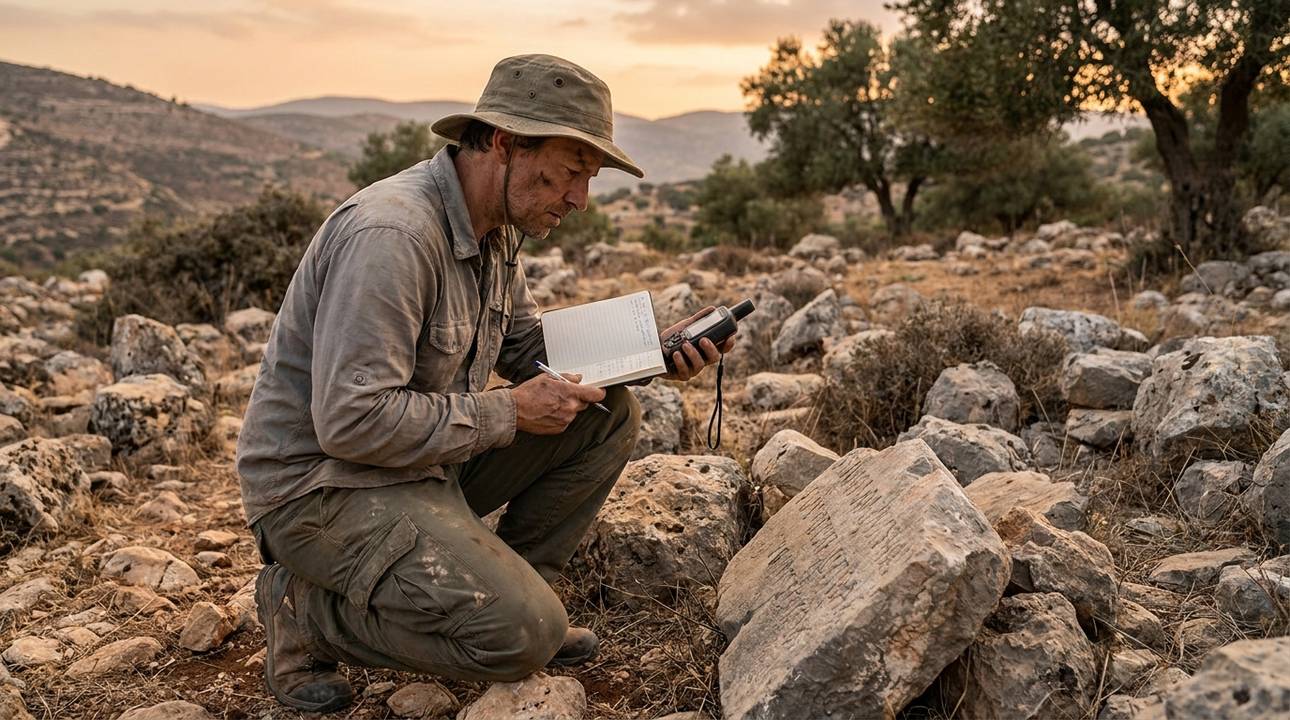
The context within the prophecy suggests a valley or passageway, typical of strategic locations in historical literature. For instance, valleys often served as routes for armies or places of refuge.
These features highlight Azel’s potential symbolic representation, serving as a pathway in times of intervention. Therefore, locating Azel could provide insights into understanding historical and theological implications within the prophecy.
Such insights might parallel the significance of other locations like the Valley of Elah.
Historical and Cultural Interpretations
Historical interpretations suggest Azel might represent hope and intervention. In prophecy, it symbolizes protection and escape for those in peril.
These interpretations connect Azel to broader themes of deliverance, common in prophetic texts. Such themes are also evident in other prophetic books, where the idea of a remnant being saved is frequently mentioned.
This theme of a remnant echoes throughout texts, providing a sense of continuity and hope.
from the Western Wall to Masada.
Culturally, Azel’s mention echoes the recurring theme of promise in historical literature. This elevates its significance beyond a mere geographical location to a symbol of resilience.
Such themes are also seen in the stories of historical figures who led significant journeys.
Therefore, Azel serves as an emblem of assurance amidst prophesied upheavals, much like the promises of restoration found in the writings of prophets. Prophets often spoke of a future hope for Israel, where a promise of peace and prosperity is given.
Azel in Modern Understanding
Today, Azel remains a topic of interest for scholars and enthusiasts. Its symbolic implications challenge readers to reflect on prophecy and its meanings. While its exact location is speculative, some suggest it could be near Jerusalem, given its mention alongside the Mount of Olives. Azel’s narrative is still remembered in the study of ancient texts, encouraging deeper exploration into how geographical locations were used symbolically in prophecy. This exploration is similar to how scholars study the significance of places like Mount Sinai.
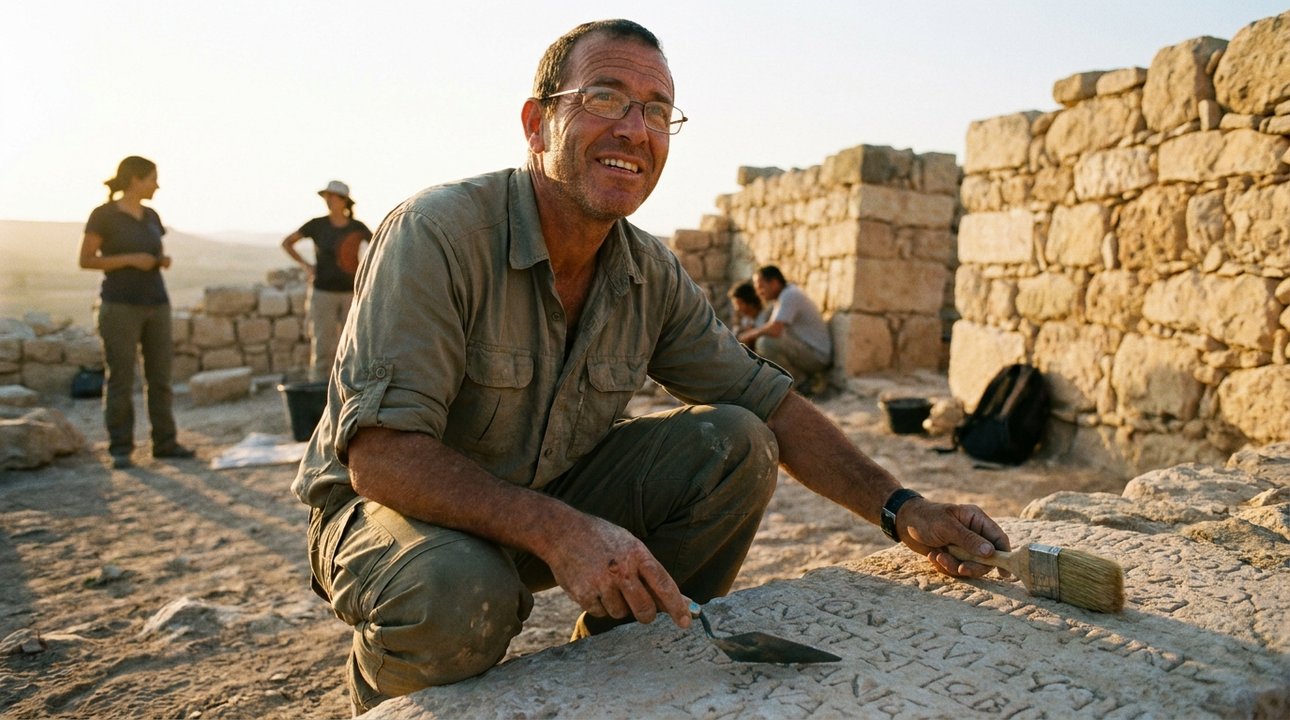
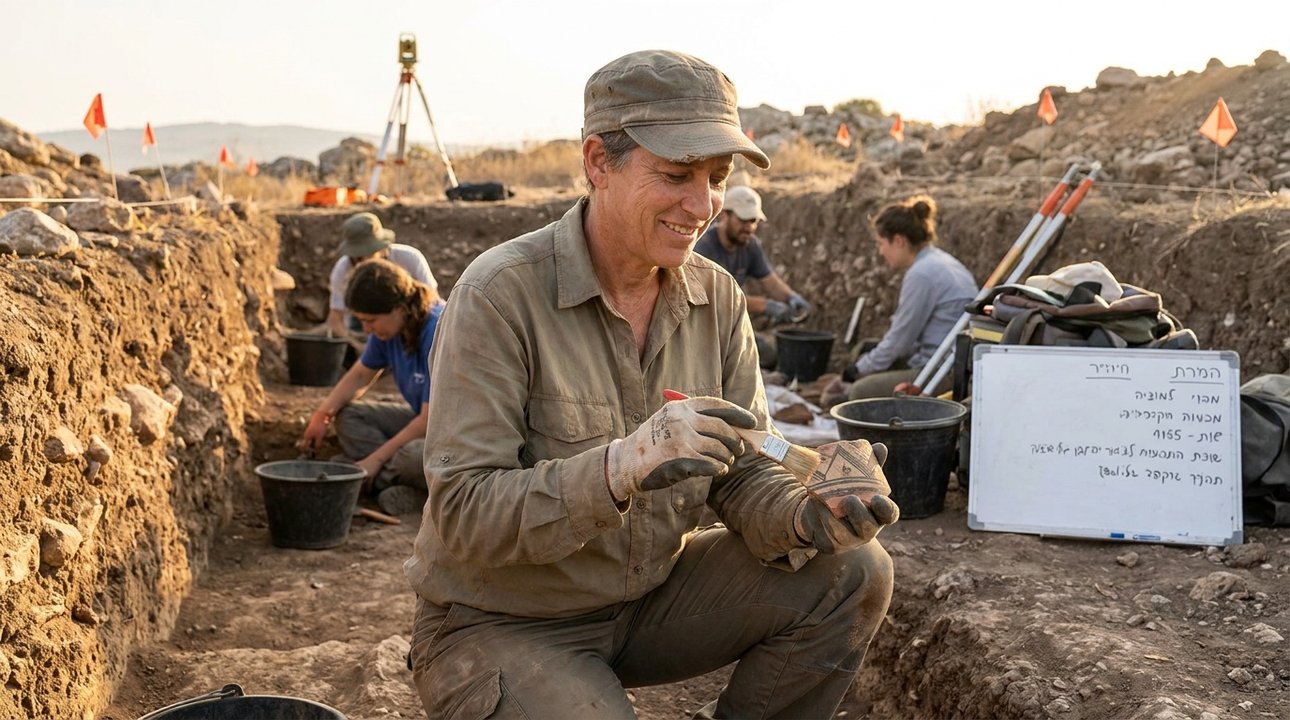
Modern archaeology seeks to identify such locations to illuminate their historical contributions. Azel represents an attempt to bridge narratives with historical geography.
This is similar to efforts made in identifying other sites like Jericho or Megiddo, which provide insights into history.
In doing so, it continues to captivate those engaged in the intersection of history and prophecy, offering a tangible connection to the ancient world. These archaeological endeavors often uncover artifacts that shed light on the daily lives and practices of ancient peoples.
Connection to Lev Haolam
For those exploring history, understanding places like Azel enriches connections to Israel’s story. Supporting Lev Haolam helps sustain local Israeli artisans who contribute to preserving these narratives through their crafts, such as handmade pottery or olive oil. Each purchase plays a part in this ongoing heritage, weaving together the past and present, and allowing individuals to engage with the mix of Israel’s cultural and historical legacy. This connection to the land and its stories is akin to the way festivals connect modern practices with traditions.
Understanding Azel in the Bible
