
Discovering the history of Abel Mizraim


Abel Mizraim holds a special place in historical narratives as a site associated with mourning and remembrance. Located near the Jordan River, it served as a key location for a family during a pivotal moment in their history.
This location is described as the place where a family mourned the passing of their patriarch. This moment marked a significant transition for the family as they reflected on their journey and the legacy of their leader.
In this article, we will explore the significance of Abel Mizraim and its enduring place within historical tradition. The name ‘Abel Mizraim’ itself is intriguing, as ‘Abel’ means ‘meadow’ or ‘mourning’ in Hebrew, and ‘Mizraim’ refers to Egypt, highlighting the connection between the people and their time in Egypt. This duality in the name reflects the blending of cultures and traditions.
This location offers insights into the historical journey of the people. The account emphasizes the importance of this place in the mourning of a patriarch and the cultural exchanges it symbolizes.
from the Western Wall to Masada.

Where Is Abel Mizraim Mentioned in the Bible?
Abel Mizraim is notably mentioned in historical texts. It appears as the place where a family mourned their patriarch’s passing. The mourning rituals held by the family underline the cultural practices of the time. The name ‘Mizraim’ means ‘Egypt’ in Hebrew, linking this location to the Egyptian period of the people.
This connection highlights the family’s ties to Egypt, where a key figure rose to prominence under Pharaoh’s rule. The elaborate mourning procession, which included Egyptian officials, reflects the respect commanded and the cultural integration between the people and Egyptians.
Identified near the Jordan River, this location became synonymous with profound sorrow and family unity. The mourning at Abel Mizraim was not only a personal family event but also a public display of respect, involving both Egyptians and the people. It serves as a sign of the shared history and cultural exchanges that occurred during the people’s time in Egypt, providing a glimpse into the traditions that shaped their identity. The participation of Egyptian dignitaries in the mourning procession underscores the influence held in Egypt, as a key figure rose to power under Pharaoh’s rule.
What Does the Name ‘Abel Mizraim’ Mean?
The name ‘Abel Mizraim’ translates to ‘Meadow of Egypt.’ It highlights the connection between the people and their Egyptian sojourn. This name reflects the presence of Egyptian customs and influences in the burial practices observed by the family.
The term ‘Abel’ denotes a field or meadow, offering a pastoral image often associated with mourning in historical times. The combination of ‘Abel’ and ‘Mizraim’ thus serves as a historical reminder of the complex interactions between the people and Egypt.
How Did Abel Mizraim Gain Its Significance?
Abel Mizraim became significant due to its association with the funeral rites of a patriarch. When his sons carried him from Egypt to another land, they stopped here for seven days of mourning. This custom reflects the deep familial bonds and expressions of grief within the narrative. This location captures a moment where cultural and traditions intersected, showing the ancient practices of burial and mourning. Its geographic position by the Jordan River also positioned it as a transitional place between Egypt and another land.
What Archaeological Evidence Exists?
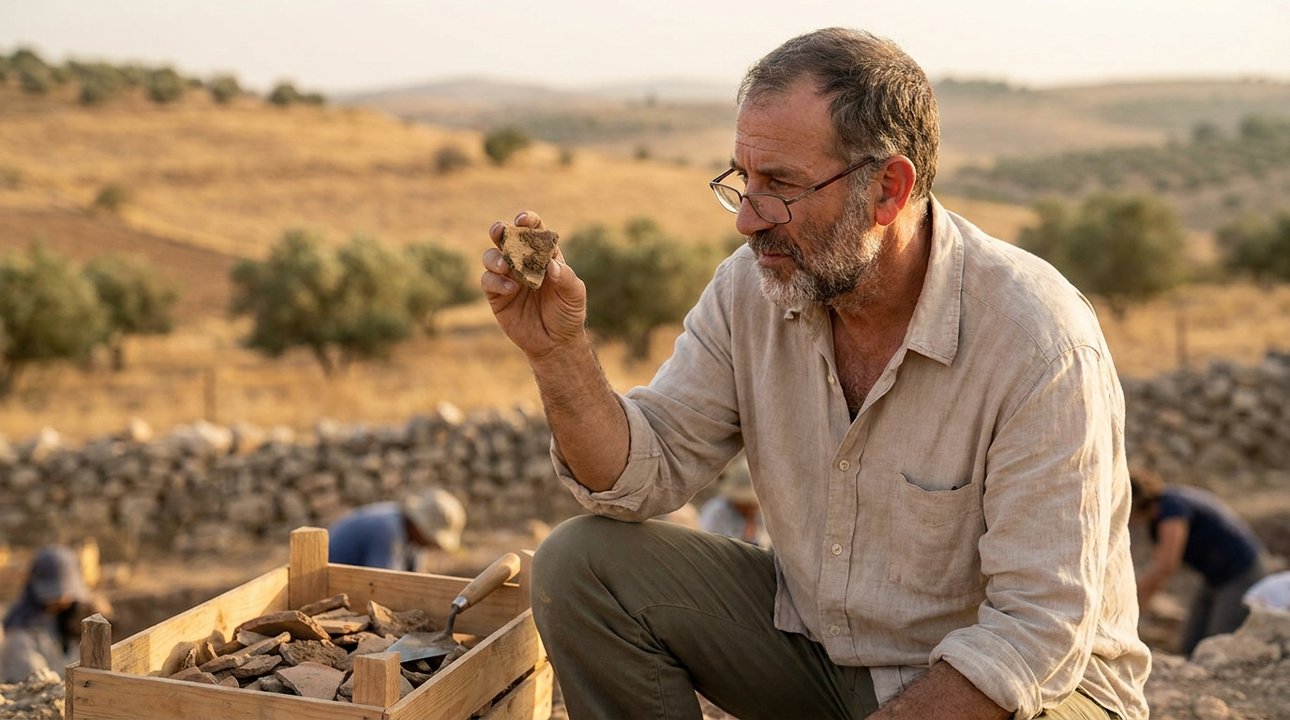
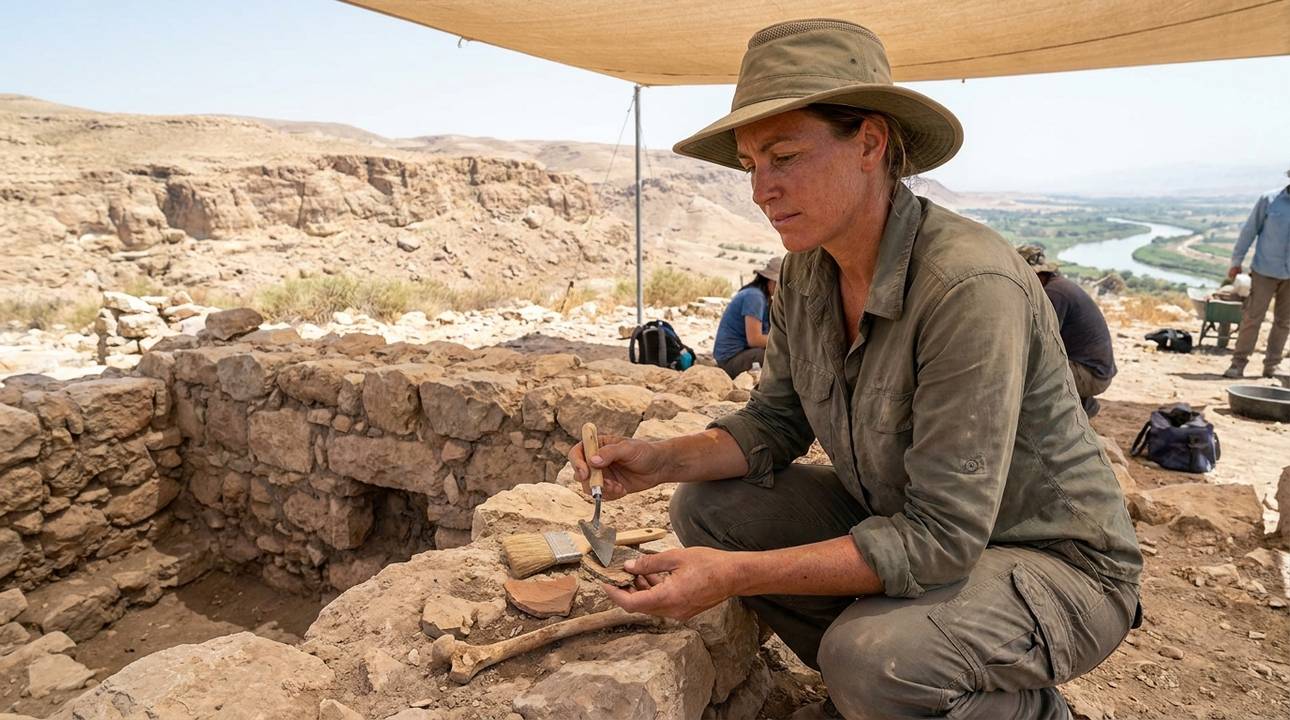
While direct archaeological evidence for Abel Mizraim is limited, its identification near the Jordan supports historical accounts. Scholars have explored the region to understand the burial customs that might relate to the descriptions. While no artifacts specifically labeled ‘Abel Mizraim’ have been found, the practices depicted align with known Egyptian and other regional rituals.
This offers a framework for understanding how such sites were used in the context of mourning and remembrance. The blending of cultural practices at Abel Mizraim reflects the shared heritage and mutual influences between the people and Egyptians.
What Is Abel Mizraim’s Cultural Impact?
Abel Mizraim’s cultural impact lies in its role within the narrative of a family. It symbolizes a blend of traditions, highlighting the interplay between Egyptian customs and the people’s heritage. The elaborate mourning procession for a patriarch reflects Egyptian influence, as large processions were customary in Egypt.
This blend of customs is a reminder of the historical connection between different cultures, evidenced through shared practices of grief and mourning. The participation of Egyptian officials in the procession underscores the respect commanded and the cultural integration that occurred.
It is a reminder of the historical connection between different cultures evidenced through shared practices of grief and mourning. This blend is key to understanding the complex identity of the people during their time in Egypt. The presence of Egyptian officials in the mourning procession highlights the respect and influence held in Egypt.
This procession not only honored a patriarch but also illustrated the cultural exchanges between the two peoples, as Egyptian customs were integrated into the mourning practices of the people.
from the Western Wall to Masada.
How Is Abel Mizraim Understood Today?
Today, Abel Mizraim is recognized as a symbol of the intertwining histories of Egypt and the Israelites. Modern scholars study it to gain insights into ancient cultural interactions and mourning practices. Often linked to the period when the Israelites lived in Egypt, as described in the Torah, some historians suggest its location might be near the modern-day city of Jericho.
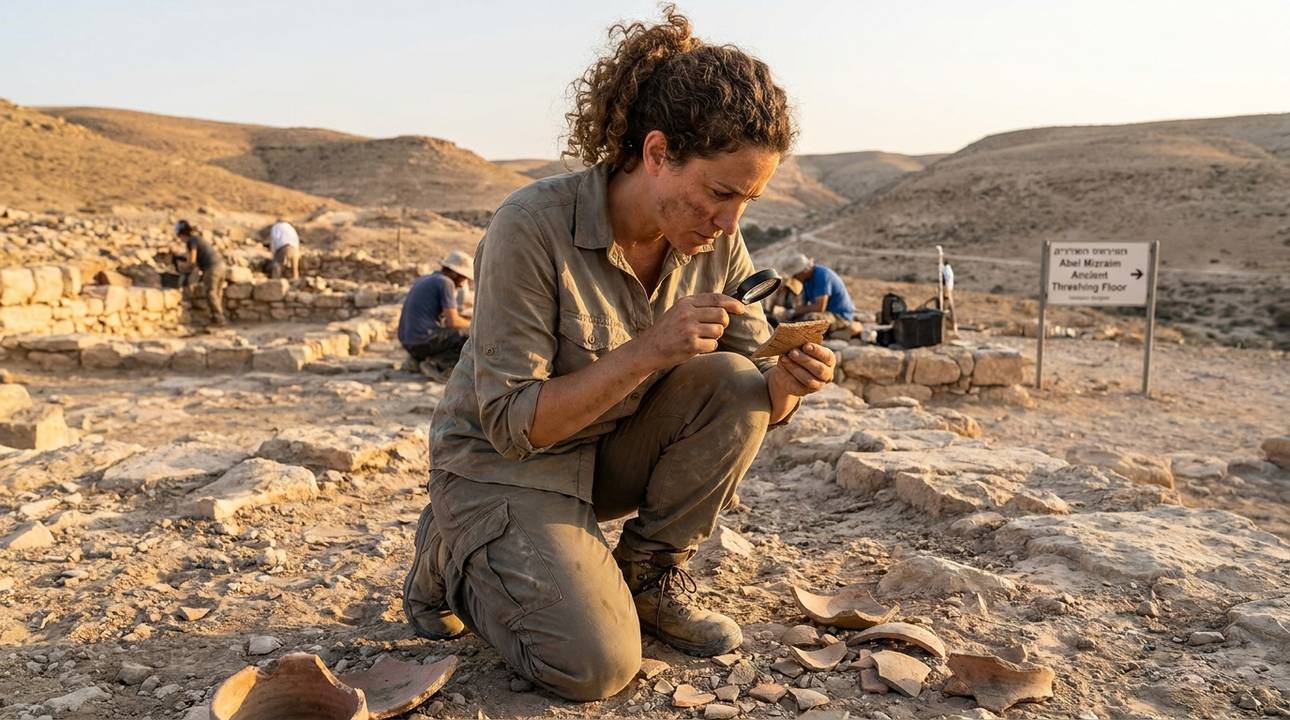
Historians and archaeologists continue to debate its precise location, with some suggesting it may be near the modern-day city of Jericho, while others propose different sites. This ongoing research highlights its importance in understanding the cultural exchanges between the Egyptians and Israelites.
Abel Mizraim continues to intrigue historians as they piece together its significance within the broader historical narrative. Though its precise location remains debated, the themes it represents endure in the study of traditions. Scholars suggest that it could be near the modern-day city of Jericho, as mentioned in some historical accounts.
The rituals and expressions of grief observed at Abel Mizraim provide a window into the shared cultural practices that existed between the people and Egyptians, offering a deeper understanding of their intertwined histories. These practices included elaborate mourning ceremonies, which were common in both cultures and reflected their mutual influence.
What Does Abel Mizraim Teach Us?
Abel Mizraim teaches us about the importance of remembrance and cultural heritage in historical narratives. It provides a deeper understanding of how the people interacted with surrounding cultures and how such interactions influenced their identity. This location is a sign of the legacy of family and tradition, captured in the profound expressions of grief and unity. The mourning rituals at Abel Mizraim reflect a shared human experience, transcending cultural boundaries. These rituals involved both Egyptians and the people, showcasing the blend of customs and the mutual respect between the two peoples.
Studying Abel Mizraim helps modern readers appreciate the historical and cultural depth of these ancient stories. By examining its significance, we uncover the layers of history that contribute to our understanding of the people’s journey. The account provides details of the mourning procession, which included both Egyptians and the people. The blending of Egyptian and the people’s customs at Abel Mizraim highlights the complex interplay of cultures, offering a mix of traditions that continue to resonate in the study of history. This cultural fusion is evident in the mourning practices, which combined elements from both traditions, reflecting their shared experiences.
How Can We Connect with Abel Mizraim Today?
Today, connecting with Abel Mizraim involves exploring its historical context and its representation in stories. Engaging with such locations fosters a deeper appreciation for the complex cultural narratives they symbolize. For those interested in history, it offers a lens into the rituals and traditions that shaped ancient lives.
This location invites reflection on how mourning practices have evolved and what they reveal about the values and beliefs of ancient societies. The account highlights the significance of these practices and their role in the cultural exchanges between the people and Egyptians.
Through learning and reflection, the legacy of places like Abel Mizraim continues to enrich modern understanding of shared heritage. By studying the customs and interactions at this location, we gain insights into the cultural dynamics between the people and Egyptians. The account illustrates how the Canaanites named the place Abel Mizraim after witnessing the mourning.
This understanding helps us appreciate the historical depth and significance of narratives, fostering a connection to the ancient world and its enduring influence on contemporary culture. It serves as a reminder of the profound impact that cultural exchanges had on shaping identities and traditions.
Historical Context and Importance
