
Discovering the Gozan River in Historical Times


The Gozan River is mentioned as a place of exile for the people of Israel. It is noted that the Israelites were taken captive by the Assyrians and settled by this river, marking a significant moment in their history.
Understanding its location helps us grasp its significance in history, as it was a site of forced migration and cultural change.
During this period, the Assyrian Empire was expanding its reach, and the relocation of the Israelites was part of a broader strategy to control and assimilate different groups.
This article explores the historical context, references, and the modern understanding of Gozan’s geography, shedding light on its role in the narrative of exile.
Thus, the river is not just a geographical feature but a symbol of the trials and endurance of the Israelite people during one of the most challenging periods in their history.
from the Western Wall to Masada.

What Is the Gozan River?
The Gozan River is a historical name found in texts. It appears in the context of the Assyrian exile, a period marked by the expansion of the Assyrian Empire under rulers like Tiglath-Pileser III and Sargon II.
The Israelites were settled by this river, highlighting its significance as an exile setting. This event occurred around 722 BCE, when the Northern Kingdom of Israel fell to Assyria.
Known for its military might and administrative efficiency, the Assyrian Empire used such locations for resettlement to prevent rebellion and assimilate conquered peoples.
This location played a vital role during the period of Assyrian expansion, serving as a site for the relocation of conquered peoples. By dispersing the Israelites, the Assyrians aimed to weaken their national identity and integrate them into the empire’s vast territories.
This strategy of forced migration was common in Assyrian policy, as seen in other historical records.
Where Is the Gozan River Located?
Historically, the Gozan River is believed to be part of the region near modern-day Turkey and Syria. This area was once under the control of the ancient Assyrian Empire, a powerful civilization known for its military prowess and extensive territory.
Identifying the exact location involves historical and geographical analysis of ancient maps and texts, such as those from the Assyrian period, which provide clues about its course and significance.
Scholars consider it to have been part of the ancient Assyrian Empire, which thrived between the 25th century BCE and 609 BCE.
At its height, the Assyrian Empire stretched from the Persian Gulf to the Mediterranean Sea, encompassing a vast and diverse region. The Gozan River, as part of this empire, would have been strategically important for trade and military movements, serving as a natural boundary and a resource for the surrounding settlements.
The Gozan River in Historical Narratives
In the historical account, the Gozan River represents a place of exile and loss. The Assyrian king relocated Israelites to areas including Gozan, as described in historical books.
This highlights the river’s role as a backdrop to significant historical events, illustrating the forced migrations that reshaped the demographics of the region. These movements were part of the Assyrian strategy to control and assimilate conquered peoples.
The river’s mention in these texts underscores its importance as a symbol of displacement and endurance, reflecting the enduring spirit of the exiled communities.
The Assyrian policy of deportation was designed to break the power of conquered nations by dispersing their populations, as seen in other historical contexts.
This method of control is documented in various Assyrian records, including the annals of Sargon II, who boasted of his conquests and the relocation of peoples to maintain order in his empire.
Archaeological Findings Related to Gozan
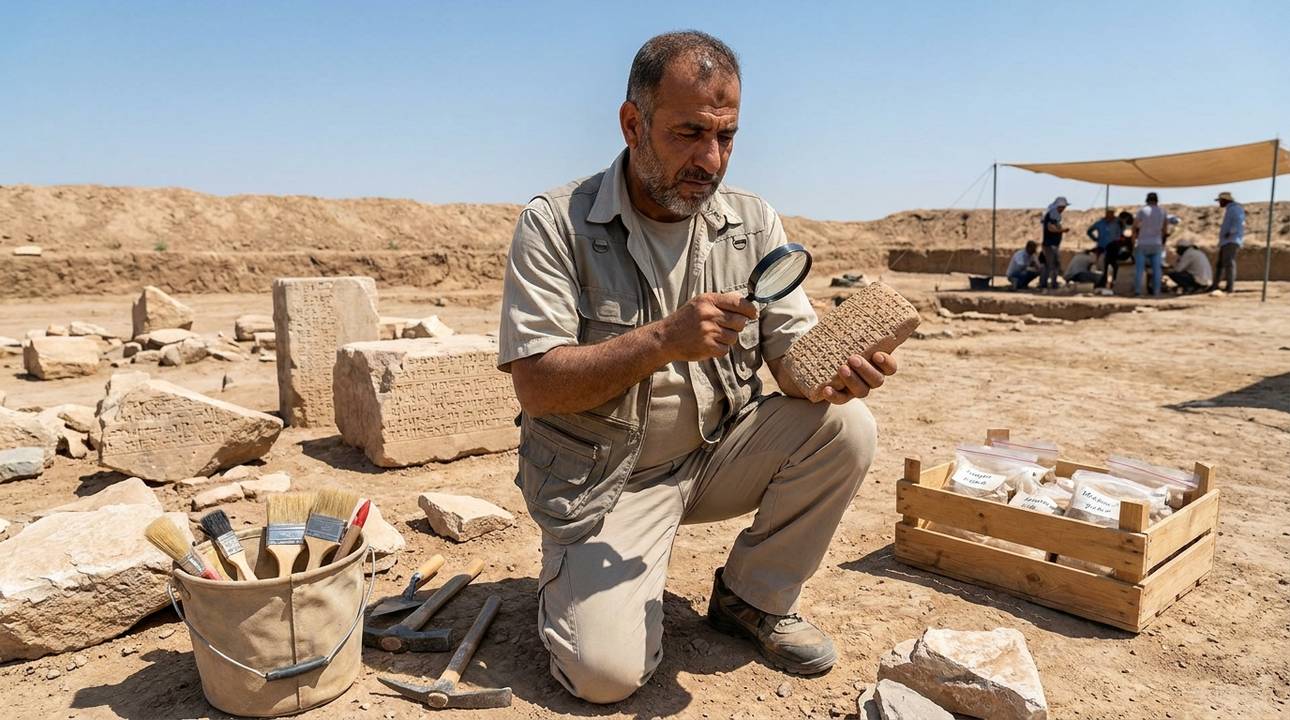
Archaeological efforts have explored the regions around what might have been Gozan. Excavations in areas like Tell Halaf and Tell Fekheriye have uncovered artifacts linked to the Assyrian Empire. While direct evidence is scarce, pottery and ruins from the Assyrian era have been uncovered nearby.
These artifacts, dated to the 8th century BCE, offer clues to the lifestyles and practices of the people who lived there, including their trade, agriculture, and daily routines.
These findings help piece together the historical puzzle of this enigmatic region, providing tangible links to the stories found in ancient texts.
The Gozan River in Modern Research
Modern researchers use both historical texts and archaeological data to pinpoint the Gozan River. By examining ancient Assyrian records and comparing them with current geographical knowledge, scholars aim to identify the river’s location.
The integration of historical texts with current geographical knowledge aids in this ongoing scholarly endeavor, providing a more comprehensive understanding of the region’s past.
Efforts continue to better understand the influence of Gozan in ancient narratives, as it played a crucial role in the lives of those exiled from Israel.
from the Western Wall to Masada.
The use of advanced technologies, such as satellite imagery and geographic information systems (GIS), allows researchers to overlay ancient maps with modern topography, offering new insights into the river’s possible course. This multidisciplinary approach combines history, archaeology, and technology to unravel the mysteries of the Gozan River’s exact location and its history.

Cultural Role of the Gozan River
Beyond its geographical role, the Gozan River holds cultural and symbolic weight. It serves as a reminder of the Assyrian exile and the historical struggles of the region. This river symbolizes a part of the shared history and endurance of the Jewish people, reminding us of their ability to endure and adapt through adversity. The exile to Gozan was a pivotal moment that tested their community bonds. The river’s mention in historical texts highlights its significance in the narrative of displacement and survival, echoing the themes of perseverance and cultural continuity.
The shared history of the exile to the Gozan River is preserved in tradition, serving as a sign of the adaptability of the Israelite people. This historical experience is reflected in various cultural practices that emphasize the importance of community in overcoming adversity. The river, thus, becomes more than a geographical feature; it is a symbol of the enduring spirit of a people who have faced and overcome numerous challenges throughout history.
Mapping the Gozan River in Historical Context
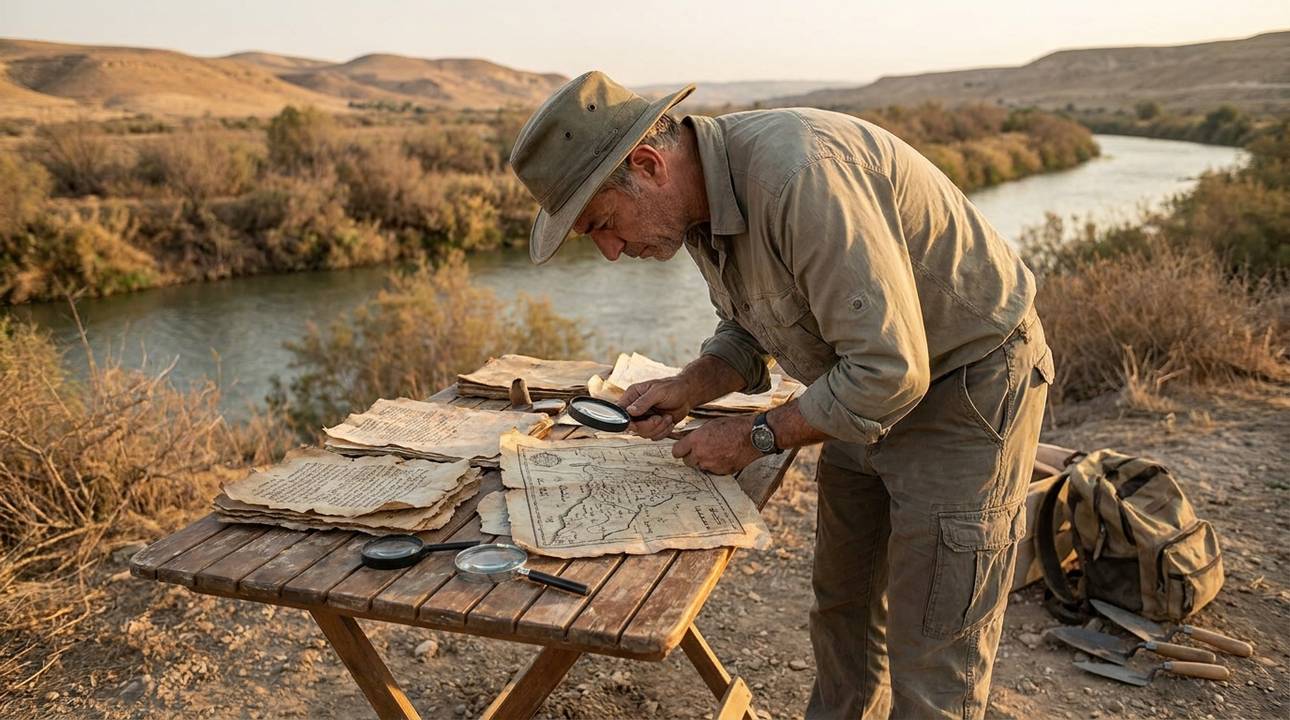
Using ancient maps, researchers attempt to trace the route and extent of the Gozan River. These efforts reveal insights into the river’s historical connections and its role during the era.
By studying maps and texts, scholars aim to understand the river’s significance in events like the Assyrian exile. This significant event involved the relocation of Israelites, with the Gozan River serving as a key geographical marker in this narrative.
Such mapping projects continue to shed light on this significant location, offering a deeper understanding of its place in history and its impact on the people of the time.
Gozan River in Comparative Historical Studies
Historians compare the Gozan River with other significant waterways, such as the Jordan River and the Euphrates, to understand their roles in ancient texts. This comparative study helps contextualize its prominence relative to other regions.
The river’s enduring reference underscores its importance in history, particularly in the context of the Assyrian exile.
The Jordan River, known for its role in historical events, and the Euphrates, a boundary of the land, serve as benchmarks in this analysis.
These comparisons enrich our understanding of the geographical and cultural landscape of the time. By examining these rivers, historians can better appreciate the strategic and cultural role of the Gozan River, which, like the others, was important in shaping the narratives of ancient peoples and their movements across the region.
Conclusion: the Enduring Mystery of the Gozan River
The Gozan River remains a key focus for those exploring historical places. Its mention as a site of exile underscores its history. Its historical and cultural value continue to engage scholars, sparking ongoing research. Archaeologists and historians alike delve into texts where the river is mentioned in the context of the Assyrian exile, a pivotal event in Jewish history. Understanding this river deepens our appreciation of ancient narratives and offers a glimpse into the lives of those who lived during tumultuous times, marked by displacement and adaptation.
Understanding the Gozan River
