
Exploring the Book of Numbers Through Maps


Numbers is a vital part of the Torah, detailing the journey of the Israelites from Mount Sinai to their destination. Through maps, we gain insights into the diverse landscapes and significant events that shape this narrative.
These maps provide a visual aid to comprehend the Israelites’ wandering paths, each stop imbued with historical and cultural meaning. Join us in exploring these journeys that marked a pivotal period in Jewish history.
What Is the Book of Numbers?
Numbers, the fourth book of the Bible, continues the story of the Israelites’ journey to their destination. Known in Hebrew as ‘Bemidbar,’ it translates to ‘In the Desert,’ highlighting its setting in the wilderness.
The narrative is rich with details about encampments, tribal organization, and preparation for entry into their new land.
from the Western Wall to Masada.

Numbers combines historical accounts with law, listing censuses, guiding principles, and the roles of tribal leaders. The first census counted men eligible for military service.
The title reflects its content as it records two population counts of the Israelites during their journey. These censuses were crucial for organizing the community.
Understanding the geographical context helps illuminate these ancient narratives, as seen in their travels from Sinai to Moab.
The second census was conducted as the Israelites prepared to enter their new land.
These records not only served administrative purposes but also reinforced tribal identities and responsibilities.
Examining these elements provides insight into the complex social and political structure of the Israelites.
Major Places Mentioned in Numbers
Numbers mentions a variety of locations critical to the Israelite journey. Starting from Sinai, the narrative spans various terrains. Mount Sinai remains a foundational location where laws were given. From there, their journey leads through the wilderness of Paran.
The desert terrain became their home, marked by significant events shaping their destiny.
Other prominent places include Kadesh-Barnea, a pivotal site for Israelite activity. The Israelites’ failure there resulted in prolonged wandering. The crossing at the Jordan River marks a significant transition, highlighting their journey’s ultimate purpose.
Each place mentioned has a historical and cultural footprint, giving depth to the story.
Significance of Maps in Understanding Numbers
Maps are indispensable in visualizing the distances and terrains covered by the Israelites. They offer a tangible sense of scale and challenge. Such tools illustrate the vastness of the wilderness journey and the progression from enslavement to freedom.
Studying these maps allows one to better appreciate the logistical and spiritual aspects of this epic narrative.
Maps also highlight the tribal divisions and encampments, reflecting the organized nature of Israelite society. Each tribe had a designated area around the Tabernacle.
The layout of encampments around the Tabernacle exemplifies the centrality of community in their lives. This arrangement emphasized the focus of the community.
Understanding these elements enriches the cultural and historical context of the account, offering a window into their daily lives and priorities.
The strategic positioning of tribes also ensured efficient communication and defense, vital for their survival in the wilderness.
This organization reflects a deep understanding of logistics and community dynamics, crucial for their journey.
By studying these maps, we gain a clearer picture of how the Israelites maintained order and unity during their travels.
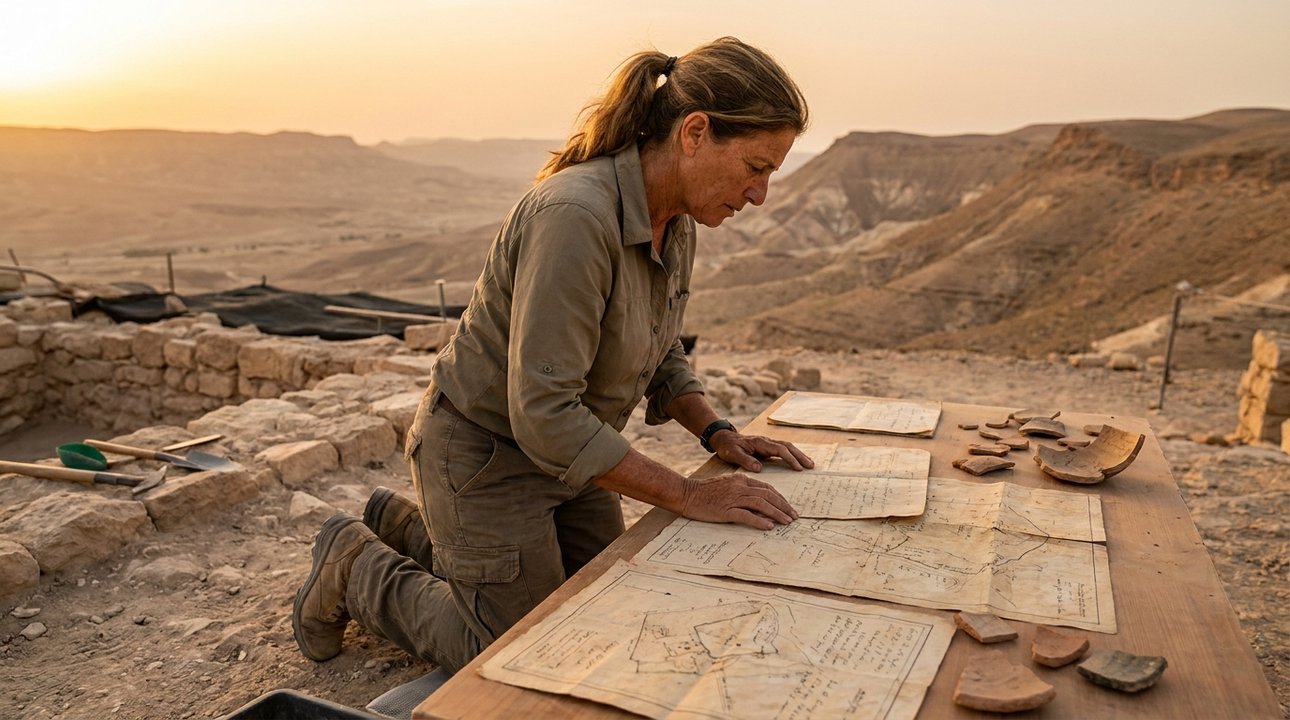
Key Events in the Wilderness
Several key events in Numbers are marked by specific locations. The rebellion of Korah takes place in the wilderness, highlighting internal challenges. At Kadesh-Barnea, the sending of the spies represents a critical moment of decision and disobedience.
The defeat of the king of Arad and victories over Sihon and Og are turning points for the Israelites.
These stories illustrate the dynamic between guidance and human response. For instance, the rebellion of Korah highlights the tension between authority and dissent.
Plagues, disputes, and the constant quest for survival reveal the complexity of the journey. The plague that struck after the Israelites’ complaints about food shows the challenges faced.
Numbers offers profound lessons through these narratives tied to real locales like the wilderness of Paran.
The journey from Egypt is marked by significant events, such as the sending of the twelve spies from Kadesh-Barnea.
These narratives are not just historical accounts but also moral teachings, reflecting the Israelites’ struggles and growth.
Numbers, through its stories, provides insights into the human condition and the enduring need for guidance and growth.
The Cultural Context of Numbers
Numbers reflects cultural aspects of Israelite life, displaying tribal organization and societal norms. The census shows the importance of family lineage and tribal identity.
Their reliance on commands underscores a collective identity through law. The laws given at Mount Sinai illustrate this dependence.
Exploring these aspects reveals how geography influenced their community structure, as seen in their encampments around the Tabernacle.
The division of land among the tribes further highlights the significance of geography in shaping their society. These divisions were not just practical but also reflected each tribe’s unique role and responsibilities. Studying these elements allows us to better appreciate the intricate social fabric of the Israelites and its legacy.
from the Western Wall to Masada.
The concept of sanctuary through Cities of Refuge reflects both justice and mercy in their legal system. These cities served as places of asylum for accidental killers.
Understanding these cities’ roles accentuates the social order and ethical standards of the time. They provided a balance between justice and protection.
The interplay between law, geography, and culture forms a fascinating study in narratives, highlighting the importance of community and compassion.
These cities were strategically located throughout the land, ensuring accessibility for all Israelites.
This system of refuge underscores the value placed on human life and the need for fair legal processes.
Exploring these cities provides insight into the moral and social priorities of the Israelites, which continue to resonate today.
Archaeological Insights Related to Numbers
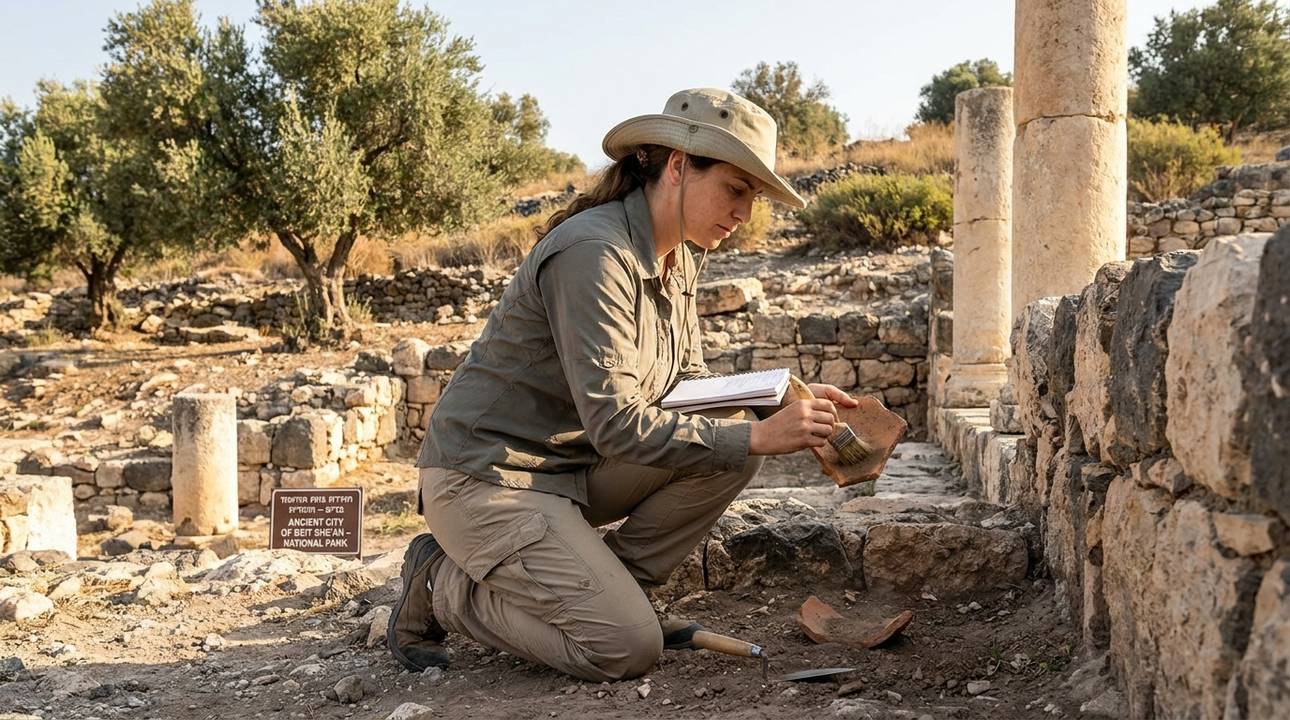
Archaeology has uncovered evidence supporting narratives in Numbers, such as ancient encampment sites. The remains of tent rings found in the Sinai Peninsula suggest temporary settlements.
Excavations at places like Kadesh-Barnea provide tangible links to the events. This site is mentioned as a key location during the Israelites’ wanderings.
These discoveries enhance our understanding of how these stories connect with real historical settings, offering a glimpse into the past.
The discovery of ancient altars and religious artifacts further supports the accounts of worship practices.
Such findings offer a deeper understanding of the spiritual life of the Israelites and their relationship with the divine.
Through archaeology, we can piece together the historical puzzle of the Israelites’ journey, enriching our appreciation of the narrative.
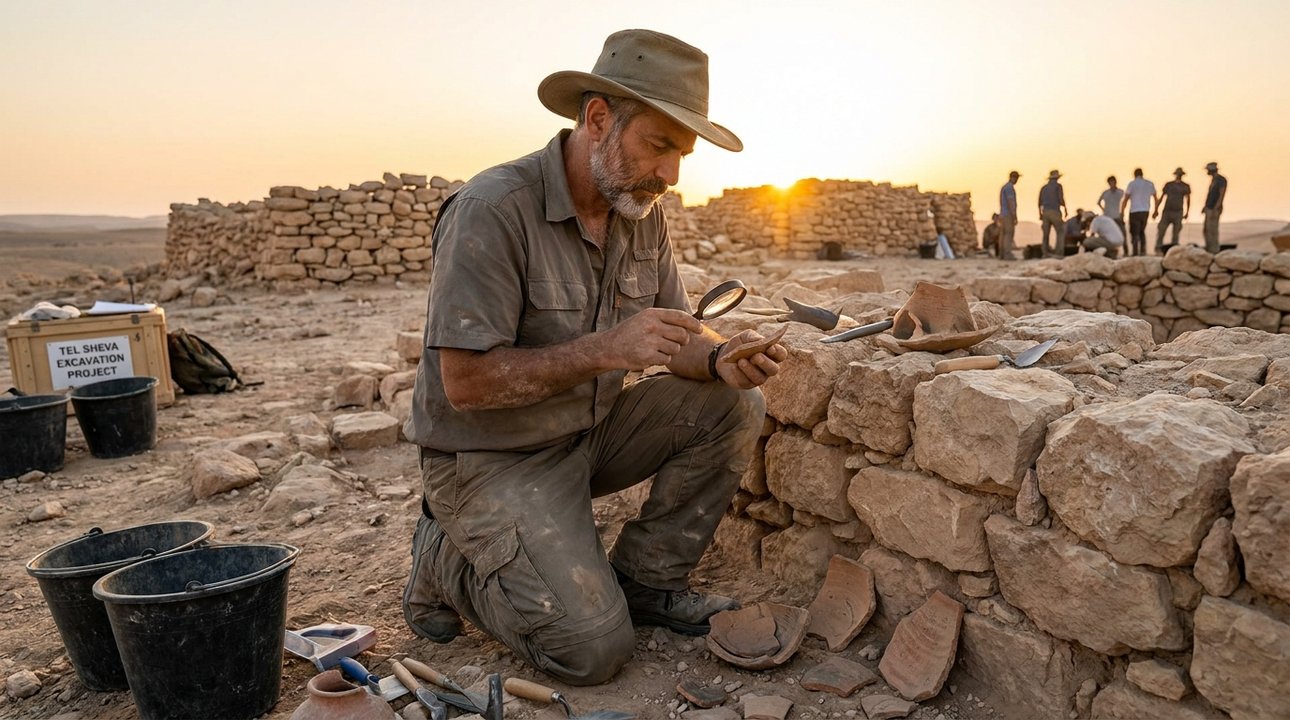
Artifacts and inscriptions help validate the cultural practices described in the text. For example, the discovery of ancient pottery in the Negev aligns with descriptions of Israelite encampments.
The consistency of findings with descriptions lends credibility to the historical accounts. Inscriptions like the Mesha Stele reference events similar to those in Numbers.
Uncovering these connections bridges the ancient world with present-day exploration, offering a tangible link to the past.
Archaeological discoveries, such as the remains of fortified cities, corroborate the narrative of conquest and settlement.
These findings not only validate the historical context of Numbers but also enrich our understanding of Israelite culture.
By connecting the dots between historical texts and archaeology, we gain a fuller picture of the life and times of the Israelites.
Numbers in the Present Day
Today, the accounts in Numbers are still remembered and taught, providing context for historical studies and cultural traditions. The detailed descriptions of the Israelites’ journey offer insights into ancient life. Maps based on the text are used for educational purposes, bringing these stories to life. They help visualize the path taken by the Israelites. These narratives are a window into ancient journeys, resonating with contemporary cultural quests, fostering a deeper connection to our heritage.
The use of maps in teaching these stories allows for a more engaging exploration of the text.
By tracing the Israelites’ route, we gain a better understanding of the challenges and triumphs they experienced.
These educational tools bridge the gap between past and present, making the ancient world more accessible to modern readers.
Understanding the geographical and historical elements deepens appreciation for the themes of endurance and trust. The Israelites’ journey through the wilderness tested their endurance and trust.
Such insights offer guidance and reflection on current experiences among scholars alike. The lessons of perseverance and hope remain relevant today.
The legacy of Numbers remains vibrant, connecting past and present in meaningful ways, reminding us of the enduring power of community.
The challenges faced by the Israelites, such as the scarcity of resources, mirror those encountered in modern life.
Studying these narratives allows us to draw parallels to our own journeys and find inspiration in their stories.
Numbers continues to offer valuable lessons, encouraging us to remain steadfast in our beliefs and actions.
Understanding the Book of Numbers
