
Understanding the Valley of Eshcol


The Valley of Eshcol is mentioned in the Book of Numbers as a significant location where scouts explored the land. They returned with a cluster of grapes so large it had to be carried on a pole between two men. This account highlights the fertility of the land, providing insights into its promise.
Eshcol stands as a testament to the land’s potential. The scouts described the land as flowing with milk and honey, emphasizing its richness. This serves as a reminder of the land’s role in the Israelites’ journey. Eshcol is remembered for its abundant produce, symbolizing the land’s potential.
from the Western Wall to Masada.
What Is the Valley of Eshcol?
Located near Hebron, the Valley of Eshcol is associated with events in the Book of Numbers. This is where the scouts carried grapes as evidence of the land’s fertility. ‘Eshcol’ means ‘cluster’ in Hebrew, reflecting the produce. Understanding its location helps contextualize the exploration events, showing the geographical backdrop of these stories.
The proximity of Eshcol to Hebron, a city with deep historical roots, enriches its significance. Hebron is mentioned as a burial place of historical figures, adding layers of historical meaning to the region. This connection between Eshcol and Hebron underscores intertwined narratives, providing a richer understanding of the land’s role in the Israelites’ journey.
Hebron’s history is highlighted in historical texts, where significant events took place. This adds another layer to the region’s storied past. The relationship between Eshcol and Hebron illustrates connections between the land’s geography and its narratives. These connections enhance appreciation of the land’s role in the Israelites’ journey.
Historical Context of Eshcol
In historical accounts, the Valley of Eshcol symbolized the land’s richness. The account of the scouts underscores the challenges faced by the Israelites when they saw the land’s bounty but feared its inhabitants. Eshcol is seen as a sign of the land’s potential, highlighting its goodness, aligning with assurances given to the Israelites.
Eshcol’s narrative is a reminder of the importance of faith and trust. The Israelites’ hesitation to enter the land reflects challenges of embracing promises. This account resonates with themes of courage and belief, serving as an example of the spiritual journey. Eshcol is remembered for its abundant produce, symbolizing the land’s potential.
The story is mirrored in the accounts of Caleb and Joshua, who, unlike the other scouts, encouraged the Israelites to trust and enter the land. Caleb and Joshua stood firm in their beliefs. Their optimism and courage are highlighted again, where Caleb recalls his unwavering belief in the promise, reinforcing Eshcol’s significance as a symbol of hope and potential.
Caleb and his actions are a sign of the power of conviction. Their leadership inspired the Israelites and left a legacy of courage. These two are commended for their faithfulness, setting them apart as leaders who trusted in guidance. This example is remembered by those who seek to overcome challenges with determination.
References to Eshcol
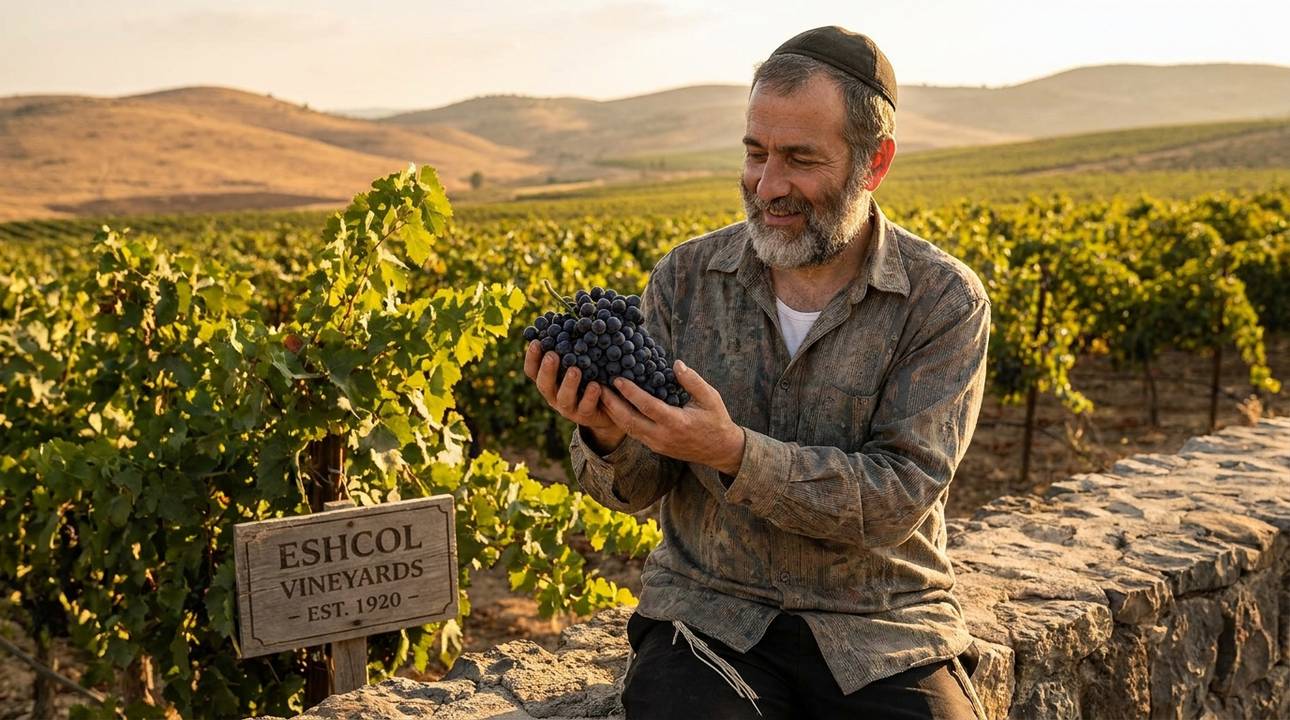
Eshcol is mentioned in historical texts, where the scouts gather grapes from the valley. This event describes how they cut down a branch with a single cluster of grapes, so large that it had to be carried on a pole between two men. This episode highlights the abundance of the land and the importance of trust in plans. The significance of this event is emphasized in historical accounts, where the scouts report on the land’s fertility.
Eshcol is a reminder of the land’s potential. The scouts’ report describes the land as flowing with milk and honey, emphasizing its richness. This account serves as a sign of the land’s significance in the Israelites’ journey. Eshcol is remembered for its abundant produce, symbolizing the land’s potential.
Scholars refer to this as pivotal in understanding Israel’s subsequent journey. The faith of the Israelites was tested as they faced the challenges of entering the land, a theme echoed where scouts were again sent to scout the land. This account underscores the recurring theme of faith and obedience in the Israelites’ journey, reflecting their reliance on guidance in their quest for the land promised to them.
The account of the scouts highlights the importance of trust and faith. Rahab’s assistance to the scouts demonstrates the unexpected ways in which plans unfold. This episode reinforces the theme of faith in the face of uncertainty, a message that resonates throughout the narrative. The Israelites’ journey is marked by moments of doubt and trust, reflecting the complexities of their relationship with guidance.
Significance of Grapes in the Bible
Grapes have extensive symbolism, often representing prosperity and abundance. Grapes are associated with abundance and joy, as prosperity is given with imagery of vines and wine. In the context of Eshcol, they underscore the land’s promise to the Israelites. Grapes from this valley are remembered for their abundant produce, symbolizing the land’s potential.
The symbolism of grapes is emphasized in historical texts, where the land is described as a place of wheat, barley, vines, and figs. This reinforces the idea of the land’s richness. In Jewish tradition, grapes and wine are integral to rituals, further highlighting their significance. These symbols serve as reminders of the land’s promise and the abundance associated with it.
The symbolism of grapes extends beyond the narrative, influencing cultural and traditions throughout history. In Jewish tradition, grapes and wine are integral to rituals such as Kiddush, a recitation over wine during Shabbat and festivals. This connection between grapes and abundance reinforces the themes of promise associated with Eshcol, highlighting the importance of these symbols in Jewish culture.
In addition to Kiddush, grapes play a role in Jewish rituals, where wine is consumed, symbolizing freedom and redemption. This tradition underscores the deep connection between grapes and Jewish history. The use of grapes in these rituals highlights their importance as symbols of prosperity and favor. These traditions keep Eshcol’s legacy alive, reminding us of the land’s promise and potential.
Archaeological Insights into Eshcol
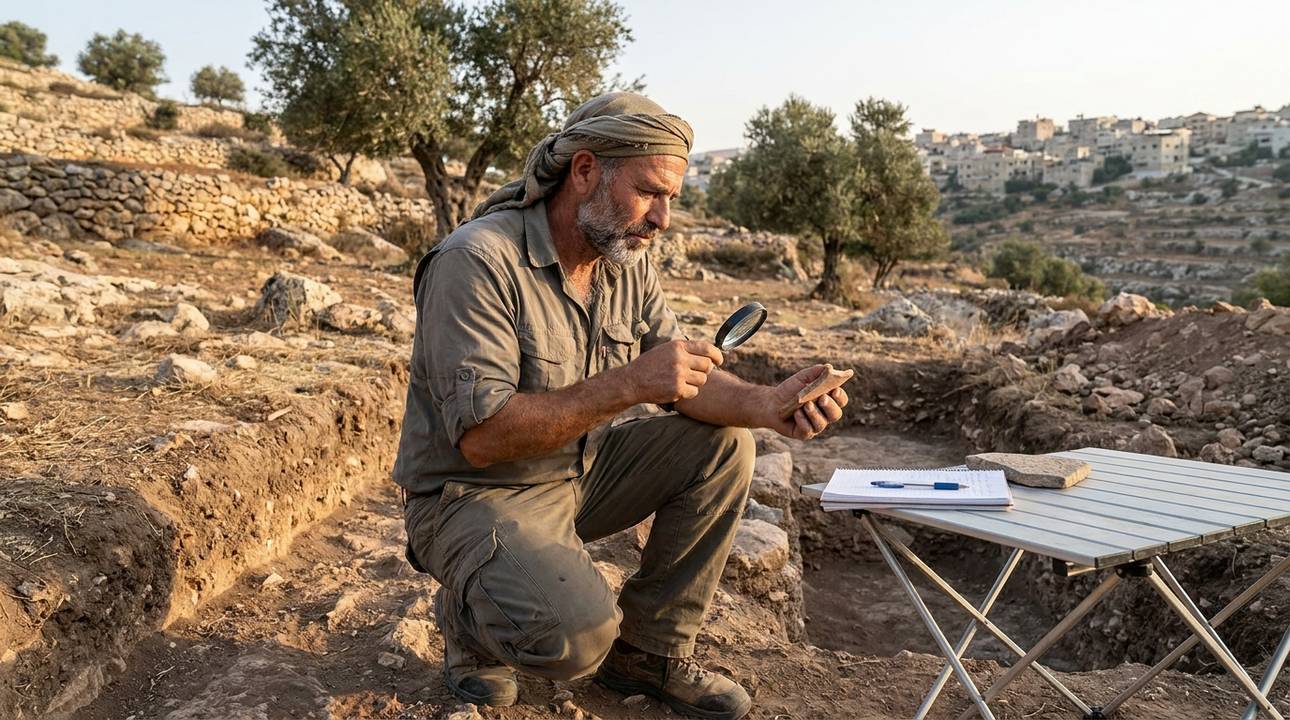
Archaeological studies in the Hebron area provide clues about historical agriculture. Artifacts such as ancient winepresses and terraced fields suggest extensive cultivation, which aligns with depictions of Eshcol as a fertile region. Understanding these findings helps illuminate the historical backdrop of Eshcol, offering a glimpse into the agricultural practices of the past. These discoveries provide tangible evidence of the land’s productivity.
from the Western Wall to Masada.
Further archaeological evidence includes pottery fragments and tools that indicate a thriving community engaged in agriculture. These artifacts support the narrative of Eshcol’s fertility. The presence of such evidence enriches our understanding of the daily lives of the ancient inhabitants, highlighting their connection to the land. These discoveries offer a tangible link to the past, providing insights into the historical context of Eshcol.
The presence of such archaeological evidence not only supports historical accounts but also enriches our understanding of the daily lives of the ancient inhabitants of the region. Excavations have uncovered artifacts like pottery and tools that point to a thriving community. These findings reveal the sophisticated agricultural techniques employed, such as terracing and irrigation. This highlights their connection to the land and its resources, as well as their reliance on its fertility for sustenance and prosperity.
Further archaeological discoveries include ancient winepresses, which suggest that viticulture was a significant part of life in the region. These winepresses align with descriptions of Eshcol’s fertility. Such evidence provides a tangible link to the past, showing the agricultural practices that supported the inhabitants. These discoveries help us appreciate the historical context of Eshcol.
Eshcol in Modern Israeli Culture
Today, Eshcol still symbolizes fertility and success within Israel, echoing the narrative. Cultural references in literature and art keep the narrative alive, such as paintings depicting the scouts with the enormous grape cluster. Its legacy continues to influence modern interpretations of history, illustrating the enduring connection between the land and its people. These cultural expressions serve as reminders of the land’s enduring importance.
The symbolism of Eshcol extends beyond its historical roots, inspiring contemporary reflections on themes of abundance and promise. This is evident in various artistic and literary works that draw on Eshcol’s imagery to convey messages of hope and potential. For instance, in modern Israeli poetry, the valley is often used as a metaphor for the land’s promise and potential. Such representations not only preserve the historical narrative but also offer new perspectives on the legacy of the land.
In literature, Eshcol’s imagery serves as a symbol of renewal and hope. Authors use the valley’s fertile imagery to explore themes of growth and potential. Through these artistic expressions, Eshcol’s legacy continues to resonate, reminding us of the land’s historical and cultural significance. These works keep Eshcol’s story alive, offering fresh interpretations of its enduring message.
Mapping the Valley of Eshcol
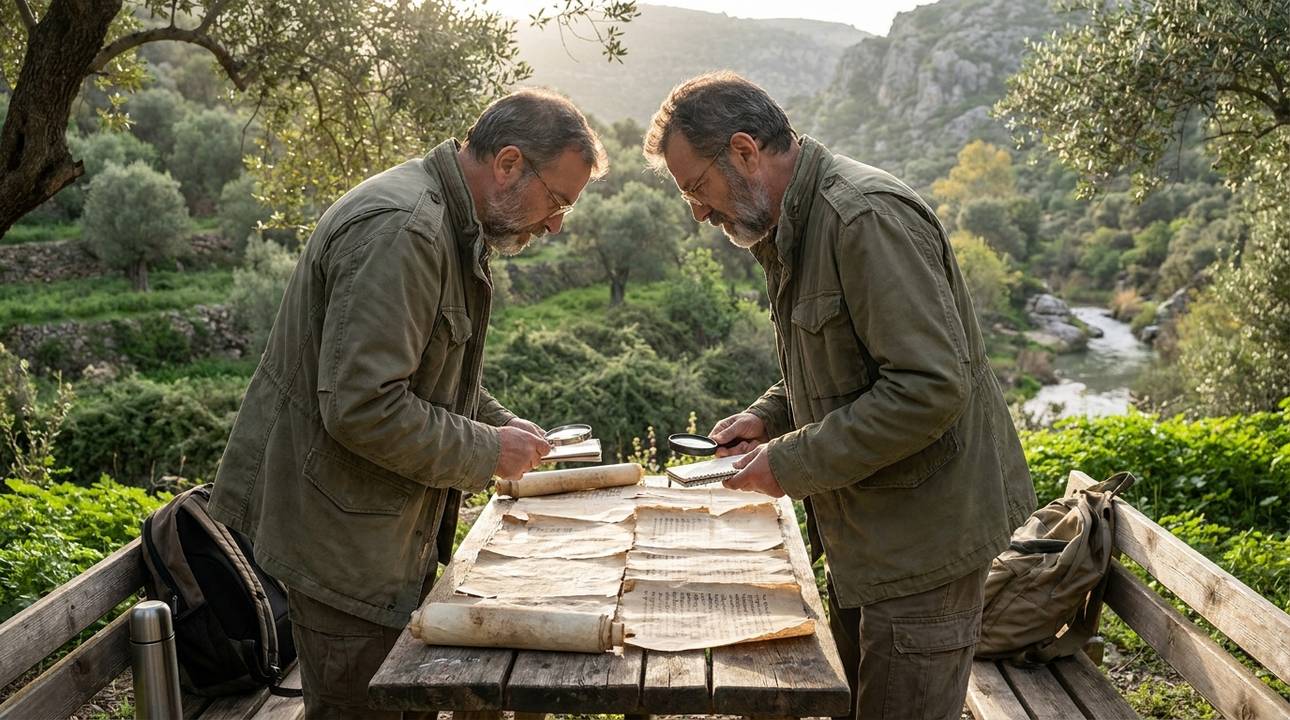
Mapping Eshcol involves understanding both historical and current geography. Using historical texts and modern tools such as satellite imagery, scholars work to pinpoint locations that match descriptions. Maps provide a visual understanding of this pivotal site, helping us appreciate its historical and cultural role. The combination of ancient texts and modern technology offers a comprehensive view of Eshcol’s place in history.
The process of mapping Eshcol is a collaborative effort between historians, archaeologists, and geographers. By analyzing terrain features and historical records, researchers aim to reconstruct the landscape of the past. This interdisciplinary approach enriches our understanding of Eshcol’s role in the narrative, offering new insights into the experiences of the Israelites. The integration of technology and scholarship brings the stories to life in new and meaningful ways.
This approach not only aids in locating Eshcol but also enhances our appreciation of the region’s role in the narrative. By comparing ancient descriptions with current geographical data, researchers can better understand the landscape that shaped the experiences of the Israelites. This ongoing exploration continues to reveal insights into the historical context, enriching our connection to these timeless stories. The use of technology, such as GIS mapping, provides new perspectives on these sites.
The integration of modern technology with scholarship allows for a more comprehensive understanding of Eshcol’s geography. Satellite imagery and digital mapping tools offer precise details that were previously unavailable. These advancements help scholars identify possible locations for Eshcol, deepening our understanding of the landscape. This fusion of ancient texts and modern technology brings the stories to life in new and exciting ways.
Conclusion: Why Eshcol Matters
The Valley of Eshcol remains a significant part of narratives. Its references underscore themes of abundance and promise, as seen when the scouts returned with bountiful fruit. By exploring Eshcol, we connect with stories that continue to resonate, reminding us of the richness and potential of the land. This connection is further enriched by archaeological findings that align with descriptions, offering tangible links to these narratives.
The legacy of Eshcol is vividly captured in cultural expressions, such as the depiction of the scouts carrying grapes in art and literature. This imagery symbolizes the land’s fertility and the promises associated with it. The scouts’ return with a massive cluster of grapes serves as a powerful visual of abundance. These artistic representations bridge past and present, showing how narratives are still remembered and inform our understanding of the land’s enduring importance.
In literature, Eshcol often appears in works that explore themes of exploration and faith. By depicting the scouts’ journey, these works highlight the enduring relevance of the account. Eshcol serves as a reminder of the land’s promise and potential, inspiring contemporary reflections on abundance and hope. Through these cultural expressions, Eshcol remains a part of our shared heritage.
Context and Significance