Warm and Nutty Tahini Bread Delight
5 March 09:34
291
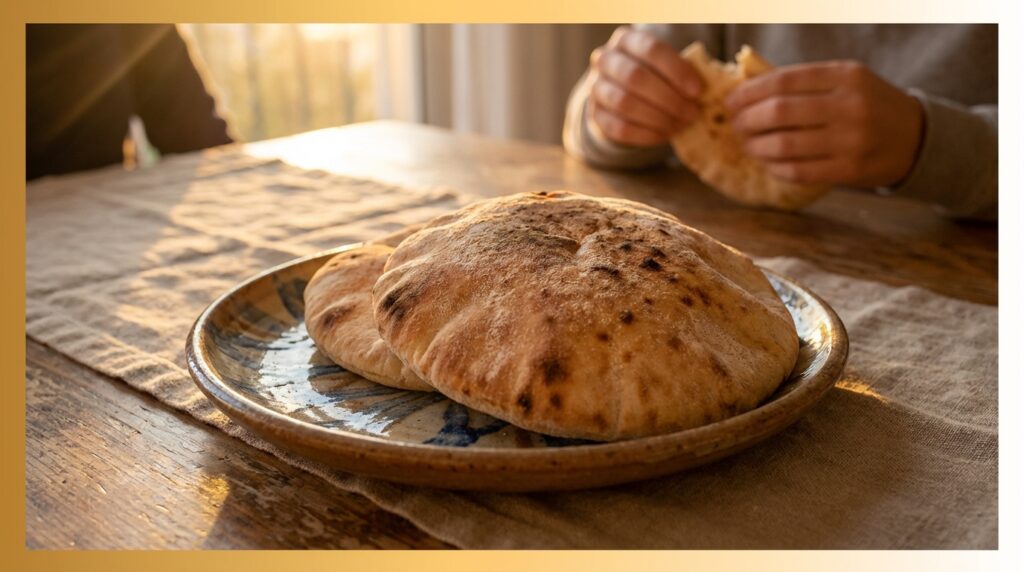

The origins of pita bread trace back to ancient times, where it was a crucial part of daily meals. Its simple ingredients and quick baking process made it a favorite among various cultures. Over time, pita became synonymous with Middle Eastern cuisine, cherished for its versatility and unique pocket feature.
In Israel, pita holds a special place in culinary traditions. It is often enjoyed with falafel, hummus, and a variety of salads. The bread’s ability to hold fillings makes it ideal for on-the-go meals, reflecting the vibrant street food culture in Israeli cities.
The process of making pita involves a high-temperature bake that causes the dough to puff up, creating the characteristic pocket. This technique has been passed down through generations, with each family adding their own twist to the recipe.
The texture of Israeli pita is what sets it apart from other types of bread. It is soft yet sturdy enough to hold a variety of fillings. This balance is achieved through careful kneading and resting of the dough, allowing the gluten to develop properly.
Baking pita at home can be a rewarding experience, connecting you to a rich culinary heritage. The aroma of freshly baked bread fills the kitchen, creating a warm and inviting atmosphere. It’s a simple pleasure that brings people together.
Whether enjoyed warm from the oven or used as a base for creative dishes, pita remains a beloved part of Israeli cuisine. Its adaptability and delicious taste continue to win hearts around the world.
From traditional pairings with hummus to innovative wraps and sandwiches, pita’s versatility is unmatched. It serves as a canvas for culinary creativity, allowing cooks to experiment with flavors and textures. This adaptability has helped pita maintain its popularity across different cultures and cuisines.
The communal aspect of sharing pita is also significant. In many households, tearing and sharing pita is a symbol of hospitality and togetherness. It brings people together, fostering a sense of community and connection.
As you embark on your pita-making journey, remember that each loaf is a piece of history. Embrace the tradition and enjoy the process, knowing that you are part of a long line of bakers who have cherished this humble bread.