The Heartwarming Story of Matzo Ball Soup
17 March 08:53
347
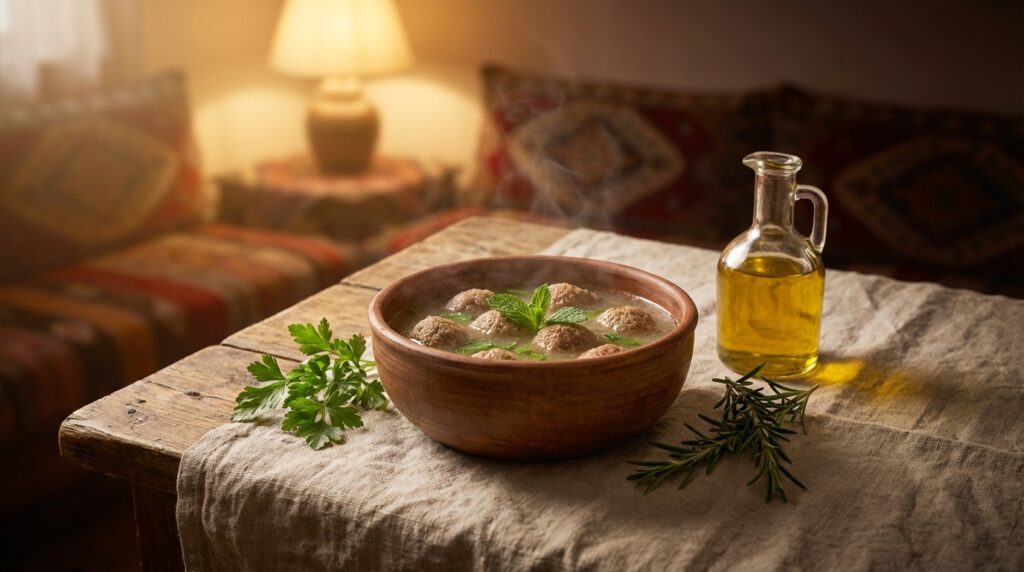

Originating from the Levant region, Kibbeh Soup has been a staple in many households for generations. This dish combines the hearty flavors of spiced meat and bulgur dumplings with a rich, savory broth. Each family has its own variation, often passed down through the generations, making it a deeply personal and cultural experience.
The preparation of Kibbeh Soup is often a communal activity, bringing families together in the kitchen. The process of shaping the kibbeh dumplings is both an art and a tradition, with each dumpling crafted with care and precision. This shared experience not only strengthens family bonds but also preserves cultural heritage.
Kibbeh Soup is more than just a meal; it is a symbol of hospitality and warmth. In many Middle Eastern cultures, offering a bowl of this soup to guests is a gesture of welcome and generosity. The flavors and aromas of the soup create an inviting atmosphere, making it a favorite during gatherings and celebrations.
In Israel, Kibbeh Soup is particularly popular during the colder months, providing comfort and warmth. Its rich flavors and hearty ingredients make it an ideal dish for family dinners and special occasions. The soup’s versatility allows it to be adapted to personal tastes, with variations in spices and ingredients reflecting regional preferences.
The kibbeh dumplings, made from a mixture of ground meat, bulgur, and spices, are the heart of the soup. These dumplings are carefully shaped and cooked in the broth, absorbing the flavors and adding a delightful texture. The combination of spices used in the dumplings varies, with each family adding their unique touch to the recipe.
Kibbeh Soup’s popularity has spread beyond the Middle East, with many people around the world discovering its delicious taste. It has become a beloved dish in many international kitchens, celebrated for its comforting qualities and rich cultural significance. As more people embrace this traditional soup, it continues to bring warmth and joy to tables everywhere.
The enduring appeal of Kibbeh Soup lies in its ability to connect people to their roots. For those with Middle Eastern heritage, it serves as a reminder of home and family. For others, it offers a taste of a rich cultural tradition, inviting them to explore the flavors and stories of the region. This connection to history and culture makes Kibbeh Soup a truly special dish.
The preparation of Kibbeh Soup often involves multiple generations, with elders teaching younger family members the art of making kibbeh. This passing down of knowledge ensures that the tradition continues, preserving the flavors and techniques for future generations. It is a beautiful example of how food can serve as a bridge between past and present.
As Kibbeh Soup continues to gain popularity, it also adapts to modern tastes and dietary preferences. Many cooks experiment with different ingredients, such as using vegetarian or vegan alternatives for the kibbeh. This adaptability ensures that the dish remains relevant and accessible to a wider audience, allowing more people to enjoy its comforting qualities.