
Lod Area Guide
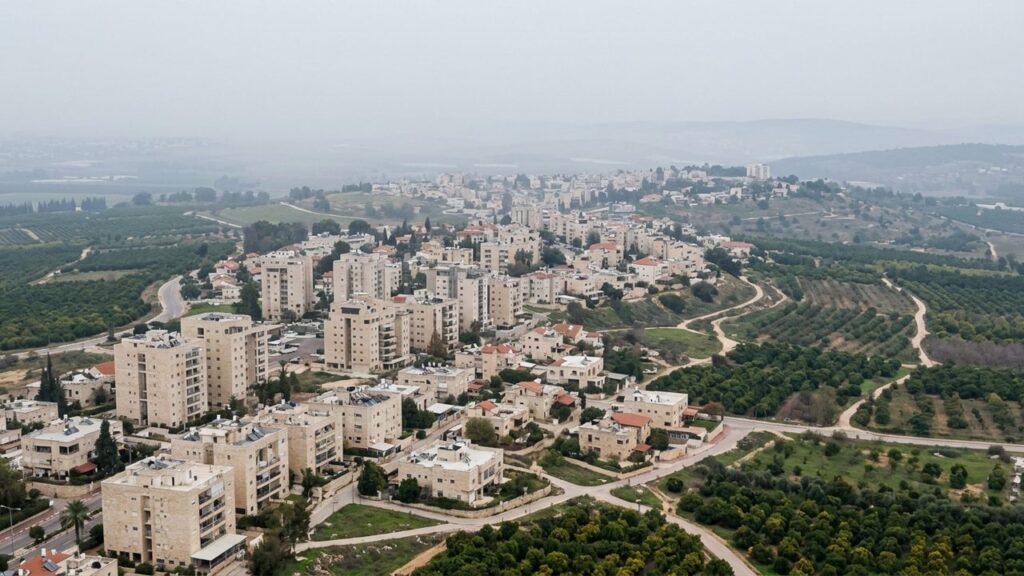

Lod is a Central District city with a very long history and a location that puts daily access to the coast and a major international airport within easy reach of residents in Israel. This guide outlines where Lod is, what life is like, local services and transport, neighbourhoods, and practical points to consider before moving.
Lod at a Glance
City: Lod • Country: Israel • District: Central District • Population: 94189 • Area: 12.226 km² • Nearest major city: Tel Aviv-Yafo • Distance: approximately 15 km • Main transport connection: Lod railway junction and proximity to Ben Gurion Airport, plus major roads (Highway 1 and Route 44) • Known for: Very long archaeological history (including the Lod mosaics), the Church of Saint George, a mixed Jewish–Arab community, and its role as a central rail/air/road transport hub • Historic origins: Initial settlement c. 5600–5250 BCE; Canaanite/Israelite town attested c. 1465 BCE; important in Hellenistic, Roman (renamed Diospolis) and Byzantine periods
Where Is Lod?
Lod sits on the coastal plain of central Israel, on the Ayalon (Ajalon) stream and surrounded by agricultural land and low-lying plains. It forms part of the Central District and occupies a relatively compact urban area.
Geographically, the city lies roughly midway along the corridor connecting the coastal plain and the interior hills, making it a local junction for road and rail links. Neighbouring municipalities include Ramla a few kilometres to the west and towns such as Rehovot and Rishon LeZion within a short drive.
The nearest major urban centre is Tel Aviv-Yafo, approximately 15 kilometres away, giving Lod straightforward access to the economic and cultural services of the metropolitan area. Within the immediate area, Lod is adjacent to a mix of built-up towns and agricultural parcels set in the coastal plain.
History of Lod
The site of Lod has a documented human presence stretching back to the Neolithic and Chalcolithic periods. Archaeological work shows continuous occupation through Early, Middle and Late Bronze Age phases and into later antiquity.
Lod appears in ancient sources and became prominent in the Hellenistic era and during Roman rule, when it was known as Diospolis. It remained an important regional centre in Byzantine times and is associated with Christian traditions linked to Saint George.
Through the Early Muslim, Crusader/Ayyubid and Mamluk periods the site continued to function in regional networks. During the Ottoman era the settlement declined in regional importance compared with earlier centuries. The modern municipality of Lod formed under later administrations and developed further through the British Mandate and into the State of Israel period.
Lod Population
The official population figure for Lod in 2024 is 94,189 residents. Other recent estimates place the city at around 95,000 people, reflecting the same general scale.
Lod is a medium‑sized city within the Central District. Local sources describe Lod today as a mixed city with Jewish and Arab communities living alongside one another and municipal services structured to serve a diverse population.
What Is It Like to Live in Lod?
Life in Lod combines suburban space with direct access to regional centres. The pace tends to be calmer than in central Tel Aviv, with residential streets, family-oriented neighbourhoods and municipal parks providing day-to-day amenities.
Infrastructure covers basic services locally — schools, primary healthcare facilities and municipal programs — and residents commonly use Tel Aviv and other nearby cities for specialised medical care, higher education and larger-scale leisure activities.
Transport is a defining part of daily life: Lod functions as a transport hub thanks to its railway junction and proximity to Ben Gurion Airport, but residents also encounter the trade-offs of regional traffic around major roads and the airport corridor.
The city offers straightforward access to outdoor space along the Ayalon stream and local parks, which supports family recreation and walking. In short, Lod suits households seeking more space and easier access to green areas while retaining practical links to metropolitan services.

Areas and Neighbourhoods in Lod
Lod comprises a number of residential neighbourhoods and districts, each with a broadly residential character. The following subsections describe the general character and practical features of named areas within the city.
Ganei Aviv
Ganei Aviv is a residential area associated with municipal green space and local parks. Housing is largely low- to mid-rise and the neighbourhood benefits from proximity to city parks and everyday services.
Transport links are practical for local travel and provide reasonable access to the city’s central bus hub and nearby road connections. The area suits families and those seeking direct access to nearby greenery.
Ganei Yaar
Ganei Yaar is another primarily residential district with a suburban feel. The neighbourhood is characterised by a combination of family homes and smaller apartment blocks, and nearby parkland contributes to recreational options.
Residents can reach central Lod and the railway services without long journeys, making the area suitable for people who want a quieter home base with access to commuter routes.
Ganei Ayalon
Located near the Ayalon stream corridor, Ganei Ayalon offers easy access to riverside open space and municipal green areas. Housing tends toward family-friendly formats with outdoor amenities nearby.
Its location provides practical links to the city’s main roads and local bus lines, making it a sensible choice for households prioritising access to nature close to home.
Pardes Snir
Pardes Snir is a residential neighbourhood with a community-oriented atmosphere and streetscapes typical of suburban development. Residents commonly rely on local shops and municipal services for day-to-day needs.
The area is suited to families and longer-term residents who want stable neighbourhood services with reasonable travel times to Lod’s bus and rail connections.
HaRakevet (the Train neighbourhood)
HaRakevet, sometimes described as the Train neighbourhood, lies close to the rail corridor and benefits from good proximity to Lod railway station. The name reflects the transport orientation of the area.
Housing is mixed and the neighbourhood is particularly appropriate for commuters who prefer short access to train services that connect Lod with Tel Aviv and other regional centres.
Neve Shalom
Neve Shalom is a residential district with a mix of housing types and everyday amenities. It is generally family-friendly and connected to municipal services and schools.
The neighbourhood is well suited to residents who want neighbourhood-level services while relying on close road and bus links for trips to surrounding cities.
Neve Yarak
Neve Yarak offers a quieter residential environment with local green spaces and housing options that work for families and older residents. Local shopping and municipal services are within practical reach.
Transport connectivity is adequate for regular commuting, with access to local bus routes and the main road network.
Ramat Eshkol
Ramat Eshkol is another residential area within Lod featuring typical suburban housing and access to parks and municipal facilities. Its character is consistent with family-oriented living across the city.
The neighbourhood is convenient for people seeking straightforward access to Lod’s central services and reasonable connections to the railway and bus network.
Education in Lod
Educational provision in Lod is organised through a municipal network of primary and secondary schools, including special-education services and local municipal education programs. These cater to standard schooling needs within the city.
For higher education, institutions are located in nearby central-Israel cities; residents typically travel to those neighbouring urban centres for university-level study or specialised colleges. Local municipal programs and schools provide the base for early and secondary education in Lod.
Transport and Connectivity
Lod is a major transport junction in the central corridor. Lod railway station serves as a key node with frequent direct Israel Railways services connecting the city to central Tel Aviv stations and beyond.
Road connections include Highway 1 — with links via the Ben Gurion Airport area — and Route 44, which provide primary road access to Tel Aviv and the wider region. Regional and intercity bus services operate from Lod’s central bus hub, run by operators such as Egged and Kavim among others.
Ben Gurion Airport is approximately 8 km from Lod, making air travel extremely convenient for residents. The city’s transport role is balanced by local traffic around the airport and major road corridors.
For daily commuting, many residents rely on the rail connection for trips to Tel Aviv; car-free living within Lod is possible for routine errands when using public transport, but household car ownership remains common for wider travel and family mobility.

Nature and Outdoor Spaces
Lod lies on the coastal plain and alongside the Ayalon (Ajalon) stream, which provides a local landscape feature and riparian corridors. Surrounding agricultural land frames the city and contributes to a sense of openness in the immediate hinterland.
Municipal parks, including Park Aviv / Ganei Aviv parks and other green spaces, offer places for walking, family activities and outdoor recreation. These parks, together with the stream corridor, support nature-oriented weekends and local exercise options.
Amenities and Things to Do in Lod
Lod hosts a selection of notable cultural and historical sites, most prominently the Lod Mosaic and associated Mosaic Center, the Church of Saint George, Al-Omari (Al-Khidr) Mosque, Jindas Bridge and the Old City of Lod. These places provide both local cultural activity and points of interest for visitors.
Everyday amenities include local shopping and restaurants serving neighbourhood needs, primary healthcare services for basic medical needs, sports facilities and municipal cultural programming. For a wider choice of specialised healthcare, higher‑end entertainment and major shopping, residents commonly travel to Tel Aviv and neighbouring cities.
The city’s role as a transport hub also brings practical convenience: the railway station and the nearby international airport make travel and logistics straightforward for residents and businesses.

Cities and Towns Near Lod
Several towns and cities lie a short drive from Lod, providing additional services, employment and leisure options for residents of the city.
Nearby cities and towns: Ramla — 4 km, approx. 10 min; Yehud-Monosson — 14 km, approx. 19 min; Rehovot — 14 km, approx. 20 min; Rishon LeZion — 16 km, approx. 19 min; Modi’in-Maccabim-Re’ut — 18 km, approx. 23 min.
Advantages of Living in Lod
Proximity to Tel Aviv: At roughly 15 km, Lod offers easy links to the economic and cultural opportunities of the metropolitan area while allowing more residential space.
Transport hub: The combination of Lod railway junction, nearby Highway 1/Route 44 and the short distance to Ben Gurion Airport makes travel by rail, road and air highly accessible.
Range of housing options: The city provides a variety of housing types, from family homes to newer apartment projects, suiting different household needs.
Access to green space: The Ayalon stream corridor and municipal parks create options for outdoor recreation close to home.
Cultural and historical sites: Local landmarks such as the Lod Mosaic and the Church of Saint George add cultural value and visitor interest.
Things to Consider Before Moving to Lod
Dependence on nearby cities for some specialized services: While Lod covers basic healthcare and schooling, residents often travel to Tel Aviv and neighbouring cities for specialised medical care, higher education and a wider entertainment offer.
Traffic and congestion: The city’s position near major road arteries and the airport corridor can produce local traffic pressures at peak times.
Local entertainment options: Some residents find that nightlife and high-end cultural programming are limited within the city itself compared with larger nearby urban centres.
Diverse urban character: As a mixed city with a range of communities, new arrivals should plan to familiarise themselves with the local social landscape and municipal services to identify the best neighbourhood fit.
Who Is Lod Best For?
Families
Families benefit from the city’s parks, family‑oriented neighbourhoods and municipal school network, with more specialised children’s activities available in nearby cities.
Commuters
Commuters who work in Tel Aviv or elsewhere in the central corridor find Lod’s rail connections and road links convenient for daily travel.
Young Professionals
Young professionals who prioritise affordable housing close to central employment hubs can use Lod as a practical base while commuting by train or car.
Students
Students who study at institutions in nearby central-Israel cities may use Lod as a residential base, taking advantage of the rail services and lower housing costs compared with core metropolitan centres.
Retirees
Retirees looking for a quieter suburban pace with access to parks and municipal services may find Lod suitable, while accessing larger medical centres in nearby cities when needed.
