
Modi’in Area Guide
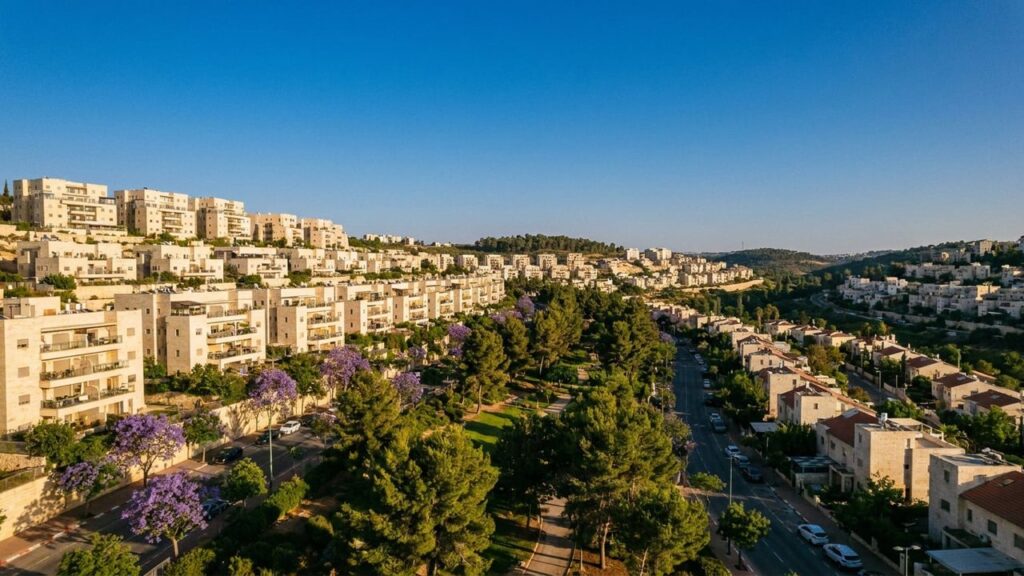

Modi’in is a modern planned city in central Israel. It offers plentiful green spaces and direct rail links toward the Tel Aviv area. This guide summarises the city’s history, practical details for daily life and what to expect when moving to Modi’in.
Modi’in at a Glance
City: Modi’in • Country: Israel • District: Central District • Population: 97600 • Area: 48.35 • Nearest major city: Jerusalem • Distance: 30 • Main transport connection: Highway 431 and Route 443 together with Israel Railways services to Modi’in-Center and Pa’atei Modi’in • Known for: A modern planned, family-oriented city near the region associated with ancient Modi’in; municipal education, parks and a rail link to the Tel Aviv area • Historic origins: Named after the ancient settlement associated in tradition with the Hasmonean (Maccabean) family. Archaeological remains in the general area span Iron Age to Byzantine periods; the exact ancient site is not conclusively determined.
Insider's Guide to Israel
and can't-miss places most tourists never find.
Where Is Modi’in?
Modi’in sits in Israel’s Central District roughly between Jerusalem and Tel Aviv on the western edge of the Judean foothills. It lies around 30 km from Jerusalem and about 35 km from Tel Aviv by road.
The city is bordered by several towns and communities and is close to Modi’in Illit to the west. The setting combines suburban development with views toward the Judean foothills and accessible surrounding green belts.
Transport links include Route 443 and Highway 431, plus a rail branch that connects the city to the Tel Aviv corridor. These links give Modi’in a practical regional position for commuters and local journeys.
History of Modi’in
The name Modi’in derives from an ancient settlement long associated in tradition with the Hasmonean (Maccabean) family. Archaeological remains have been identified in the wider area with proposed sites such as Umm el-ʿUmdan, Khirbet Tittora and al‑Midya; occupation here is attested from the Iron Age through Byzantine times.
In later centuries the broader area was part of the Ottoman and British Mandate administrations prior to the modern period.
The contemporary city was developed in the 1990s. Municipal records note that construction and initial occupancy took place in the early-to-mid 1990s, so the urban fabric reflects late 20th-century planning rather than continuous development from antiquity.
Modi’in Population
As of 2023 the population of Modi’in is approximately 97,600, according to municipal reports for that year.
The city has grown since its establishment in the 1990s and is a mid-sized municipality within the Central District. Growth has been driven by housing demand, local services and transport connections.
What Is It Like to Live in Modi’in?
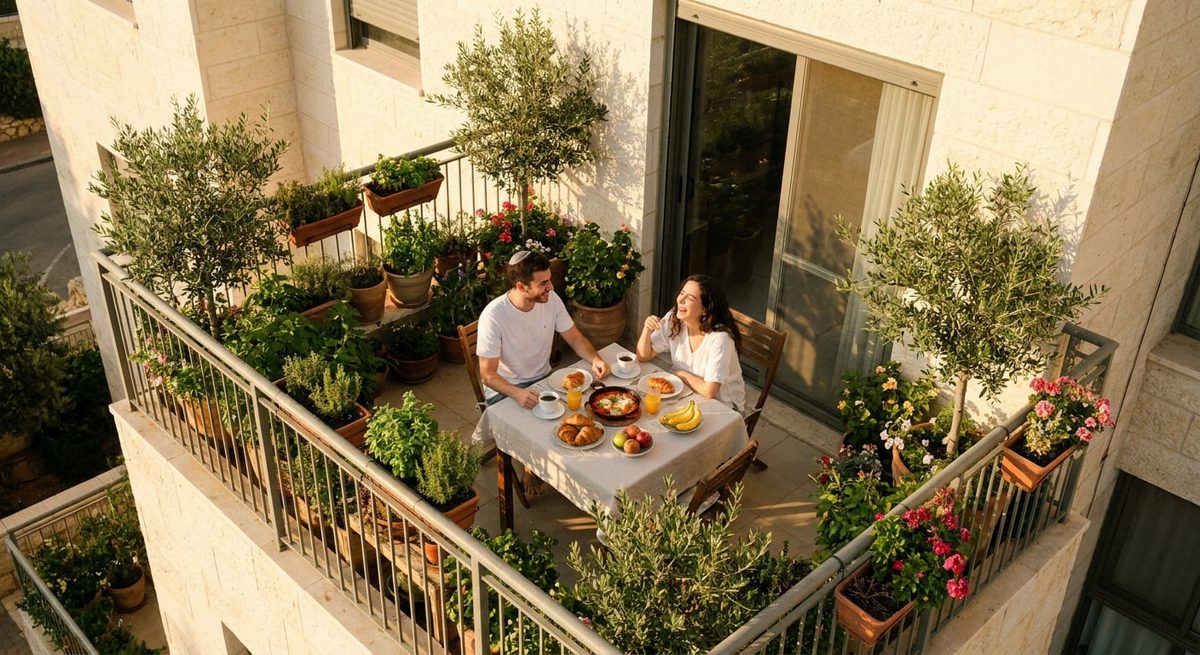
Daily life in Modi’in tends toward a suburban pace. The municipal plan emphasises residential neighbourhoods, parks and community facilities, creating a quieter environment than large urban centres while keeping regional accessibility.
Services are oriented toward households and include a comprehensive municipal education system, local clinics and municipal sports and cultural offerings. Shopping centres and day-to-day services are available within the city.
Transport options combine rail services toward Tel Aviv, intercity and local buses, and good road links. Many residents commute to employment centres while living in a lower-density setting.
Green spaces are readily available. Linear municipal parks, nearby forested areas and larger sites such as Ben Shemen Forest and Canada Park are within reach for recreation and weekend visits.
Areas and Neighbourhoods in Modi’in
Modi’in is organised into a number of mostly residential neighbourhoods. The city layout mixes housing types with green corridors; the following neighbourhoods are among those noted in municipal materials.
Morasha (מורשת)
Morasha is a recognised residential neighbourhood within the city’s planned layout. It mainly comprises family housing and smaller local parks. Public buses serve the area and roads connect to the city centre; it is suitable for those seeking quieter streets and nearby services.
Nofim (נופים)
Nofim features residential streets and access to local open spaces. Housing tends toward low- to medium-rise units with nearby schools and playgrounds. Good local bus links make it practical for daily trips.
Tziporim (הציפורים)
Tziporim is a neighbourhood with community facilities close to housing clusters. The area offers green pockets and pedestrian routes. Residents use local bus routes and short drives for shopping and work.
Maccabim (מכבים)
Maccabim sits on one of the city’s residential axes and references the area’s historical name. Housing is mixed and the neighbourhood has access to nearby parks. Road connections and bus services make commuting straightforward.
Re’ut (רעות)
Re’ut is a residential sector with family-friendly amenities such as schools and playgrounds. It is a short drive from central services and enjoys local bus coverage. The neighbourhood suits those who want local conveniences close at hand.
HaNechalim (הנחלים)
HaNechalim contributes to the city’s suburban mosaic with green corridors and residential streets. The neighbourhood provides access to schools and parks and is linked by municipal bus lines. It appeals to people seeking a quieter, neighbourhood-focused location.
Education in Modi’in
Modi’in operates a municipal education system. Municipal reporting lists about 214 educational institutions in the city: roughly 166 kindergartens and 48 schools, according to city documents.
Local schools have received national recognition in some cases and offer a range of specialised tracks and programs. For higher education, major universities are in nearby metropolitan centres such as Tel Aviv and Jerusalem, accessible by rail and road for commuting students.
Transport and Connectivity
Modi’in benefits from a mix of road, rail and bus connections that support commuting and regional travel. The city is served by a branch of Israel Railways with stations including Modi’in-Center (Modi’in Central) and Pa’atei Modi’in.
Rail provides direct connections to Tel Aviv; typical journey times are about 30–40 minutes depending on the service and station. Road connections include Highway 431 and Route 443, providing access to the coastal plain.
Intercity and local buses are operated mainly by Kavim, offering routes to Tel Aviv, Jerusalem and nearby towns such as Lod and Ramla. Ben Gurion Airport is roughly 16 km from Modi’in, facilitating national and international travel.
Driving times vary with traffic: journeys to Tel Aviv are often 30–45 minutes by car depending on conditions, and rail offers a reliable alternative for many commuters. Some local trips are still easiest by car, though public transport is a practical option for many daily journeys.
Insider's Guide to Israel
and can't-miss places most tourists never find.

Nature and Outdoor Spaces
Green spaces are a prominent feature of Modi’in’s surroundings and municipal planning. The city incorporates linear parks and green corridors that link neighbourhoods and provide recreational opportunities.
Nearby larger natural areas include Ben Shemen Forest and Canada Park, both offering trails and picnic areas for weekend visits. The Judean foothills give rolling landscapes and accessible edges for short hikes.
Within the city, public parks such as Anava Park and other maintained green spaces provide daily places for walking, family recreation and informal sports.
Amenities and Things to Do in Modi’in
Modi’in provides amenities suited to everyday family life. Shopping centres such as Azrieli Modi’in Mall offer retail, dining and local services.
Civic and cultural offerings include museums that reflect local history, notably the Hasmonean Heritage Museum, plus municipal events and sports facilities. The railway stations are useful gateways to regional leisure and commerce.
Healthcare services and local clinics meet everyday needs, and residents can reach larger hospitals in nearby regional centres. Outdoor recreation is strong locally: parks, trails and nearby forests support walking, cycling and family outings.
Notable local sites include archaeological spots such as Umm el-ʿUmdan and the railway stations that connect the city to the wider region.
Cities and Towns Near Modi’in
Modi’in sits within a network of nearby cities and towns, providing regional access to employment, services and cultural amenities. Nearby cities include Jerusalem and Tel Aviv, each within roughly 30–35 km, and towns such as Lod, Ramla and Modi’in Illit.
Nearby cities and towns: Jerusalem — 30 km, approx. 35 min; Tel Aviv — 35 km, approx. 35 min; Lod — 20 km, approx. 20 min; Ramla — 25 km, approx. 25 min; Modi’in Illit — 6 km, approx. 10 min.
Advantages of Living in Modi’in
Purpose-built residential planning: The city was developed with family life, parks and community services in mind.
Education provision: An extensive municipal education network, including many kindergartens and schools, is a local strength.
Regional links: Rail services to Tel Aviv, intercity buses and major roads make commuting feasible to larger employment centres.
Access to nature: Municipal parks and proximity to Ben Shemen Forest and Canada Park make outdoor recreation convenient.
Things to Consider Before Moving to Modi’in
Local entertainment is more limited than in large cities: for a wide range of nightlife and specialised cultural venues, travel to Tel Aviv or Jerusalem may be needed.
Some specialised services require travel: for certain medical treatments, higher education programs or specialised cultural institutions, residents may need to go to neighbouring cities.
Property market: Availability and pricing vary; buyers and renters should check current market conditions and listings.
Transport variability: Road travel times change with traffic. While rail services are frequent, some daily mobility and local errands may still be easier by car for some households.
Who Is Modi’in Best For?
Families
Modi’in suits families thanks to its schools, parks and residential planning. The city offers many local amenities for children and households.
Commuters
Commuters to Tel Aviv or other regional centres benefit from direct rail services and road links, making Modi’in a practical base for daily travel.
Young Professionals
Young professionals seeking a quieter residential setting with reliable rail access to Tel Aviv may find Modi’in appealing.
Students
Students who attend universities in nearby cities can commute by rail or road; higher education institutions themselves are based in neighbouring metropolitan centres.
Retirees
Retirees who value green spaces, quieter streets and local services may appreciate Modi’in’s parks and community amenities.
