
Yavne Area Guide
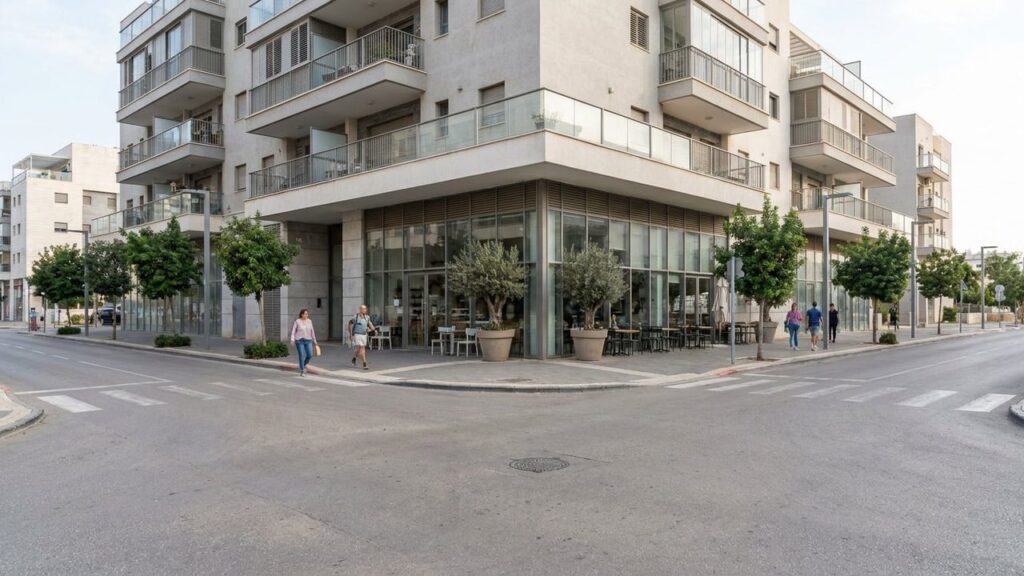

Yavne is a Central District city that combines suburban living with good regional connections. This guide covers its history, demographics, transport links, schools and everyday life in Israel.
Yavne at a Glance
City: Yavne • Country: Israel • District: Central • Population: 57725 • Area: 29.2 km² • Nearest major city: Ashdod • Distance: 13 km • Main transport connection: Coastal Highway (Route 4) and Israel Railways (Yavne West / Yavne East stations) • Known for: The ancient site of Yavneh (Tel Yavne) and its central role in post‑Temple rabbinic history, local archaeology and modern urban growth and renewal • Historic origins: Tel Yavne is an archaeological site inhabited from the Bronze/Iron Ages through Byzantine and later periods; after the destruction of the Second Temple it became a major centre of rabbinic activity (the ‘Yavneh period’)
Where Is Yavne?
Yavne sits in Israel’s Central District on the coastal plain, roughly midway between the greater Tel Aviv area and the southern port city of Ashdod. The municipality covers about 29.2 square kilometres and lies approximately 6–7 kilometres east of the Mediterranean coast.
Neighbouring urban centres include Rehovot to the east (about 6 km) and Ashdod to the south‑west (about 13 km); Tel Aviv is around 26 km to the north‑north‑east. The town occupies a low, mostly flat coastal plain setting with nearby sand‑dune landscapes and open regional spaces.
History of Yavne
The site around modern Yavne has a long recorded history. Ancient Yavneh (Tel Yavne) was inhabited from the Bronze and Iron Ages and appears repeatedly through Herodian/Roman, Late Antiquity/Byzantine, Early Islamic, Crusader (Ibelin) and Ottoman periods.
In the 1st century CE, after the destruction of the Second Temple, the settlement became a prominent centre of rabbinic activity; sages such as Rabban Yohanan ben Zakkai and the Sanhedrin are associated with the ‘Yavneh period’ that helped reconstitute Jewish learning and law.
The modern municipal town of Yavne was founded in 1949. While the contemporary city is a post‑war Israeli municipality with ongoing urban development, it sits beside and above layers of much older archaeological remains that give the area its historical significance.
Yavne Population
As of 2023 the population of Yavne was 57,725. Municipal and national statistics record the city’s population size and demographic profile; the municipality provides local public services sized to serve tens of thousands of residents.
Yavne is a mid‑sized city within the Central District. Its growth since the founding of the modern town in 1949 reflects ongoing urban expansion and renewal rather than being an ancient continuous urban population in its current municipal form.
What Is It Like to Live in Yavne?
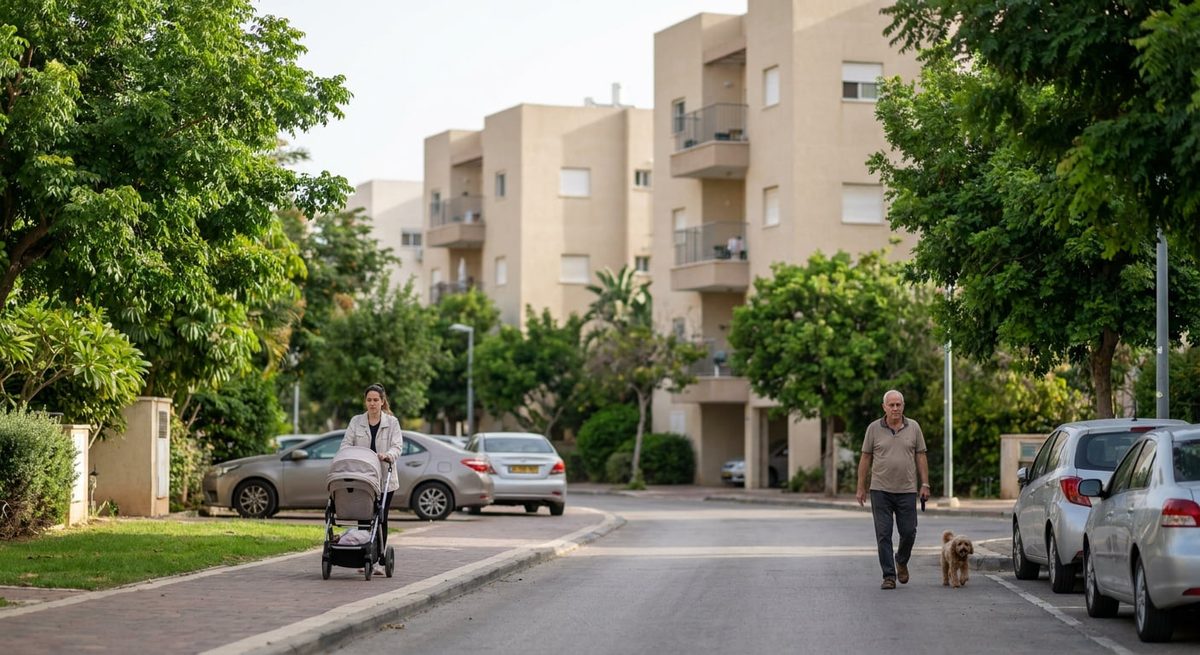
Living in Yavne tends to feel suburban and community‑oriented: the city is often described as offering more space and privacy than denser coastal metropolises. Daily life balances local services with ready access to larger regional centres for a wider range of options.
Infrastructure and services cover typical municipal needs: schools, healthcare clinics, shopping and cultural venues such as a municipal cultural hall and amphitheatre. The town functions as a practical residential base for families, remote workers and people seeking a quieter environment within commuting reach of the Tel Aviv region.
Transport links are an important part of the local experience. Regular passenger rail services at Yavne West and Yavne East and multiple intercity and local bus lines connect residents with the Tel Aviv area and nearby cities. Road access via the Coastal Highway (Route 4) and regional arterials supports daily driving.
With coastal sand dunes and regional open spaces close by — and the Nahal Sorek corridor within reach — Yavne offers decent access to outdoor recreation, which shapes weekends and leisure for many residents.

Areas and Neighbourhoods in Yavne
Yavne has a number of residential neighbourhoods that together make up the municipal area. Each neighbourhood varies in age, housing stock and local character; below are short notes on areas commonly identified within the city.
Neot Shazar (נאות שז”ר)
Location and character: One of the residential neighbourhoods in Yavne, typically suburban in character with family homes and local streets.
Housing and transport: Residential housing dominates, with local roads connecting to main arterials and municipal transport nodes. The neighbourhood suits families seeking quieter streets close to local services.
Who it suits: Families and those seeking conventional suburban housing with access to schools and neighbourhood amenities.
Ramot Ben Tzvi (רמות בן צבי)
Location and character: A residential quarter within Yavne that forms part of the city’s urban fabric and community life.
Housing and transport: Primarily domestic housing with local access to bus services and roads leading to the wider coastal highway network.
Who it suits: Residents who want established neighbourhoods with straightforward connections to the rest of the city.
Neot Shamir (נאות שמיר)
Location and character: A suburban neighbourhood offering residential streets and access to municipal amenities.
Housing and transport: Housing tends to be low‑ to medium‑rise family dwellings; local roads and public transport provide access to Yavne’s rail stations and regional roads.
Who it suits: Those wanting a quieter family environment within easy reach of Yavne’s services.
Neot Ben-Gurion (נאות בן גוריון)
Location and character: Another residential district in Yavne, integrated into the city’s network of neighbourhoods.
Housing and transport: Residential focus with local shops and transport links that feed into the city’s main roads and public transport nodes.
Who it suits: Households seeking routine municipal services and neighborhood life.
Neot Eshkol (נאות אשכול)
Location and character: A neighbourhood forming part of Yavne’s housing stock and community areas.
Housing and transport: Typically residential in nature with access to local infrastructure and bus services that connect to Yavne West and Yavne East stations.
Who it suits: Residents looking for familiar suburban environments near schools and parks.
Ramat Weizman (רמות ויצמן)
Location and character: A recognised neighbourhood in the city, contributing to the municipal diversity of housing and public spaces.
Housing and transport: Residential offerings and local transport connections to the broader municipal network and regional roads.
Who it suits: Families and individuals who prioritise neighbourhood stability and proximity to community amenities.
Neot Shazar specifics
Notes: Neot Shazar is mentioned in local property data as having recent transactional activity and newer builds compared with some other parts of the city; that can influence housing choice for buyers seeking newer construction.
Education in Yavne
Education in Yavne is provided through the municipality and national systems. For the 2022/23 school year municipal and Central Bureau of Statistics data record 29 schools with 447 classes and about 11,695 students.
Local provision covers kindergarten through primary and secondary schooling within the municipal network. For tertiary and specialised higher education, residents typically travel to nearby larger cities such as Rehovot and the Tel Aviv area where colleges and universities are located.
Transport and Connectivity
Yavnes main transport connections are the Coastal Highway (Route 4) for road access and two Israel Railways stations (Yavne West and Yavne East). Yavne West is on the coastal line and Yavne East is on the Lod–Ashkelon line; regular passenger services connect the city with Tel Aviv‑area stations.
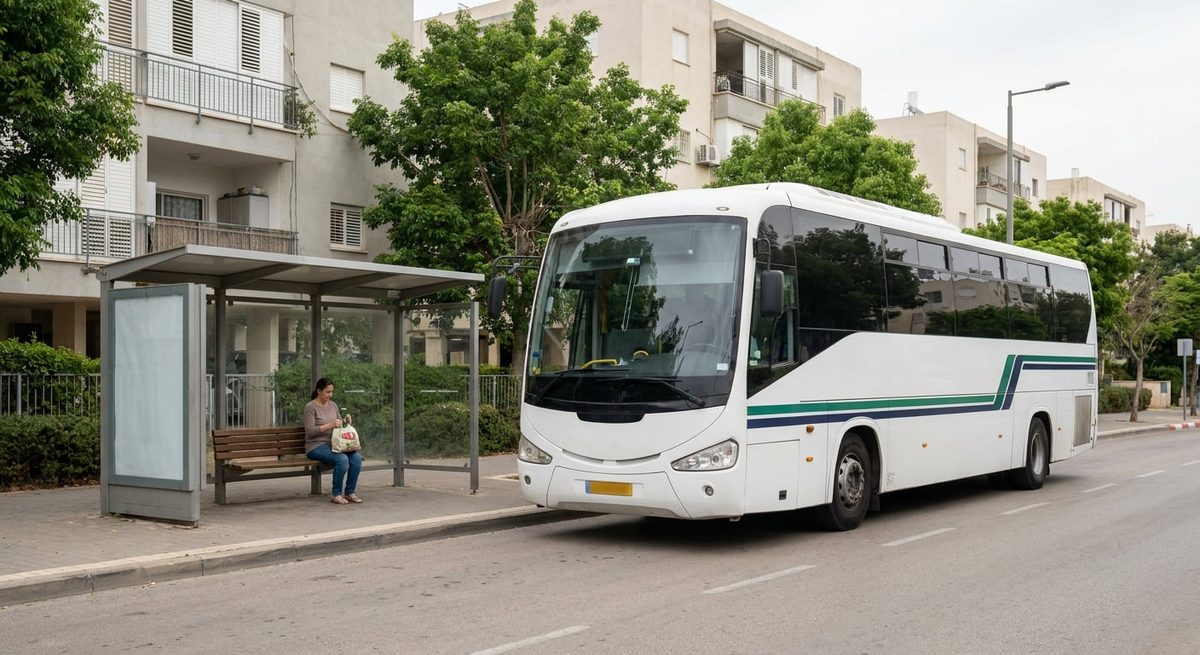
Multiple intercity and local bus lines serve Yavne, and Yavne West functions as a local transport hub with adjacent bus services. Regional roads such as Route 431 and local arterials also link the city to neighbouring towns.
Approximate travel distances and links: Ashdod is about 13 km away, Rehovot about 6 km and Tel Aviv‑Yafo about 26 km. The nearest major international airport (Ben Gurion) is approximately 31.6 km from Yavne.
Car‑free feasibility: The presence of regular rail and bus services means some daily commutes and trips to larger centres are feasible without a car, though many residents use private vehicles for local errands and flexible travel across the region.
Nature and Outdoor Spaces
Yavne lies only a few kilometres from the coast and is adjacent to coastal sand‑dune landscapes and regional open spaces. The city is surrounded by local parks and green corridors, including eucalyptus groves and areas referenced locally as ‘Park Hulot’.
The Nahal Sorek corridor and the nearby stretches of Mediterranean coastline offer opportunities for walking, cycling and weekend outdoor activities. Archaeological sites such as Tel Yavne also provide open‑air historical landscapes that are part of the local environment.
Amenities and Things to Do in Yavne
Yavne provides day‑to‑day amenities including local shopping, clinics and municipal services. The city has cultural venues such as a municipal cultural hall and an amphitheatre that host events and performances for residents.
Key local landmarks include Tel Yavne (an archaeological site) and Sanhedrin Park / Kever Rabban Gamliel, which are important for both history and local interest. Transport hubs like Yavne West and Yavne East stations also double as focal points for retail and services nearby.
For wider retail, leisure and specialised healthcare or cultural offerings, residents commonly travel to nearby cities such as Rehovot, Ashdod or the Tel Aviv metropolitan area.
Cities and Towns Near Yavne
Yavne sits within a short drive or rail journey of several other Central District towns and coastal cities, which together form the wider commuting and service region around the city.
Nearby cities and towns: Rehovot — 6 km; Ashdod — 13 km; Tel Aviv-Yafo — 26 km.
Advantages of Living in Yavne
Proximity to regional hubs: Short distances to Rehovot, Ashdod and the Tel Aviv area make Yavne a practical base for work and wider services.
Transport connections: Two railway stations and multiple bus lines plus direct road access on Route 4 provide good regional connectivity.
Family focus and community vibe: The city offers a family‑oriented environment with municipal schools, local parks and a community atmosphere.
Access to nature: Close coastal dunes, nearby parks and the Nahal Sorek corridor make outdoor activities and green space easily reachable.
Balanced suburban living: More space and privacy compared with denser metropolitan centres, combined with municipal amenities, suits people seeking a suburban lifestyle.
Things to Consider Before Moving to Yavne
Some specialised services and larger cultural or commercial offerings are located in nearby cities, so residents may need to travel for certain needs or leisure options.
Housing stock and available inventory can vary; local property listings indicate a mix of older homes, renovations and newer builds but supply can be limited depending on market conditions.
While public transport provides good regional links, some local trips and errands are simpler by car, so household mobility needs should be considered when moving to the area.
Who Is Yavne Best For?
Families
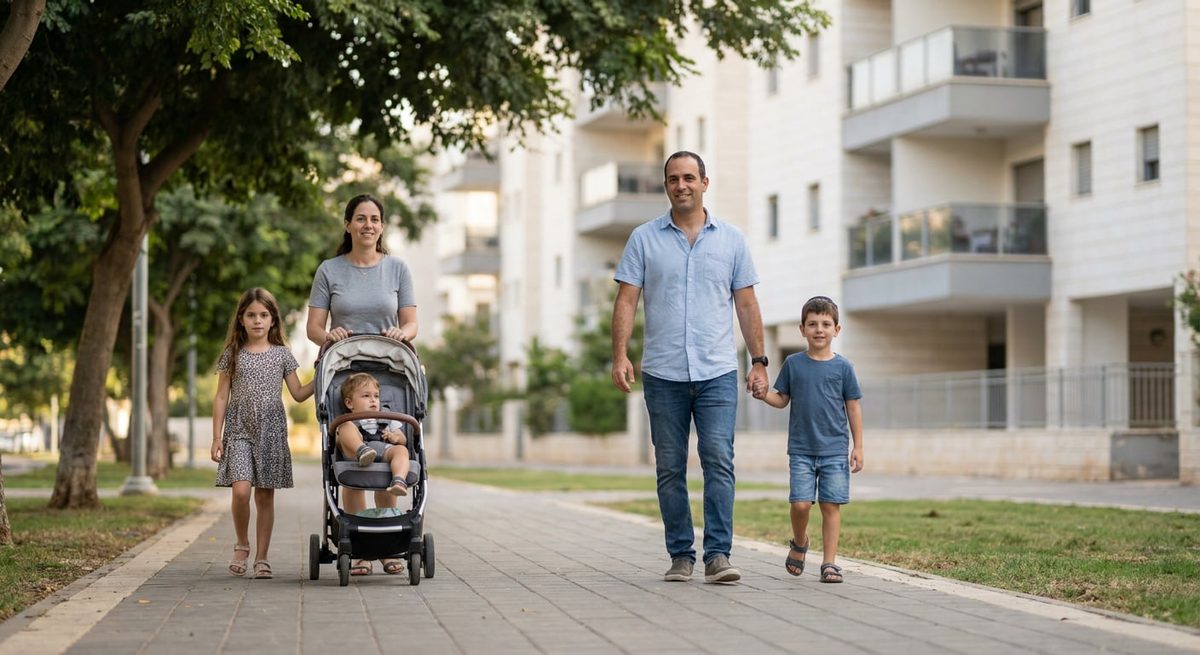
Families benefit from local schools, parks and a community atmosphere; the city’s suburban streets and municipal services are geared toward household life.
Commuters
Commuters who travel to Rehovot, Tel Aviv or Ashdod find the rail stations and highway links practical for daily travel, making Yavne a convenient residential base for regional work.
Young Professionals
Young professionals looking for more space than central urban neighbourhoods can find suburban housing with reasonable commuting options to larger employment centres.
Students
Students have access to primary and secondary schooling locally, and can reach colleges and universities in nearby cities such as Rehovot and the Tel Aviv area for higher education and specialised programmes.
