
Ashdod Area Guide
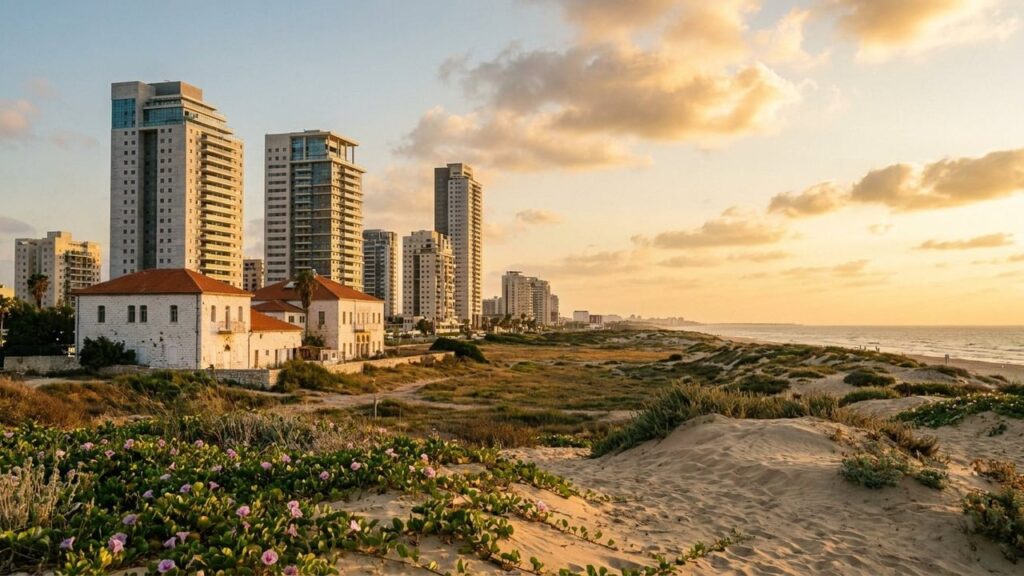

Ashdod is a coastal city in Israel on the Mediterranean shore with a modern foundation dating to the mid-20th century. This guide outlines its history, neighbourhoods, transport links and everyday life to help you decide whether Ashdod could suit your needs.
Ashdod at a Glance
City: Ashdod • Country: Israel • District: Southern • Population: 228562 • Area: 47.242 • Nearest major city: Tel Aviv • Distance: Approximately 32 km • Main transport connection: Highway 4 (coastal road) and the Ashdod Ad Halom Israel Railways station; Port of Ashdod is the city’s major freight gateway. • Known for: Israel’s largest cargo port (Port of Ashdod), Mediterranean beaches and coastal sand‑dune environment, the ancient/archaeological heritage of Ashdod and Ashdod‑Yam, and a diverse immigrant population. • Historic origins: Site of ancient Ashdod with continuous occupation from the Bronze Age; modern city founded in 1956.
Insider's Guide to Israel
and can't-miss places most tourists never find.

Where Is Ashdod?
Ashdod sits on the country’s coastal plain on the Mediterranean, occupying a position between older coastal towns and the central urban belt. It is administratively in the Southern District and functions as a coastal gateway for the region.
Neighbouring cities and towns include Ashkelon to the south-west, Yavne to the east, Rehovot and Rishon LeZion to the north-east and north. The nearest major metropolitan centre is Tel Aviv, about 32 km to the north by straight-line distance and a similar regional hub for jobs and services.
Geographically, Ashdod occupies a low coastal plain with a stretch of Mediterranean beaches and adjacent sand‑dune areas. The Lachish (Nahal Lachish) estuary and associated lowland provide a local river/estuary landscape that contrasts with the shoreline and urban fabric.
History of Ashdod
The place that is now Ashdod has a long recorded past: the ancient tel and the Ashdod‑Yam archaeological area were occupied from the Bronze Age. In the Iron Age the site was one of the principal Philistine cities, part of the Philistine pentapolis, and it continued as an important coastal and trade centre through the Hellenistic, Roman and Byzantine eras.
Later periods of habitation at the site include Early Muslim, Crusader and Mamluk phases, followed by Ottoman-era presence and then British Mandate administration. Archaeological excavations at Tel Ashdod and Ashdod‑Yam display multiple occupational strata reflecting that sequence.
The modern city of Ashdod is much more recent: the contemporary municipality was formally founded in 1956. That modern foundation produced the city layout, neighbourhood divisions and civic infrastructure that define Ashdod today; in other words, the urban settlement residents live in now dates to the mid-20th century while the place itself has ancient roots.
Ashdod Population
As of 2024 the population of Ashdod is 228,562. This figure places Ashdod among the larger municipalities in the Southern District and within the country’s coastal conurbation.
Since its establishment in 1956 the city has expanded from a planned modern settlement into a substantial coastal city with residential, commercial and port infrastructure. Population growth has been driven historically by waves of immigration and by the steady development of housing and services over decades.
What Is It Like to Live in Ashdod?
Daily life in Ashdod blends coastal leisure and practical suburban living. The city offers a relatively relaxed pace compared with denser inner‑city areas, with a mix of residential neighbourhoods, a central business district and open coastal spaces.
Infrastructure and services include a municipal network of primary and secondary schools, local vocational education and community services, plus healthcare facilities to meet basic and specialist needs. Shopping and everyday errands are handled in the city centre and neighbourhood commercial strips.
Transport connections are an important feature of life in Ashdod: the local train station and an intercity bus terminal provide regular links to the region, while Highway 4 connects the city by road. Access to beaches, sand‑dune areas and river estuary spaces offers routine outdoor options for residents.
Overall, Ashdod suits people who want coastal proximity combined with family-oriented neighbourhoods, those who commute to larger employment centres, and residents who value straightforward access to regional transport links and port-related economic activity.
Areas and Neighbourhoods in Ashdod
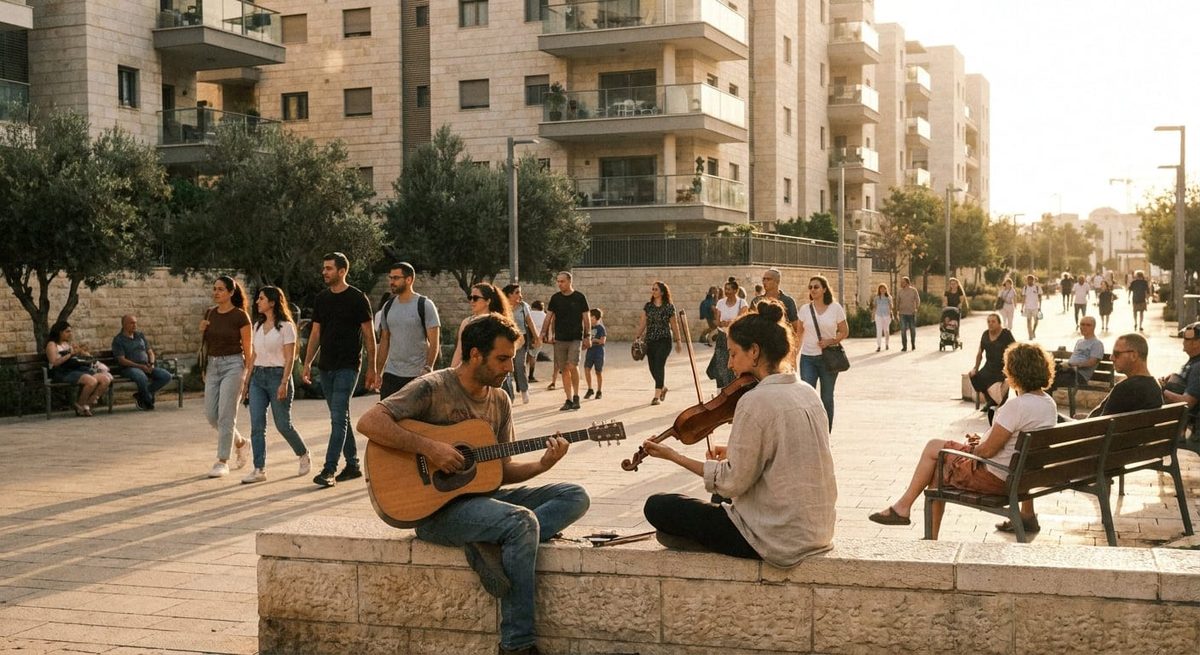
Ashdod is organised into several ‘rova’ districts (Rova A–E) plus a central business district. Each area has its own character and housing options, with public transport and municipal services connecting the neighbourhoods to the city centre and the train station.
Rova A (Rova Alef / Old City)
Location and character: Rova A is often referred to as the old city and contains some of the earliest residential development of the modern municipality.
Housing: a mix of established apartment blocks and local amenities suited to long‑term residents.
Transport: well connected to the central business district and municipal bus routes.
Who it suits: households seeking established neighbourhood services and a central residential location.
Rova B (Rova Bet)
Location and character: Rova B is one of the sequentially developed residential districts that expanded the city after its founding.
Housing: primarily apartment-based residential streets with local green spaces.
Transport: served by city buses and linked to the central terminal.
Who it suits: families and commuters looking for accessible neighbourhoods with routine services.
Rova C (Rova Gimel)
Location and character: another established residential sector within the planned grid of rova divisions.
Housing: a mix of mid-rise housing and community facilities.
Transport: municipal buses provide straightforward access to the city centre and train station.
Who it suits: residents wanting a conventional suburban setting close to urban amenities.
Rova D (Rova Dalet)
Location and character: part of later residential growth, offering standard urban services.
Housing: typical of Ashdod’s residential development with apartment and family housing options.
Transport: connected to the city bus network and arterial roads.
Who it suits: those seeking functional housing near schools and local shops.
Rova E (Rova Heh)
Location and character: one of the more recent rova areas to form the city’s residential ring.
Housing: contemporary apartment developments and neighbourhood facilities.
Transport: linked into the municipal bus system and within reach of the central area.
Who it suits: newer residents and families looking for modern housing layouts.
City Centre / Maar (central business district)
Location and character: the commercial heart of Ashdod with shops, offices and cultural venues.
Housing: fewer residential blocks than the rova districts but with apartment options nearby.
Insider's Guide to Israel
and can't-miss places most tourists never find.
Transport: proximity to the bus terminal and main roads makes it the local hub for movement across the city.
Who it suits: people who want short walks to shops, restaurants and civic services.
Education in Ashdod
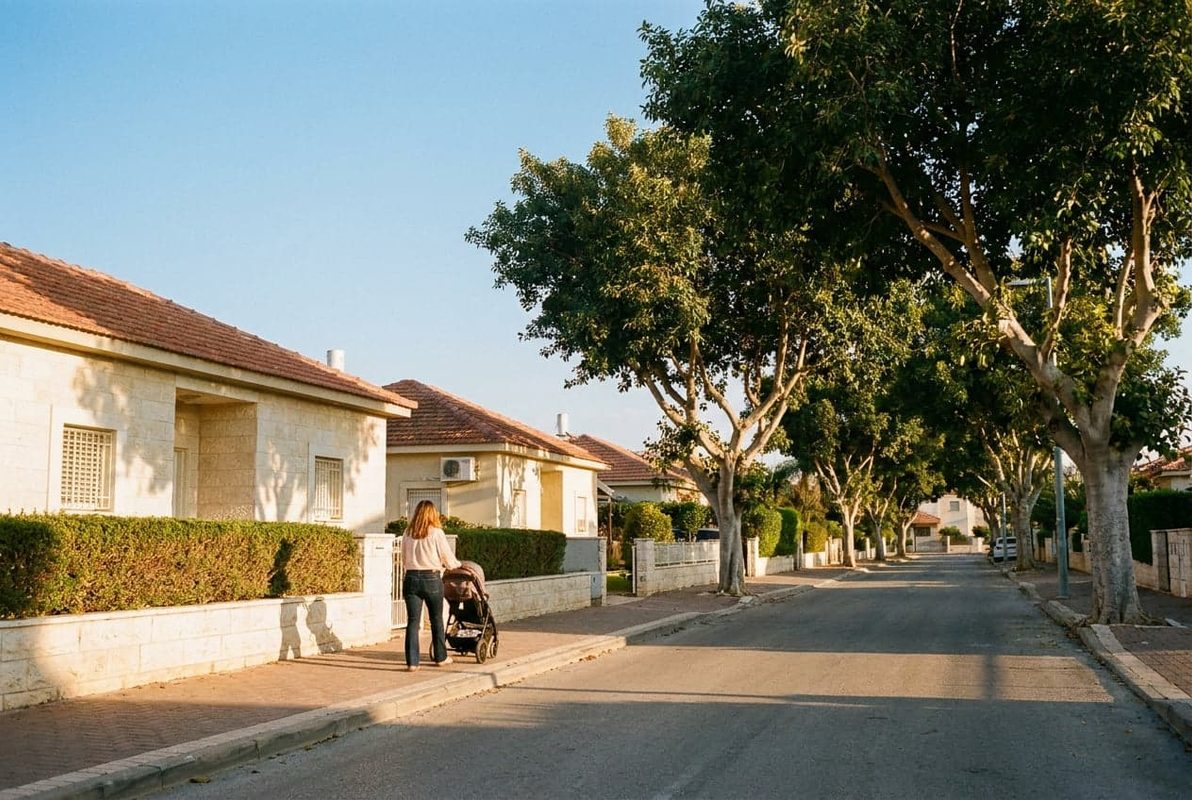
The city maintains a municipal network of primary and secondary schools as well as vocational education options for residents. Local programs support technical and career-oriented learning.
Higher-education presence includes campuses and local academic/vocational programs such as the Sami Shamoon College of Engineering – Ashdod campus. There is no large university campus in the city proper, so students seeking broader university study commonly travel to larger campuses in nearby cities.
Transport and Connectivity
Ashdod is connected by road and rail to the wider metropolitan area. The main road connection north is via Highway 4 (the coastal road), and the city’s principal rail facility is Ashdod Ad Halom railway station.
Train service: Israel Railways runs regular passenger services on the Binyamina–Tel Aviv–Ashkelon line. Trains from Ashdod Ad Halom to Tel Aviv (HaHagana/Savidor) run frequently, about every ~30 minutes, with typical journey times of approximately 35–45 minutes.
Road distances and driving times: the straight-line distance to Tel Aviv is about 32 km; by road the drive to Tel Aviv is typically in the order of 45–46 km with typical driving times around 40–50 minutes depending on traffic. Ben Gurion Airport lies roughly 39.1 km away.
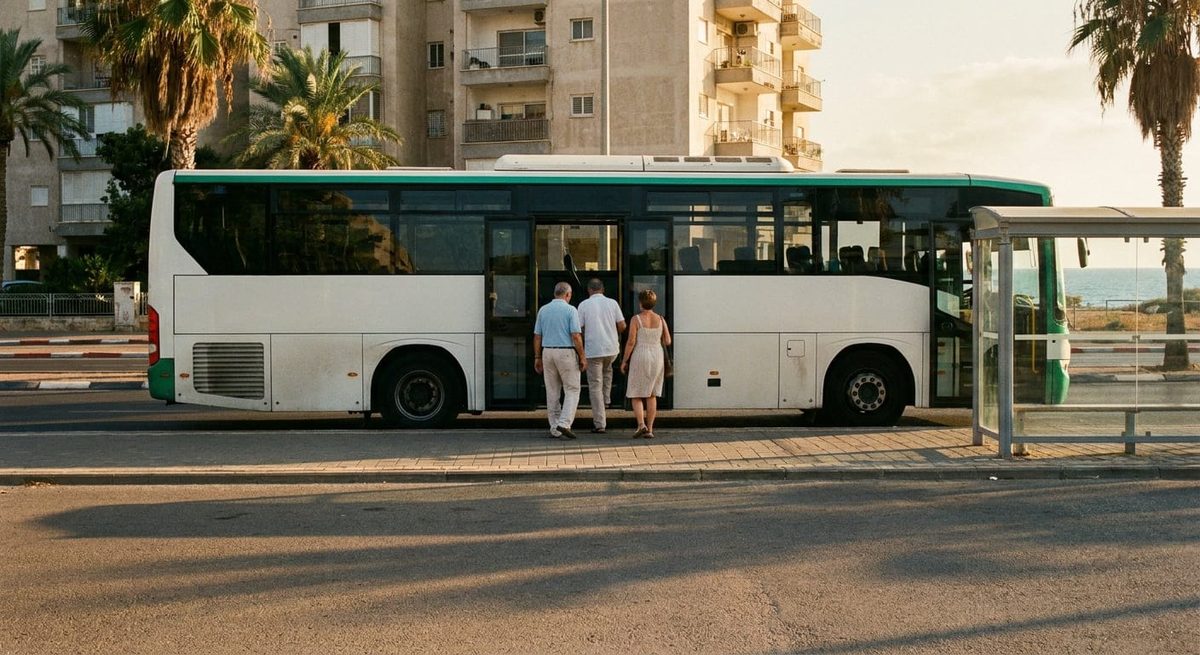
Buses and local movement: Ashdod has a central bus terminal with local and intercity services operated by municipal and national bus companies; the municipal bus network links neighbourhoods with the train station and city centre. While day-to-day movement inside the city is possible without a car using buses, many residents use a private vehicle for regional commuting and errands.
Nature and Outdoor Spaces
Ashdod’s coastline provides public Mediterranean beaches and a shoreline suited to swimming, walking and water-based leisure. The city’s waterfront and marina areas are focal points for outdoor recreation.
Sand‑dune areas adjacent to the coast are part of the local natural environment and are subjects of protection and planning efforts to conserve dune ecology. The Lachish (Nahal Lachish) river and estuary landscape add a freshwater and estuarine dimension to nearby green space.
These outdoor resources make coastal walks, beach days and short nature excursions regular options for residents seeking open-air activities close to home.
Amenities and Things to Do in Ashdod
Key civic and cultural amenities include the Port of Ashdod, the Museum of Philistine Culture (Corinne Mamane Museum), the Ashdod‑Yam archaeological site (Horbat Ashdod‑Yam), Sails Square and the city waterfront and marina. The Ashdod Performing Arts Center is the principal venue for staged events and performances.
Shopping and daily services are concentrated in the city centre and neighbourhood commercial strips; residents also use the central bus terminal and its surroundings for intercity connections. Healthcare facilities are available within the city to cover routine and specialist needs.
Recreation ranges from beach and marina activities to local sports facilities and community cultural programming. The port and waterfront give the city a mix of industrial, leisure and cultural uses that shape available pastimes.
Cities and Towns Near Ashdod
Ashdod sits within a network of nearby coastal and inland towns that provide additional services, employment and regional links. These adjacent municipalities are routinely used by residents for shopping, work and leisure beyond what Ashdod itself provides.
Nearby cities and towns: Ashkelon — 20 km, approx. 20 min; Yavne — 16 km, approx. 18 min; Rehovot — 19 km, approx. 25 min; Rishon LeZion — 26 km, approx. 30 min; Tel Aviv — 32 km, approx. 40 min.
Advantages of Living in Ashdod
Coastal access: regular beaches and waterfront areas make outdoor and family activities easy to reach.
Strong transport links: a major road artery and a rail station provide consistent connections to the central region and Tel Aviv.
Port economy: the Port of Ashdod supports local employment and commercial activity tied to freight and logistics.
Family-oriented neighbourhoods: the city’s rova divisions and municipal services cater to households with schools and community programmes.
Cultural and archaeological interest: museums and archaeological sites reflect the long history of the place and offer educational options.
Things to Consider Before Moving to Ashdod
Some services and specialized facilities may require travel to nearby regional centres; residents sometimes rely on neighbouring cities for particular commercial, medical or academic needs.
Property availability can vary and potential buyers or renters should be prepared for market fluctuations and the need to define priorities when searching.
As a port city, parts of the economy and infrastructure are oriented around freight and industrial activity; depending on the neighbourhood this can influence local traffic patterns and land use.
Who Is Ashdod Best For?
Families
Families benefit from spacious residential neighbourhoods, municipal schools and easy access to beaches and parks for children’s activities.
Commuters
Commuters who travel to Tel Aviv and the central region can use the regular rail service and Highway 4 to reach employment centres within typical daily commuting distances.
Young Professionals
Young professionals who value a balance between coastal living and regional accessibility will find practical transport links and local amenities to support work–life balance.
Students
Students can access local vocational and higher‑education programmes such as the Sami Shamoon College of Engineering campus, while larger university campuses are reachable in nearby cities for full degree study.
Retirees
Retirees can enjoy a relaxed coastal environment, community services and healthcare facilities suitable for day‑to‑day living close to the sea.
