
Ashkelon Area Guide
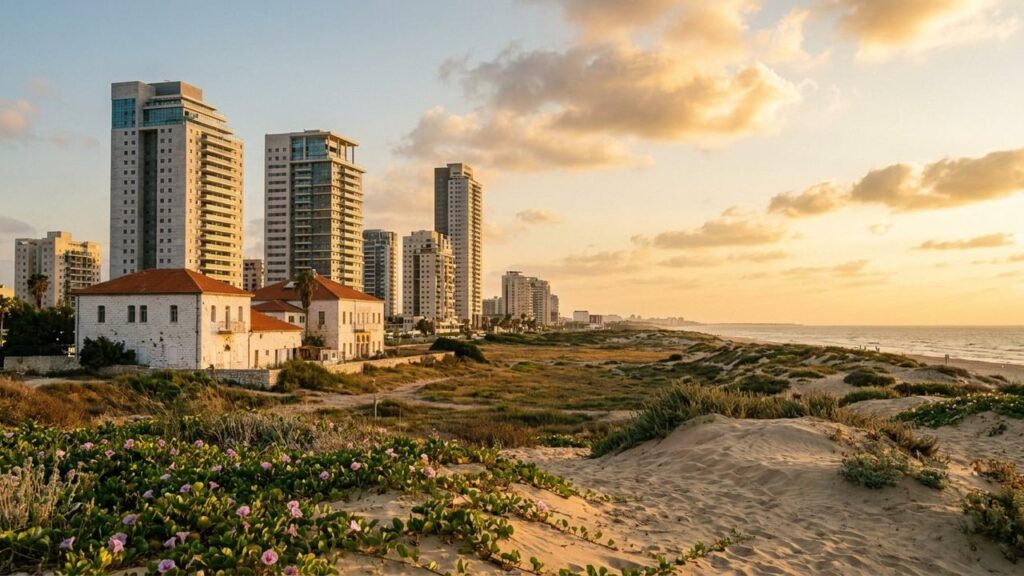

Ashkelon is a coastal city on Israel’s Mediterranean shore. It has a long archaeological past and a modern urban-suburban mix. This guide covers location, history, population, neighbourhoods, services and everyday life here.
Ashkelon at a Glance
City: Ashkelon • Country: Israel • District: Southern • Population: 175852 • Area: Approximately 47.8 km² (reported by municipal sources) • Nearest major city: Ashdod • Distance: 17 km • Main transport connection: Israel Railways (coastal line) and Highway 4 / regional road network • Known for: Ashkelon National Park (ancient Ascalon), Mediterranean beaches and marina, academic college, coastal environment and nearby industrial/energy facilities • Historic origins: According to archaeological studies, the archaeological site of ancient Ascalon lies on the coastal edge adjacent to the modern municipality and contains long occupation layers spanning prehistoric times through Canaanite, Philistine, classical, early Islamic and Crusader periods. The modern municipality developed in the 20th century (modern settlement from 1949; name adopted 1953).
Insider's Guide to Israel
and can't-miss places most tourists never find.

Where Is Ashkelon?
Ashkelon sits on Israel’s southern Mediterranean coast in the Southern District. The city is about 17 kilometres south-west of Ashdod and roughly 50 kilometres south of Tel Aviv-Yafo by road.
The town occupies a coastal plain with sandy shorelines and nearby dune systems. Neighbouring places include Ashdod to the north, Sderot and Netivot inland, and Be’er Sheva further to the south-east. The wider area mixes built-up zones with open coastal and agricultural land.
History of Ashkelon
The ancient city of Ascalon is located on the coastal edge next to today’s municipality. According to archaeological studies, the site contains long occupation layers spanning prehistoric periods through Canaanite, Philistine and classical eras.
Across antiquity the site remained important under Persian, Hellenistic, Roman and Byzantine rule. It continued as a regional centre in early Islamic and Crusader periods and underwent major decline by the later medieval period, according to archaeological studies. The ruins and finds are displayed at Ashkelon National Park.
The modern settlement grew in the mid-20th century. The contemporary town was established in 1949 and the municipal name Ashkelon was adopted in the early 1950s. The modern city sits beside the ancient remains rather than entirely on top of them.
Ashkelon Population
The city population is recorded as 175,852 according to recent municipal estimates. Current trends show continued growth in the city and the wider Southern District, influenced by natural increase and regional migration.
Within the Southern District, Ashkelon is among the larger coastal cities and supports a broad range of municipal services. Nearby Ashdod supplies additional regional facilities.
What Is It Like to Live in Ashkelon?
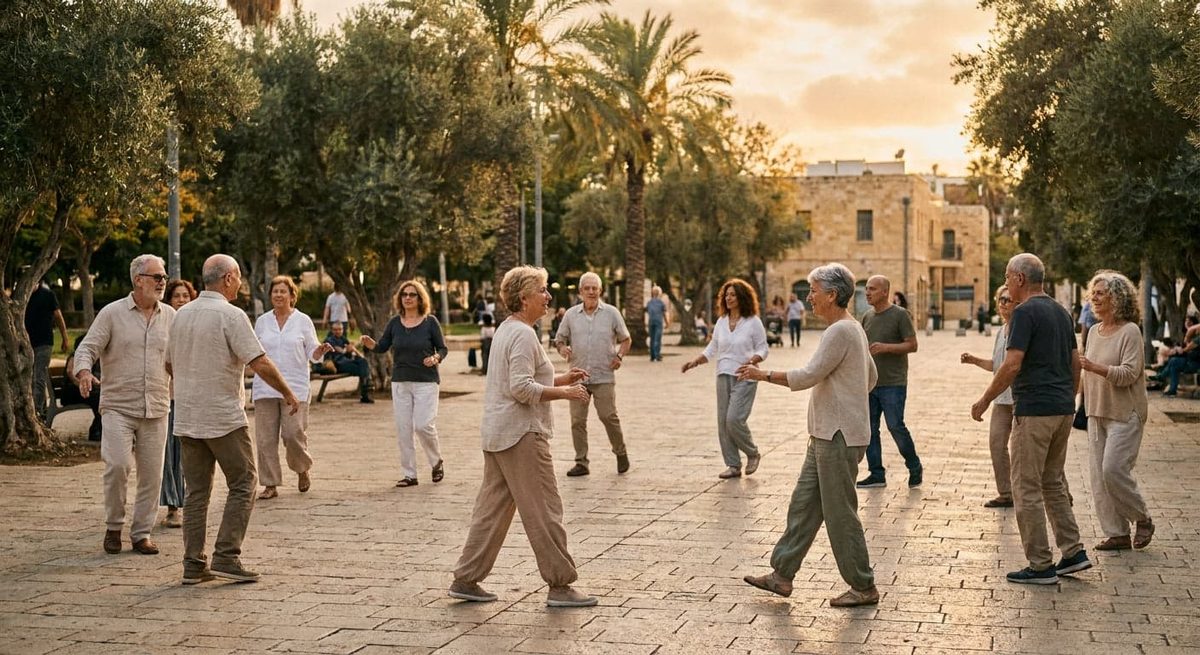
Daily life mixes urban and suburban features. The pace is generally more relaxed than in larger metropolitan centres, with beaches and parks used regularly by residents.
Local infrastructure includes municipal schools, vocational training, healthcare services and Ashkelon Academic College. Public transport runs by train and bus, and roads link the city to Ashdod, Tel Aviv and Be’er Sheva.
The city suits people who want coastal living with links to larger regional centres. Families often value community neighbourhoods and outdoor space. Some remote workers and buyers also consider the city for longer-term potential.
Areas and Neighbourhoods in Ashkelon
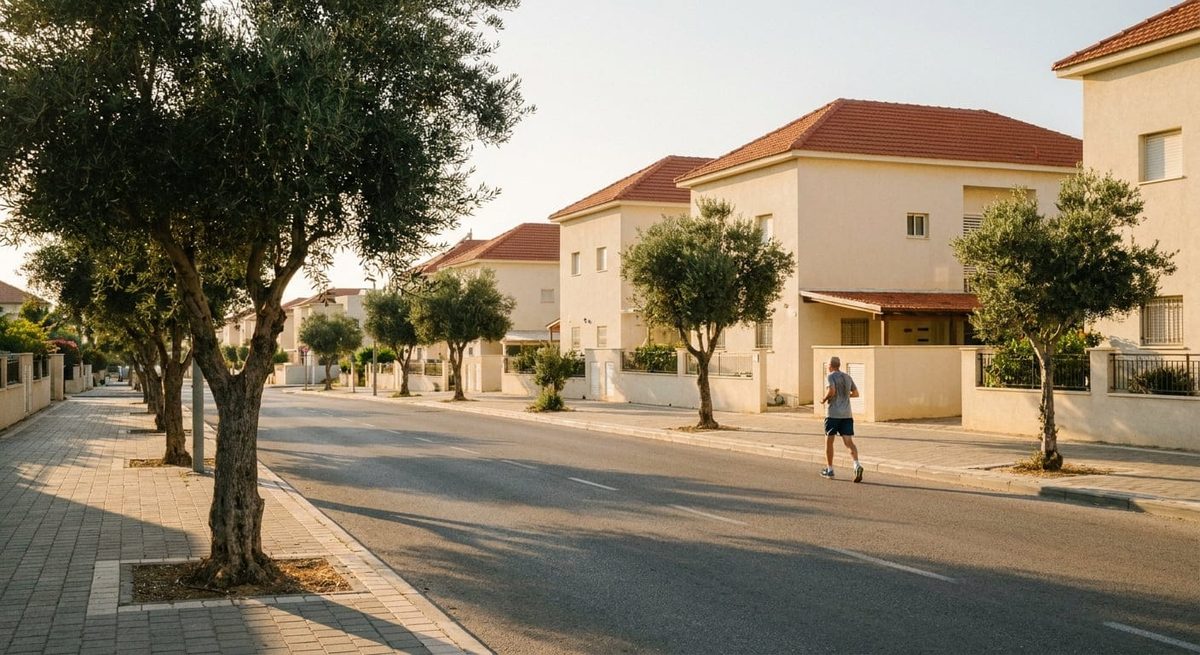
Ashkelon has a mix of neighbourhoods that reflect modern growth and older parts of town. Housing ranges from denser central districts to quieter suburban areas with family homes and newer developments. Transport and services cluster near main roads and the railway station, while other parts are quieter and closer to the shore.
Afridar
Afridar is a mainly residential neighbourhood with a mix of housing types. It has local shops and is served by municipal bus routes, making everyday errands and school runs straightforward.
Migdal (Al-Majdal)
Migdal, sometimes referred to by its historic name Al-Majdal, includes older streets and community facilities. Housing here tends to be established and services are within short distances for residents.
Barnea
Barnea is a residential area with access to schools and shops. Good road links and bus services mean commuting is practical for those working elsewhere in the region.
Neot Ashkelon
Neot Ashkelon is a quieter residential sector with easy access to public amenities and open spaces. It appeals to buyers and renters looking for calm streets near the city’s core services.
Ramat Eshkol
Ramat Eshkol offers family housing and local infrastructure such as small shops and schools. Bus routes and nearby arterial roads provide connections within the city and to neighbouring centres.
Shikun Avoda
Shikun Avoda contains established housing and community facilities. It is a long-standing part of the city’s residential fabric and is served by local transport links.
Shamshon (Samson)
Shamshon features practical housing choices and nearby basic services. The area suits families and residents who prefer neighbourhood-scale amenities.
City (HaIr)
The City, or HaIr, is the central zone with municipal services, main shopping streets and administrative buildings. It has denser housing and the best public transport links for those who want to be near civic life.
Education in Ashkelon
Education follows the typical Israeli system: municipal kindergartens, primary schools and secondary schools. Vocational training centres serve local workforce needs.
Ashkelon Academic College offers undergraduate and professional courses and acts as a local higher-education hub. For a wider university offer, students travel to larger institutions in nearby cities such as Ashdod and Tel Aviv, reachable by rail and road.
Transport and Connectivity
Ashkelon is served by Israel Railways on the coastal line. Ashkelon railway station has services north toward Tel Aviv; direct journeys can take roughly 45 minutes on suitable services.
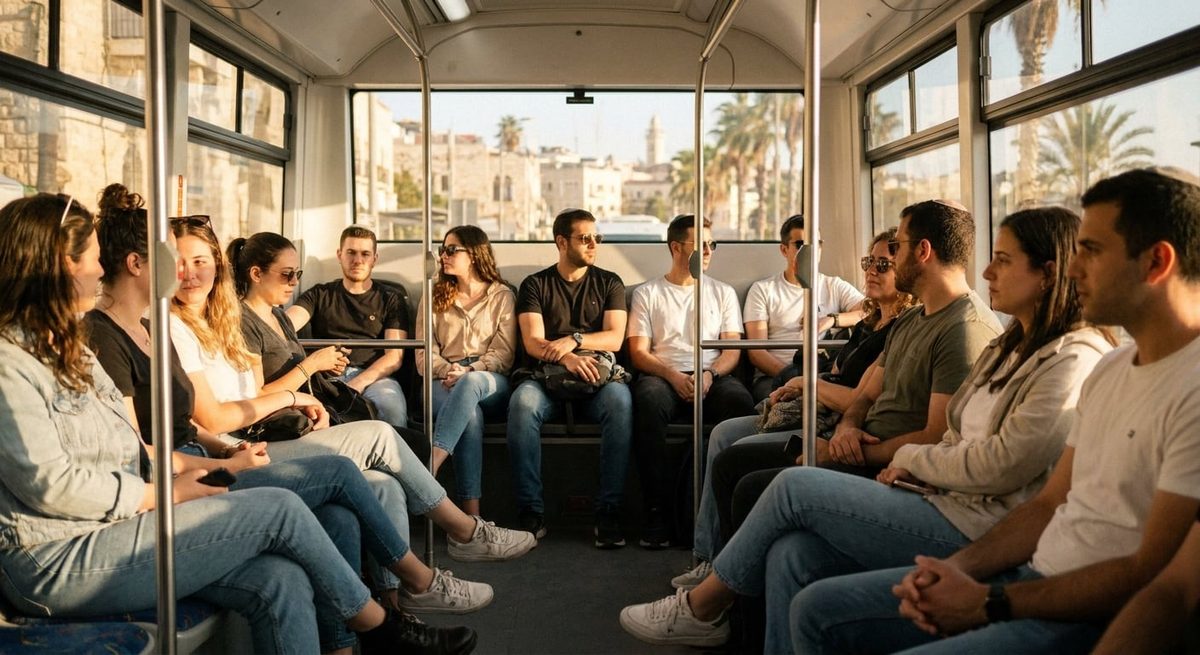
Intercity and local buses connect Ashkelon with Ashdod, Tel Aviv and Be’er Sheva. By road, Highway 4 and other routes link the city to the coastal corridor. The drive to Tel Aviv is about 50 km and typically takes 45-60 minutes depending on traffic.
Ben Gurion Airport lies at a driving distance commonly quoted around 47 km. Rail and regular bus services make many commutes feasible without a private car, though some journeys and local travel remain easier by car.
Insider's Guide to Israel
and can't-miss places most tourists never find.
Nature and Outdoor Spaces
The coastal setting gives Ashkelon sandy beaches, promenades and dune systems close to the urban area. Nearby coastal reserves protect shoreline habitats.
Ashkelon National Park brings together open green space and archaeological remains. Beach parks and the marina are local spots for walking, cycling and water activities.

Amenities and Things to Do in Ashkelon
Key sites include Ashkelon National Park, the beach park and the Ashkelon Marina. These serve both leisure and educational visits and are important public spaces.
Everyday shopping is available across the city, with further options in nearby Ashdod. Local healthcare is provided in the city, and larger hospitals and specialist services can be reached in regional centres. Cultural life includes events linked to the college, sports facilities and municipal community programmes.

Cities and Towns Near Ashkelon
Ashkelon sits on a connected coastal plain with several towns and cities within short driving distance. Nearby centres provide complementary services, jobs and transport options for residents.
Nearby cities and towns: Ashdod — 17 km; Sderot — 16 km; Netivot — 18 km; Be’er Sheva — 51 km; Tel Aviv-Yafo — 50 km, approx. 45 min.
Advantages of Living in Ashkelon
Coastal location and beaches – easy access to the Mediterranean shoreline supports outdoor recreation and a seaside lifestyle.
Rail and road connections – Israel Railways serves Ashkelon and regional roads link the city to Ashdod, Tel Aviv and Be’er Sheva, making commuting and travel practical.
Range of housing and community feel – the city offers mixed housing and a community-oriented atmosphere suitable for families and longer-term residents.
Local higher education – Ashkelon Academic College provides local study options and supports cultural and professional activity.
Access to nature and heritage – coastal reserves, dunes and Ashkelon National Park combine natural and archaeological attractions near the city.
Things to Consider Before Moving to Ashkelon
Public transport services vary by neighbourhood. While rail and buses serve many routes, some journeys may require a car or transfers.
Distance from major urban centres – Tel Aviv is approximately 50 km away by road; for specialist services or certain job markets, residents may travel to larger cities.
Local nightlife and some specialist facilities are smaller than in major metropolitan areas; residents sometimes use nearby Ashdod for shopping, cultural events and healthcare options.
Utility and living costs can affect household budgets; prospective movers should consult current cost information and consider commute times to work.
Who Is Ashkelon Best For?
Families
Families often appreciate Ashkelon’s community feel, parks and schools, and residential areas suitable for raising children.
Commuters
Commuters benefit from the rail station and regional roads; travel times to major employment centres are reasonable by local standards.
Young Professionals
Young professionals seeking affordable coastal living and manageable commutes to larger cities may find Ashkelon attractive, especially for jobs in Ashdod or along the coastal corridor.
Students
Students can study locally at Ashkelon Academic College and commute to larger universities as needed, making the city a practical study base.
Retirees
Retirees may value the relaxed pace, seaside access and local healthcare; open spaces and community services support a quieter lifestyle.
