
Sderot Area Guide
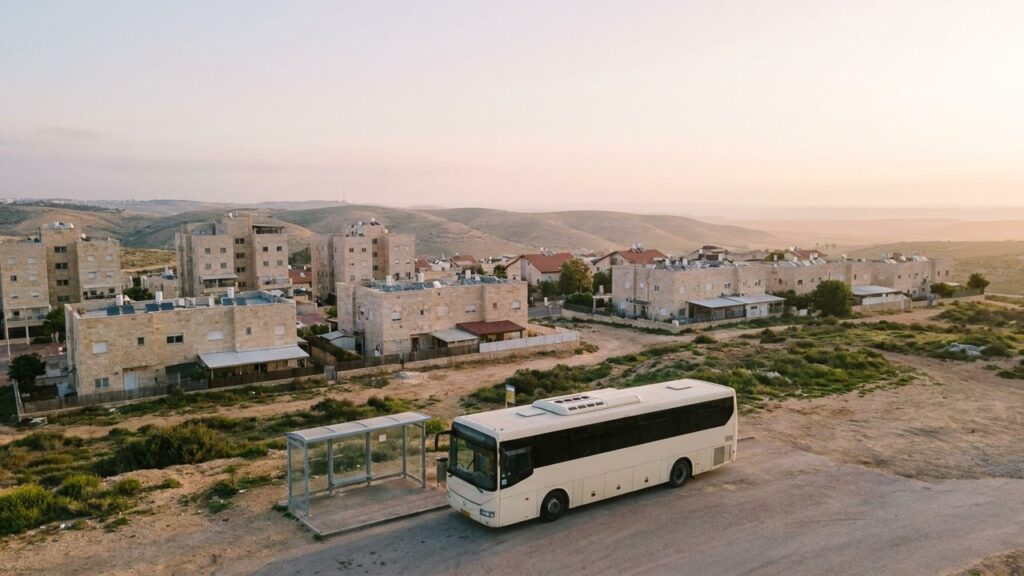

Sderot is a small city in southern Israel with a distinctive history and a community-oriented daily life. This guide outlines its geography, history, services and what to expect living there.
Sderot at a Glance
City: Sderot • Country: Israel • District: Southern • Population: 33002 • Area: 4.472 km² • Nearest major city: Ashkelon • Distance: 15 km • Main transport connection: Highway 34 and the Ashkelon–Be’er Sheva railway (Sderot railway station) • Known for: Proximity to the Gaza Strip and a history of security incidents; Sapir Academic College; a local music and cinema scene; urban-forest and boulevard projects and active community life. • Historic origins: Before 1948 the area was the site of the Palestinian village Najd. The modern town was founded in 1951 as a ma’abara/transit camp and developed into a city in the late 20th century. There is no major well-known ancient tell within the modern built-up area.
Insider's Guide to Israel
and can't-miss places most tourists never find.

Where Is Sderot?
Sderot sits in the northwestern Negev within Israel’s Southern District. It occupies a compact area in a semi-arid plain and lies near the Gaza Strip at its closest point.
The city is about 15 km from Ashkelon, which serves as the nearest regional urban hub. Other nearby towns include Netivot, Kiryat Gat, Ashdod and Be’er Sheva. These places are reachable by regional roads and public transport.
Sderot stands on relatively flat terrain typical of the northwestern Negev. Municipal planning has emphasized boulevards, tree planting and green corridors to make the streets more pleasant.
History of Sderot
The area where Sderot now stands was the site of the Palestinian village Najd before 1948. There is no major well-known ancient archaeological tell within the modern built-up area of Sderot itself.
The modern settlement of Sderot was founded in 1951 as a ma’abara or transit camp to receive new immigrants. Permanent housing replaced temporary shelters in the early 1950s, and the settlement grew into a development town during the mid-20th century.
Sderot expanded further in the late 20th century with waves of immigration and was granted city status after continued growth. In recent years the city’s location has influenced infrastructure and community planning.
Sderot Population
As of 2022 Sderot’s population was 33,002, according to Israel’s Central Bureau of Statistics. This follows steady growth in earlier years.
By population and area Sderot is a relatively small city within the Southern District. The community is predominantly Jewish, with a mix of secular and religious households and a range of ages from young families to older residents.
What Is It Like to Live in Sderot?
Daily life in Sderot tends to be quieter and lower density than in larger regional centres. Residential streets and community facilities sit alongside a central commercial zone.
The city provides basic healthcare, schools and local public transport. For some specialised services residents commonly travel to nearby Ashkelon or other larger towns.
Sapir Academic College adds cultural and educational activity to the city.
Highway 34 and the Ashkelon–Be’er Sheva rail line connect Sderot to regional centres. Access to outdoor spaces and municipal greening projects offers regular opportunities for short walks and light exercise.
Areas and Neighbourhoods in Sderot
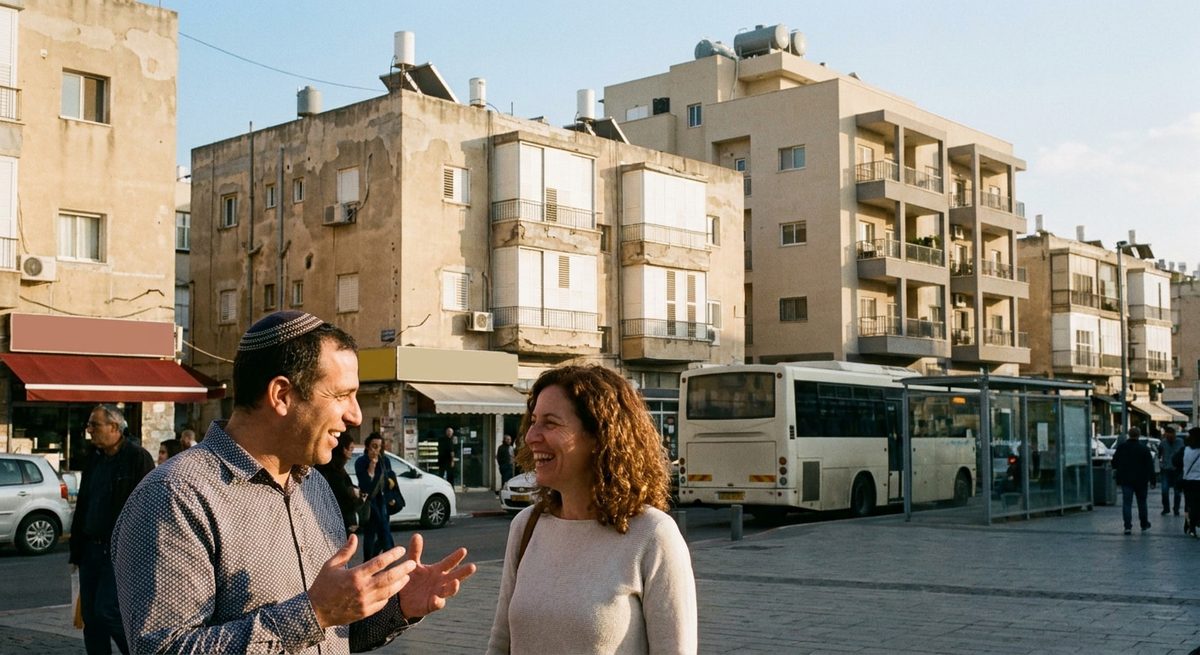
Sderot comprises several named neighbourhoods and residential sectors. Most are family-oriented and are served by local bus routes and city streets. Below are short notes on commonly referenced neighbourhood names.
Ne’ot Aviv (Nir’am)
Ne’ot Aviv, also known locally as Nir’am, is a mainly residential sector. It is linked to the city by local streets and bus lines and suits families seeking nearby amenities.
Ne’ot HaMeyasdim
Ne’ot HaMeyasdim is an established residential area with basic local services. Bus stops and roads provide access to schools and shops.
Ne’ot Hadekel
Ne’ot Hadekel is a residential neighbourhood oriented towards family life. It is convenient for those who want to be near local schools and community facilities.
Ben-Gurion (Kasdor)
The Ben-Gurion (Kasdor) area is a named district with good access to the city’s commercial areas. It is suitable for residents who prefer a quieter location near city amenities.
Ne’ot Yitzhak Rabin (M3)
Ne’ot Yitzhak Rabin, sometimes referenced by the local code M3, is a practical residential neighbourhood. It offers regular bus connections and nearby services.
Neot Hashkama
Neot Hashkama contributes to Sderot’s housing stock and benefits from municipal services. It appeals to those who value a quieter residential setting.
HaMuzika (Music neighbourhood)
HaMuzika, or the ‘Music neighbourhood’, is known for local cultural associations. It is attractive to residents involved with the arts or who enjoy proximity to cultural venues.
HaAhuza (The Ahuza)
HaAhuza is a residential area with typical transport and shopping access for the city. It suits households looking for practical, community-focused neighbourhoods.
Education in Sderot
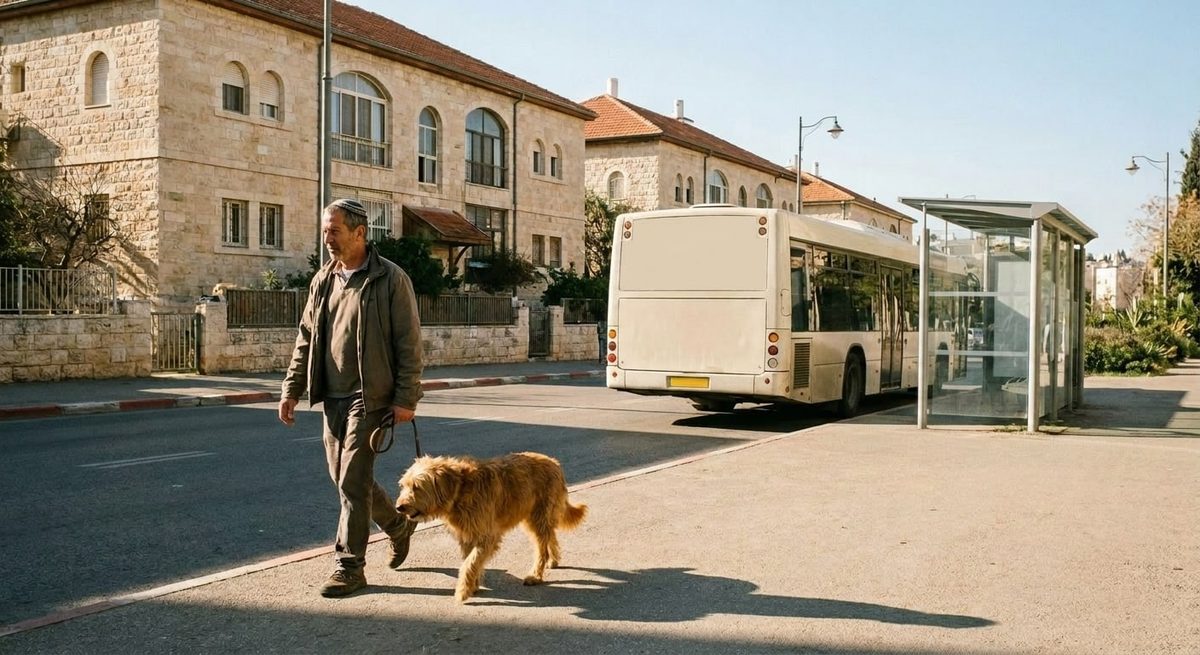
Sderot provides municipal primary and secondary schools and local vocational training programs. The school network supports families with children at different stages.
Sapir Academic College maintains a Sderot campus and brings tertiary-level courses and cultural programming to the city. For full university programmes students often travel to larger institutions in regional centres.
Transport and Connectivity
Sderot’s main transport links are Highway 34 and the Ashkelon–Be’er Sheva railway. The Sderot railway station is an operational stop on that line and offers Israel Railways services to Tel Aviv, with typical journey times of about 66 to 77 minutes to Tel Aviv stations.
By road the distance to Tel Aviv is approximately 75 km with a typical driving time of about 60 to 75 minutes depending on route and traffic. Ben Gurion Airport is around 72 km away.
Insider's Guide to Israel
and can't-miss places most tourists never find.
Intercity and regional bus services (operators include Metropoline and Dan BaDarom) serve Sderot, with main local stops near the commercial centre. Local urban bus lines connect neighbourhoods to the station and city centre.
Many daily errands can be managed without a car. For regular commuting to larger employment centres or frequent coastal travel, a car or rail is often more convenient.

Nature and Outdoor Spaces
Sderot sits in a semi-arid landscape of the northwestern Negev. The city has invested in tree planting, boulevards and small parks to create shaded routes within the built-up area.
Open spaces around the city offer access to desert-flora landscapes and short excursions into nearby natural areas. These settings support walking, cycling and outdoor relaxation.
Amenities and Things to Do in Sderot
Cultural life in Sderot includes activities from Sapir Academic College and the Sderot Cinematheque (Cinema South). The local music scene contributes to community events.
Daily shopping and services are concentrated around the commercial centre, with retail, cafes and restaurants serving local needs. Healthcare facilities and municipal services are available in the city; for specialised medical care residents commonly travel to larger hospitals in the region.
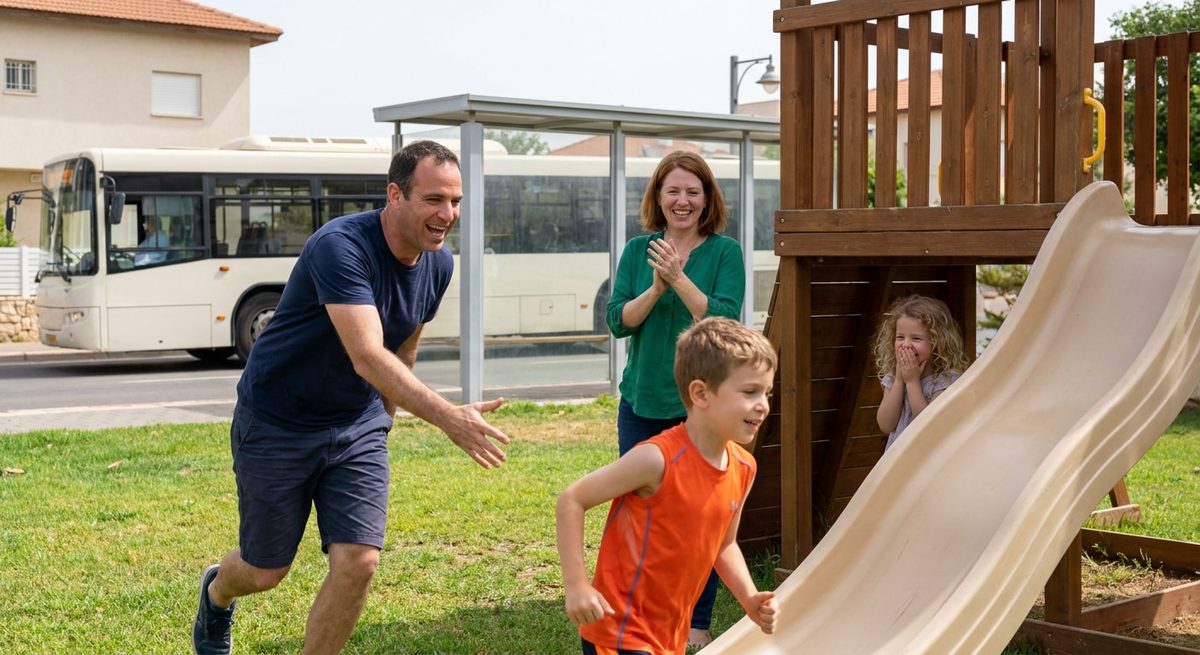
Recreation is supported by community sports facilities, public parks and the urban boulevards. Local memorials and civic sites record events of local significance and aspects of civic life.
Cities and Towns Near Sderot
Sderot is part of a regional cluster of towns and small cities in the northwestern Negev and coastal plain. Nearby urban centres provide additional employment, shopping and specialised services within short travel times.
Nearby cities and towns: Ashkelon — 15 km, approx. 19 min; Netivot — 11 km, approx. 15 min; Kiryat Gat — 18 km, approx. 25 min; Ashdod — 30 km, approx. 21 min; Be’er Sheva — 35 km, approx. 45 min.
Advantages of Living in Sderot
Practical location relative to regional hubs: Proximity to Ashkelon and reasonable rail links to Tel Aviv make regional travel feasible.
Community and family orientation: The city offers a close-knit, family-friendly environment with municipal schools and local services.
Lower-density living and space: Compared with larger coastal cities, Sderot provides more space and quieter residential streets.
Educational presence: Sapir Academic College brings tertiary education and cultural programming to the city.
Things to Consider Before Moving to Sderot
Security and location: Sderot’s location near the Gaza border means some residents consider local security when deciding to move. This history influences infrastructure and community planning.
Limited specialised services locally: For certain medical, cultural and high-level retail needs residents may need to travel to Ashkelon or other larger cities.
Commuting time: Travel to major employment centres on the coast can be lengthy despite direct rail services; personal commuting preferences will affect suitability.
Who Is Sderot Best For?
Families
Families who value community-oriented neighbourhoods, municipal schooling and more spacious residential layouts will find Sderot practical and affordable compared with many coastal cities.
Commuters
Commuters with daily travel to Ashkelon or those who can plan regular rail trips to Tel Aviv may find Sderot workable. Those needing very short commute times to central business districts may find it less convenient.
Young Professionals
Young professionals who prioritise lower housing costs and community life, and who either work regionally or remotely, can make Sderot a sensible base.
Students
Students attending Sapir Academic College or pursuing regional higher-education options will benefit from the local campus presence and cultural offerings.
Retirees
Retirees seeking quieter daily life, local services and community activities can find Sderot suitable, though access to some specialised healthcare may require trips to larger cities.
