
Meitar Area Guide
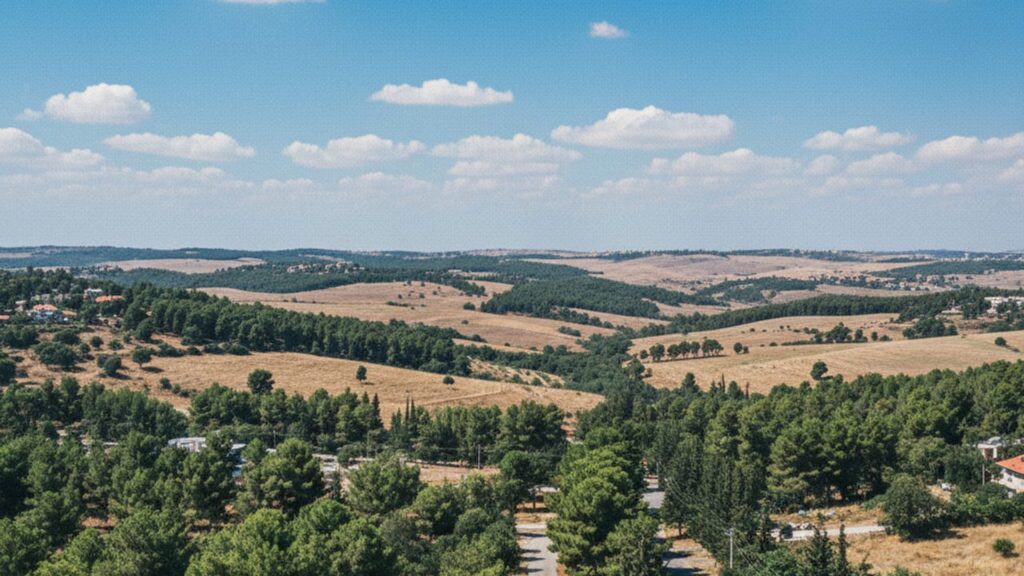

Meitar is a town in Israel’s Southern District, known for its community-oriented lifestyle and proximity to a regional hub. This guide explains what life is like in Meitar, Israel, and covers history, transport, schools and local amenities.
Meitar at a Glance
City: Meitar • Country: Israel • District: Southern • Population: 11608 • Area: 16.696 km² • Nearest major city: Beersheba • Distance: 19 km • Main transport connection: Highway 60 • Known for: Affluent suburban town, proximity to Yatir/Meitar Forest, nearby archaeological site Horvat Tzalit, hosting regional tennis events • Historic origins: Area contains archaeological remains (Horvat Tzalit) dated to the Roman period and uses/hideout systems from the time of the Bar Kokhba revolt; modern town founded 1984
Insider's Guide to Israel
and can't-miss places most tourists never find.

Where Is Meitar?
Meitar is located in the southern part of Israel’s Southern District, positioned within the wider landscape north of Beersheba and near planted woodlands and open country.
Neighbors include nearby towns and communities that form part of the regional network around the central hub to the south. Meitar is approximately 19 kilometres north of the city of Beersheba, which is the nearest major urban centre and the primary point for many regional services and connections.
Geographically Meitar lies close to forested zones and hiking terrain; the locality acts as a suburban outpost at the edge of more rural and semi-arid landscapes, with a mix of built neighbourhoods and nearby natural open spaces.
History of Meitar
The modern town of Meitar was established in 1984 and developed through the late 20th century into the local council it is today. Its foundation and growth followed municipal planning and residential expansion, and the town has expanded with additional housing phases since its founding.
The site area has earlier layers of human activity. About 1.5 kilometres southeast of the town is the archaeological site Horvat Tzalit, where remains dated to the Roman period have been recorded. Surveys and excavations have also documented hideouts and related uses dated to the era of the Bar Kokhba revolt in the second century CE.
In short, the organised community of Meitar is relatively young, while the surrounding landscape shows evidence of habitation and strategic use going back to Roman and late Second Temple period events.
Meitar Population
Official population figures are published by the Israeli Central Bureau of Statistics (CBS); consult CBS for the most recent official count. The town occupies approximately 24.2 square kilometres according to CBS published area figures.
Since its establishment in the 1980s the locality has grown through residential development and additional housing phases rather than representing a long-standing historical core of uninterrupted habitation.
What Is It Like to Live in Meitar?
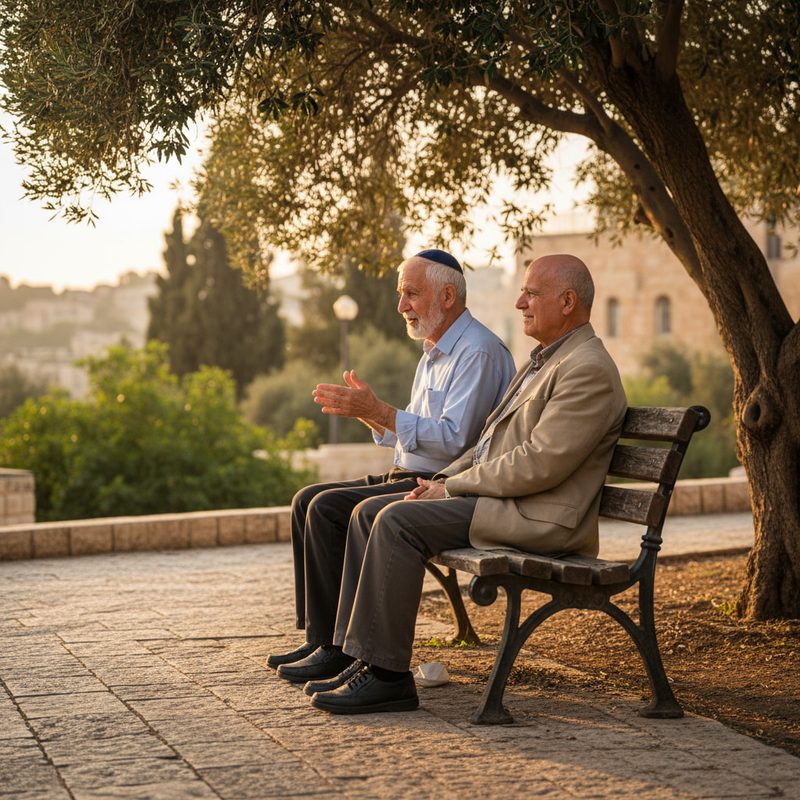
Life in Meitar tends to be residential and family-focused, with an emphasis on lower-density housing, outdoor access and a quieter pace than larger nearby cities. Many residents value the community atmosphere and access to nearby green spaces.
Local infrastructure covers essential daily needs: kindergartens, elementary and secondary schooling, basic healthcare and local shops. For a wider range of services residents often travel to the regional hub of Beersheba.
Transport relies mainly on road connections and regional bus services; many households use cars for commuting, while buses provide links to Beersheba. Outdoor access is a notable part of life here, with nearby forests and trails shaping leisure time.
The town generally suits families, long-term buyers and those who value green space and quieter neighbourhoods, as well as remote workers who benefit from larger homes and calmer surroundings.
Areas and Neighbourhoods in Meitar
Meitar is organised into several named neighbourhoods and development phases that reflect the town’s stages of growth. These sectors usually feature residential streets, community facilities and small local parks or open spaces.
Northern neighborhood
This sector lies toward the northern side of town and forms part of the established residential fabric.
Housing is mainly family homes and low-density residential units that reflect Meitar’s suburban character.
Transport connections are provided by the local road network with bus services toward nearby towns.
It is well suited to families and residents who value quieter streets with convenient access to the town centre.
Southern neighborhood
The southern neighbourhood is located nearer the town edge and provides a transition toward surrounding open spaces.
Housing includes a mix of older and newer homes consistent with the town’s incremental development.
Road access toward Beersheba and other local centres is straightforward, and bus services connect the area with regional hubs.
Households that appreciate proximity to natural areas and practical regional travel links often choose this sector.
Phase B
Phase B represents a later development stage in the town’s expansion and includes planned residential parcels.
Housing here tends to be newer construction developed to meet growing demand.
The area links into the town road grid and local transport services typical of later-built neighbourhoods.
This sector appeals to long-term buyers and those seeking more recent construction within Meitar.
Rabin neighborhood
Rabin is a named sector within Meitar contributing to the town’s residential mix.
Housing is family-oriented and supported by local community amenities.
Local bus routes and road links provide connections toward the regional hub.
Families and residents seeking a settled neighbourhood environment often favour this area.
Kalanit (Poppies) neighborhood
Kalanit is identified by its local name and forms part of Meitar’s residential area.
Housing comprises detached houses and newer developments in keeping with the town’s suburban profile.
The neighbourhood shares the town’s road connections and bus services.
It suits those who prefer a suburban residential feel with access to local amenities.
Neve Ya’alim
Neve Ya’alim is one of the neighbourhoods offering typical residential features found across Meitar.
Housing consists mainly of family homes and small-scale developments.
Road and bus links provide travel options toward Beersheba and nearby towns.
Households wanting a community-oriented area with easy access to town services will find this sector appropriate.
Insider's Guide to Israel
and can't-miss places most tourists never find.
New Kalanit neighborhood
New Kalanit is a newer extension related to the existing Kalanit area and reflects ongoing residential growth.
Housing includes recent construction and planned parcels intended to expand choice in Meitar.
Road access connects new parcels into older parts of town and bus links serve the area.
This neighbourhood is suited to buyers seeking newer homes and modern layouts within the town boundary.

Education in Meitar
Meitar provides local education with multiple kindergartens and elementary schools. Local sources list several primary schools by name, including Psagot, Amit and Hemed, reflecting provision for early and primary education.
The town has a local secondary school, Meitarim, which serves teenagers from the town and surrounding area. For higher education and specialised tertiary institutions, residents typically travel to Beersheba where broader options are available.
Transport and Connectivity
Meitar’s main road connection is via Highway 60, which links the town to regional routes and provides onward connections toward Beersheba and northbound highways such as Route 40 and Road 6. This road network is the backbone of everyday commuting and longer journeys.
Public transport is supplied by regional and intercity buses that connect Meitar to Be’er Sheva and neighbouring towns; operators run routes that bring residents to the central bus station in Be’er Sheva.
The town itself does not have a railway station. The nearest train stations are the Be’er Sheva stations (Be’er Sheva North / Be’er Sheva Center), from which direct Israel Railways services run to Tel Aviv. Published journey times for the train to Tel Aviv typically fall in a range of about 55 to 82 minutes depending on the service and stops.
Ben Gurion Airport is approximately 75 kilometres from Meitar by road. While bus and train links via Be’er Sheva make longer-distance travel practical, daily life in Meitar is often car-oriented and a fully car-free lifestyle is generally uncommon given local public transport patterns.
Nature and Outdoor Spaces
Meitar is adjacent to planted woodlands that form part of the Yatir/Meitar forest area and lies near hill country, making outdoor access one of the town’s defining features. The forested slopes, hiking trails and nearby streambeds provide opportunities for walking, running and nature outings.
The local climate is semi-arid, and the landscape around Meitar combines planted forest, scrub and hill country. Features such as nearby wadis and adjacent trails cater to residents who prioritise outdoor recreation and weekend excursions.
Amenities and Things to Do in Meitar
Meitar offers essential local amenities: shops, small eateries, basic healthcare provision and community sports facilities. For a wider selection of shops, leisure options and specialised medical services, residents travel to Be’er Sheva.
Local places of interest include the archaeological site Horvat Tzalit and the adjacent Yatir/Meitar forest for outdoor activities. The town also has sports facilities that have hosted regional tennis events such as the Meitar Open (ITF-level events), reflecting an active sports scene relative to the town’s size.
Community life includes school-based and civic events. Larger cultural offerings are usually found in the regional hub, but Meitar maintains a calendar of local activities that supports family life and neighbourhood ties.
Cities and Towns Near Meitar
Meitar is part of a cluster of towns and communities within a short drive of a regional centre. Nearby towns and communities form the immediate catchment for work, services and social ties.
Nearby cities and towns: Hura — 3.2 km; Laqiya (Lakiya) — 7.6 km; Omer — 11.1 km; Beersheba — 19 km; Kiryat Gat — 34.6 km.
Advantages of Living in Meitar
Proximity to Be’er Sheva: Short drives to the regional hub provide access to a wide range of services, transport links and employment opportunities.
Access to nature: Adjacency to Yatir/Meitar forest and nearby trails makes outdoor recreation readily available.
Family-friendly environment: The town offers schools and a community atmosphere that suit households with children.
Low-density housing and space: Many residents choose Meitar for larger homes and yards compared with denser urban centres.
Active community and sports scene: Local sports facilities and events add to the town’s social life and recreational options.
Things to Consider Before Moving to Meitar
Limited local services: Some specialised healthcare, shopping and cultural amenities require travel to Be’er Sheva or other nearby cities.
Transport reliance: While buses link the town to regional hubs, many residents rely on private cars for convenience and commuting.
Property market dynamics: As a sought-after suburban town with limited inventory, buyers should be prepared for competition for newer or larger homes.
Semi-arid climate: Summers are typically dry and local green space benefits from managed forestry and planting rather than abundant natural water.
Who Is Meitar Best For?
Families
Meitar suits families who want access to local schools, community facilities and outdoor space while remaining within a reasonable drive of a regional city.
Commuters
Commuters who travel to Be’er Sheva and the surrounding region will find Meitar practical due to its road links and regional bus services; those commuting to Tel Aviv typically connect via Be’er Sheva train services.
Young Professionals
Young professionals who prioritise a larger home or quieter environment while working remotely or commuting part-time may appreciate Meitar’s suburban options and community life.
Students
Students generally commute to higher-education institutions located in the regional hub rather than studying within Meitar itself, using the town as a residential base if they prefer quieter surroundings.
Retirees
Retirees seeking calm neighbourhoods, access to nature and a community-oriented setting will find Meitar compatible with a relaxed lifestyle, with more specialised services available in Be’er Sheva when required.
