
Bat Yam Area Guide
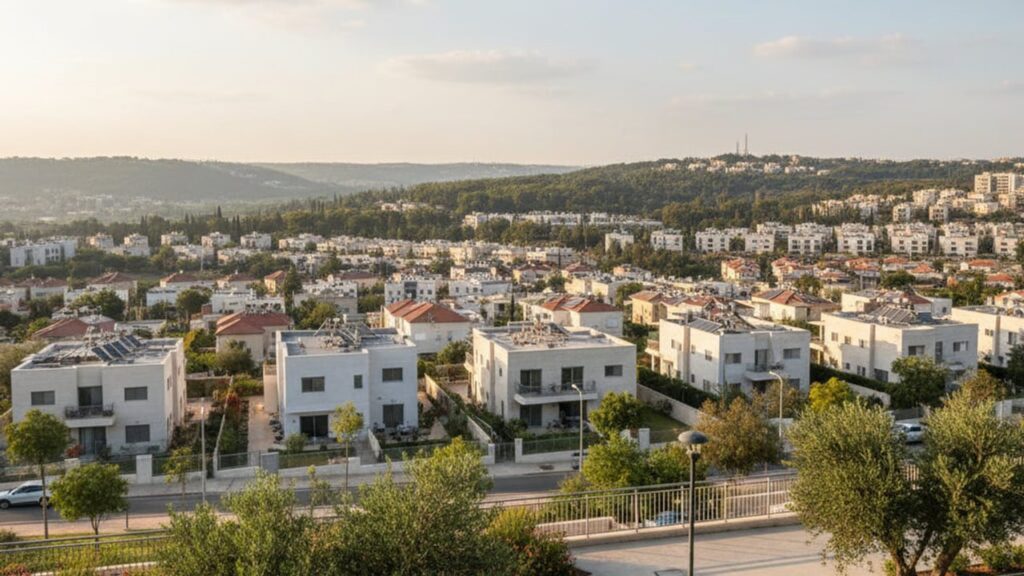

Bat Yam is a coastal city on Israel’s central Mediterranean shore, known for its long promenade and seaside recreation. This guide outlines the city’s character, history, transport links, schools and local amenities.
Bat Yam at a Glance
City: Bat Yam • Country: Israel • District: Tel Aviv • Population: 128465 • Area: 9.4 • Nearest major city: Tel Aviv-Yafo • Distance: 6.9 km • Main transport connection: Ayalon Highway (Highway 20) and Israel Railways stations (Bat Yam–HaKomemiyut, Bat Yam–Yoseftal); served by the Tel Aviv Red Line light rail (city terminus) and multiple bus routes. • Known for: Mediterranean beaches and 3.2 km promenade, seaside recreation, International Street Theater Festival, and extensive urban-renewal projects. • Historic origins: Modern Bat Yam grew from early 20th-century settlement efforts (association established 1919; settlement formed as Bayit VaGan in 1926). Archaeological finds, including a Byzantine-period anchor discovered offshore, indicate earlier coastal activity in antiquity.
Insider's Guide to Israel
and can't-miss places most tourists never find.

Where Is Bat Yam?
Bat Yam sits on the central Mediterranean coast in the Tel Aviv District, immediately south of Tel Aviv-Yafo. Its coastal location gives it a direct seafront and places it within the contiguous urban area that surrounds Israel’s largest city.
Neighbouring municipalities include Holon to the southeast and Rishon LeZion further to the south; Ramat Gan and Givatayim lie a short drive inland. The city is approximately 6.9 kilometres from central Tel Aviv-Yafo, making it part of the greater Tel Aviv metropolitan area.
Geographically, Bat Yam occupies a compact 9.4 km² strip along the shoreline with a Mediterranean coastal environment: sandy beaches, a continuous promenade and a mostly urbanised hinterland directly behind the seafront.
History of Bat Yam
Archaeological work near the coast has uncovered evidence of small coastal and rural activity in antiquity; most notably, an iron anchor dating to the Byzantine period was found off the Bat Yam coast in 2011, suggesting maritime activity at the site in ancient times.
The modern settlement that became Bat Yam developed in the early 20th century. An association linked to the area was established in 1919, and the settlement formed as Bayit VaGan in 1926 during the late Ottoman to British Mandate transition and the interwar period.
Throughout the British Mandate era and following the establishment of the State of Israel in 1948, Bat Yam expanded and urbanised. Post-1948 municipal development and more recent urban-renewal projects have shaped the city into its present form.
Bat Yam Population
As of 2022 the population of Bat Yam was 128,465. This figure reflects the city’s status as a mid-sized coastal municipality within the Tel Aviv District.
With an area of 9.4 km² the city has a relatively high population density compared with suburban towns farther from the coast. Municipal services and planning respond to that density through ongoing redevelopment and local educational provision.
What Is It Like to Live in Bat Yam?
Life in Bat Yam combines an urban neighbourhood feel with easy access to coastal recreation. The 3.2 km promenade and sandy beaches are central to day-to-day leisure, and community life often revolves around the seafront and local parks.
The pace of life leans toward practical urban living rather than a late-night entertainment scene: residents benefit from local shops, cafes and municipal services, while many use neighbouring Tel Aviv for wider cultural, professional and retail options.
Infrastructure supports daily needs: the city is served by Israel Railways stations and multiple frequent bus lines, and direct road connections link Bat Yam into the Ayalon corridor. Urban-renewal projects are shaping housing stock and public spaces, so parts of the city are in transition.
Because of the coastal setting and transport links to Tel Aviv, Bat Yam suits a range of residents from families to commuters and those seeking a seaside residential base within easy reach of the metropolitan core.

Areas and Neighbourhoods in Bat Yam
Bat Yam is organised into several neighbourhoods with distinct local characters. The list below highlights the principal areas commonly referenced in municipal descriptions.
Lev HaIr (city centre)
Location and character: Lev HaIr is the municipal and commercial heart of Bat Yam, with city services and a denser mix of shops and offices.
Housing and transport: the area contains a mix of apartment buildings and medium‑density housing and is well served by local bus routes and nearby rail connections.
Who it suits: people who prefer close access to municipal services, shops and regular public transport.
Ramat Yosef
Location and character: a residential neighbourhood often identified with family housing and local community infrastructure.
Housing and transport: typical housing includes apartment buildings and smaller residential blocks; residents use local buses and road links toward Tel Aviv.
Who it suits: families and longer‑term residents seeking neighbourhood stability close to schools and basic amenities.
Ramat HaNasi
Location and character: another primarily residential quarter with easy access to the seafront and municipal facilities.
Housing and transport: predominantly apartment-style housing with local streets connecting to main thoroughfares; public transport options are available on nearby routes.
Who it suits: residents who want a primarily residential environment within walking or short driving distance of the promenade.
Shikun Amidar
Location and character: a neighbourhood formed around public housing developments and community services.
Housing and transport: housing stock in this area tends toward older apartment blocks; transport and municipal services are accessible by bus and local roads.
Who it suits: people looking for practical, well-established residential areas with community facilities.
Kiryat Bobov
Location and character: a residential quarter with a local communal atmosphere.
Housing and transport: mixed apartment housing and local streets provide connections to central Bat Yam and the seafront.
Who it suits: residents seeking quieter local streets while remaining connected to the city centre.
Orot HaTorah
Location and character: a neighbourhood with a community focus and local institutions.
Housing and transport: housing primarily consists of apartments and smaller buildings; local bus routes link the area with the rest of the city.
Who it suits: families and community-oriented households prioritising local schools and synagogues.
Chabad
Location and character: a neighbourhood named for community institutions and religious life within the city.
Housing and transport: predominantly residential with access to neighbourhood amenities and public transport corridors.
Insider's Guide to Israel
and can't-miss places most tourists never find.
Who it suits: households seeking proximity to community services and religious institutions.
Education in Bat Yam
Bat Yam operates a municipal education network. For the 2021/22 year the network comprised 47 educational institutions with approximately 766 classes and about 16,805 students, according to municipal and CBS data.
Local provision covers early childhood, primary and secondary education within the municipal system. For higher education and specialised professional courses, residents commonly travel to nearby Tel Aviv where universities and colleges are located; the city’s proximity to Tel Aviv makes those institutions reasonably accessible for daily commuting.
Transport and Connectivity
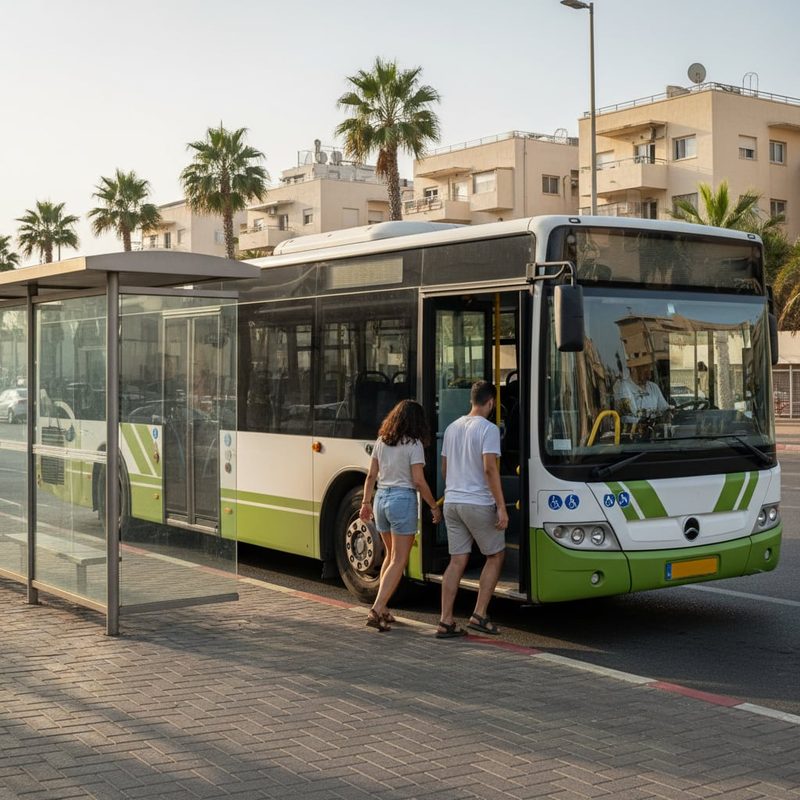
Bat Yam is connected by multiple transport modes. Israel Railways commuter services serve the city at stations such as Bat Yam–HaKomemiyut and Bat Yam–Yoseftal, with typical travel times to Tel Aviv of around 15 minutes from those stations.
Road access includes direct connections via Jerusalem Boulevard and the Ayalon corridor (Highway 20), while frequent urban and intercity bus services—operated by carriers including Dan and Egged—run along major streets and to adjacent cities.
The Tel Aviv Red Line light rail reaches Bat Yam as a city terminus, improving local cross-city connectivity. Ben Gurion Airport lies approximately 12.4 kilometres away, making national and international flights reachable within a short drive on good traffic days.
Car-free feasibility: regular trains, frequent buses and the light rail make daily life feasible without a car in many parts of the city, though personal vehicle use remains common and driving times toward Tel Aviv vary with congestion.
Nature and Outdoor Spaces
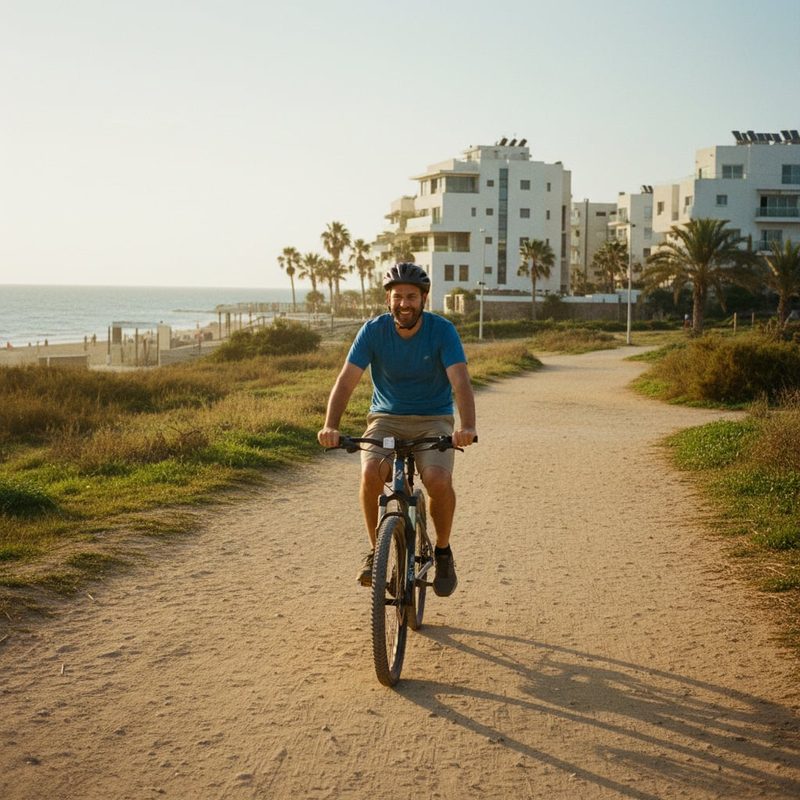
The sea and seafront are Bat Yam’s defining outdoor features: sandy beaches, a 3.2 km promenade and local surf spots such as Al Gal provide year-round coastal recreation.
Offshore and coastal archaeological finds, including a Byzantine-period anchor, reflect a long maritime connection to the coastline. The promenade and nearby parks offer walking, cycling and family leisure spaces that form the backbone of public outdoor life in the city.
Amenities and Things to Do in Bat Yam
Cultural and civic highlights include MoBY (David Ben‑Ari Museum for Contemporary Art, Ryback House, Sholem Asch Museum), Bat Yam Heritage Museum and the characteristic Bat Yam City Hall building. The seafront, with HaSela (The Rock) Beach and the promenade, is the major recreational draw.
The city hosts events such as the International Street Theater Festival and supports local markets, cafes and restaurants along commercial streets and near the seafront. Basic healthcare services and clinics are available locally, with additional hospitals and specialist services a short journey into the Tel Aviv area.
For shopping and wider dining or entertainment options, residents frequently use Tel Aviv and neighbouring municipalities, though daily essentials can be found within Bat Yam.
Cities and Towns Near Bat Yam
Bat Yam sits within a dense urban cluster along Israel’s central coast. Several neighbouring cities and towns lie just minutes away by road or public transport.
Nearby cities and towns: Holon — 3.3 km, approx. 10 min; Tel Aviv-Yafo — 6.9 km, approx. 15 min; Rishon LeZion — 8 km, approx. 15 min; Ramat Gan — 12 km, approx. 20 min; Givatayim — 11 km, approx. 20 min.
Advantages of Living in Bat Yam
Seafront lifestyle: direct access to beaches and a long promenade supports outdoor living and daily recreation.
Proximity to Tel Aviv: under ten kilometres from central Tel Aviv, the city is convenient for commuters and those who use metropolitan services.
Transport links: regular commuter rail, frequent buses and the Ayalon road corridor offer practical regional connectivity.
Municipal services and education: a broad municipal education network and local civic infrastructure support families and long-term residents.
Urban-renewal activity: ongoing redevelopment projects improve housing options and public spaces in many parts of the city.
Things to Consider Before Moving to Bat Yam
Local amenities vary by neighbourhood: while daily essentials are available, some specialised services and a wider choice of cultural venues or nightlife are typically accessed in Tel Aviv.
Commuting and traffic: driving times toward Tel Aviv and beyond depend on peak-hour congestion; many residents rely on public transport for regular commutes.
Housing market and supply: the local real-estate market includes varied property types but inventory can be constrained in some segments, and urban-renewal means some streets are in transition.
Cost considerations: proximity to Tel Aviv and seafront locations can push prices and living costs higher than in more distant suburbs.
Who Is Bat Yam Best For?
Families
Bat Yam suits families who want neighbourhood schools, parks and a seaside lifestyle with municipal services close at hand.
Commuters
Commuters to Tel Aviv benefit from short rail journeys and direct road links, making Bat Yam a practical residential choice for regular travel into the metropolitan core.
Young Professionals
Young professionals who work in Tel Aviv but prefer lower-density residential streets and seaside access will find Bat Yam convenient and well connected.
Retirees
Retirees often appreciate the quieter pace in many neighbourhoods, local amenities and easy access to the promenade and beaches.
