Discovering Foods and Biblical Mentions in Israel’s Rich History


The Bible offers a fascinating glimpse into the diets and daily lives of ancient peoples. From lentils and honey to the first mentions of pivotal locations like Jerusalem and Israel, the scriptures provide a rich tapestry of history and culture.
Jerusalem, first mentioned in Genesis 14:18 as Salem, is significant as the city of Melchizedek, a priest of the Most High. This city later becomes the heart of Israel under King David, as noted in 2 Samuel 5:6-7.
This article will guide you through the biblical references to foods and iconic locations, revealing their roles in shaping spiritual and cultural narratives. By exploring these elements, readers can connect with the ancient world and its enduring influence on modern identity.
The stories of these places and foods offer timeless lessons on resilience, faith, and the deep connection between people and their land.
Israeli Cookbook
Inspired by the Farms of Israel

First Mention of Jerusalem in the Bible
Jerusalem holds a special place in biblical history, first mentioned in Genesis 14:18-20. Here, Melchizedek, the king of Salem, greets Abram, marking a foundational moment for the city’s future significance. This encounter sets the stage for Jerusalem’s role as a spiritual and political center.
Later, in 2 Samuel 5:6-7, King David captures the city, establishing it as the heart of Israel. This act transforms Jerusalem into the city of David, a pivotal location in the biblical narrative.
Jerusalem’s importance only grows with time, becoming the site of Solomon’s Temple, as detailed in 1 Kings 6. Each biblical reference adds layers of depth and significance, marking Jerusalem as a vital part of the biblical story.
The city’s narrative continues to evolve, symbolizing the unity and identity of the Jewish people. Through these stories, Jerusalem emerges as a beacon of faith and a testament to the enduring spiritual journey of the Israelites.
Jerusalem’s significance in the Bible is profound and multifaceted. Beyond its first mention, 2 Samuel 5:7 describes how King David captured the fortress of Zion, which is another name for Jerusalem.
This event marks the city’s establishment as the political and spiritual heart of Israel, setting the stage for its central role in Jewish life and faith.
Jerusalem’s mention in biblical texts underscores not only its ancient prominence but also its enduring significance as a symbol of unity, spirituality, and identity for the Jewish people.
The city’s legacy is woven into the fabric of biblical narratives, where historical and symbolic elements intertwine. From the construction of Solomon’s Temple to its role in the prophetic visions of Isaiah and Jeremiah, Jerusalem represents a focal point of divine presence and human aspiration.
Understanding these connections offers a deeper insight into the historical and spiritual landscape of biblical stories, where Jerusalem serves as a bridge between the earthly and the divine, anchoring the Jewish people’s identity and faith.

Is Israel Mentioned in the Bible?
Israel’s presence in the Bible begins with the story of Jacob, whose name was changed to Israel after wrestling with an angel, as recounted in Genesis 32:28.
This pivotal moment marks the transformation of Jacob into a central figure for his descendants, who are destined to become God’s chosen people. This event signifies the beginning of a nation set apart for a unique covenantal relationship, a theme that resonates throughout the biblical narrative.
As the nation of Israel grows, its legacy is interwoven through countless biblical stories, from the Exodus led by Moses to the conquest of the Promised Land under Joshua.
These narratives highlight themes of faith, struggle, and divine promise, illustrating the enduring spirit of a people bound to their land.
The biblical land of Israel serves as the stage for many pivotal events, reinforcing the covenant between the divine and the Israelites, and shaping their identity as a nation.
Throughout scripture, Israel symbolizes divine promise and resilience. References to Israel are abundant, illustrating its prominence as both a physical and spiritual homeland.
The narratives of Joshua’s conquest in the Book of Joshua, where the Israelites are led into the Promised Land, highlight this connection.
The reigns of Israelite kings like David and Solomon further deepen the bond between land and faith, as their leadership embodies the covenantal relationship with the divine.
Exploring these texts provides insight into the covenant relationship that defines Israel’s place in biblical history and its enduring legacy today. The stories of triumph, struggle, and faith offer a rich tapestry of lessons that continue to resonate with those who cherish this heritage.
These narratives underscore the enduring spirit of a people bound to their land, illustrating the timeless themes of resilience and divine promise.

Biblical Foods and Their Symbolism
Food is a recurring theme in the Bible, symbolizing sustenance, hospitality, and divine provision. One notable example is manna, which fed the Israelites during their desert wanderings, as described in Exodus 16:4. This miraculous food symbolizes divine care and the importance of trust in the divine.
Staples like wheat and barley are frequently mentioned as part of the ancient diet, illustrating the agricultural foundation of Israelite society.
Deuteronomy 8:8 lists these grains among the seven species that highlight Israel’s fertility and abundance. Honey, olives, and figs not only nourish but also embody sweetness and prosperity, recurring in scripture as gifts from the land itself.
These foods are integral to the covenantal relationship between the people and their land, serving as tangible symbols of the divine promise and the prosperity of the Promised Land.
Israeli Cookbook
Inspired by the Farms of Israel
Sharing meals in biblical texts holds deep communal and spiritual significance. While the Last Supper is not part of the Hebrew Bible, meals like those described during Passover in Exodus 12 are pivotal covenantal moments. These events weave food into the spiritual fabric of the community.
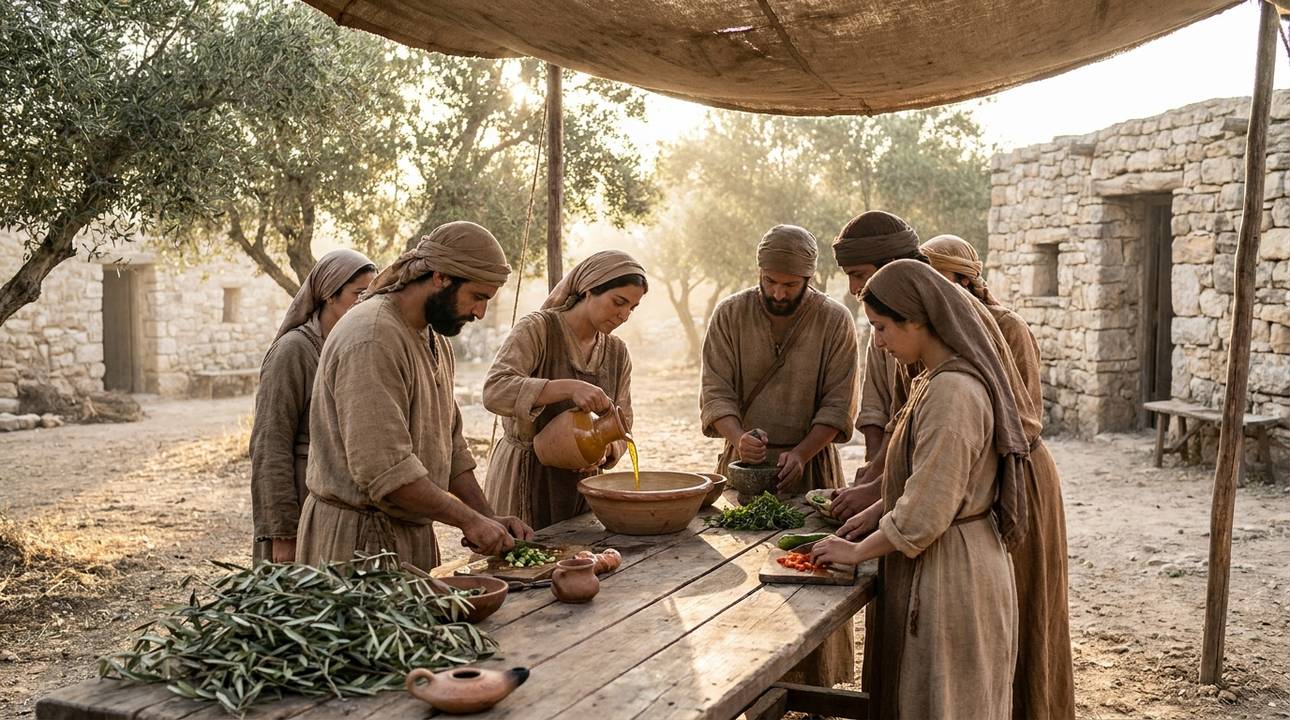
Olive oil, a staple in ancient Israel, symbolizes purity and dedication. Its importance is highlighted in rituals and offerings, such as in Leviticus 2:1-2, where it is used in grain offerings to signify devotion.
These culinary references enrich our understanding of life in ancient Israel, where every meal shared was a moment of community and divine connection. Olive oil’s use in anointing kings and priests further underscores its sacred role in maintaining spiritual purity and leadership.
Such practices illustrate the intertwining of daily life and spiritual observance, offering insights into the values and traditions that shaped the ancient Israelite community.
Foods Mentioned in the Bible
Lentils play a notable role in the Bible, particularly in the story of Esau and Jacob. In Genesis 25:34, Esau sells his birthright for a simple lentil stew, highlighting the tension between immediate physical needs and long-term spiritual prosperity.
This narrative underscores the importance of sustenance and the choices we make when faced with hunger. Grapes and wine also frequently appear, symbolizing joy and prosperity. Numbers 13:23 recounts how the spies, sent by Moses, brought back a cluster of grapes from the Promised Land.
This act was a testament to the land’s fertility and abundance, a powerful image of the divine promise to the people of Israel.
These foods are more than mere nourishment; they are markers of the covenant between the divine and the land and people of Israel, reflecting the promise of a land flowing with milk and honey, as described in Exodus 3:8.
Such references deepen our understanding of the relationship between sustenance and spiritual promise, illustrating how food in the Bible often carries symbolic weight.
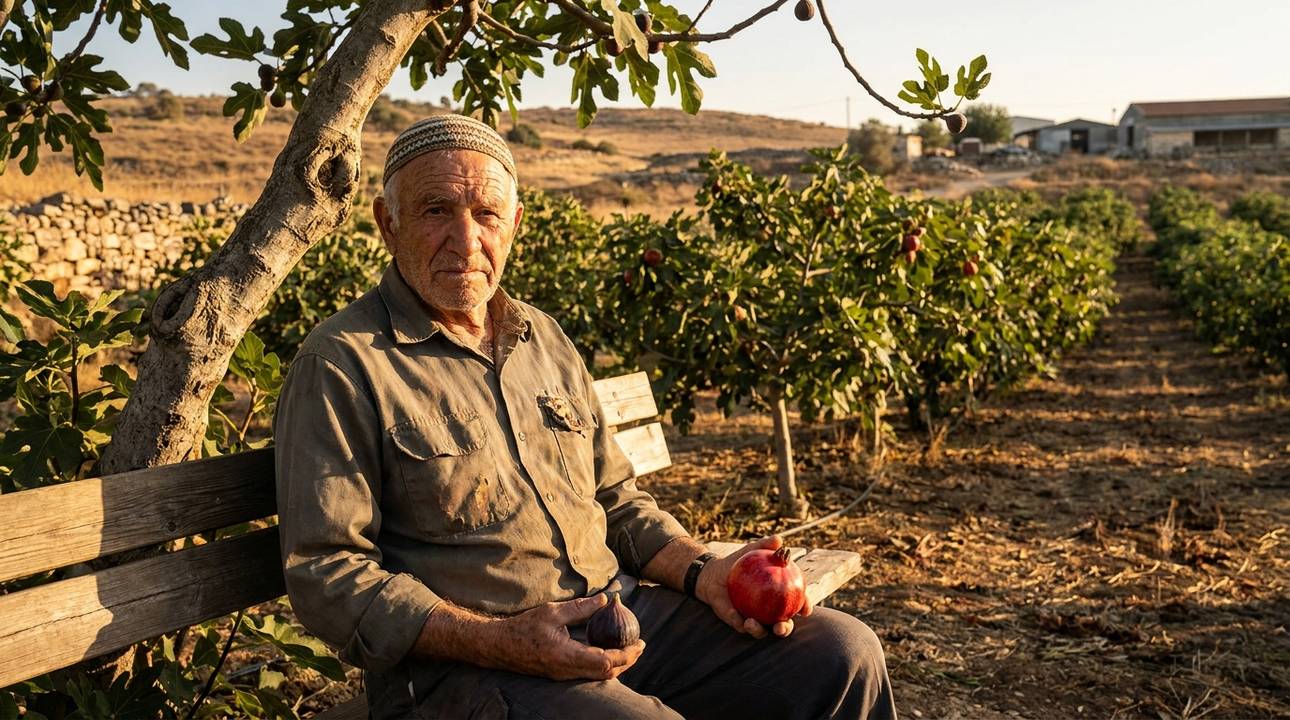
Figs and pomegranates frequently appear, tied to visions of peace and prosperity. In 1 Kings 4:25, descriptions of abundant figs symbolize security in Solomon’s reign, where “Judah and Israel dwelt safely, every man under his vine and under his fig tree.
” The Bible frequently uses food to communicate deeper truths, weaving physical sustenance with spiritual lessons. Figs, mentioned in Deuteronomy 8:8, are part of the seven species of the land, symbolizing abundance.
These dietary staples are reminders of the natural bounty and the covenant between people and place.
Pomegranates, often seen as a symbol of righteousness, are also mentioned in Exodus 28:33-34, where they adorned the hem of the priestly garments, indicating their sacred significance.
In Short: A Biblical Journey through Food and Faith
The Bible’s references to food and locations like Jerusalem and Israel paint a vivid picture of ancient life and spiritual heritage. These elements connect readers to a world where faith and daily life were intertwined.
Jerusalem, mentioned in 2 Samuel 5:6-7 as the city David captured and made his capital, stands as a symbol of spiritual and political significance. This city becomes a focal point for worship and governance, reflecting its central role in Israel’s history.
By exploring these texts, individuals gain insight into the cultural and spiritual foundations that continue to inspire and inform modern identities tied to this ancient land.
The stories of these places and their people offer timeless lessons on resilience and faith, illustrating how the biblical narrative continues to resonate with those who cherish this heritage.
Through every meal, every mention, and every map of Israel, the biblical narrative unfolds, bridging past and present. The land’s description in Deuteronomy 11:10-12 as a place cared for from the beginning of the year to its end highlights its spiritual importance.
This passage emphasizes the unique relationship between the land and its people, suggesting a divine attentiveness that underscores its significance.
These stories and references serve as a testament to the enduring connection between people and their heritage, offering a window into the lives and beliefs of those who walked these lands long ago.
The land of Israel is not just a geographical location but a symbol of faith and continuity, deeply embedded in the collective memory of those who cherish its history.
Understanding Biblical Locations