Understanding the Meaning of ‘Jeru’ in Hebrew
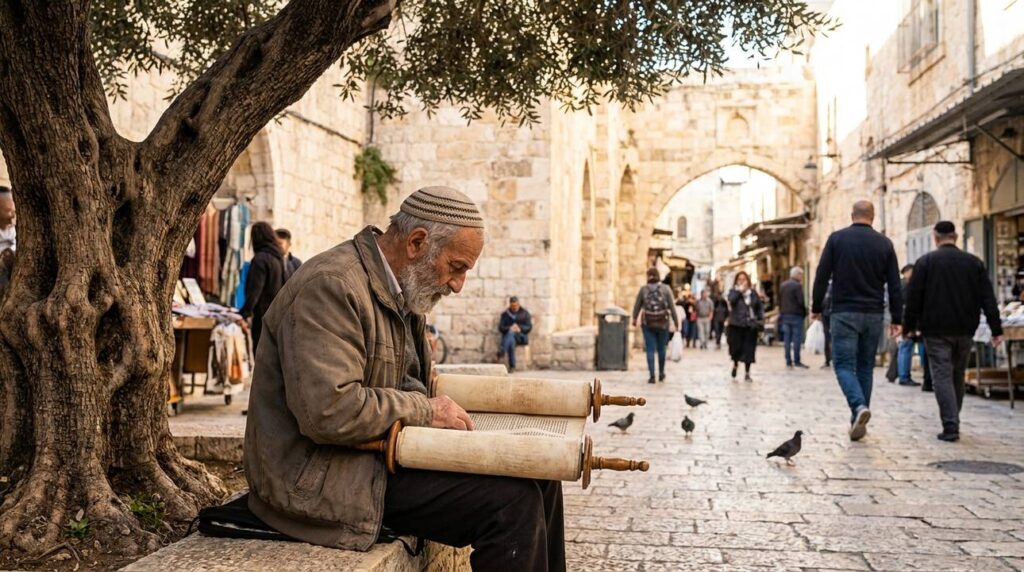

The name ‘Jeru’ is a significant part of the word ‘Jerusalem,’ a city rich with historical and biblical resonance. Exploring its Hebrew origins provides insight into its deep cultural and spiritual significance.
Join us in uncovering the meaning and history behind ‘Jeru,’ understanding its place in Jewish tradition and connection to the ancient city. Jerusalem is first mentioned in Genesis 14:18 as Salem, where Melchizedek was king, highlighting its ancient roots.
The Historical Context of ‘Jeru’
The term ‘Jeru’ forms the first syllable of ‘Jerusalem,’ known in Hebrew as ‘Yerushalayim. ‘ The history of Jerusalem can be traced back to its earliest mentions in ancient texts. Originally, the city’s name was likely related to a god or a sacred site.
In the earliest instances, Jerusalem appears as a city-state in Egyptian texts, dating back to the 19th century BCE. The Amarna letters, from around 1350 BCE, also reference the city, indicating its importance in regional politics.
from the Western Wall to Masada.
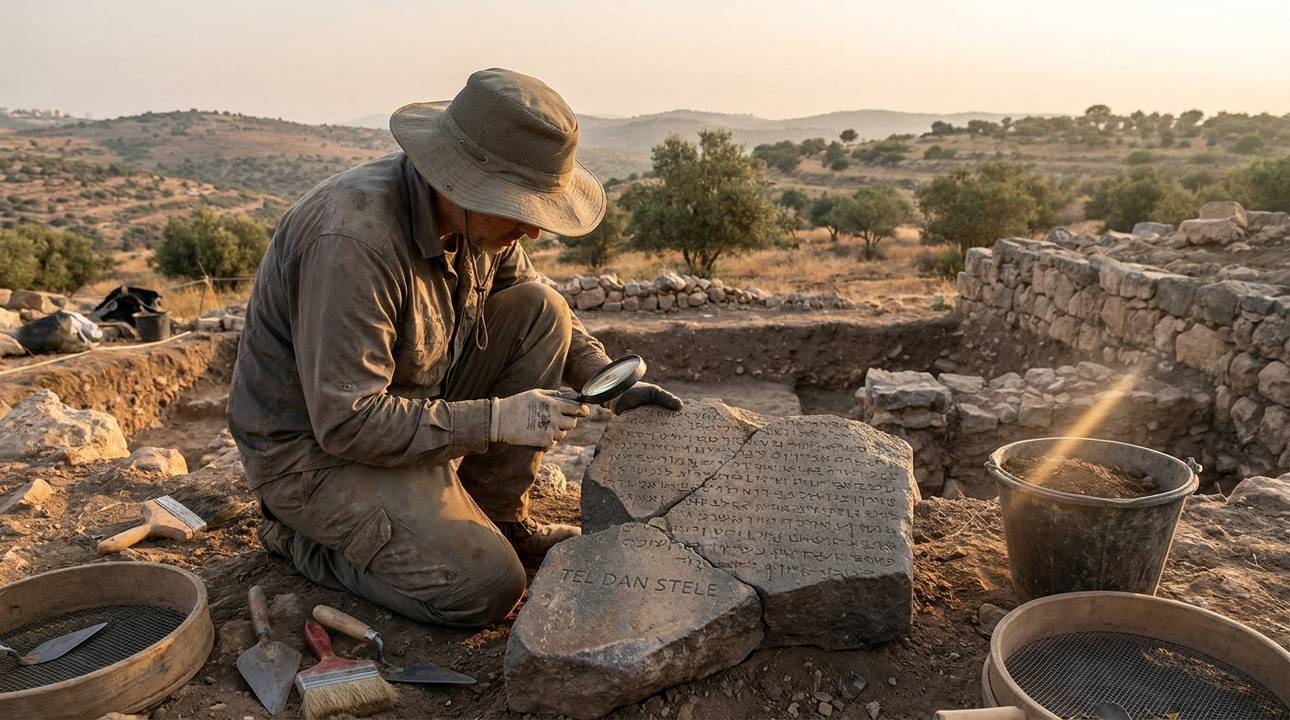
Ancient inscriptions suggest that ‘Jeru’ may reference an older settlement or deity. Archaeological findings in the region, such as the Tel Dan Stele, provide insights into ancient civilizations and their connections to Jerusalem.
For instance, the association between the name and sacred geography is deeply interwoven in history. The city’s location on the ancient trade routes contributed to its significance as a cultural and religious hub.
Understanding these ancient roots provides richer insight into Jerusalem’s identity, highlighting its role as a crossroads of history and faith.
Biblical References to ‘Jeru’
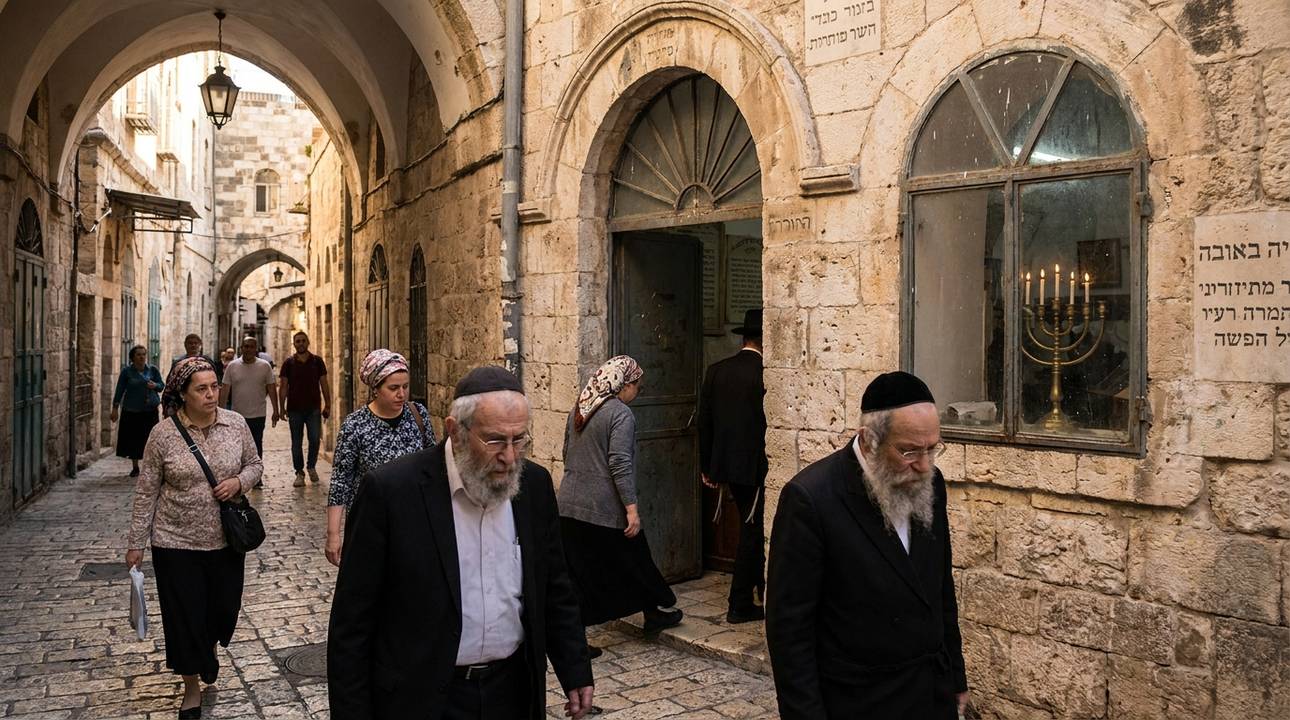
In the Bible, Jerusalem holds a central role, with its earliest parts associated with ‘Jeru. ‘ The city’s significance in biblical narratives marks it as a focal point of divine interaction. For instance, in 2 Samuel 5:6-7, King David captures Jerusalem, making it the capital of his kingdom.
Specific verses mention Jerusalem as both a physical and spiritual epicenter, affecting Jewish identity deeply. The city is often depicted as the place where the divine presence dwells, as seen in 1 Kings 8:10-11.
For example, the Book of Psalms frequently praises Jerusalem (Psalm 122), associating it with peace and divine presence. This psalm invites pilgrims to pray for the peace of Jerusalem, highlighting its spiritual significance.
This reinforces ‘Jeru’s role as part of a name that conveys holiness and refuge. The city’s walls and gates are often depicted as symbols of protection and divine favor.
Such references shape perceptions of the city as a place of central religious importance, emphasizing its role as a spiritual and cultural heart for many. The vision of Jerusalem as a city of peace is also echoed in Isaiah 2:3, where nations are drawn to its teachings.
This prophetic vision underscores Jerusalem’s role as a beacon of wisdom and guidance, attracting diverse peoples to learn and find harmony.
The Etymology of ‘Jeru’
The etymology of ‘Jeru’ is subject to scholarly debate. Some scholars suggest it originates from ancient Semitic languages, possibly related to the Akkadian or Canaanite languages. It might relate to terms meaning ‘foundation’ or ‘possession.
‘ For example, the Hebrew word ‘yerushah’ means inheritance, suggesting a connection to ownership or legacy. This ties into the biblical narrative where Jerusalem is seen as a divine gift to the Israelites.
These interpretations link it to ideas of establishment and stability, reflecting its enduring role in the cultural and historical landscape of the region.
The city’s role as a center for religious and political power is evident in texts like 2 Chronicles 6:6, where it is chosen as the site for the temple. This choice signifies Jerusalem’s centrality in Jewish life, serving as a focal point for worship and governance.
‘Jeru’ could be derived from the root meaning ‘to throw’ or ‘to lay a foundation,’ emphasizing its foundational role. The Hebrew verb ‘yarah’ means to throw or cast, suggesting an action of establishment. Linguistic analysis connects the name with actions of creation and establishment.
This connection is evident in the city’s historical role as a center of governance and religious life.
from the Western Wall to Masada.
This perception enhances understanding of Jerusalem’s historical role, underscoring its importance as a place of beginnings and a symbol of enduring strength. The city’s significance is further highlighted in the construction of Solomon’s Temple, as described in 1 Kings 6.
Solomon’s Temple became a central place of worship and a symbol of divine presence, illustrating Jerusalem’s pivotal role in Jewish religious life.
Cultural Significance of ‘Jeru’ in Jewish Tradition
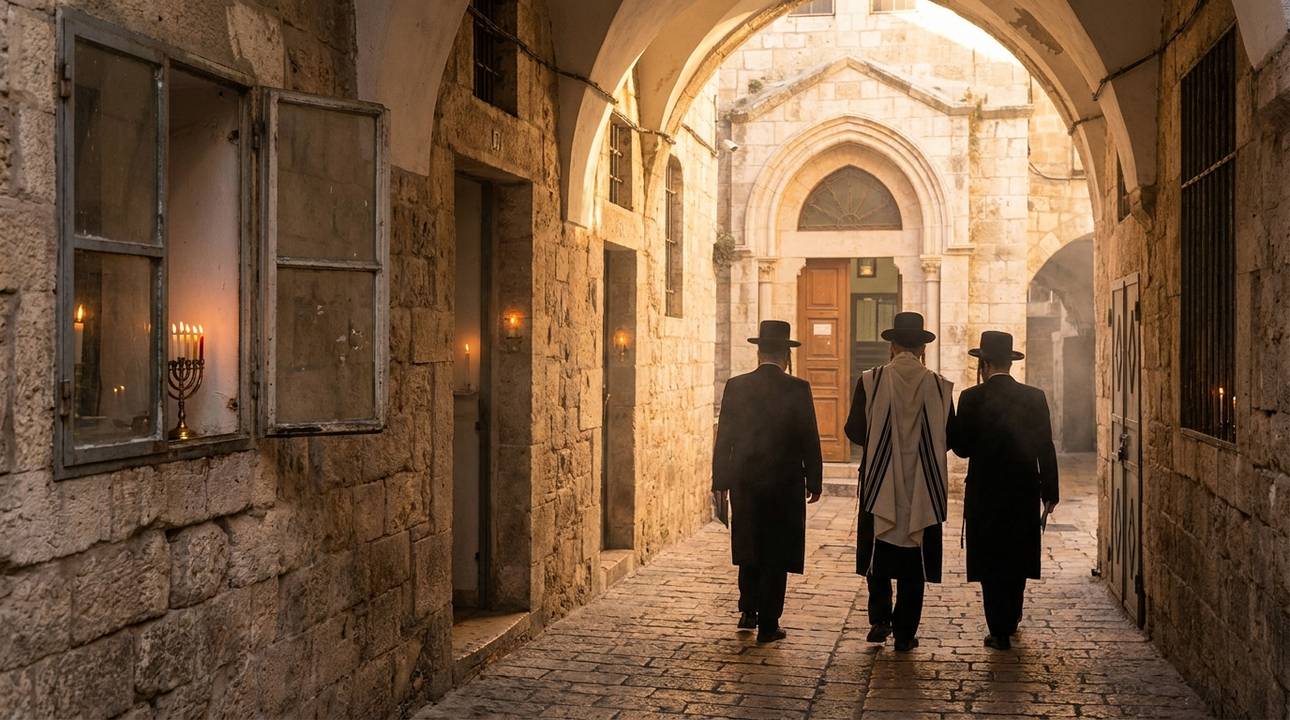
In Jewish tradition, Jerusalem, with ‘Jeru’ at its start, symbolizes more than a mere geographic location. Throughout Torah and Talmudic interpretations, it represents hope, salvation, and perpetual longing.
This is reflected in the daily Amidah prayer, which includes a plea for the rebuilding of Jerusalem. These elements are woven into prayers and daily life, sustaining a deep spiritual connection.
The longing for Jerusalem is also expressed in the phrase ‘Next year in Jerusalem,’ recited at the end of the Passover Seder.
Songs and liturgies frequently reference Jerusalem, underscoring its spiritual importance. The Book of Psalms, for instance, contains numerous references to the city, such as in Psalm 137, which laments the Babylonian exile and expresses longing for Jerusalem.
For instance, Lamentations reflects on its destruction but also its enduring hope. This biblical book offers a poignant reminder of the city’s resilience and the hope for future restoration.
This cultural lens offers a profound appreciation of ‘Jeru’s name and its ongoing resonance, illustrating its role as a symbol of faith and perseverance.
The Role of ‘Jeru’ in Modern Israel
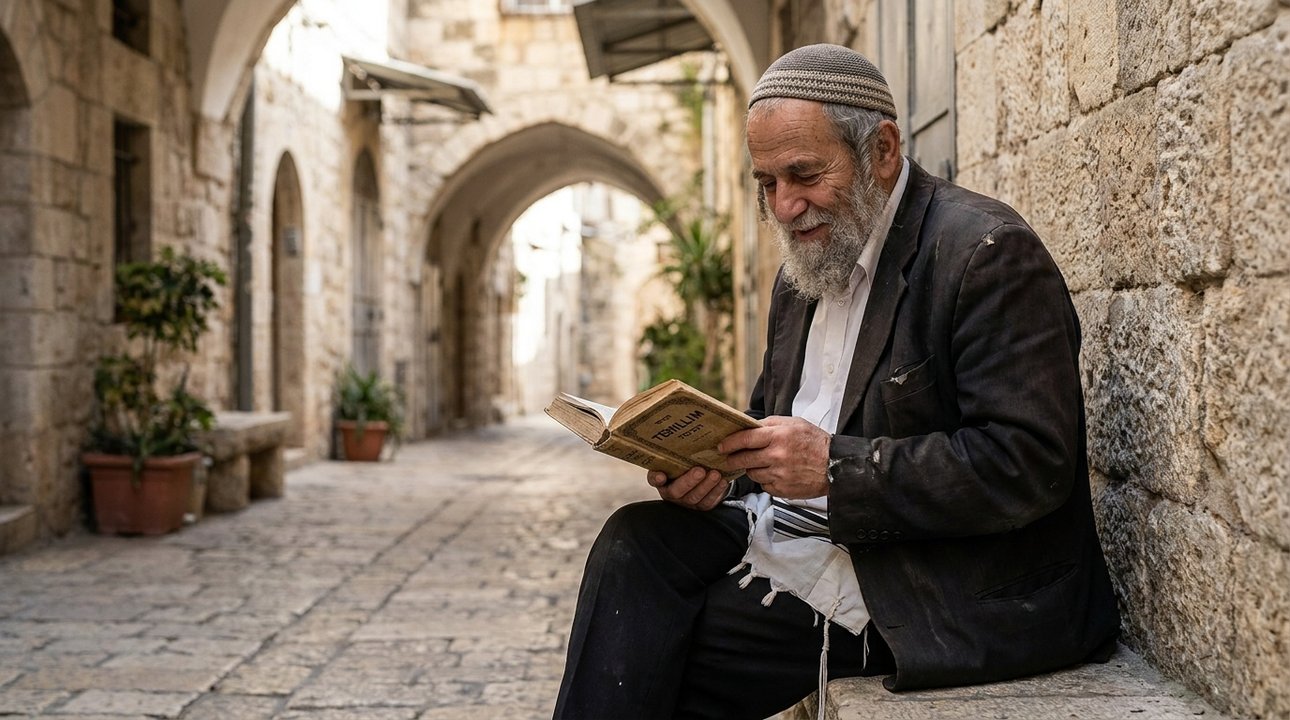
Today, ‘Jeru’ remains an integral part of Israeli identity, reflected in its capital, Jerusalem. The city’s name is often mentioned in prayers and liturgies, emphasizing its spiritual and cultural importance.
Despite modern challenges, the city continues to embody ancient aspirations and cultural continuity. Events like the annual Jerusalem Day celebrate its reunification and significance to the Jewish people.
‘Jeru’ is thus a testament to resilience and heritage, symbolizing the enduring connection between the past and present. The city’s historical and spiritual significance is also highlighted in Psalm 137:5-6, where the longing for Jerusalem is poignantly expressed.
These verses capture the emotional depth of the Jewish people’s connection to their homeland, emphasizing Jerusalem as a symbol of hope and continuity.
In modern songs and literature, Jerusalem’s name echoes as a symbol of unity. This is evident in works like Naomi Shemer’s song ‘Yerushalayim Shel Zahav’ (Jerusalem of Gold), which captures the city’s beauty and spiritual significance.
Its identity as a center of cultural and spiritual life affirms its enduring significance. The city’s diverse population and rich history make it a focal point for many religious and cultural traditions.
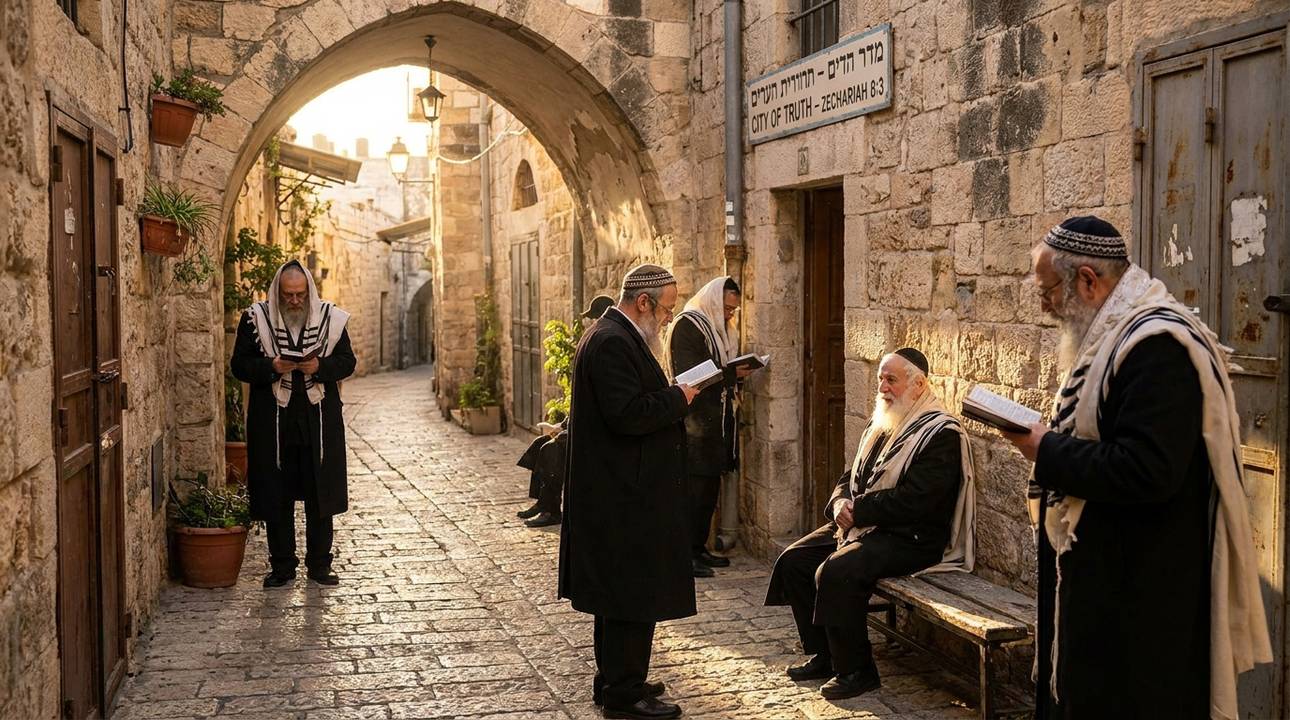
Understanding ‘Jeru’ enriches perception of both history and present-day Israel, highlighting its role as a beacon of hope and unity. The city’s influence is also seen in Zechariah 8:3, where it is called the ‘City of Truth,’ underscoring its spiritual and cultural importance.
This title reflects Jerusalem’s enduring reputation as a center for justice and faithfulness, attracting those seeking truth and righteousness.
General Inquiries