
Unveiling the Secrets of the Land of Edom
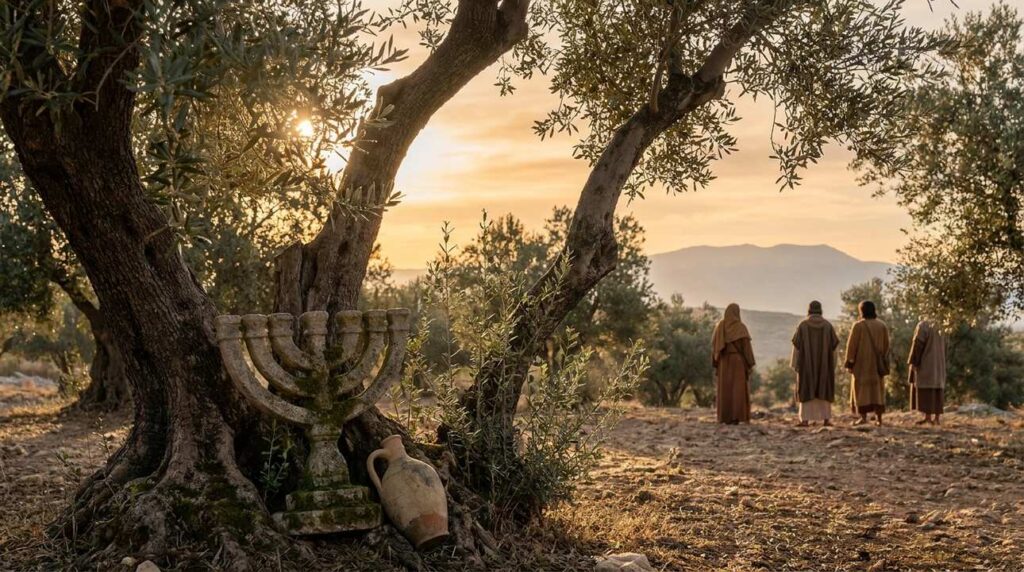

The Land of Edom holds a unique place in the annals of biblical geography. Situated to the southeast of the Dead Sea, Edom is a region rich in history and cultural intrigue. From the rugged terrain to its biblical associations, Edom’s legacy is woven into the very fabric of the region. The Edomites, descendants of Esau, were known for their skills in metalwork, as noted in Ezekiel 27:16.
In this exploration, we journey through the geographical and historical significance of Edom. Join us as we uncover the stories and landscapes that define this enigmatic land, a place where history and legend intertwine.
Where Is the Land of Edom?
The Land of Edom stretches along the southeastern border of modern-day Jordan. It forms a natural continuation of the arid Negev Desert and sits adjacent to the Dead Sea. This geographical placement made Edom a pivotal area for trade routes in ancient times, such as the King’s Highway mentioned in Numbers 20:17.
Edom’s proximity to significant biblical sites enhances its allure. The region is characterized by striking red sandstone formations and rugged mountains. Edom’s unique red terrain is often associated with its name, which some scholars believe means ‘red’ in Hebrew, connecting to Esau’s description in Genesis 25:25.
Edom’s strategic location not only facilitated trade but also made it a target for conquest and conflict, as seen in the accounts of King David’s campaigns in 1 Chronicles 18:12-13. The terrain’s natural beauty and historical significance continue to draw interest from archaeologists and tourists alike.
The landscape of Edom, with its dramatic cliffs and valleys, offers a window into the past, where ancient travelers and traders once journeyed. This historical and geographical significance makes Edom a fascinating subject for those interested in biblical history and ancient cultures.
The Historical Background of Edom
Edom’s history is deeply rooted in biblical narratives. According to the Hebrew Bible, Edom was founded by Esau, the brother of Jacob. The descendants of Esau, known as the Edomites, became a distinct and powerful group in the region. Genesis 36 provides a detailed genealogy of Esau’s lineage.
The Edomites were known for their skilled trade and craftsmanship. They controlled vital trade routes connecting Arabia to the Mediterranean, facilitating the exchange of goods and cultural ideas. The region saw frequent interactions and conflicts with neighboring territories, including Israel and Moab, as noted in 2 Kings 3:4-27.
Edom’s strategic importance is highlighted by its involvement in regional politics and warfare. The Bible recounts several instances where Edom played a crucial role in the power dynamics of the area. For example, in 2 Chronicles 20:22, Edom allied with Moab and Ammon against Judah.
These interactions underscore Edom’s influence and the complex relationships it maintained with its neighbors. Despite its eventual decline, Edom’s legacy as a hub of trade and culture continues to be a subject of study and fascination for historians and biblical scholars.

Edom in Biblical References
Edom receives numerous mentions throughout the Old Testament. The kingdom is noted for its interactions and tensions with Israel. Notably, Edom denied passage to the Israelites during their exodus from Egypt, as described in Numbers 20:14-21, leading to a prolonged enmity between the two nations.
Additionally, prophets like Obadiah and Amos issued prophecies regarding Edom, highlighting themes of judgment and redemption. Obadiah 1:1-21 speaks of Edom’s downfall due to its pride and betrayal. These references underscore the kingdom’s complex relationship with surrounding nations.
The prophetic books provide further insights into Edom’s fate and its role in biblical history. Amos 1:11-12 condemns Edom for its violence against Israel, while Isaiah 34:5-6 describes divine retribution against the nation. These passages reflect the broader narrative of Edom’s interactions with Israel and other neighboring peoples.
Edom’s story is one of both conflict and cultural exchange, illustrating the intricate web of relationships that characterized the ancient Near East. The kingdom’s legacy continues to be explored through ongoing archaeological and historical research.
Edom’s Cultural Legacy
The cultural influence of Edom extended beyond its immediate borders. Edomite artisanship was renowned, with skilled metalworking that contributed to its economic prosperity. Historical records, such as those found in 2 Kings 3, highlight Edom’s strategic alliances and conflicts with neighboring kingdoms.
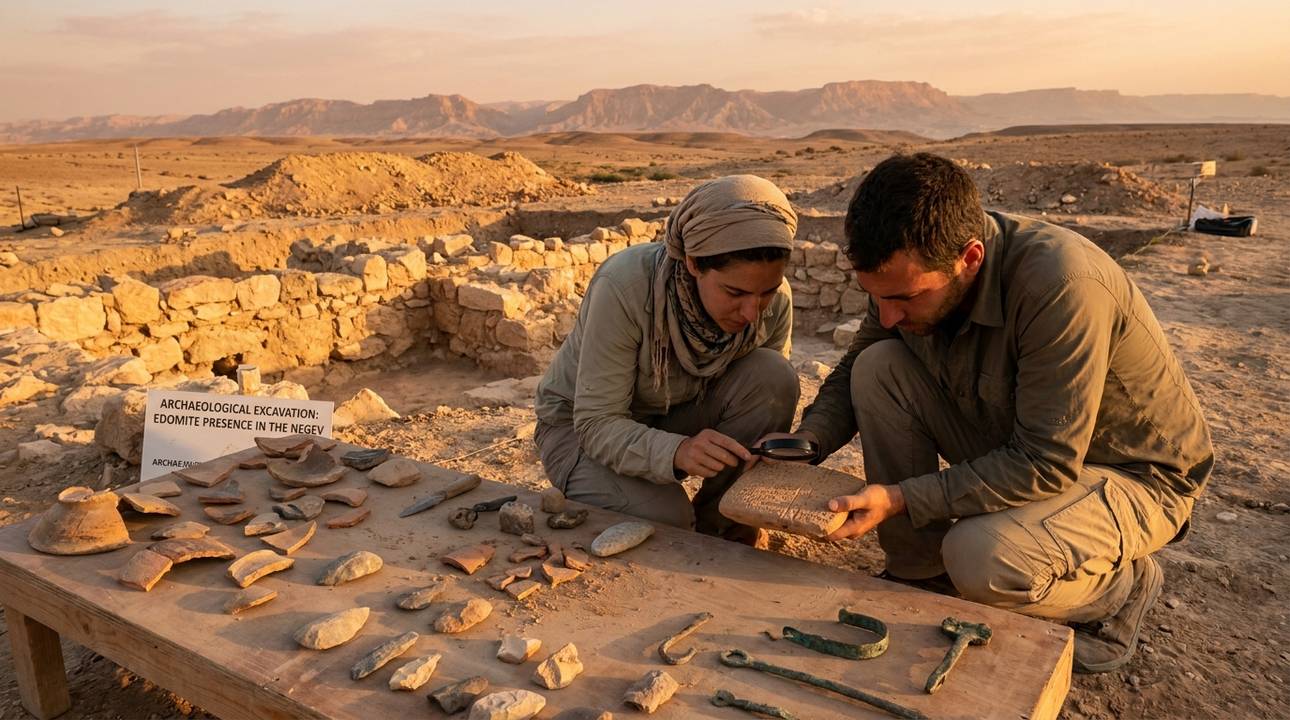
Archaeological findings across the region reveal remnants of Edomite pottery and inscriptions, offering glimpses into their everyday life and spiritual practices. These artifacts, found in sites like Tel el-Kheleifeh, provide insights into Edomite religion and society.
Edom’s complex history and interaction with neighboring cultures enriched its own, leaving a lasting imprint on the annals of ancient Middle Eastern history. The kingdom’s interactions with Israel, as mentioned in 2 Samuel 8:13-14, illustrate the dynamic relationships that shaped the region.
Edom’s legacy is further evidenced by the influence it had on trade routes and cultural exchanges, which are still studied by historians today. The kingdom’s artisanship and strategic location made it a significant player in the ancient world.
Edom’s Geographical Features
Edom’s geography is defined by its arid climate and mountainous landscapes. The region’s unique topography contributed to its strategic importance as a trading hub. The rough terrain provided natural defenses, while the dry climate shaped its way of life. The King’s Highway, an ancient trade route, passed through Edom, facilitating commerce.
The dramatic peaks and valleys also offered stunning vistas, creating a striking backdrop for travelers and traders alike. These geographical elements are part of what gives Edom its distinctive character, making it a land of both challenge and opportunity.
The strategic location of Edom made it a crossroads for various cultures and civilizations. Its position along major trade routes allowed for the exchange of goods and ideas, contributing to the region’s cultural richness. This interaction is reflected in the diverse archaeological findings from the area.
Edom’s landscape, with its rugged mountains and desert expanses, continues to captivate those who visit. The natural beauty and historical significance of the region offer a unique opportunity to explore the ancient world and its enduring legacy.
Travel and Exploration in Modern Edom
Today, the region that once was Edom is a site of archaeological interest and natural beauty. Visitors can explore the ancient ruins, such as the rock-hewn city of Petra, and enjoy the breathtaking landscape that has captivated imaginations for millennia. This area was once a bustling trade route, connecting Arabia with the Mediterranean.
Travel enthusiasts and scholars often seek to uncover the mysteries that these deserted lands hold. Modern tours offer insights into the rich history and the diverse cultures that once thrived here, including the Nabateans who followed the Edomites.
The archaeological discoveries in Edom continue to shed light on its historical significance. Excavations at sites like Bozrah, Edom’s ancient capital, reveal the complexity of its society and its interactions with neighboring cultures. These findings contribute to our understanding of the ancient Near East.
The region’s unique landscape and historical richness provide a captivating experience for visitors. Whether exploring ancient ruins or enjoying the natural beauty, Edom offers a glimpse into a world that once played a vital role in the history of the Middle East.
The Significance of Edom Today
Edom remains a symbol of historical intrigue and biblical connection. This ancient kingdom is mentioned in various parts of the Hebrew Bible, such as Genesis 36, where the genealogy of Esau, the father of the Edomites, is detailed. Its stories and landscapes continue to inspire those interested in the ancient world and the intricate web of cultures within it.
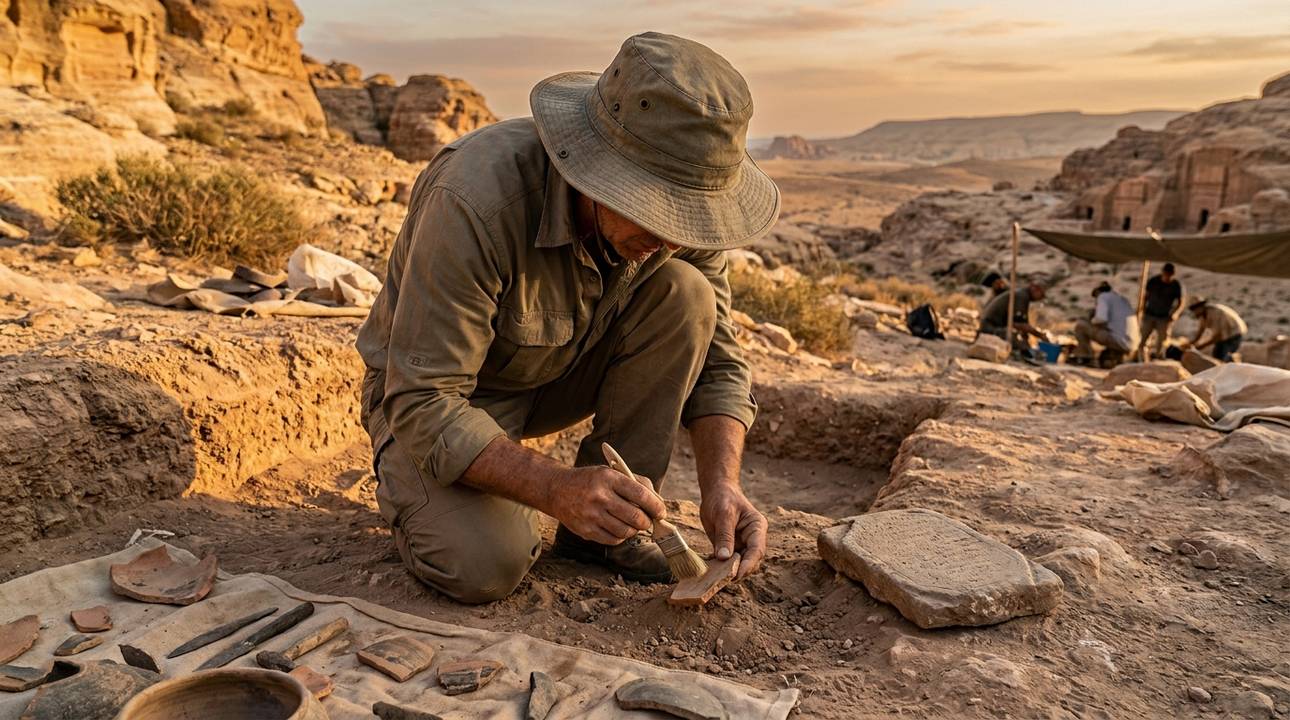
Ongoing research and archaeological discoveries in Edom reveal new layers of understanding about the ancient Middle East. For example, excavations at sites like Bozrah, Edom’s capital, add to the rich tapestry that defines this remarkable region.
The historical significance of Edom is further highlighted by its interactions with neighboring nations, as recorded in biblical texts. The kingdom’s complex relationships with Israel and other cultures are subjects of ongoing study and exploration.
Edom’s enduring legacy is reflected in the archaeological and historical research that continues to uncover its past. The region’s unique blend of natural beauty and historical depth offers a fascinating glimpse into the ancient world and its enduring influence on the present.
Exploring Edom: A Visitor’s Guide
For those planning to visit Edom, the experience promises a journey through time. Sites like Petra, an iconic archaeological wonder, are within the broader Edomite territory. Petra, known for its stunning architecture carved into rose-red cliffs, was once a major hub of commerce and culture.
Guided tours often blend historical education with adventure, allowing visitors to immerse themselves in the land’s storied past. The rich heritage offers not only a trip through history but also a connection to the land that shaped many biblical narratives, such as the story of Esau and Jacob.
Visitors to Petra can explore its intricate rock-cut architecture and learn about the Nabateans, who succeeded the Edomites in the region. The city’s strategic location made it a center of trade and culture, attracting merchants from across the ancient world.
The breathtaking scenery and historical significance of Petra make it a must-see destination for those interested in the ancient world. The site offers a unique opportunity to walk in the footsteps of history and experience the enduring legacy of Edom and its successors.

Geographical and Historical Insights
