
Exploring the Meaning of Nazareth in Hebrew
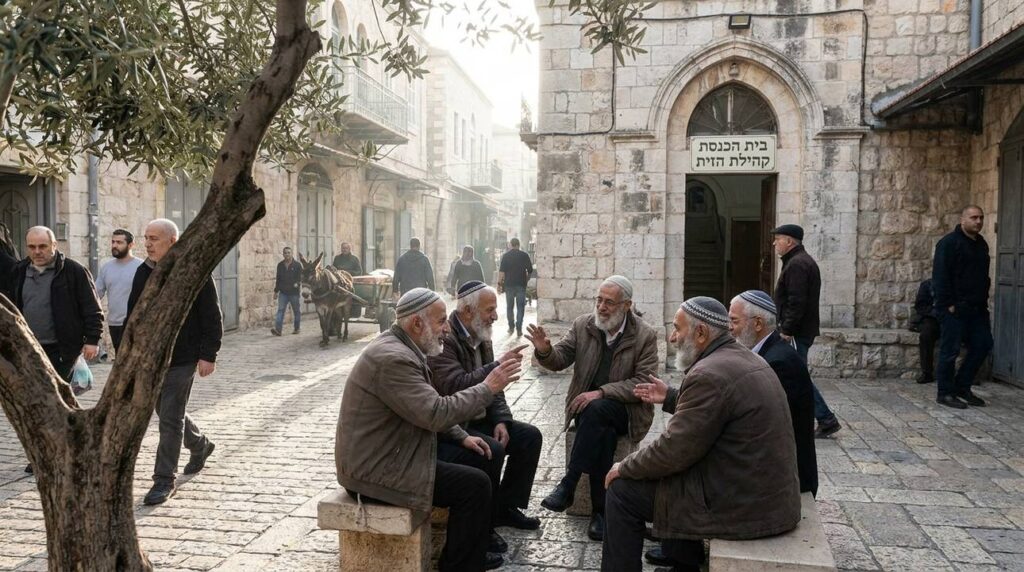

Nazareth, a name steeped in history and cultural resonance, holds significant meaning within the context of the Hebrew Bible. Situated in the northern part of Israel, Nazareth has captured the imagination of many through its storied past and spiritual associations.
This article delves into the etymology, historical context, and cultural impact of Nazareth, examining its roots and the various interpretations of its meaning in Hebrew context. The city’s history includes its mention in ancient texts and its role during the Roman period.
Nazareth’s historical significance is highlighted by its mention in various ancient records, including those from the Roman era. The city’s strategic location in the Galilee region made it a key site for cultural and trade exchanges.
During the Roman period, Nazareth was part of the larger Galilee region, which was known for its diverse population and vibrant trade routes.
Exploring Nazareth’s etymology and historical context provides a deeper understanding of its role in religious and cultural narratives, offering insights into its enduring legacy in the region.
from the Western Wall to Masada.

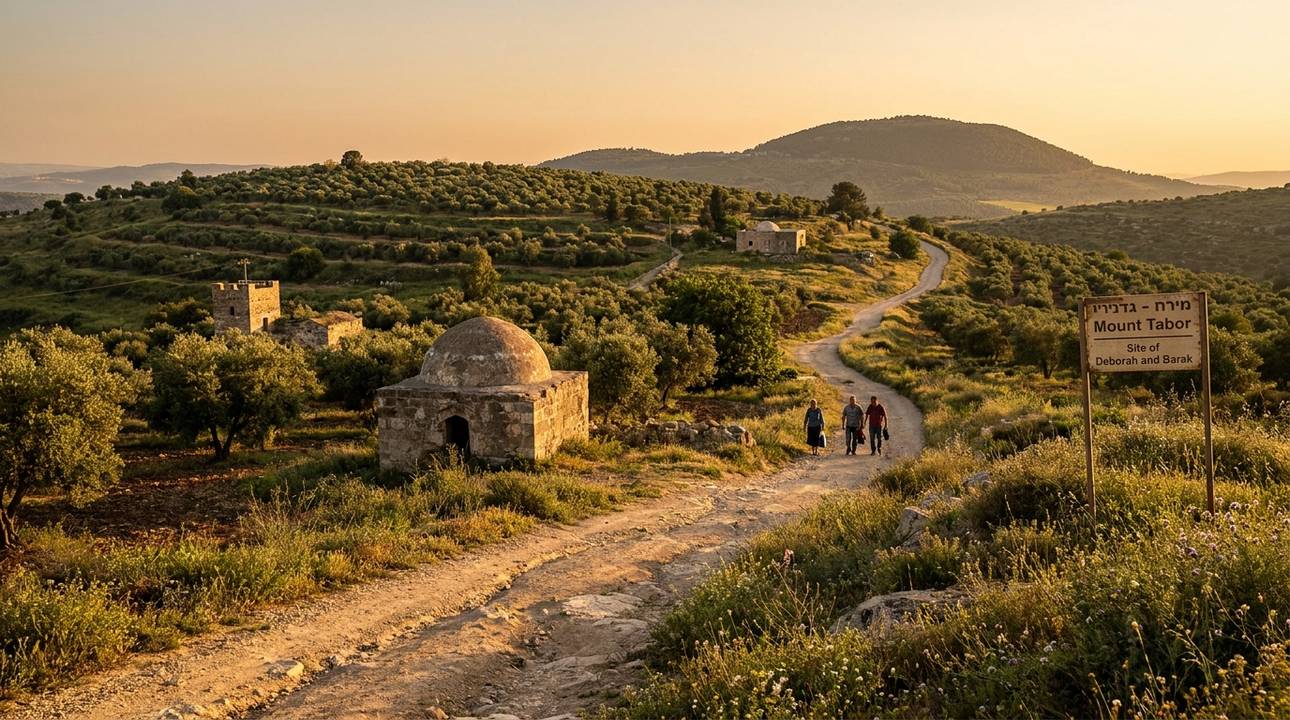
The Galilee region, where Nazareth is located, was also the setting for many significant biblical events, such as the battle led by Deborah and Barak against the Canaanites (Judges 4:6-16).
This historical backdrop adds layers of cultural and spiritual depth to Nazareth’s story, making it a focal point for understanding the broader history of the area.
The Etymology of Nazareth
The name Nazareth might be linked to the Hebrew word ‘Netzer,’ which means branch, suggesting themes of growth and renewal. This connection is reflected in Isaiah 11:1, where a branch is described as emerging from the roots of Jesse, symbolizing hope and continuity.
The imagery of a branch is often associated with the Messianic hope of new beginnings and restoration. In biblical narratives, the notion of a branch often signifies something that springs forth or emerges anew.
This idea resonates deeply within Jewish symbolism, reflecting a broader theme of spiritual rejuvenation and promise.
The concept of a branch as a symbol of renewal is also seen in the story of the Israelites’ return from Babylonian exile, as described in the books of Ezra and Nehemiah. This return marked a new beginning for the Jewish people, much like the renewal symbolized by the ‘Netzer’ in Nazareth.
The etymology of Nazareth reflects not just a literal understanding but an emblematic representation of renewal. In Jewish tradition, the imagery of a branch is powerful, often associated with the Messianic hope of new beginnings and restoration.
Isaiah 11:1 speaks of a branch coming from Jesse’s roots, symbolizing hope and renewal.
This symbolic meaning of Nazareth as a place of growth and renewal is woven into the cultural and religious tapestry of the region, offering a rich context for understanding its historical and spiritual significance.
The concept of renewal is also reflected in the story of the Israelites’ return from Babylonian exile, as described in the books of Ezra and Nehemiah. This return marked a new beginning for the Jewish people, much like the renewal symbolized by the ‘Netzer’ in Nazareth.
Nazareth in Historical Context
Nazareth is located in the Galilee region of northern Israel, an area rich with historical and cultural significance. Galilee has been a central hub of activity, known for its fertile lands and strategic location.
Historical records, such as those from the Roman period, highlight its importance even before biblical texts were composed. The town’s geographical placement in a fertile valley made it ideal for settlement, supporting agriculture and trade.
While its early history remains somewhat obscure, Nazareth’s later impact on religious narratives is significant.
The Galilee region, where Nazareth is situated, has been a backdrop for numerous biblical events, including those involving figures like Deborah and Barak (Judges 4:6). This area’s cultural and historical activity has contributed to its lasting legacy.
Nazareth’s role in these narratives underscores its importance as a site of spiritual and historical interest. The town’s later prominence in religious stories adds to its mystique, bridging its ancient roots with its enduring significance in religious traditions.
The story of Deborah and Barak, who led a successful campaign against the Canaanites, highlights the strategic importance of the Galilee region in biblical times. This historical context enriches our understanding of Nazareth’s place within the broader narrative of the region’s spiritual and cultural heritage.
Nazareth in Biblical Narratives
Though not mentioned explicitly in the Hebrew Bible, Nazareth’s significance arises from later texts that situate key narratives there. Its relatively humble status during ancient times contrasts with its profound later impact.
The city’s modest beginnings are reminiscent of other biblical stories, such as David’s rise from shepherd to king, as recounted in 1 Samuel 16:11-13. As the childhood home of a pivotal biblical figure, it became central to various spiritual teachings.
This theme of humble beginnings leading to noteworthy achievements is echoed in the story of David.
The story of Joseph, who was sold into slavery and later became a powerful leader in Egypt (Genesis 37-50), also reflects this theme of rising from humble beginnings. Such narratives highlight the potential for greatness to emerge from modest origins, a theme that resonates with Nazareth’s historical and spiritual significance.
Nazareth’s role in these narratives highlights the importance of modest origins and the potential for greatness. This theme is a recurring motif in biblical stories, where seemingly insignificant places or people play crucial roles in larger spiritual and historical contexts.
For instance, David was a shepherd boy before becoming king, as described in 1 Samuel 16:11-13. The city’s later prominence in religious traditions underscores its enduring significance as a symbol of transformation and spiritual growth.
Similarly, the story of Ruth, a Moabite woman who became the great-grandmother of King David, illustrates how humble beginnings can lead to significant roles in history (Ruth 4:13-17).
Nazareth’s transformation from a small village to a center of spiritual significance mirrors these biblical themes of unexpected greatness emerging from humble origins.
Nazareth’s Cultural Significance
Beyond its historical and biblical context, Nazareth holds cultural significance for many today. As a living tapestry of history and modernity, it brings together diverse communities, including Jewish, Christian, and Muslim residents.
This diversity is celebrated through cultural events and festivals that highlight the city’s unique blend of traditions. The town’s cultural events, such as the annual Nazareth Festival, culinary diversity, and artistic endeavors highlight its role as a vibrant focal point in modern Israel.
This synthesis of the old and the new continues to draw visitors and residents alike.
from the Western Wall to Masada.
The Nazareth Festival, for example, showcases local music, dance, and cuisine, providing a platform for cultural exchange and celebration. These events underscore Nazareth’s role as a hub of creativity and cultural vibrancy in the region.
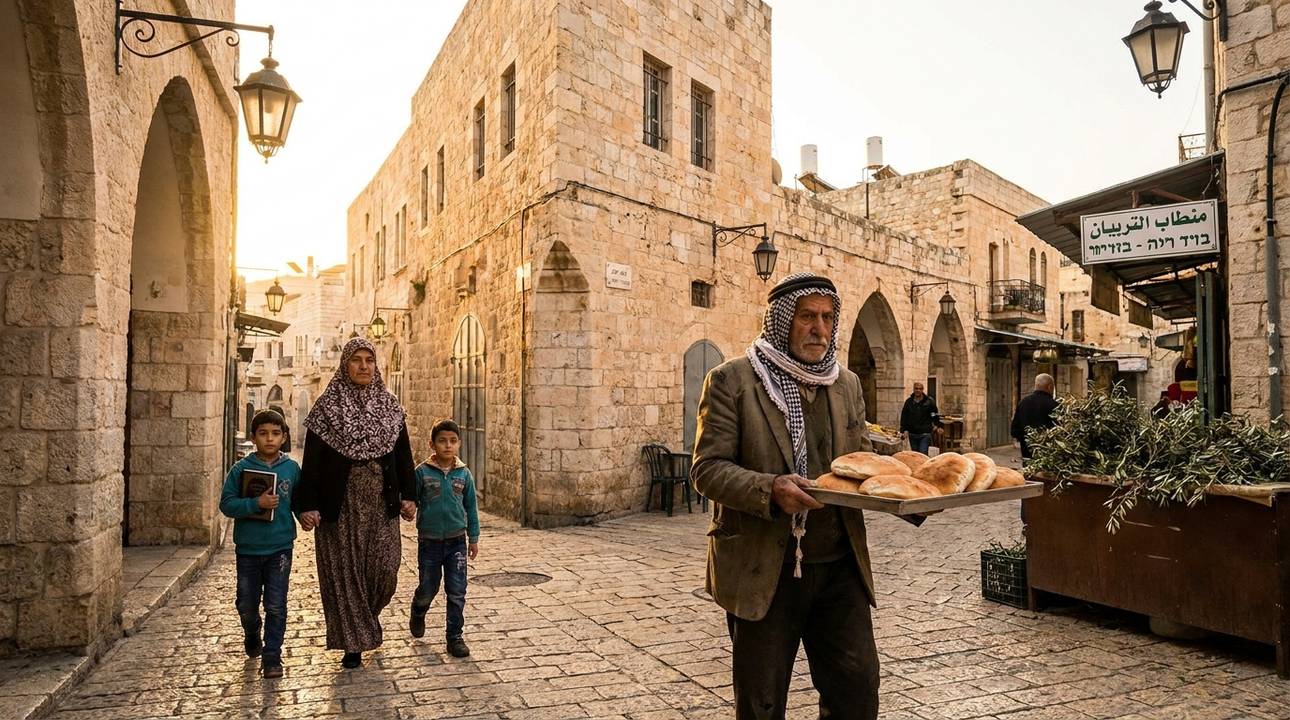
Nazareth’s unique blend of history and modernity provides a glimpse into Israel’s multifaceted identity. The city’s vibrant markets, traditional crafts, and contemporary art scenes offer a window into the cultural richness of the region.
Visitors can explore these markets, where local artisans display their crafts, alongside modern galleries showcasing contemporary Israeli art.
Visitors can explore the city’s ancient sites, such as the archaeological remains of ancient synagogues, alongside modern attractions, making Nazareth a compelling destination for those interested in Israel’s diverse heritage.
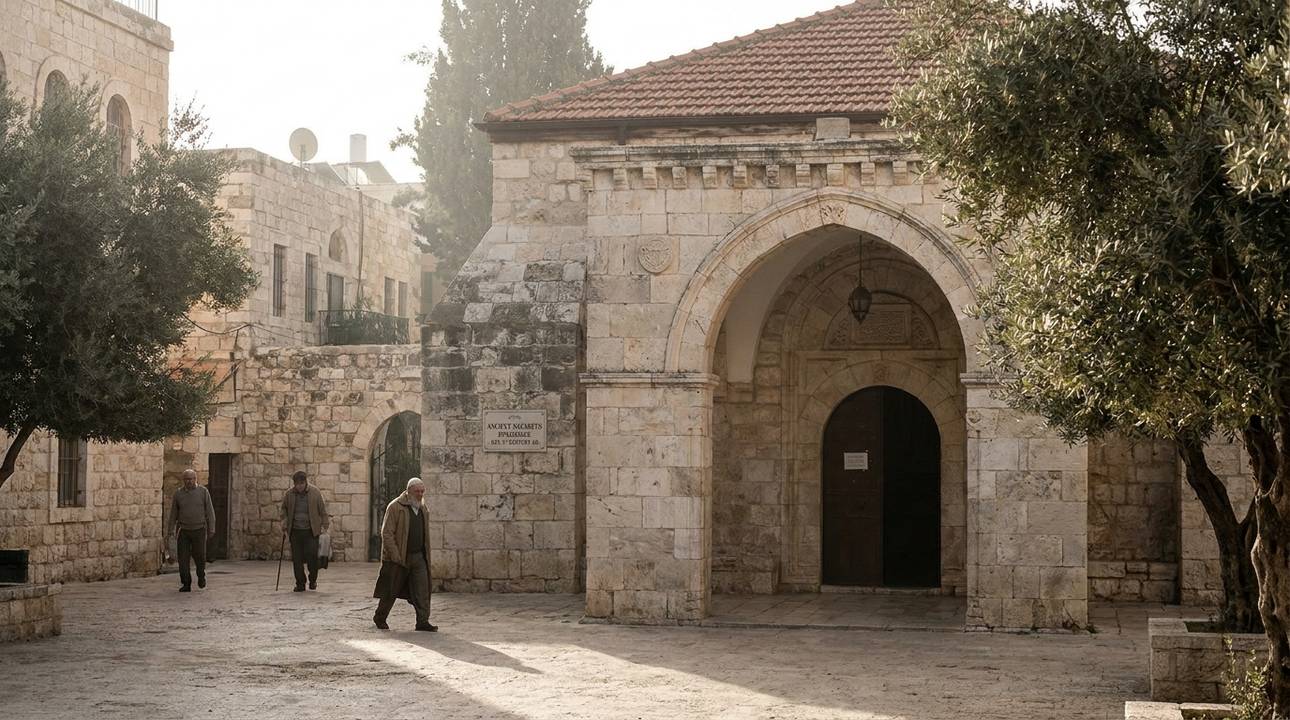
The city’s historical significance is further highlighted by its ancient synagogues, which provide a connection to its rich religious past. These sites, along with modern cultural attractions, offer a comprehensive view of Nazareth’s role in the broader narrative of Israel’s history.
Nazareth’s Role in Modern Israel
In contemporary times, Nazareth stands as a vibrant city in northern Israel, where tradition meets modern life. It is home to a diverse community, reflecting the cultural mosaic of Israel, with influences from its Jewish, Christian, and Muslim residents.
This diversity is evident in the city’s cultural events and festivals, which celebrate the unique blend of traditions. Nazareth’s spiritual resonance continues to attract tourists and scholars alike, eager to explore its layered history.
The city’s role during the Ottoman Empire and the British Mandate period adds to its rich historical tapestry.
During the Ottoman Empire, Nazareth was a significant administrative center, and its importance continued into the British Mandate period, when it became a focal point for regional governance. These historical layers contribute to the city’s complex identity and enduring appeal.
Nazareth embodies the broader context of a dynamic Israel, reflecting the complex tapestry of its past and present interactions. The city’s historical sites, such as the ancient bathhouses and Roman-era ruins, offer insights into its storied past.
These remnants of history provide a glimpse into the life and culture of ancient Nazareth. Today, Nazareth thrives as a center of cultural exchange and innovation, bridging its ancient traditions with contemporary life.
This blend of history and modernity makes it a unique and compelling place to visit.
In addition to its historical significance, Nazareth hosts numerous cultural events and festivals that celebrate its diverse heritage. These events highlight the city’s role as a hub of creativity and cultural exchange, drawing visitors from around the world to experience its vibrant atmosphere.
Nazareth: A Symbol of Hope
Nazareth’s image extends beyond geographical boundaries, serving as a symbol of hope and perseverance for many people around the world. Its narrative is one of restoration and resilience, mirroring the larger story of the land it resides within.
The city has witnessed various historical events, such as the Maccabean Revolt in the 2nd century BCE, which emphasized the spirit of resilience.
As people explore its significance, Nazareth continues to inspire with its enduring message of growth and reawakening, drawing visitors who seek to connect with its rich history.
Nazareth, often believed to derive from the Hebrew word ‘Netzer,’ which means a branch or shoot, carries a symbolic meaning of growth and renewal. This term is found in the Hebrew Bible, such as in Isaiah 11:1, where a branch is described as coming from the roots of Jesse.
This imagery is associated with the Messianic hope of new beginnings and restoration. The city’s significance is deeply embedded in cultural, historical, and religious narratives, serving as a symbol of spiritual growth and resilience.
The concept of ‘Netzer’ also resonates with the story of Joseph, who rose from being sold into slavery to becoming a powerful leader in Egypt, as recounted in Genesis 37-50. Such stories of renewal and growth are woven into the fabric of Jewish tradition, emphasizing the potential for transformation and hope.
Today, Nazareth stands as both a spiritual symbol and a modern cultural beacon, bridging ancient traditions with contemporary life. The city’s vibrant cultural scene, including its festivals and artistic expressions, reflects this dynamic blend.
For example, the annual Nazareth Festival showcases local music, art, and culinary traditions. Nazareth’s role as a center of spiritual and cultural renewal continues to draw visitors and residents, offering a unique perspective on the region’s rich heritage and ongoing evolution.
The city’s historical sites, such as the ancient bathhouses and Roman-era ruins, provide a tangible connection to its storied past. These sites are complemented by modern attractions, creating a unique blend of history and contemporary culture that appeals to both tourists and locals.
Understanding Nazareth
