
Unraveling Laffa Bread: Recipe and Comparisons
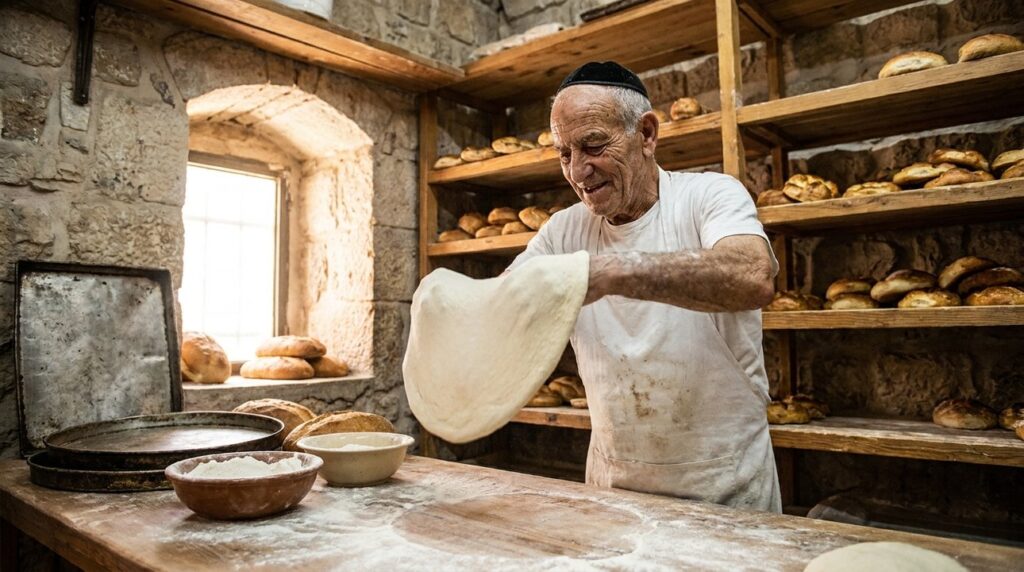

Laffa bread, a beloved component of Middle Eastern cuisine, offers a taste of tradition and cultural richness. Its soft, chewy texture stands in delightful contrast to its better-known cousin, pita bread.
The origins of laffa can be traced back to ancient times, similar to the bread offerings made in Leviticus 2:4, where unleavened cakes were part of sacred rituals.
To understand what makes laffa special, we’ll explore its recipe, unique qualities compared to pita, and cherished place at the table.
Join us on this culinary journey through the flavors and stories of laffa bread. This journey is much like the path of discovery in the Book of Ruth, where Ruth learns about her heritage and the customs of her new home (Ruth 2:11-12).
Serving as a bridge between past and present, laffa connects us to the rich tapestry of Middle Eastern history. Ruth’s journey was one of adaptation and acceptance, much like how laffa has been embraced across cultures.
Israeli Cookbook
Inspired by the Farms of Israel

As Ruth discovered her place within her new community, this bread continues to find its place on tables worldwide. It not only brings flavors but also stories of resilience and connection, much like Ruth’s own story. Each bite of laffa is a step into the past, where culinary traditions were born out of necessity and creativity.
The Essence of Laffa Bread
Laffa is a traditional flatbread originating from the Middle East. Known for its softness and flexibility, it is typically larger and thicker than pita bread.
This type of bread has been a part of Middle Eastern diets for centuries, much like the unleavened bread mentioned in Exodus 12:39, which was made in haste during the Exodus. Unlike pita, laffa doesn’t usually have a pocket and is preferred for wraps and scooping foods like hummus.
This makes it ideal for dishes such as sabich, an Israeli sandwich.
This bread is immensely popular in Israeli cuisine and is often served alongside grilled meats, making it a staple in many Middle Eastern meals.
Its role in meals is akin to the bread shared during ancient feasts, like those described in the Book of Esther (Esther 9:22), where community and celebration were central themes. In these gatherings, bread was not merely a side dish but a symbol of hospitality and abundance.
Esther’s story highlights the importance of sharing meals in building community bonds.
In the rich tapestry of Jewish history, meals like those in Esther’s time were pivotal for fostering unity and joy. The bread served at these feasts was often accompanied by wine and other delicacies, creating an atmosphere of festivity and gratitude. Such traditions continue today, with laffa playing a similar role in modern celebrations.
Comparing Laffa to Pita Bread
While both laffa and pita are flatbreads, their differences are notable. Laffa is thicker and softer, making it versatile for wraps without tearing. This characteristic is reminiscent of the bread used in ancient times, such as when Elijah was fed by ravens in 1 Kings 17:6, where bread was a staple.
Pita, on the other hand, is usually thinner and develops a pocket during baking, suitable for stuffing. This pocket is similar to the bread described in Genesis 18:6, when Sarah prepared bread for guests.
In 1 Kings, bread was a vital part of sustenance, highlighting its importance in daily life. Today, laffa’s soft texture makes it ideal for wrapping a variety of fillings, while pita’s pocket offers a convenient way to enjoy hearty ingredients.
These differences reflect the diverse ways bread has been used throughout history, adapting to the needs and preferences of different cultures.
These variations lead to distinct uses in culinary contexts, with each bread bringing a unique texture and flavor to dishes. For example, laffa can be used to wrap shawarma, while pita is perfect for holding falafel.
This versatility reflects the adaptability seen in many Middle Eastern cuisines, where bread serves as both a utensil and a complement to meals. The choice between laffa and pita often depends on the desired texture and flavor profile of the dish.
Laffa’s soft and pliable nature makes it ideal for wrapping meats and vegetables, while pita’s pocket is perfect for stuffing with fillings. This adaptability is reminiscent of how bread has been used throughout history, serving as a canvas for flavors and a tool for eating.
Each type of bread offers a different experience, enhancing the enjoyment of Middle Eastern cuisine.
Creating Laffa Bread at Home
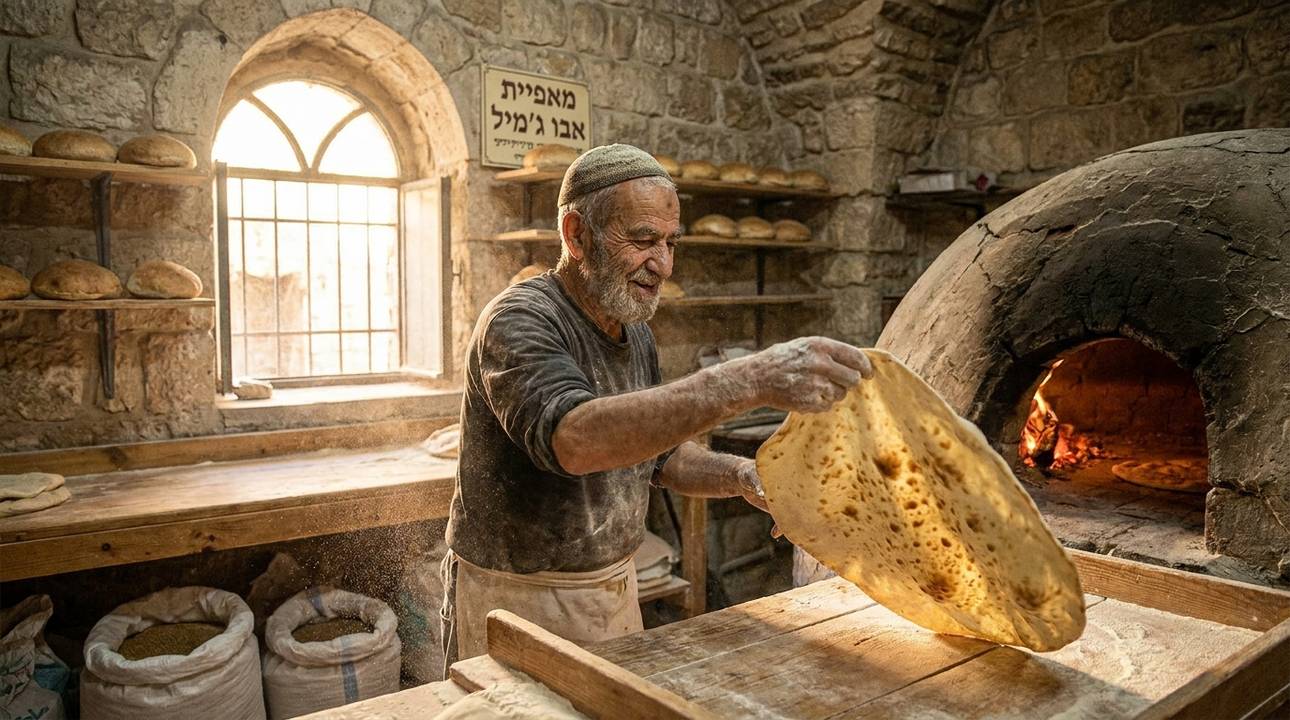
Making laffa at home is a rewarding endeavor. Begin by mixing flour, yeast, salt, and warm water to form a dough, much like the ancient Israelites did when baking unleavened bread during their exodus (Exodus 12:39).
Let the dough rise until it doubles in size, a process that can take about an hour. Divide it into balls, roll each out into circular shapes, and cook on a hot skillet, similar to how flatbreads have been cooked in Middle Eastern homes for centuries.
The result is a warm, pliable bread that invites creativity with its array of uses, whether as a wrap or a base for toppings.
Laffa Bread in Israeli Cuisine
In Israel, laffa holds a special place at the culinary heart. It’s often part of a meal that celebrates flavors and community, much like the communal feasts described in the Book of Esther (Esther 9:22).
These gatherings are reminiscent of the shared meals in ancient times, where bread was a central element. Served at gatherings and outdoor markets, laffa accompanies meats and salads in a delightful complement of tastes.
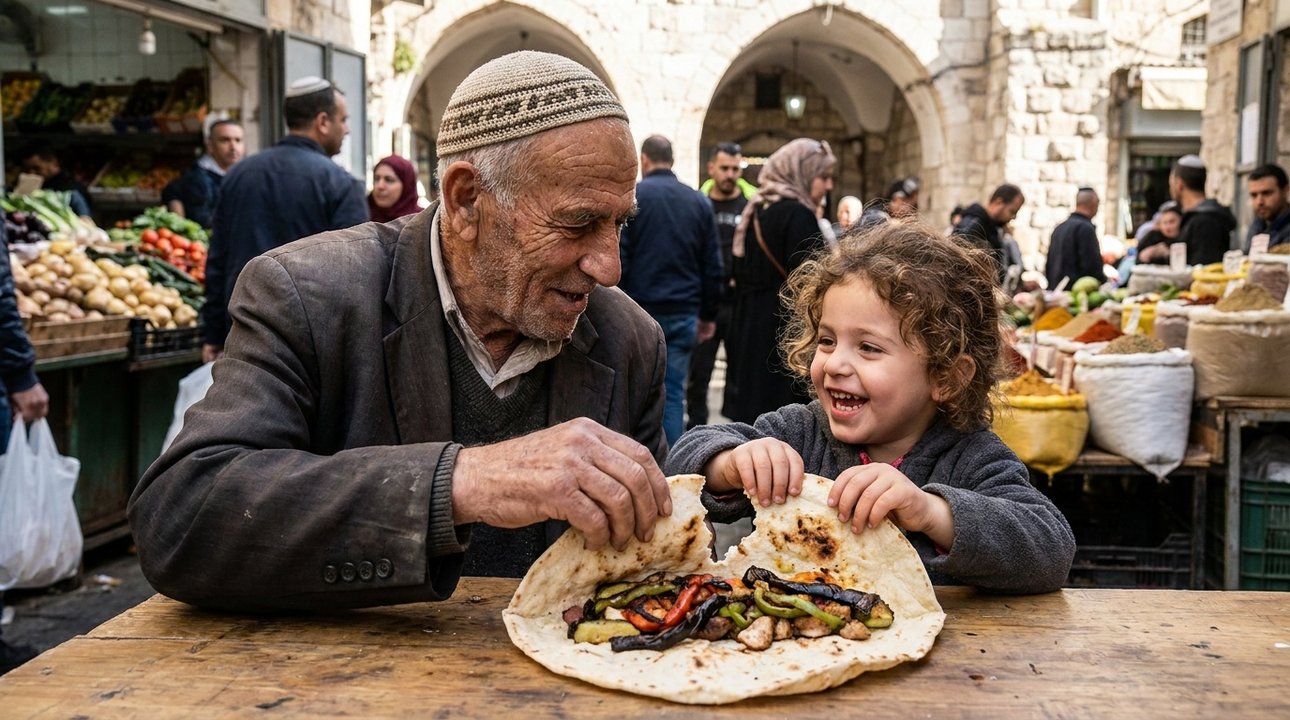
In outdoor markets, laffa is often seen alongside vibrant displays of fresh produce and aromatic spices. This lively setting underscores its role as a staple in Israeli cuisine. Much like the feasts of Esther’s time, these modern gatherings celebrate community and the joy of sharing food, with laffa as a key component.
It is often paired with dishes like shawarma or falafel, enhancing its flavor. This pairing is similar to the meals shared during biblical celebrations, where bread and meat were often served together, as seen in Genesis 18:8.
Its cultural significance and versatility make it an enduring favorite in homes and eateries alike, serving as a reminder of shared heritage and community. In Genesis, Abraham’s hospitality is highlighted through the offering of bread and meat to his guests.
This ancient practice of sharing meals continues today with laffa, which complements a variety of dishes. Whether enjoyed in a bustling market or a quiet home, it brings people together, much like the communal meals of biblical times.
Its role at the table is a nod to the past and a celebration of the present, bridging generations and cultures.
Cultural Significance of Laffa Bread
Laffa embodies more than just taste; it represents tradition and connection. Rooted in Middle Eastern heritage, it carries stories of family and shared meals, similar to the communal gatherings described in the Book of Ruth (Ruth 2:14).
These gatherings highlight the importance of community and shared experiences, much like the communal ovens used in ancient times. Every bite connects one with generations of history, where bread was not just sustenance but a part of life’s rhythm.
In Ruth’s story, meals were a time for fellowship and storytelling, strengthening bonds within the community. Laffa continues this tradition, serving as a delicious reminder of the connections forged through shared meals.
Its role at the table is a testament to the enduring power of food in bringing people together and preserving cultural heritage.
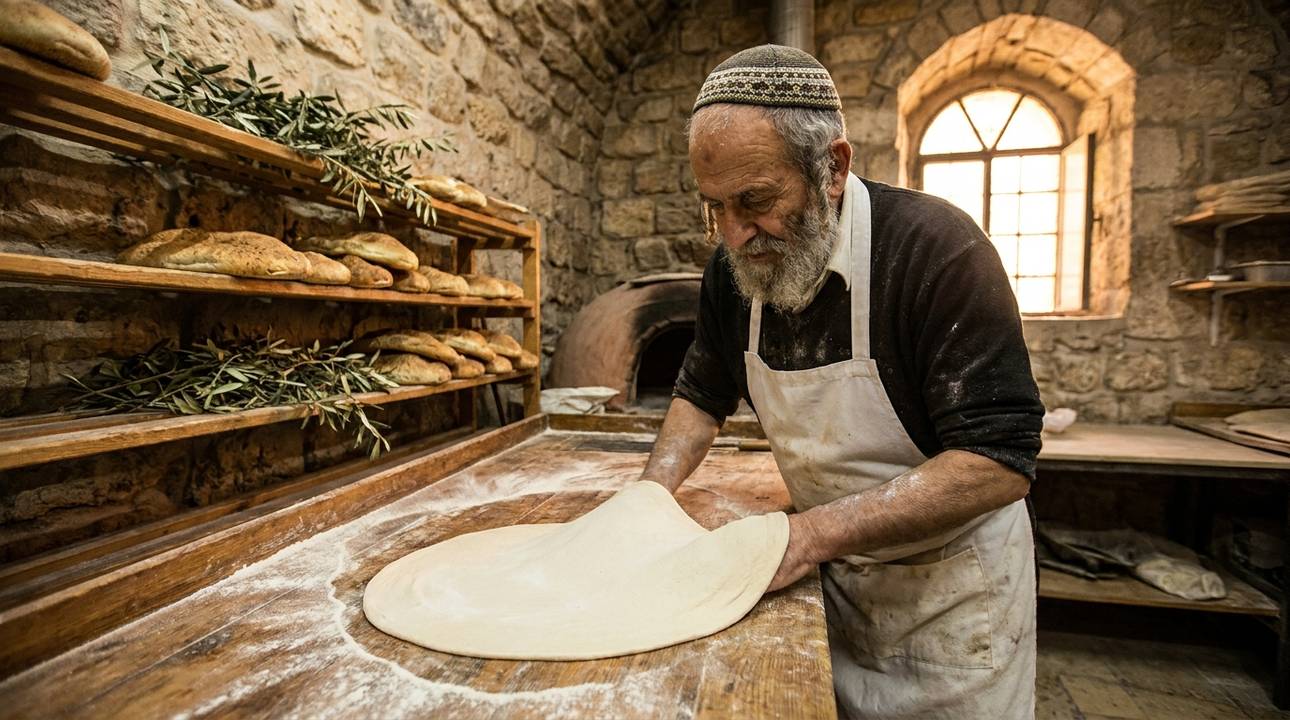
In ancient times, bread was often baked in communal ovens, fostering a sense of community. This practice is reminiscent of the shared meals and customs described in the Torah, where bread played a central role in daily life.
In Israeli culture, laffa is a symbol of unity and culinary artistry, much like how challah is braided to symbolize unity and continuity. This symbolism reflects the enduring significance of bread in cultural and religious practices.
Israeli Cookbook
Inspired by the Farms of Israel
The communal baking of bread was not just a practical necessity but a social event, bringing people together. In the Torah, bread is often associated with hospitality and fellowship, as seen in stories like that of Abraham.
Today, laffa continues this tradition, serving as a delicious reminder of the bonds formed through shared meals and communal experiences.
Exploring Laffa’s Global Appeal
The appeal of laffa has crossed borders, touching global culinary landscapes. Its adaptability allows it to complement a vast array of global dishes, much like how couscous is used in North African and Mediterranean cuisines.
This adaptability is reminiscent of the diverse uses of bread in biblical times, such as when David received bread from the priest Ahimelech (1 Samuel 21:6). From Italian wraps to Indian curries, laffa serves as a backdrop to flavors worldwide.
In 1 Samuel, bread was a symbol of sustenance and hospitality, offered to David during his time of need. Today, laffa continues this tradition of nourishment and generosity, enhancing dishes from various cultures.
Its ability to pair with different cuisines highlights its universal appeal and the timeless nature of bread as a staple in diets around the world.
It can be filled with Italian prosciutto or Indian paneer, demonstrating its global reach. The bread’s growing popularity highlights its versatility and appeal beyond the Middle East, similar to how sushi has become a global favorite.
This global embrace of laffa mirrors the spread of cultural practices, much like the spread of Jewish customs described in the Book of Esther. Esther’s story shows how traditions can transcend borders and bring people together.
As laffa becomes a staple in diverse cuisines, it carries with it the flavors and stories of its origins. This bread’s ability to adapt to different ingredients and cultures is a testament to its universal appeal.
Much like how Jewish customs have been embraced worldwide, laffa serves as a delicious reminder of the interconnectedness of global culinary traditions.
Incorporating Laffa in Modern Cuisine
Modern chefs embrace laffa for its texture and taste. Its use in fusion cuisine exemplifies creativity and innovation, much like how spices were historically traded along the Silk Road, blending cultures.
This blending is reminiscent of the diverse ingredients used in King Solomon’s feasts, as described in 1 Kings 4:22-23. Laffa offers a canvas for culinary experimentation, welcoming toppings and fillings from diverse cultures.
In King Solomon’s time, feasts were grand affairs featuring a variety of foods and flavors. Today’s chefs channel this spirit of abundance and variety by using laffa as a base for innovative dishes.
Whether topped with traditional Middle Eastern ingredients or international flavors, laffa continues to inspire culinary creativity and cultural exchange.
For instance, it can be topped with Moroccan spiced lamb or Greek tzatziki, showcasing its versatility. This modern take showcases laffa’s ability to adapt while retaining its traditional roots, similar to how challah bread is used in various Jewish traditions.
This adaptability reflects the enduring nature of cultural foods, much like the ongoing significance of traditional Jewish bread in religious practices. Laffa’s ability to pair with diverse flavors highlights its role as a culinary canvas.
Whether topped with savory meats or creamy spreads, laffa remains true to its origins while embracing new influences. This balance of tradition and innovation is a hallmark of Middle Eastern cuisine, where ancient recipes are continually reimagined.
Just as challah holds a special place in Jewish rituals, laffa stands as a symbol of cultural continuity and culinary exploration.
The Future of Laffa Bread
As dining trends evolve, laffa continues to inspire chefs and food enthusiasts. Its blend of tradition and modernity promises an exciting future, akin to how quinoa has been embraced globally as a superfood.
This evolution is much like the changes in dietary practices described in the Book of Daniel, where Daniel chose a diet of vegetables and water (Daniel 1:12). Whether in home kitchens or gourmet restaurants, laffa invites exploration and enjoyment.
In the Book of Daniel, dietary choices were a reflection of personal values and beliefs. Similarly, laffa’s evolution in modern cuisine reflects a balance between preserving tradition and embracing new trends.
Its versatility allows it to adapt to contemporary tastes while maintaining its cultural roots, making it a beloved choice for chefs and home cooks alike.
It can be found in trendy eateries in Tel Aviv or in humble kitchens across the world. This beloved flatbread stands as both a culinary delight and a cultural connector, bridging past and present, much like how the Passover Seder connects Jewish families across generations.
This connection is a testament to the enduring power of food in preserving cultural heritage. In Tel Aviv, laffa is often served with innovative toppings, reflecting the city’s vibrant culinary scene.
Meanwhile, in homes around the world, laffa brings a taste of Israel to family tables. Its role in both modern and traditional settings highlights its versatility and cultural significance. Just as the Passover Seder brings families together, laffa fosters a sense of unity and shared history, reminding us of the communal nature of food.
Understanding Laffa Bread
