Exploring the Meaning of the Name Bethany
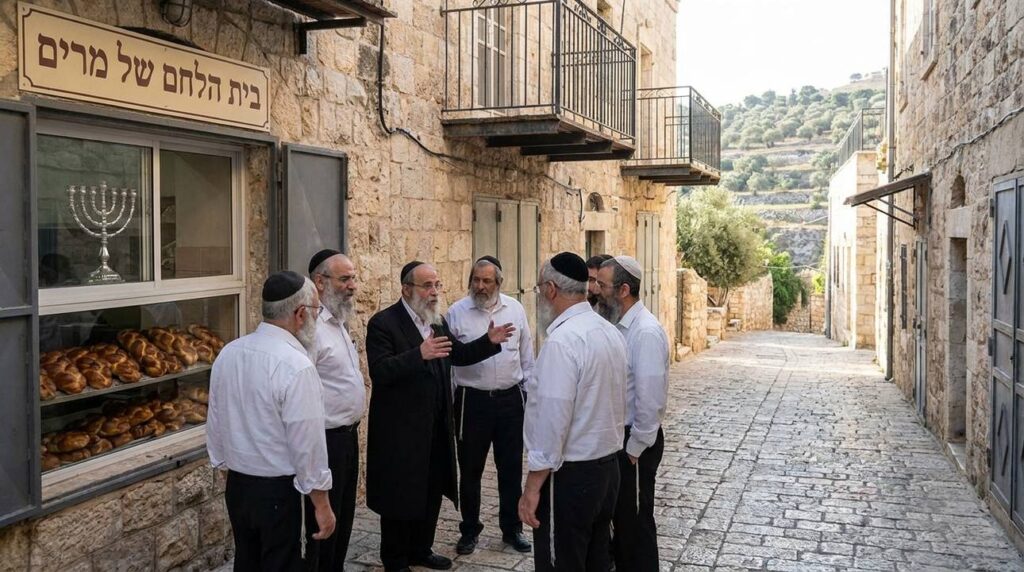

The name ‘Bethany’ carries rich layers of meaning in the Jewish tradition. Situated near Jerusalem, this village holds a significant place in biblical narratives. One notable mention is in the book of Zechariah 14:4, where the Mount of Olives, located near Bethany, is referenced.
This article delves into the name’s meanings and its role in Jewish cultural heritage. Bethany is often associated with stories of refuge and community, reflecting its historical role as a place of gathering and support. The village’s name itself is thought to mean ‘house of affliction’ or ‘house of figs’.
These interpretations of Bethany’s name highlight its dual role as both a place of healing and nourishment. The village’s significance is further emphasized by its proximity to key locations in Jewish history, such as Jerusalem and the Mount of Olives.
Bethany’s legacy continues to inspire those who seek to understand the deeper meanings behind the names and places mentioned in historical texts. Our subscription service offers a curated selection of 6-8 products that may include artisan foods, handcrafted goods, cosmetics, or cultural items, with contents varying each month.
from the Western Wall to Masada.
Bethany in the Hebrew Bible
Bethany is mentioned several times in historical accounts, particularly in the New Testament. However, in a historical and cultural sense, it is essential to understand Bethany’s significance in the broader context of Jewish geography.
The village, located on the eastern slope of the Mount of Olives, was central to various significant events. Particularly during the times of pilgrimage, it was a resting place for travelers. Understanding its geographical context helps further interpret its cultural importance. The Mount of Olives itself is a site of many historical events, offering insights into the region’s rich heritage.
Bethany’s strategic location made it a key point for those traveling to Jerusalem for religious festivals. The village’s role as a resting place is reminiscent of the hospitality shown by figures like Abraham, who welcomed strangers in Genesis 18:1-8.
This tradition of hospitality is a cornerstone of Jewish culture, and Bethany’s historical significance is a testament to this enduring value. The village’s proximity to Jerusalem and the Mount of Olives further underscores its importance in the biblical narrative and Jewish history.
Bethany’s Etymology and Significance
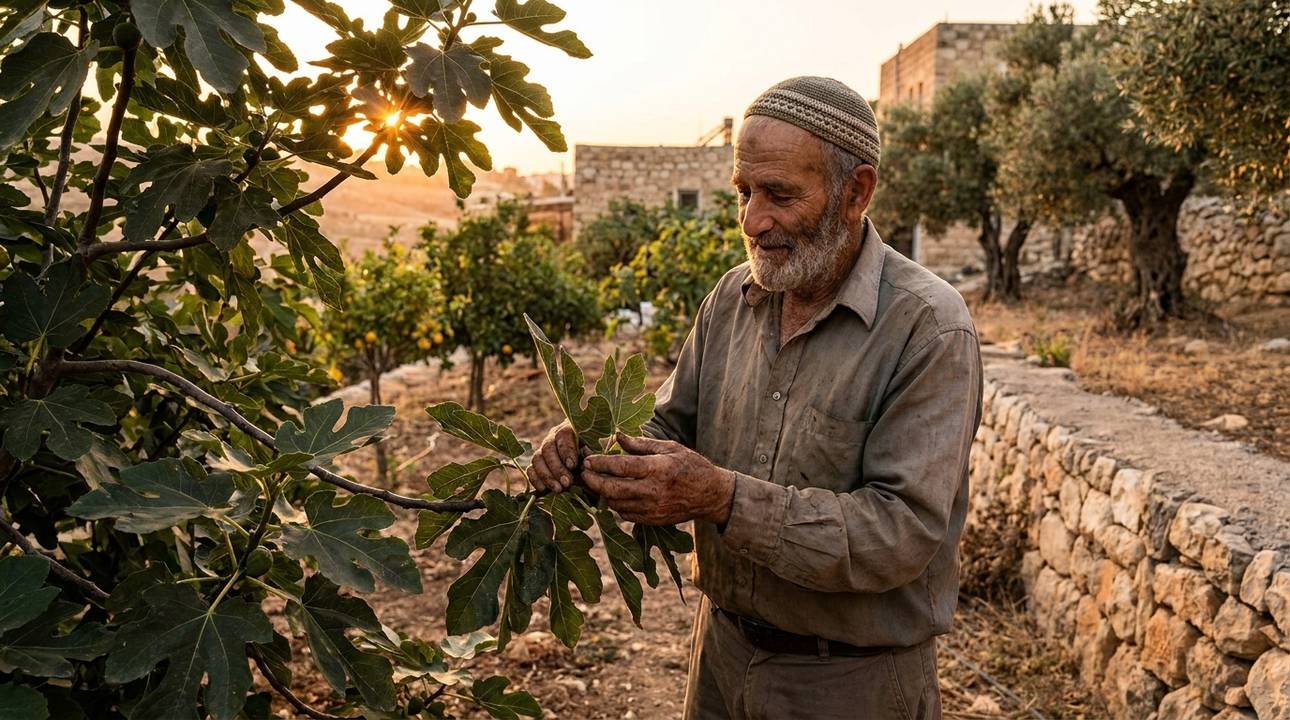
The name ‘Bethany’ is commonly believed to mean ‘House of Figs’ or possibly ‘House of Affliction.’ These interpretations draw from the Hebrew roots related to the name. The Hebrew word ‘Beit’ means ‘house,’ while ‘Ani’ can mean ‘affliction’ or ‘poverty,’ and ‘Te’enah’ refers to ‘figs.’
Understanding these etymologies provides a lens into the lifestyle and economy of Bethany, which might have been centered on agriculture. Agricultural references are common in biblical texts, such as in Deuteronomy 8:8, which lists figs among the produce of the land.
Cultural Context of Bethany
Bethany’s role extended beyond its agricultural significance. It was a village that provided hospitality to many travelers due to its location near Jerusalem. Jewish texts often reflect on places like Bethany, emphasizing the values of hospitality and community.
This reflects in various narratives where Bethany becomes a backdrop for profound acts of kindness. The village’s mention in these contexts reinforces its role as a place of refuge and comfort. For example, in the Hebrew Bible, places of refuge like Bethany are often highlighted for their welcoming nature.
In the context of Jewish tradition, hospitality is a recurring theme, as seen in stories like those of Abraham’s tent in Genesis 18:1-8, where he welcomes three visitors. Similarly, Bethany served as a sanctuary for travelers during the pilgrimage festivals in Jerusalem.
The village’s proximity to the Mount of Olives, a significant site mentioned in Zechariah 14:4, further emphasizes its importance. Bethany’s role as a place of comfort and rest is woven into the fabric of Jewish cultural memory, illustrating its enduring legacy.
Bethany in Rabbinic Literature
Within Rabbinic commentary, places like Bethany highlight the harmony between tradition and daily living. The village’s cultural backdrop is rich with lessons on community cohesion. Rabbinic texts use such locations to discuss broader themes like hospitality, resilience, and faith.
This contextualizes Bethany in a moral and ethical framework that was essential to Jewish life. These teachings remain relevant, illustrating how historical contexts were intertwined with spiritual lessons. In the Talmud, discussions often revolve around the importance of community support, as seen in Pirkei Avot 1:6.
Bethany, as a village, served as an example of how communities could thrive through mutual support and shared values. The stories and teachings associated with Bethany remind us of the importance of maintaining strong community ties.
The village’s historical significance is further highlighted by its proximity to Jerusalem, a central location for Jewish worship and pilgrimage. Bethany’s role in these narratives underscores the interconnectedness of geography and spiritual life in Jewish tradition, making it a key point of reference in Rabbinic literature.
The Evolution of Bethany in Modern Identity
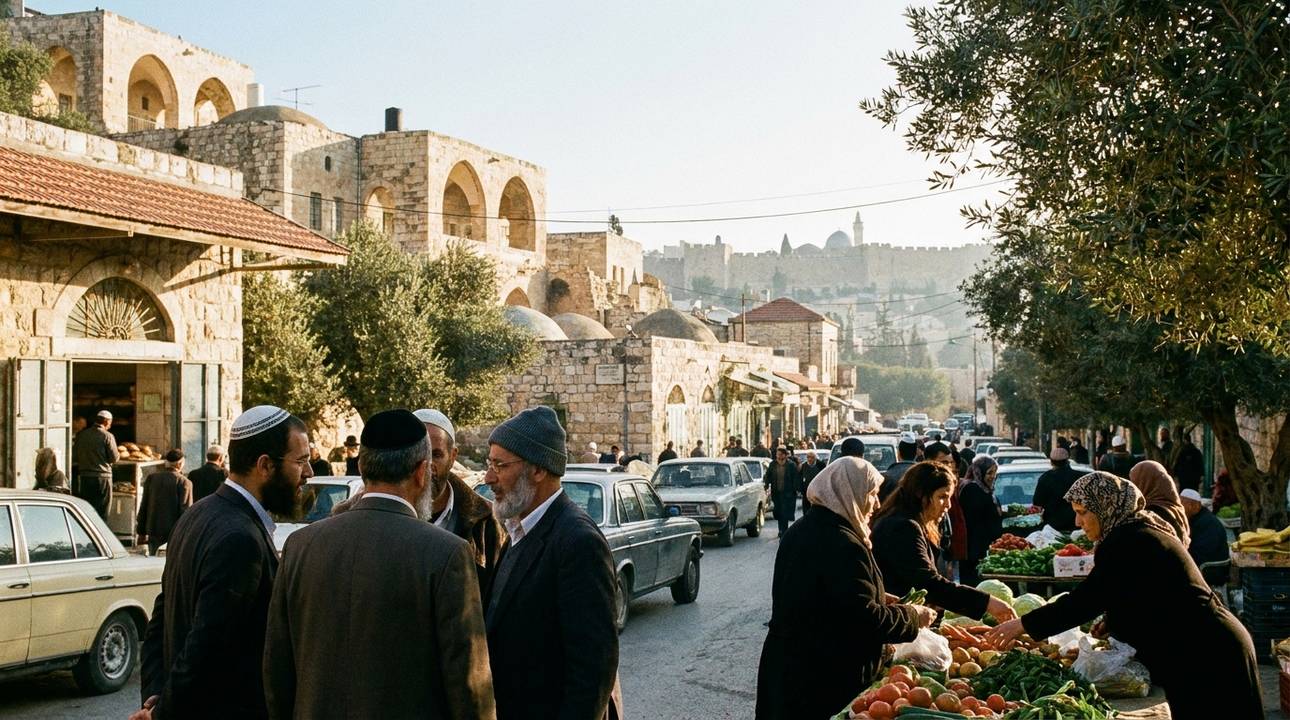
Today, the heritage of Bethany persists through its historical legacy. Many visitors are drawn to its ancient allure, seeking to connect with biblical history. Modern interpretations continue to explore Bethany’s spiritual significance, intertwining it with present-day Jewish identity. The village is mentioned in various Jewish texts, emphasizing its role in historical events.
It serves as a reminder of the enduring connection between geography, history, and faith, representing more than just a name on a map. The stories of Bethany and its role in Jewish tradition continue to resonate with those who explore its history.
from the Western Wall to Masada.
Bethany’s significance is further highlighted by its proximity to Jerusalem and the Mount of Olives, both central to Jewish worship and pilgrimage. The village’s historical and spiritual importance is a testament to its lasting impact on Jewish culture.
By understanding Bethany’s role in biblical narratives, individuals can appreciate the depth of its cultural and historical legacy. The village’s enduring presence in Jewish texts and teachings underscores its significance as a symbol of community, hospitality, and faith, offering valuable insights into the Jewish experience.
Present-Day Importance of Bethany
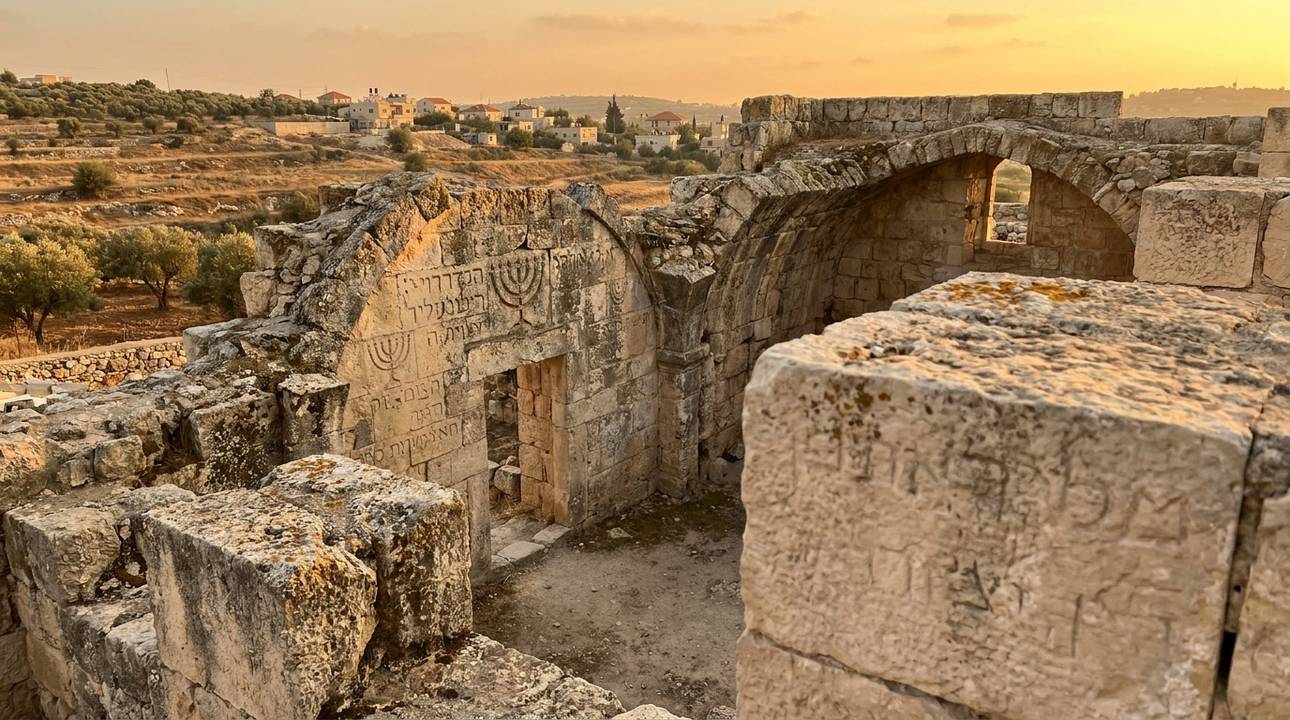
While times have changed, Bethany remains a symbol of enduring cultural strength. Its narrative contributes richly to Jewish tradition, serving as a bridge between past and present. Visitors continue to explore its ruins, reflecting on the stories and events once witnessed there, such as those during the period of the Second Temple.
In doing so, they help preserve the memory and lessons embedded in this historically significant place, ensuring that the cultural and historical narratives are not lost to time. The Second Temple period, which lasted from 516 BCE to 70 CE, was a time of significant development in Jewish history.
Bethany’s connection to this era highlights its role in the broader tapestry of Jewish life and tradition. The village’s ruins serve as a tangible link to the past, allowing visitors to engage with the history and stories that shaped Jewish culture.
By exploring Bethany, individuals can gain a deeper understanding of the historical contexts that influenced Jewish tradition. The lessons and values associated with Bethany continue to inspire those who seek to connect with their heritage and preserve the rich cultural legacy of the Jewish people.
Bethany in Liturgical Texts
Bethany is sometimes referenced in liturgical settings, emphasizing themes of refuge and welcoming. This reflects the enduring message of hospitality associated with its name. The focus on community within these texts highlights the importance placed on shared experiences and collective memory.
Such references continue to inspire modern communities to uphold these cherished values. In Jewish teachings, the village is often remembered for its openness and the warmth extended to travelers and those in need. The concept of ‘hachnasat orchim’, or welcoming guests, is a key value in Jewish tradition.
Bethany’s role as a place of refuge is echoed in the stories of biblical figures who sought shelter in times of need. The village’s historical context as a welcoming community is a testament to the enduring values of hospitality and kindness.
This legacy is preserved in Jewish liturgy and teachings, serving as a reminder of the importance of community support. The lessons from Bethany continue to resonate with those who strive to create inclusive and supportive environments, reflecting the village’s lasting impact on Jewish cultural heritage.
Conclusion
In summary, the name Bethany embodies more than just a geographical location. Its meaning, rooted in biblical tradition and cultural significance, highlights a legacy of hospitality and community. This article has explored the multiple layers of Bethany’s identity and its role within Jewish heritage.
The village remains a symbol of resilience, community, and historical depth, offering enduring lessons for future generations. Its stories continue to inspire those who seek to understand the rich tapestry of Jewish history and culture. Bethany’s legacy is a testament to the values that have shaped Jewish tradition.
Bethany’s historical significance is further emphasized by its proximity to key locations like Jerusalem and the Mount of Olives. These sites have played crucial roles in Jewish history, and Bethany’s connection to them underscores its importance.
The village’s enduring legacy serves as a reminder of the values of hospitality and community that are central to Jewish culture. By exploring Bethany’s history, individuals can gain a deeper appreciation for the cultural and spiritual heritage that continues to influence Jewish life today.
Frequently Asked Questions