Unraveling the Hebrew Meaning of Levi


Levi, a significant figure in the Hebrew Bible, carries a name rich with historical meaning and cultural heritage. As one of Jacob’s twelve sons, Levi’s legacy extends beyond his personal narrative to include the tribe that bore his name and the Levitical priesthood.
Assigned specific duties in the Temple, as detailed in 1 Chronicles 23:24-32, this group was responsible for maintaining sacred rituals and ensuring the purity of worship. Levi’s role in the Bible is further highlighted in Genesis 29:34, where he is born to Leah, Jacob’s first wife.
His birth is seen as a moment of hope and connection for Leah.
In this article, we explore the etymology, biblical mentions, and cultural significance of Levi, providing insights into how his story continues to resonate today. The tribe of Levi, known for its religious significance, played an integral role in the spiritual life of ancient Israel.
Entrusted with the care of the Ark of the Covenant and other sacred duties (Deuteronomy 10:8), they were responsible for carrying the Ark during the Israelites’ travels.
Levi’s descendants played a pivotal role in maintaining the spiritual and cultural fabric of the community, ensuring that traditions were upheld across generations.
from the Western Wall to Masada.

The Name Levi in the Hebrew Bible
Levi’s name appears early in the Bible, rooted in the story of Jacob and Leah. In Genesis 29:34, Leah names her third son Levi, expressing hope that her husband will become attached to her, as Levi means ‘joined’ or ‘attached.’
This initial naming sets the stage for the significant role Levi would play in the family lineage. In the Hebrew Bible, names often reflected personal or spiritual attributes, either anticipated or present.
Levi’s name not only embodies his mother’s sentiment but also hints at the future unity he would bring to his descendants: the Levites.
Levi’s story is woven into the fabric of Israel’s history, as he and his tribe later assume the role of spiritual leaders and priests, serving within the sanctuary.
The Tribe and Role of Levi
The Tribe of Levi holds a distinct place among the twelve tribes of Israel, charged with religious duties and temple service. Unlike other tribes, they were set apart specifically for divine service, their inheritance being the Lord rather than territorial lands (Numbers 18:20).
This unique position highlights their special role in the spiritual life of Israel, serving as priests and caretakers of the tabernacle. It is central to understanding the broader Hebrew concept of sacred duties and priesthood.
They were instrumental in guiding worship and maintaining ritual purity, fulfilling roles integral to Israelite society.
Within the tribe, the Kohanim (priests) emerged, descendants of Aaron, reinforcing the centrality of Levi’s lineage in religious practice. These priests were responsible for performing sacrifices and other sacred rituals, as detailed in Leviticus 6:9-13.
They played a vital role in maintaining the spiritual health of the community by ensuring that the laws of the Torah were followed.
Their role as spiritual leaders and custodians of religious tradition underscores their importance in maintaining the spiritual and cultural identity of the Israelite people. Their legacy continues to be a source of inspiration for those who value dedication and service.
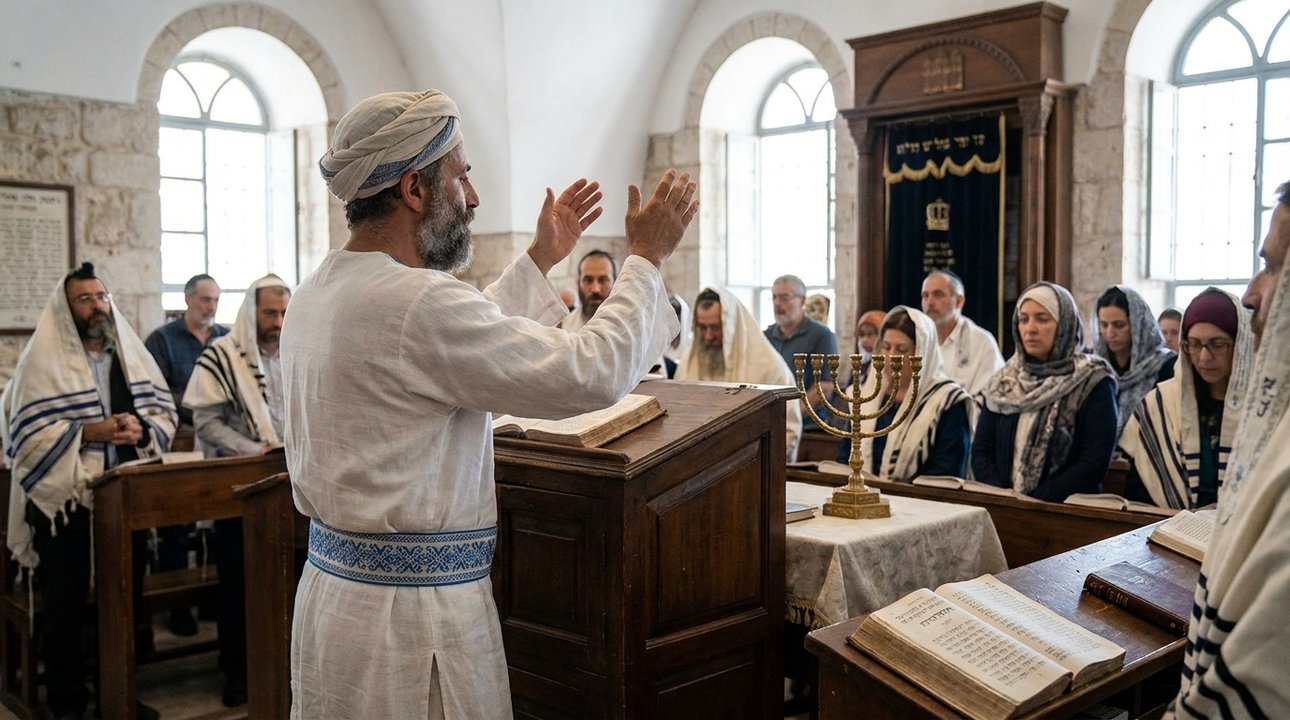
Levi in Biblical Narratives
Levi’s presence in biblical narratives is both foundational and illustrative. He and his brother Simeon are portrayed in Genesis 34, where their response to their sister Dinah’s plight is one of fierce protection, albeit leading to conflict.
This event, known as the incident at Shechem, highlights the brothers’ intense loyalty and protective instincts. Their actions, though extreme, were driven by a desire to uphold their family’s honor.
This narrative moment, despite its complexities, showcases Levi’s strong relational ties and the lengths to which he would go to preserve family honor. It highlights the intertwining of personal and tribal identity.
Levi is rendered not merely as a patriarch but as a symbol of familial integrity and fierce loyalty. The incident at Shechem, while controversial, underscores the importance of family and the lengths to which individuals might go to defend their loved ones.
In Genesis 34, Levi and his brother Simeon take drastic actions to avenge their sister Dinah, reflecting their deep sense of family honor. This story serves as a reminder of the complexities of human relationships and the enduring importance of family bonds.
Levi’s actions, though contentious, reflect a deep commitment to protecting his family and upholding their honor.
The Legacy of Levi Through the Levites
Descendants of Levi became key figures in the religious life of Israel, functioning as priests and temple servants. Their duties included music, instruction, and ritualistic functions, as seen in books like Numbers and Deuteronomy.
They were entrusted with the care of the sacred objects and the teaching of the Torah to the people. This priestly heritage underscores Levi’s enduring legacy, as his name continues through them, shaping the spiritual path of Israel.
They were tasked with ensuring the proper conduct of temple rituals, a role crucial in maintaining the religious integrity of the community.
Deeply connected to temple service, this group ensured that the sacred was upheld within the community, and their influence reached into various aspects of daily and religious life. They were responsible for teaching the Torah and leading worship, as outlined in 2 Chronicles 35:3.
Their duties included not only religious instruction but also the preservation of sacred texts and traditions. Their role as spiritual leaders and educators highlights their importance in guiding the moral and religious direction of the people.
Their legacy continues to be a source of inspiration for those who value dedication and service to the community.
from the Western Wall to Masada.

Levi in Jewish Thought and Tradition
In Jewish tradition, Levi is often discussed regarding his spiritual leadership and priestly roles. Rabbinic literature adds layers to his profile, emphasizing virtues like dedication and holiness. His descendants were tasked with carrying the Ark of the Covenant (Deuteronomy 10:8).
Levi’s narrative endures in Jewish consciousness, influencing discussions around leadership and service. They were seen as mediators between the divine and the people, a role that encapsulated the Hebrew understanding of communal responsibilities and spiritual dedication.
Their responsibilities extended beyond religious duties to include teaching and maintaining the moral fabric of society, as seen in 2 Chronicles 17:8-9. Their commitment to service and education highlights the values of leadership and community involvement that Levi’s name represents.
Often called upon to instruct the people in the laws of the Torah and to guide them in their spiritual journey, Levi’s legacy is reflected in ongoing discussions about the importance of spiritual leadership and the role of tradition in guiding contemporary life.
Their influence continues to inspire those who seek to uphold these values in their own communities.

Cultural Impact of Levi’s Name
Levi’s name carries cultural resonance, not only within biblical texts but also in modern identity. Many people named Levi today seek connection to their biblical roots, finding inspiration in his story.
In the Bible, Levi is mentioned in Genesis 29:34 as the third son of Leah and Jacob, and his descendants played crucial roles in Israel’s spiritual life. Known for their dedication to religious service and their role in maintaining the temple, they were pivotal.
Levi’s portrayal as a figure of attachment and service continues to evoke meaningful reflections on community and faith. His legacy is evident in the roles his descendants held within the Temple.
Levi’s descendants were responsible for various religious duties, including music and instruction, as detailed in 1 Chronicles 23:28-31. Their commitment to service exemplifies the values of dedication and community, which continue to inspire those who bear the name Levi today.
They played a crucial role in temple worship, often leading the congregation in song and ensuring that rituals were performed correctly. The enduring appeal of the name Levi lies in its rich historical context and the virtues it embodies.
It serves as a reminder of the importance of maintaining one’s cultural heritage while contributing to the broader community.
Contemporary Reflections on Levi
Today, Levi remains a name of choice for those looking to imbue their children with a sense of heritage and belonging. It suggests traits of loyalty, service, and interconnectedness.
In the Bible, Levi is often associated with duties related to religious service and maintaining the tabernacle (Numbers 3:6-9). They played a crucial role in Israelite society, ensuring the proper conduct of rituals and ceremonies.
Their responsibilities included singing psalms, teaching the Torah, and overseeing offerings, as outlined in 1 Chronicles 23:28-31.
In modern culture, Levi symbolizes maintaining one’s identity while contributing to the greater community. This resonates with those looking to bridge past traditions with present values.
The name evokes a sense of continuity, reflecting a balance between preserving one’s roots and engaging with contemporary society. Many named Levi today find inspiration in the values of service and community involvement.
For many, the name serves as a reminder of the importance of community involvement and the enduring impact of one’s heritage. It is a name that carries with it a legacy of dedication and communal service.

Understanding Levi's Role