
Atlit Area Guide
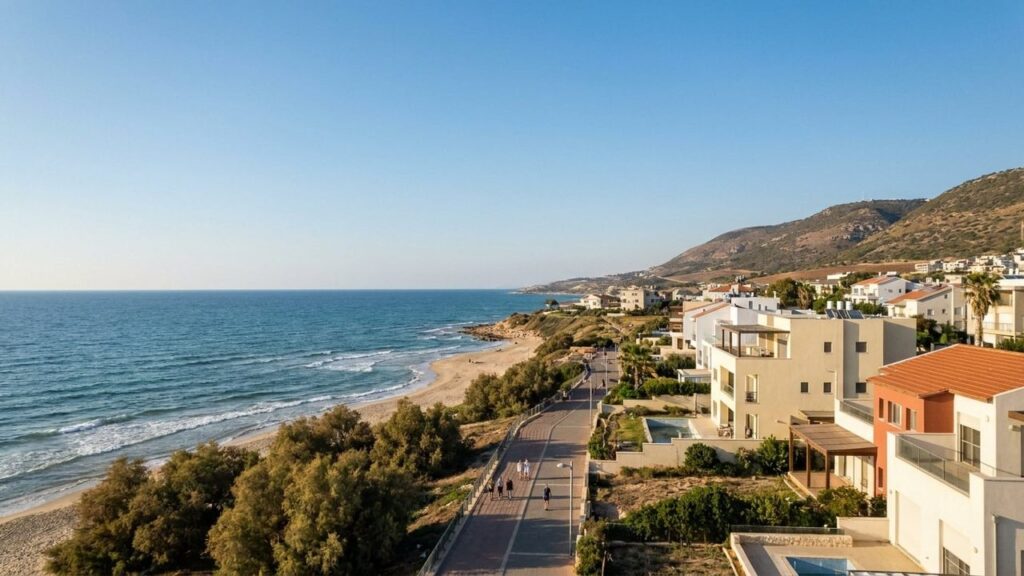

Atlit is a small coastal town on Israel’s central-northern shore with a layered history and close links to Haifa. This guide describes what living in Atlit is like today, covering transport, schools, nature and historic sites.
Atlit at a Glance
City: Atlit • Country: Israel • District: Haifa • Population: 11611 • Area: 14 km² • Nearest major city: Haifa • Distance: 15 km • Main transport connection: Coastal Highway 2 and Israel Railways coastal line (Atlit railway station) • Known for: Crusader fortress (Château Pèlerin / Atlit Fortress), the Atlit detainee camp (Ha’apala museum), the submerged Neolithic site Atlit-Yam, coastal beaches and historic salt-works • Historic origins: Neolithic evidence (Atlit-Yam) c.6900 BCE; modern Jewish settlement founded 1903; attained local council status in 1950
Insider's Guide to Israel
and can't-miss places most tourists never find.

Where Is Atlit?
Atlit sits on Israel’s Mediterranean coastline in the Haifa District, about 15 kilometres south of Haifa city centre. It occupies a narrow coastal strip with easy access to beaches and the coastal plain.
The town lies between other coastal and inland communities along the Haifa–Tel Aviv corridor. Nearby towns include Zikhron Ya’akov and Caesarea. Atlit is close enough to Haifa for regional services while keeping a quieter, low-rise feel.
History of Atlit
The area around Atlit has a very long record of human presence. Offshore is the submerged Neolithic village called Atlit-Yam, dated to around 6900 BCE. Archaeology also shows Bronze Age settlement in the locality.
In the medieval period the site became notable for the Crusader fortress Château Pèlerin, whose remains still mark the coastline. Later the area was part of Ottoman-era villages and saw activity in the British Mandate period.
A modern Jewish settlement developed at the site from 1903. Atlit attained local council status in 1950. The Atlit detainee camp from the British Mandate era is preserved today as a museum and memorial.
Atlit Population
Atlit is a small coastal community. Population figures vary by source and are best checked with official statistics when exact numbers are required.
The town functions as a regional coastal centre rather than a large urban hub, and its size has supported steady, measured growth as people choose seaside living with regional access to jobs and services.
What Is It Like to Live in Atlit?
Life in Atlit is generally relaxed and residential. Streets are mostly low-rise and services cover everyday needs, while Haifa and other cities provide specialist services and employment.
Local shops, primary schools and basic health services are available in town. Many residents travel to regional centres for work or specialist care. Transport options include the Atlit railway station on the coastal line, regional buses and road links via Highway 2.
Nature is close by. Beaches, coastal walks and kurkar ridges (a local sandstone formation) are within easy reach, and the coastal corridor is a route for migrating birds such as flamingos. Atlit suits people who prefer seaside living, quieter streets and access to larger towns when needed.

Areas and Neighbourhoods in Atlit
Atlit contains a number of residential neighbourhoods, from older streets near the shore to small newer developments inland. Housing is mostly low-rise and gardened plots are common.
Neve Moshe
Neve Moshe is an established residential quarter with a mix of single-family homes and small apartment buildings. Local roads make it straightforward to reach the main highway and bus stops. The area is relatively quiet and practical for day-to-day life.
Yamit
Yamit has a family-oriented feel. The housing mix includes modest houses and renovated cottages along with some newer small projects. Residents typically travel by car or local bus to nearby towns and services.
Giv’at HaPrahim
Giv’at HaPrahim features a suburban layout with private homes and smaller plots. The area offers more space and privacy compared with denser neighbourhoods. Car travel and regional buses are common ways to get around.
Giv’at HaBrekhot
Giv’at HaBrekhot emphasises family homes and small community facilities. Streets are calm and daily amenities are within reach. Road links and bus stops serve routine travel needs.
Giv’at Sharon
Giv’at Sharon follows the town pattern of low-rise housing and gardened plots. It is a quiet area that remains connected to Atlit’s services by local roads and bus routes.
Shoshanat HaYam
Shoshanat HaYam lies nearer the sea and gives easy access to beaches and coastal walks. Properties here often reflect the attraction of living close to the shore. Short drives or local buses take residents to the railway and main road.
HaGoren
HaGoren is an established pocket with mainly family homes and low-rise construction. The neighbourhood has a local feel and basic services are nearby. People commonly travel by car or regional bus to larger centres.
Yafe Nof
Yafe Nof, meaning ‘pleasant view’, offers properties with coastal glimpses and a tranquil setting. Gardens and smaller developments are typical. It is well suited to those seeking a quieter outlook near the sea.
Argaman
Argaman is a residential cluster with a variety of housing types that match Atlit’s generally low-rise profile. Local shops and services are within easy reach, and bus and road links connect to the railway station.
Hofit
Hofit sits close to the coastal fringe and provides direct access to beaches and seaside recreation. Many residents value the proximity to outdoor spaces and use short drives or buses for routine trips.
Savyonei Atlit
Savyonei Atlit follows the town pattern of lower-density housing and is popular with families seeking more space. Access to town amenities is straightforward and nature areas are nearby.
Allon
Allon is one of the town’s neighbourhood names and includes older homes alongside small-scale newer developments. Residents rely on local infrastructure and regional links for commuting and services.
Education in Atlit
Atlit provides local primary and elementary education, with several schools operating in town; a local school example is Gali Atlit. For secondary education, students commonly attend regional high schools in the Hof HaCarmel and Haifa areas.
Adult learning and community education programmes are also available locally. For higher education, the nearest universities and specialist campuses are in the Haifa area and can be reached by road or rail.
Insider's Guide to Israel
and can't-miss places most tourists never find.
Transport and Connectivity
Atlit is served by the Atlit railway station on Israel Railways’ coastal line. Regional and local buses stop at the Atlit Interchange and in town. Regular rail services link Atlit with other coastal points.
By train, journeys to central Tel Aviv typically take roughly 30–60 minutes depending on the service. By road, Atlit is about 80 km from Tel Aviv via the Coastal Highway (Highway 2); driving times commonly range from one to one-and-a-half hours depending on traffic.
Haifa is around 15 km away and is usually reachable in about 20 minutes by car or train. Other nearby towns include Zikhron Ya’akov and Caesarea. While public transport serves many commuters, a car is still useful for flexibility and local errands.

Nature and Outdoor Spaces
Beaches and Mediterranean habitats are a key part of Atlit’s environment. The shoreline and coastal walks are used for recreation and everyday outdoor time.
Local geology includes kurkar ridges, a local sandstone formation that shapes dunes and coastal slopes. The coastal corridor is also a route for migrating birds, and the area can be visited by species such as flamingos.
Historical shoreline features like the Crusader fortress ruins and nearby submerged sites sit alongside salt ponds and wetlands, offering a mix of nature and heritage to explore.
Amenities and Things to Do in Atlit
Everyday amenities in town include local shops, cafés and small restaurants, plus community services and basic healthcare. For larger supermarkets or specialist services, residents usually travel to Haifa or other nearby cities.
Key local landmarks are the Château Pèlerin (Atlit Fortress) ruins, the Atlit detainee camp museum and the offshore archaeological site of Atlit-Yam. These places attract visitors and provide local cultural interest.
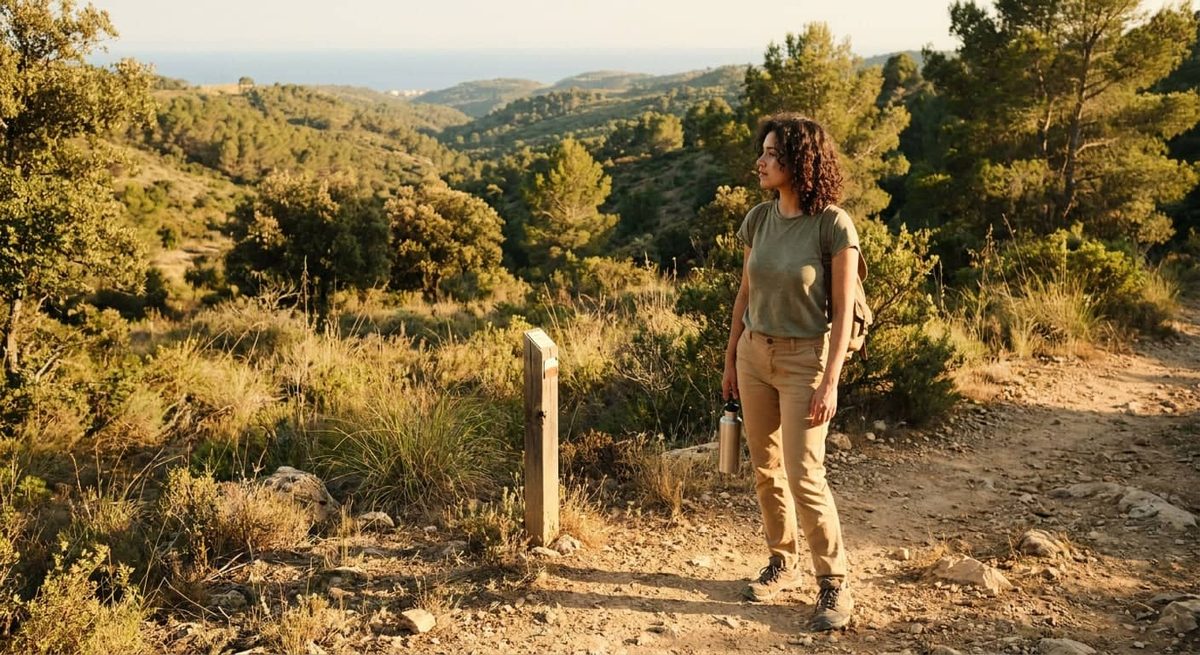
Outdoor pursuits are popular: beach visits, coastal walks and exploring the local sandstone ridges are common. Local sports clubs and community groups provide recreational options, while larger cultural venues are in Haifa and neighbouring towns.

Cities and Towns Near Atlit
Atlit is part of a network of coastal and inland towns along Israel’s central-northern corridor. Nearby urban centres are a short drive or rail trip away and offer more services, jobs and cultural options.
Nearby cities and towns: Haifa — 15 km, approx. 20 min; Zikhron Ya’akov — 13.3 km, approx. 20 min; Caesarea — 20.2 km, approx. 25 min; Hadera — 28.3 km, approx. 30 min; Netanya — 49.4 km, approx. 34 min.
Advantages of Living in Atlit
Coastal location and outdoor access. Beaches, coastal walks and nearby natural features make Atlit attractive to people who enjoy the outdoors.
Close to Haifa. With Haifa about 15 km away and regular rail links, residents can reach a major city for work, higher education and specialist services.
Smaller scale and calm streets. The town’s size supports a quieter daily life and a more relaxed pace than in larger cities.
Historic and cultural interest. Local historic sites, such as the Crusader fortress and the Atlit detainee camp museum, add depth to life in the town.
Things to Consider Before Moving to Atlit
Limited local specialist services. Day-to-day essentials are available, but some medical specialists and larger shopping or cultural venues require travel to Haifa or other cities.
Transport trade-offs. Public transport provides useful links, but services may be less frequent outside peak times. Many residents find having a car convenient for flexibility.
Smaller town scale. The quieter, lower-density environment appeals to many, but may feel limiting to people who prefer the nightlife and full amenities of a larger city.
Who Is Atlit Best For?
Families
Families value the town’s quiet streets, local primary schools and easy access to outdoor spaces. The neighbourhood scale supports a familiar local environment.
Commuters
Commuters who work in Haifa or along the coastal corridor can use the railway station and Highway 2 links. Travel times vary by service and road traffic.
Young Professionals
Young professionals who want a quieter home base with reliable links to larger employment centres may find Atlit practical, especially when combining remote work with occasional commutes.
Retirees
Retirees seeking peaceful seaside living, access to nature and a small-community setting may appreciate Atlit’s low-rise neighbourhoods and coastal amenities.
